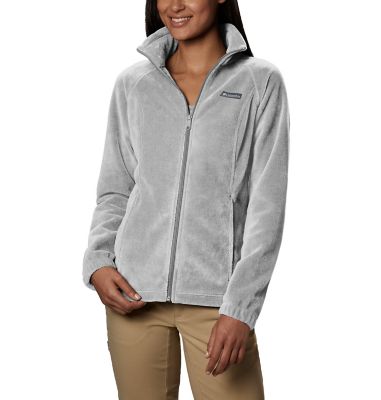
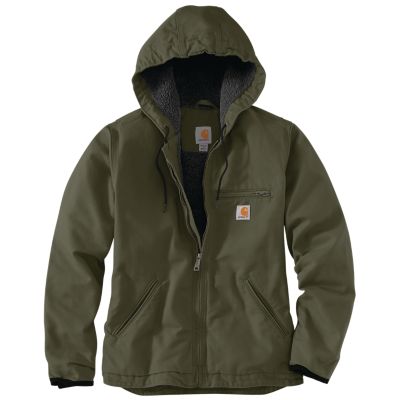
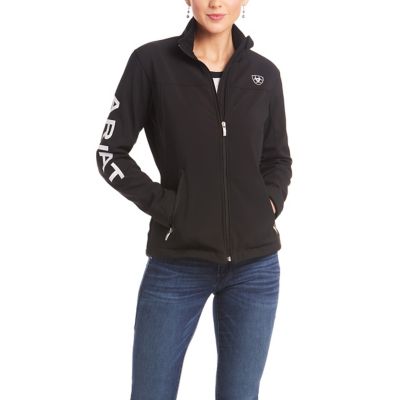
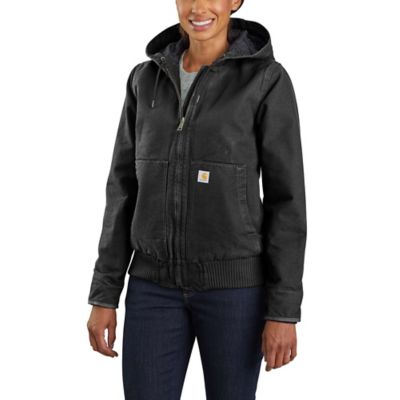
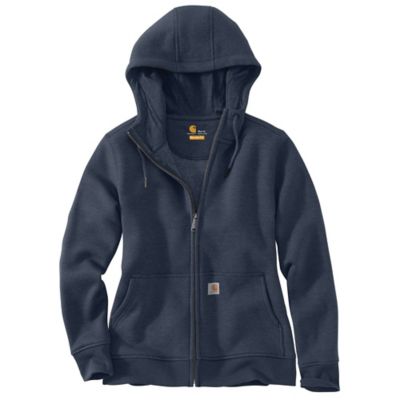
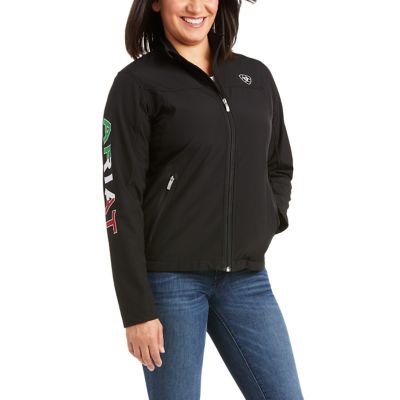
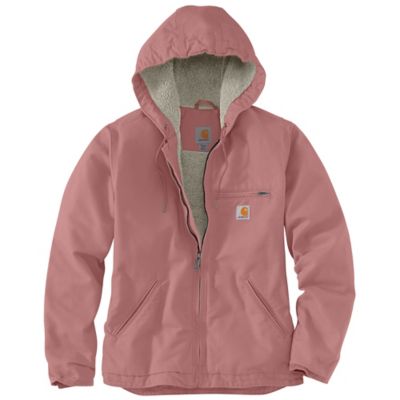
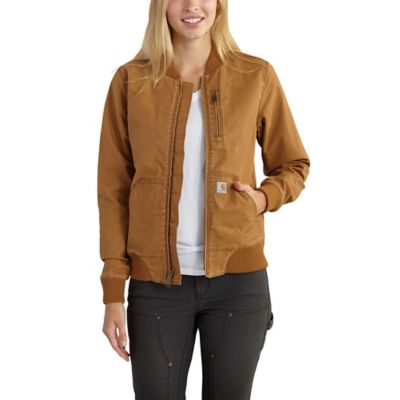
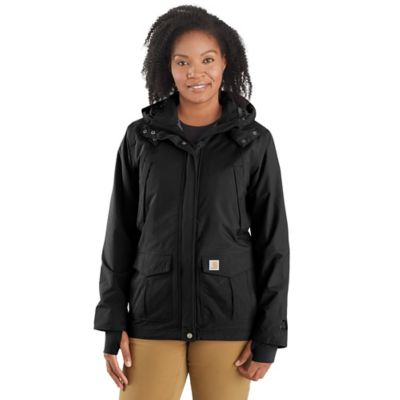
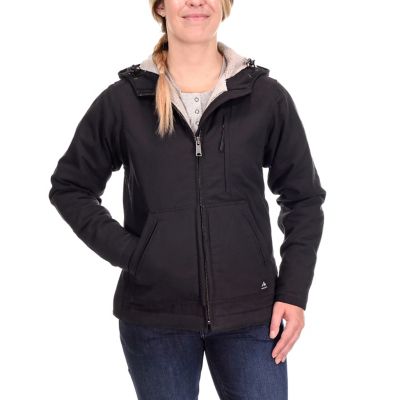
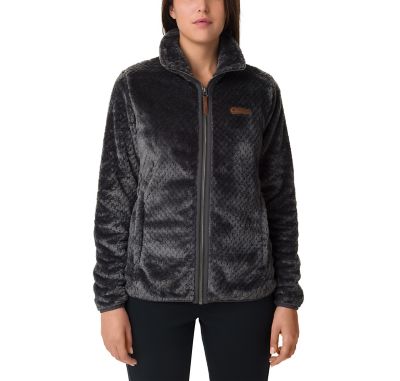
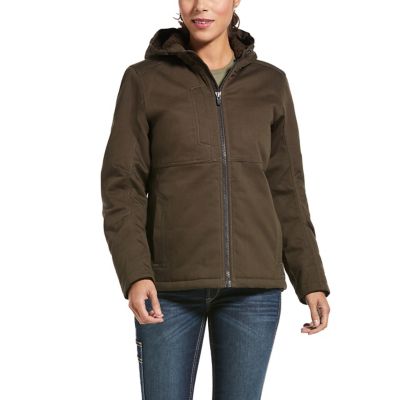
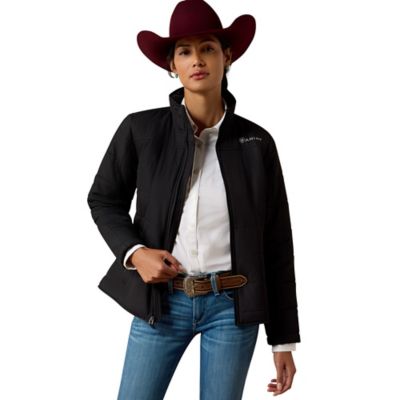
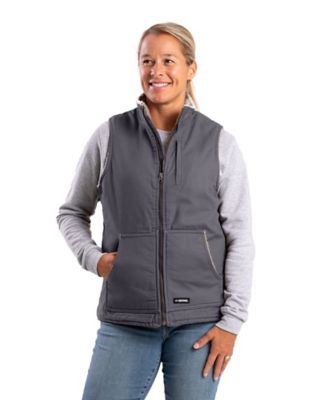
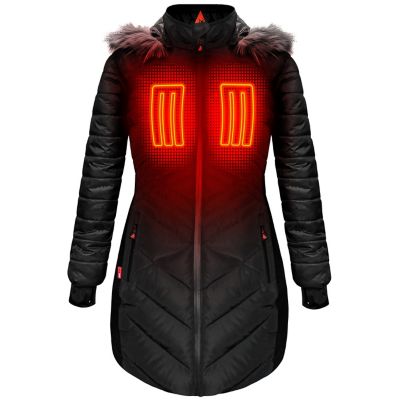
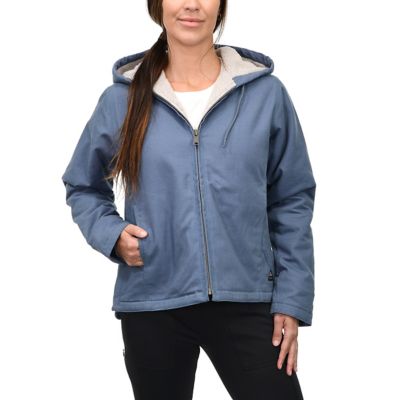
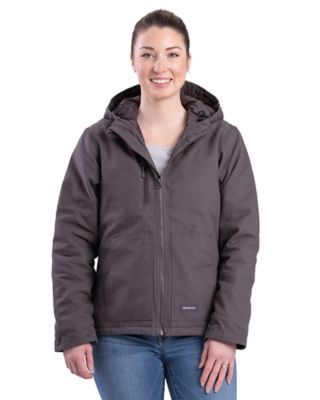
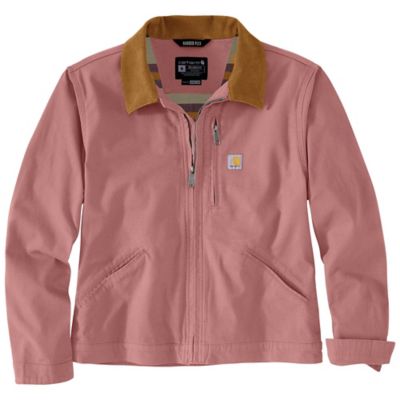
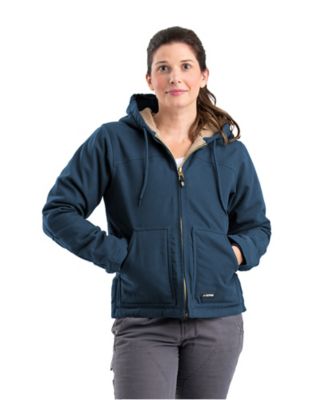
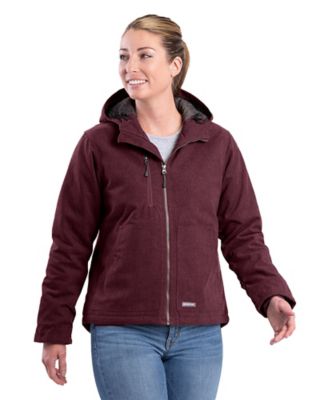
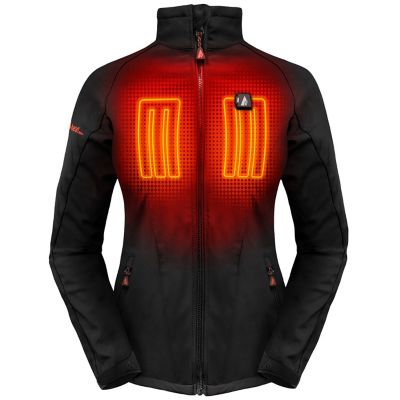
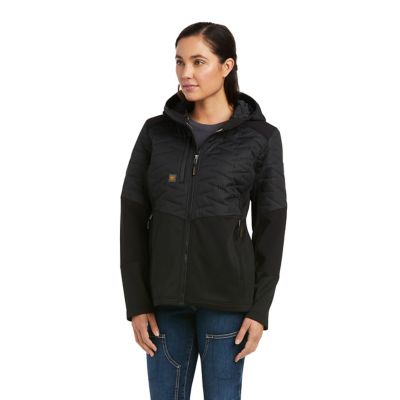
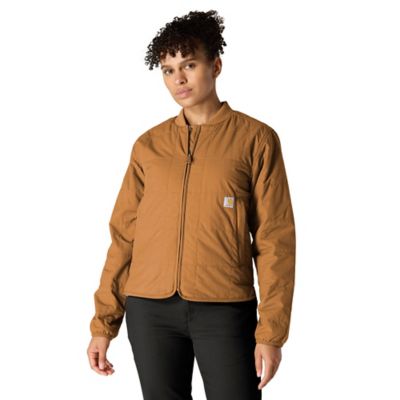
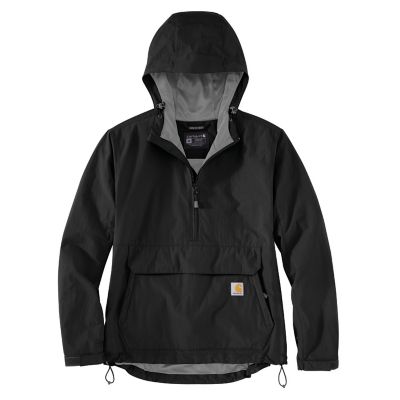
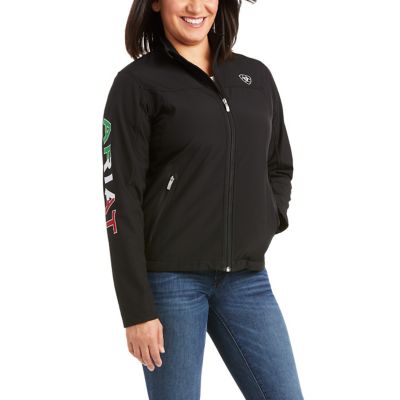
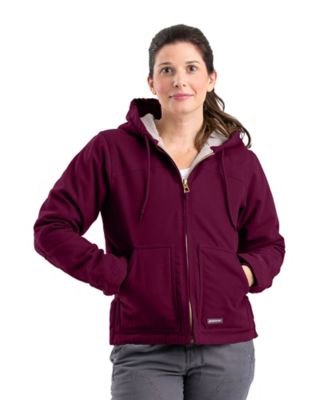
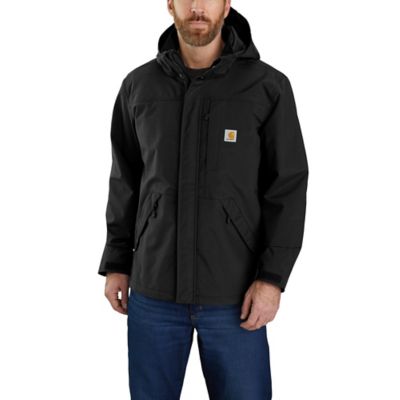
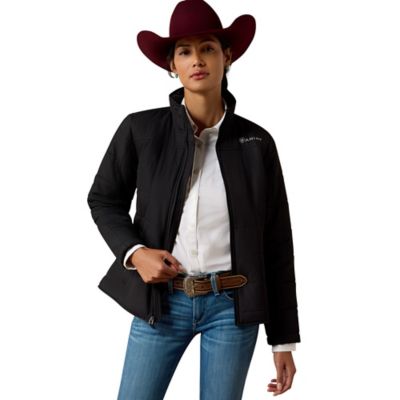
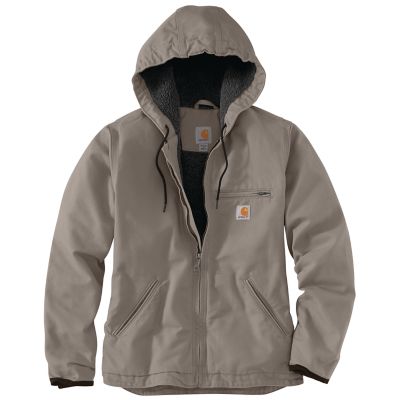
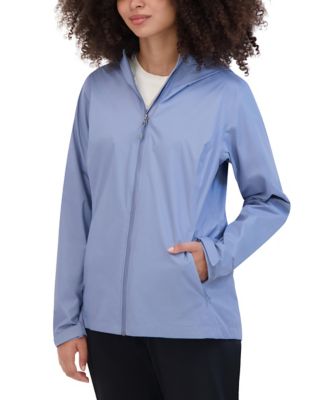
Spring jackets for women provide a lighter outer layer for cool mornings, breezy afternoons and the stretch of weather between a sweatshirt and a heavy coat. Common styles include denim jackets, chore jackets, lightweight bombers, trench coats, softshell jackets and rain shells, each with a different balance of coverage, warmth and freedom to move. A denim jacket has enough structure to pull together jeans and a T-shirt for a trip into town, while a chore jacket brings practical pockets and an easy fit to everyday outdoor tasks. Bomber jackets usually sit closer to the hip, with ribbed cuffs and hems that help hold the shape close to the body. Trench styles offer longer coverage and a more dressed-up look without necessarily adding much insulation. Softshells tend to combine a flexible feel with some protection from wind and light moisture, while rain shells put more emphasis on keeping wet weather out. These lighter layers earn their place beyond any single season, whether there’s a chill on the porch or a breeze blowing across an open pasture. For women who move between the house, barn, truck and town throughout the day, a jacket that slips comfortably over everyday clothes can get plenty of wear. A shorter cut leaves room around the hips when sitting or driving, while a longer hem offers extra coverage when bending over a garden bed or watching a ballgame from the bleachers. Unlined styles work well when only a little coverage is needed; lightly lined options feel more comfortable when temperatures dip. Neutral shades pair easily with work pants, denim and boots, while brighter colors and printed fabrics give a simple outfit a little more personality. The best match comes down to the kind of day ahead: tending plants, walking a dog, heading to work or spending an afternoon with family outdoors.
Fabric makes a big difference in how a women’s lightweight jacket feels and performs. Cotton denim and canvas have a substantial feel that works well for everyday wear, though fabric weight and weave affect how stiff or flexible a jacket will be. Cotton also absorbs moisture, so an ordinary denim jacket is better suited to dry conditions than steady rain. Nylon and polyester shells are often lighter and quicker to dry, making them handy for damp walks, travel and keeping an extra layer close by. A little stretch in the fabric can make reaching, lifting and steering more comfortable, especially when the jacket has a closer fit. Fleece-backed softshells add a touch of warmth without the weight of a heavy winter coat, while smooth linings help sleeves slide over shirts and sweaters. Breathability matters during active chores; a jacket that feels fine standing by the gate may feel too warm once the feed buckets start moving. Venting, adjustable openings and lighter construction can help manage that change. Weather protection deserves a closer look, too. Water-resistant fabric can handle some light moisture, but that claim alone does not mean a jacket will keep out prolonged rain. Waterproof construction generally relies on a barrier within the fabric, with sealed seams helping prevent water from entering through stitching. Hood coverage, covered zippers and secure cuffs also affect how much protection a rain jacket provides. Wind resistance is useful on exposed ground, where even a mild day can feel chilly. For frequent outdoor work, reinforced areas and firmly stitched pockets can help a jacket stand up to repeated movement and contact with rough surfaces. Lighter fabrics have their place as well, especially when easy packing matters more than resistance to scrapes. A shell that folds into a tote is convenient for changing conditions, while a heavier cotton layer may feel more at home during dry-weather chores. Neither construction suits every task, which is why intended use matters as much as appearance.
Fit and everyday details often decide which jacket gets grabbed from the hook by the door. Women’s spring outerwear should leave enough room for the layers normally worn underneath without letting the shoulders slip or the sleeves cover the hands. A relaxed fit accommodates a flannel shirt or light sweater, while a shaped waist creates a closer outline over thinner tops. Shoulder seams, sleeve length and room through the upper back all affect comfort when reaching for a shelf, carrying groceries or holding a lead rope. Raglan sleeves and articulated elbows can allow easier movement, though the overall cut still matters. Cuffs that fasten snugly help keep a breeze from traveling up the sleeves, and an adjustable hood can stay in place without crowding the face. Pocket placement is worth attention: hand pockets offer a place to warm cold fingers, chest pockets keep small essentials within reach, and zippered closures help hold keys securely when bending or climbing steps. A two-way front zipper on a longer jacket can open from the bottom for more room while seated. Care needs should fit the routine, too. The care label gives the right washing and drying directions for the fabric, lining and any weather-resistant finish. Some shells need particular detergents or heat settings, and fabric softener can interfere with the performance of certain technical materials. Cotton fabrics may shrink if washed or dried outside the recommended settings. Brushing away dried dirt, treating spots as directed and letting a damp jacket dry before storing it can help keep it ready for the next outing. Spring jackets also make practical gifts for women who enjoy gardening, country walks, travel or time around animals, especially when their preferred fit and usual activities are known. For households sorting out outerwear for different temperatures,
winter jackets for men cover another part of the family’s cold-weather needs. A well-chosen lighter jacket fills its own everyday role, offering just enough coverage for the walk down the lane, the drive into town and the last few chores before heading inside.