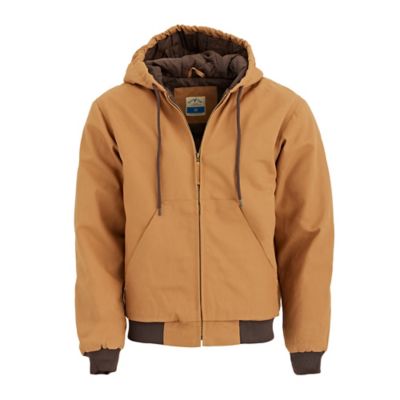
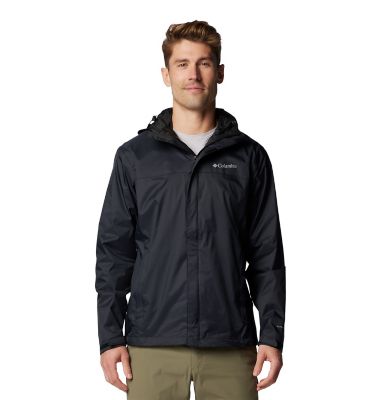
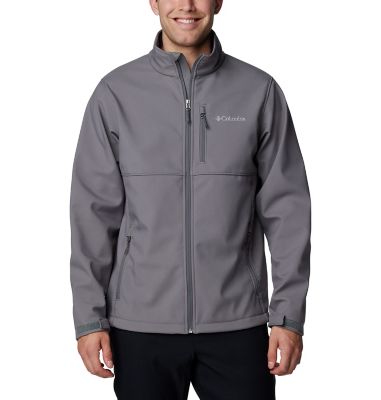
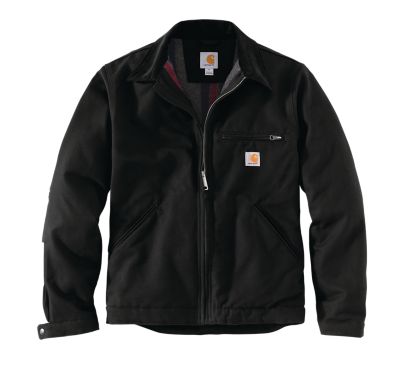
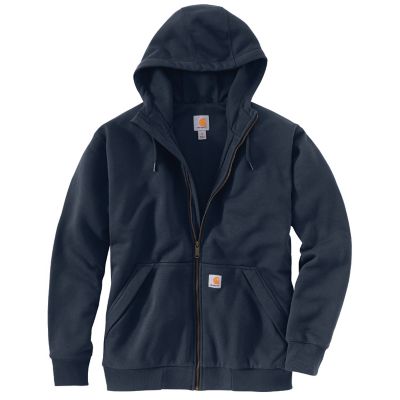
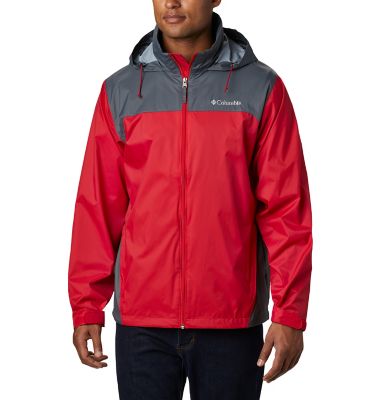
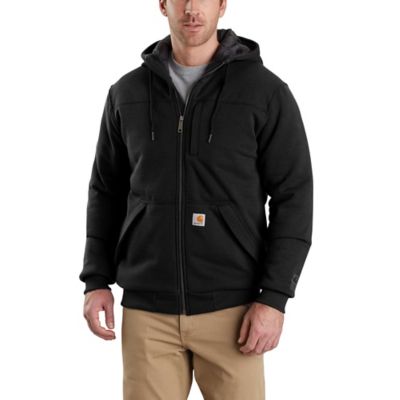
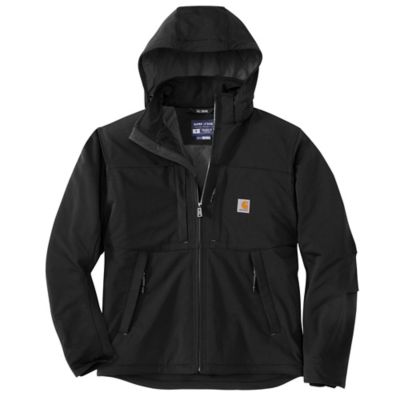
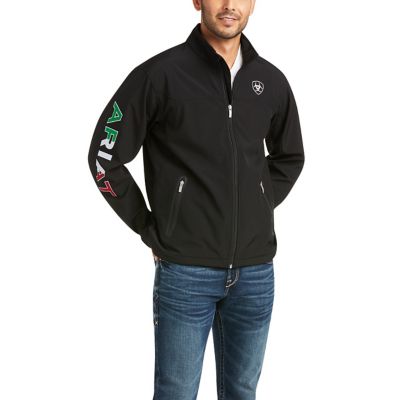
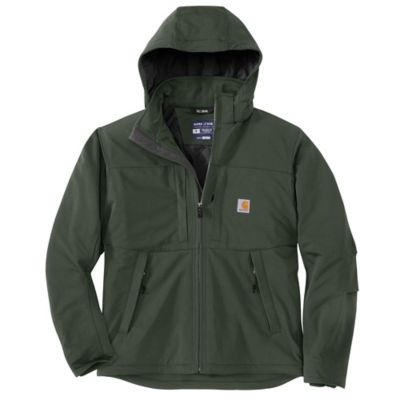
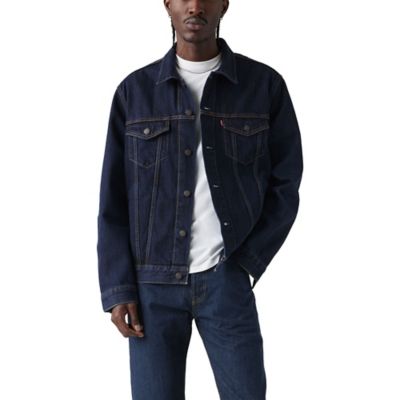
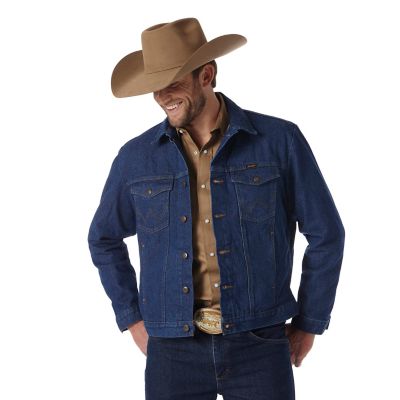
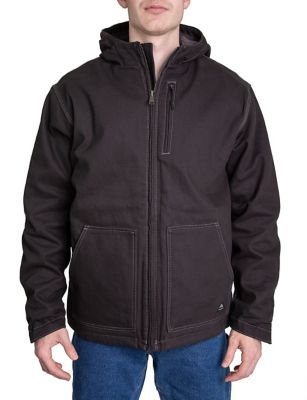
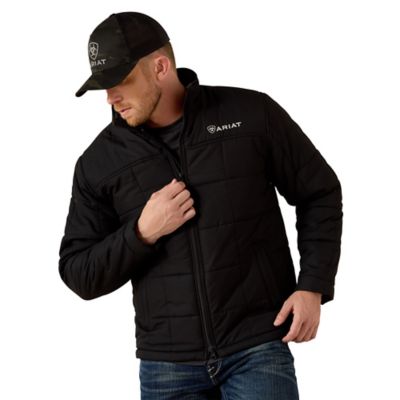
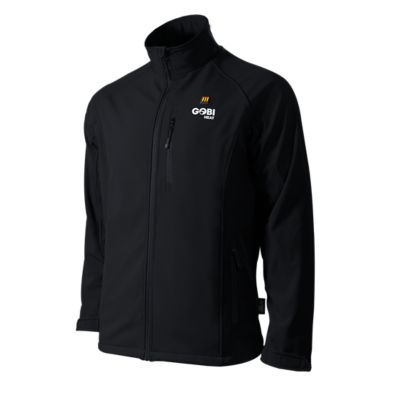
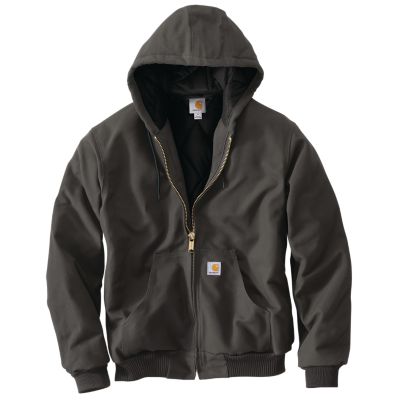
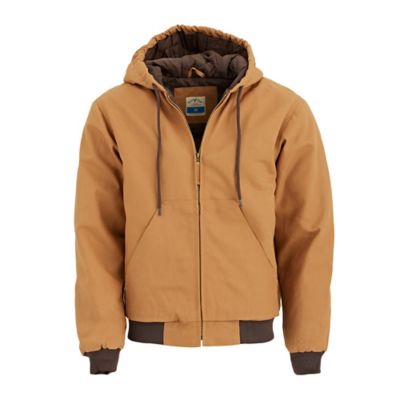
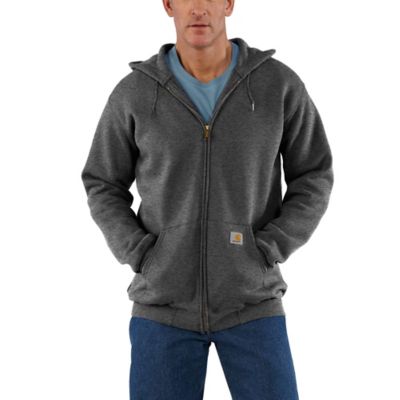
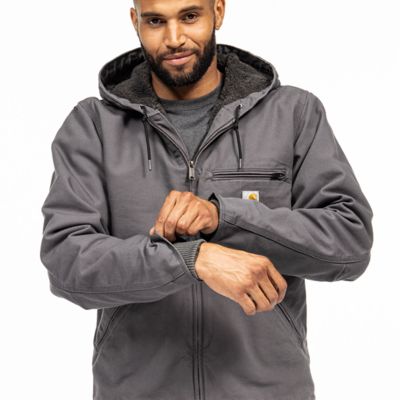
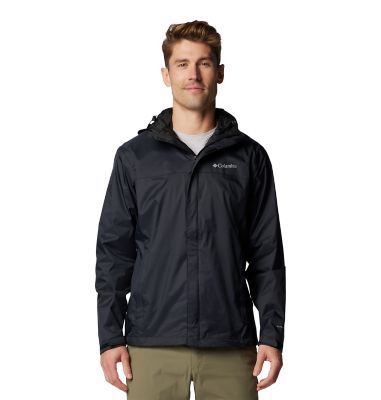
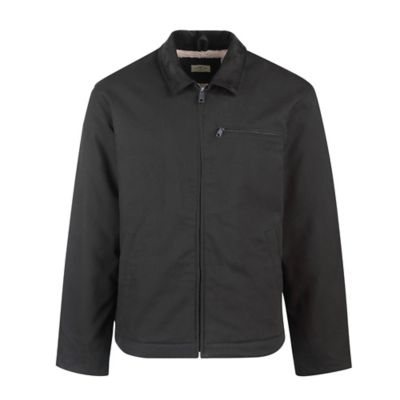
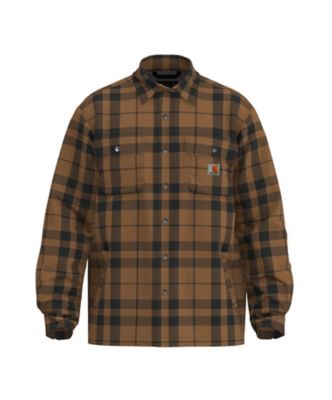
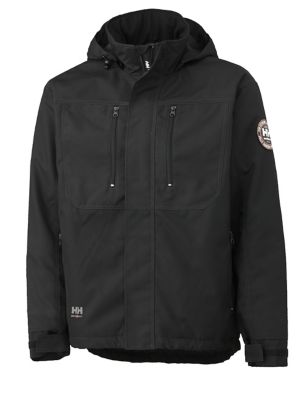
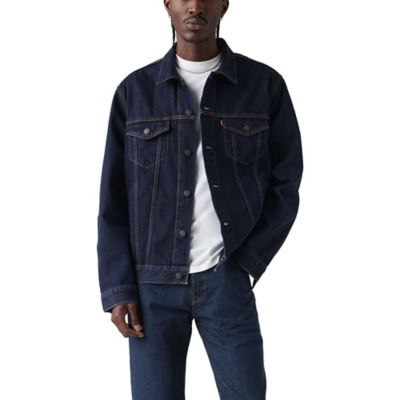
Men's jackets include work jackets, denim jackets, fleece jackets, softshells, bombers, windbreakers and insulated styles, with different fabrics and cuts for chores, errands and time outdoors. A jacket that goes from checking livestock to picking up supplies needs to feel comfortable in motion, not just look good on a hanger. Denim and tightly woven cotton duck bring a substantial feel to workwear, while canvas shells offer a firm outer surface that suits hands-on tasks around the barn, shop or acreage. Fabric weight makes a difference: heavier cloth adds heft and structure, while lighter fabric feels less restrictive when a day involves plenty of walking, reaching and climbing in and out of a truck. Fleece jackets have a soft feel and a relaxed look that works with jeans or work pants. Lightweight nylon and polyester shells can fold down neatly for carrying in a bag, and softshell jackets often pair a smooth exterior with some stretch for easier movement. Leather jackets have their own character, with texture and flexibility that depend on the leather and finish. Bomber jackets generally sit closer to the waist, often with ribbed cuffs and hems, while longer workwear cuts provide more coverage when bending over a feed tub or leaning across a workbench. Insulated jackets pair an outer shell with a layer of fill; unlined styles have simpler construction and leave the feel of the jacket largely to the shell fabric. Quilted linings help hold fill in place, though the amount and type of insulation vary. Style matters, too. Straightforward stitching, clean pocket layouts and neutral colors can make a jacket easy to pair with everyday clothes without looking out of place at a casual gathering. For pasture checks, trail walks and other time outside,
Men's Outdoor Jackets bring the same practical needs into focus: freedom to move, useful storage and a fit that works with the clothes underneath. The right combination depends on how the jacket fits into an ordinary day.
Fit makes a big difference when a men's jacket becomes part of the daily routine. Shoulder seams should sit comfortably, and the back needs enough room for reaching forward without pulling tight across the shoulder blades. Lifting a sack of feed, fastening a gate chain or reaching into a truck bed can reveal restrictions that aren't obvious while standing still. A relaxed fit generally leaves more space through the chest and middle, while a closer cut creates a trimmer shape with less extra fabric. Neither fit is right for every job or every build. Room for a flannel shirt or sweatshirt matters if those layers are part of the usual outfit, but extra space shouldn't leave sleeves swallowing the hands or the hem catching on everything nearby. Sleeve length, torso length and the position of the armholes all affect comfort, especially for taller men or anyone with broad shoulders. Stretch panels, pleated backs and shaped elbows can help a jacket move with the body where those features are part of the design. The details deserve attention because they're the parts handled all day. A zipper should travel smoothly, snaps should fasten securely, and a front closure should be manageable without a lot of fuss. Ribbed cuffs sit close to the wrists, while adjustable cuffs let the opening change to suit the task or layers underneath. A stand collar covers more of the neck; a fold-down collar gives a familiar shirt-like appearance. Hoods add coverage, but their fit and attachment can affect visibility and how a jacket sits around the shoulders. Pocket placement is just as practical as pocket count. A chest pocket keeps a small notebook within reach, zippered pockets help contain keys, and roomy lower pockets give hands a place to rest. Reinforced pocket openings and well-finished seams are worth noting in jackets worn around tools and rough surfaces. For work near moving equipment, close-fitting layers and secured drawcords help keep loose fabric out of the way.
Care helps a men's jacket keep its shape, feel and usefulness through repeated wear. The care label takes priority because shell fabric, lining, insulation and trim may each have different needs. Many fabric jackets can be laundered at home when the label allows it, while leather and certain finished fabrics need a different approach. Brushing away dry dirt before cleaning keeps grit from working farther into the fabric. Emptying pockets, closing fasteners and checking for snagged threads also gives the jacket a little attention before it goes into the wash. Detergent choice and drying method matter, especially for jackets with stretch fibers, bonded layers or special fabric finishes. Excessive heat can affect some materials, so a shortcut in the dryer isn't always worth it. Leather benefits from cleaning and conditioning suited to its particular finish rather than an all-purpose treatment. A jacket should be fully dry before storage, with enough space that the collar and sleeves aren't crushed beneath other gear. Hanging a structured jacket on a broad hanger helps support the shoulders, while avoiding prolonged compression helps insulated styles retain their loft. Everyday wear also calls for a little common sense: pockets overloaded with tools can strain stitching, and a small tear is easier to address before it spreads. Those details matter whether the jacket spends most of its time at a workbench or riding along on weekend errands. Men's jackets can also make practical gifts for a dad, husband, brother or friend whose routines are easy to picture. Someone who handles daily chores may appreciate generous movement and straightforward pockets, while someone who prefers a tidier everyday look may lean toward a shorter silhouette and a smoother finish. Matching the recipient's usual size, preferred fit and care habits makes more sense than picking by appearance alone. A jacket earns its place through the small things: sleeves that stay comfortable at the wheel, pockets that hold what matters and fabric that feels right from the first task to the last stop.