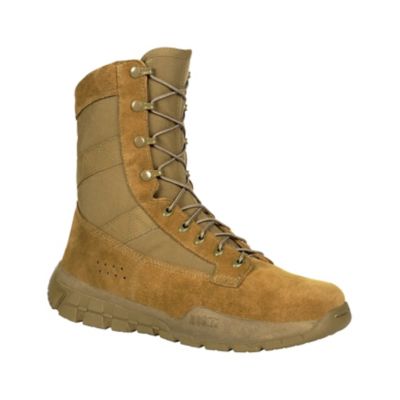
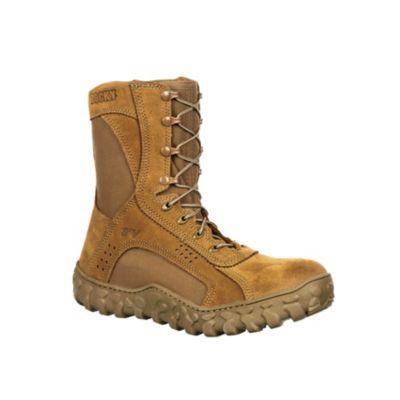
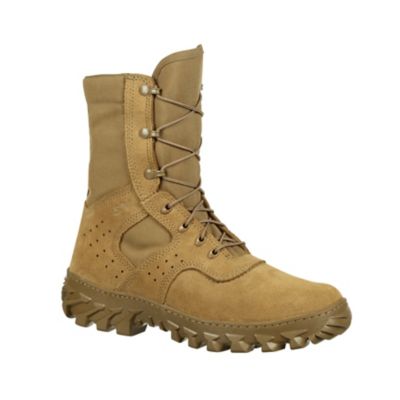
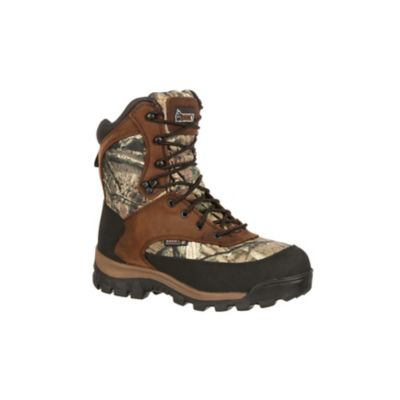
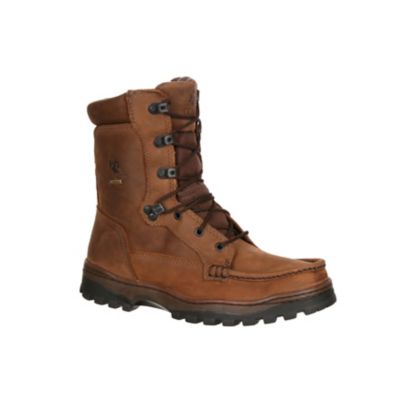
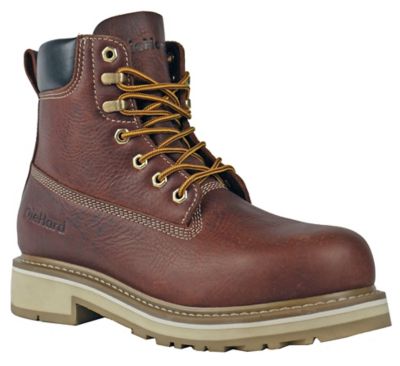
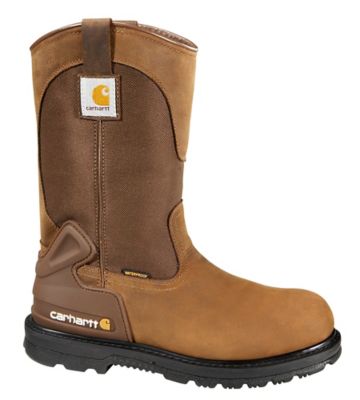
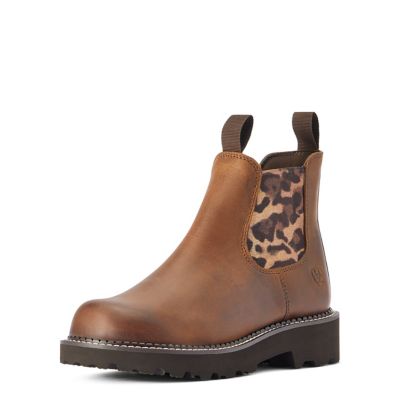
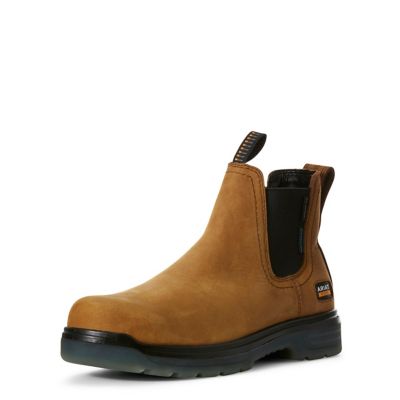
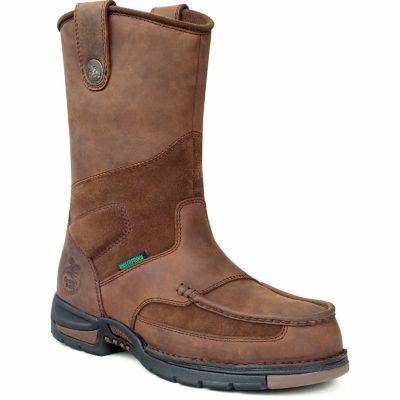
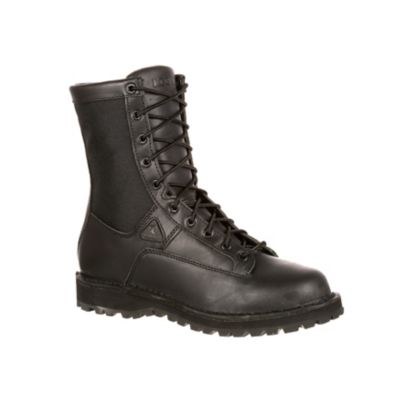
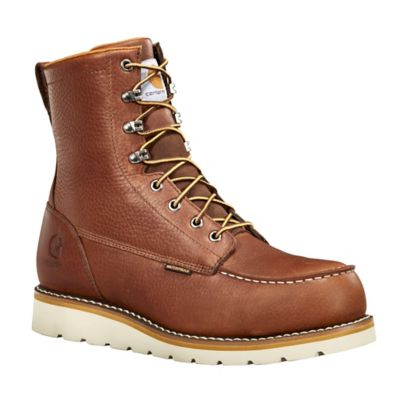
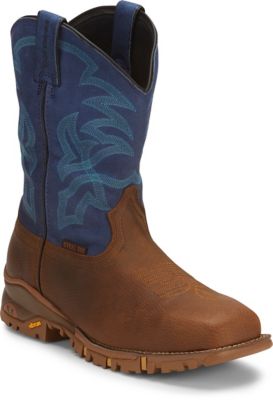
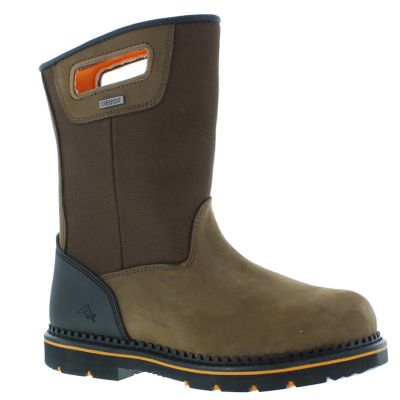
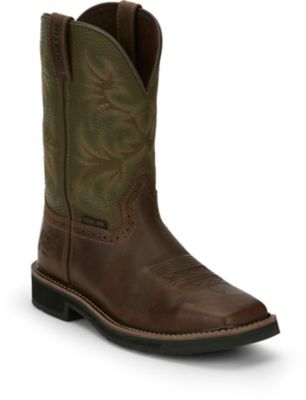
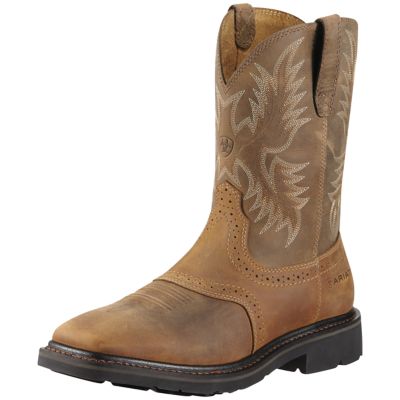
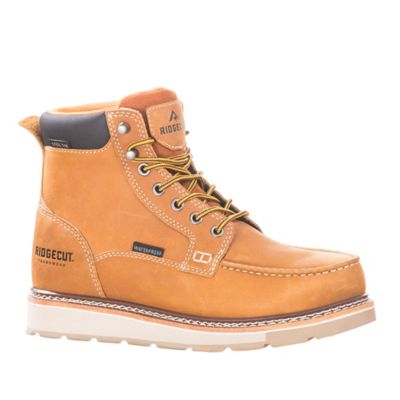
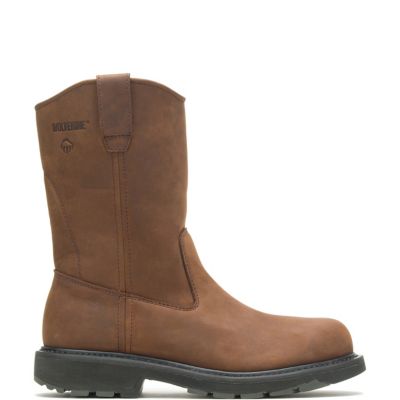
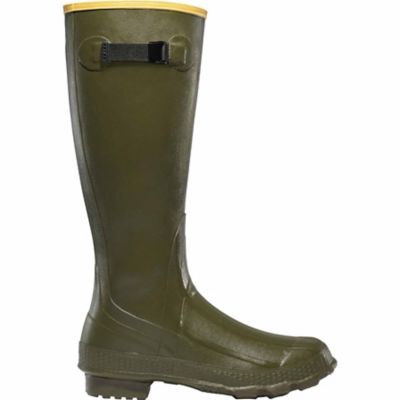
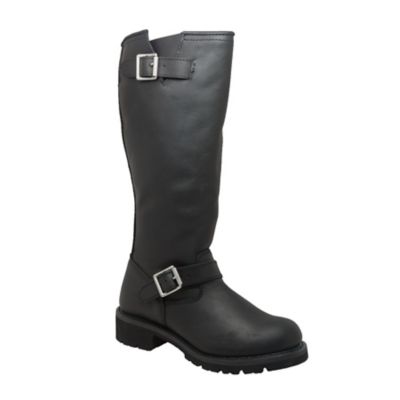
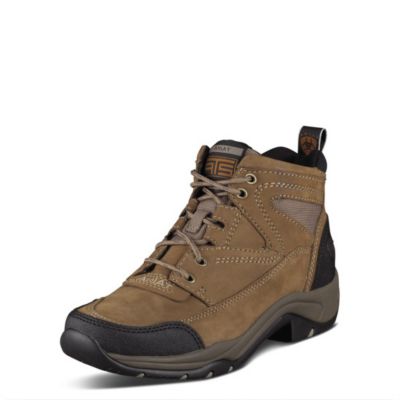
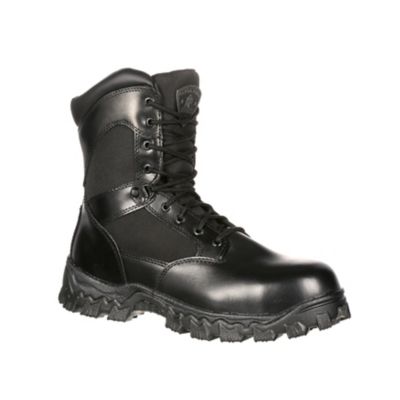
Comfortable military boots are built for people who spend long hours on their feet, cover uneven ground, and need dependable support without feeling like they are carrying extra weight with every step. They can be a practical choice for service members, veterans, first responders, security workers, warehouse and farm crews, hikers, hunters, and anyone who prefers a sturdy boot for everyday work. A well-made pair should balance protection with flexibility, giving your feet a firm platform while still allowing a natural stride. Lightweight construction can help reduce leg fatigue during long walks, rucking, training, or a full shift on hard floors. Many shoppers look for boots in the 25- to 26-ounce range per boot or lighter, though the right weight depends on the level of protection and support needed. A boot with a flexible sole may feel more comfortable when climbing in and out of equipment, walking fence lines, or moving quickly across a jobsite. More structured styles can offer added stability when carrying a pack or working over loose gravel, muddy ground, and sloped pasture. Think about where the boots will be worn most often, then match the build to that routine rather than choosing based on appearance alone. Someone working indoors or in warm conditions may appreciate a lighter, more breathable design, while a person spending cold mornings outside may prefer a taller shaft, insulated construction, or room for a thicker pair of socks. For additional options suited to demanding work and outdoor use, browse
Tactical Work Boots.
Comfort starts with the fit. Measure both feet near the end of the day, when feet have naturally expanded from walking and standing, and wear the socks you expect to use with the boots. Your heel should stay mostly in place without pinching, while your toes need enough room to wiggle and spread without sliding forward on downhill walks. A generous toe box can help prevent pressure spots, especially for people who spend hours on concrete, patrol uneven ground, or carry a loaded pack. Ankle support matters, too. A well-padded collar and secure lacing system can help hold the heel and ankle steady without cutting into the skin. Look for cushioned footbeds and shock-absorbing midsoles made with materials such as polyurethane or air-cushioned compounds, which can soften the repeated impact of hard surfaces. Removable insoles are useful when you need to replace worn cushioning or add an orthotic. Breathable linings and moisture-wicking materials help move perspiration away from the foot, which may reduce hot spots and blister trouble during warm days or strenuous activity. Ventilated panels can feel comfortable in dry heat, while waterproof membranes are a better fit for wet grass, rain, and muddy work areas; keep in mind that waterproof boots may feel warmer and less airy. Outsoles should provide dependable traction on the surfaces you actually encounter, whether that means packed dirt, slick concrete, loose stone, or wet timber. Deep, defined lugs can help in mud, but a less aggressive tread may be quieter and more comfortable for indoor use. Before heading out for a long shift, wear new boots around the house, barn, or yard and gradually increase the distance. That simple break-in time lets the leather, fabric, and sole flex with your stride and gives you a chance to catch rubbing before it turns into a sore spot.
Military-style boots can also make a thoughtful gift for someone who values useful gear over something that sits on a shelf. They suit a family member starting a job in security, a friend preparing for outdoor training, a veteran who wants a reliable everyday boot, or a farmhand who needs solid footwear for chores and long days outside. Since fit is personal, gifting a pair works best when you know the wearer’s size, preferred width, sock thickness, and typical terrain; a gift receipt or easy exchange option can take the guesswork out of the process. Consider the details that match the recipient’s routine. A lightweight, flexible boot may be welcome for walking, travel, drills, and active work, while a more rugged, supportive style may be better for carrying tools, working around livestock, or crossing rough ground. Pay attention to care needs as well. Let boots air out fully between wears, remove dirt after muddy jobs, and follow the maker’s cleaning instructions so the materials remain flexible and the seams stay in good shape. Rotate pairs when possible, especially during the cooler months when damp boots may take longer to dry. Good socks make a noticeable difference: moisture-managing socks can help keep feet drier, and wool-blend socks can add warmth without becoming bulky. With the right fit, cushioning, ankle stability, breathability, and traction, comfortable military boots can move easily from a long day on the job to weekend chores, travel, training, or time outdoors.