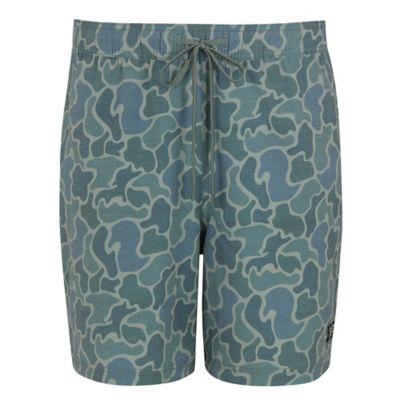
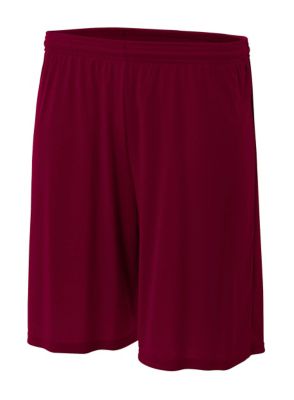
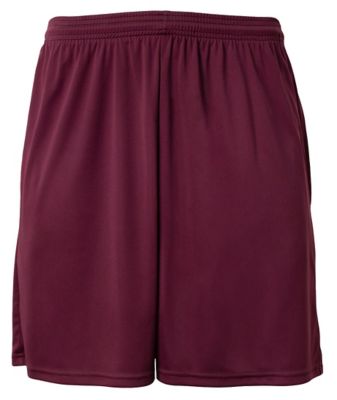
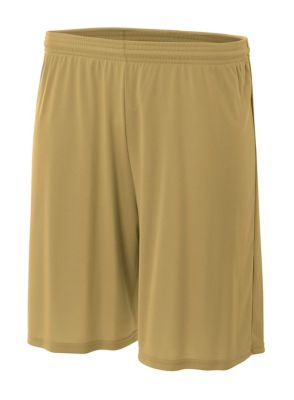
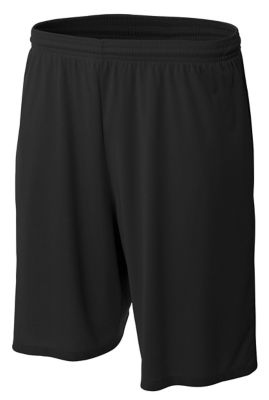
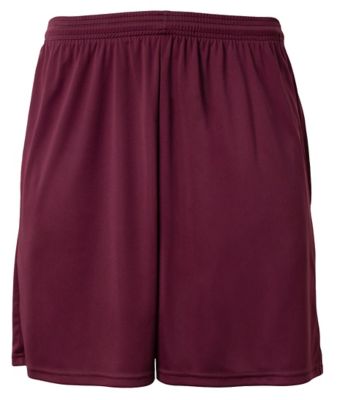
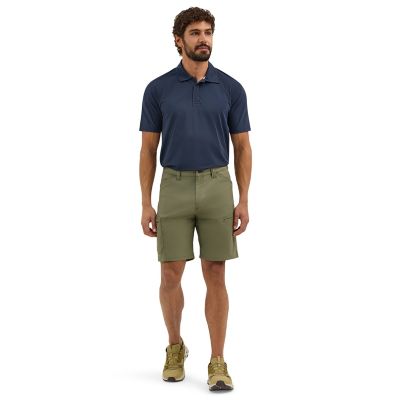
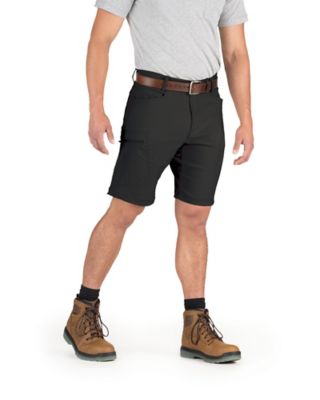
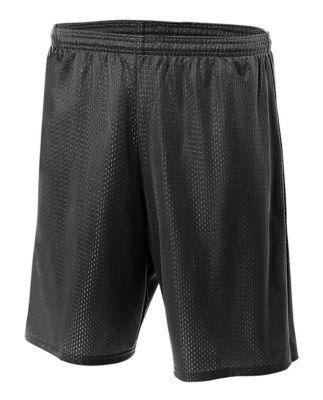
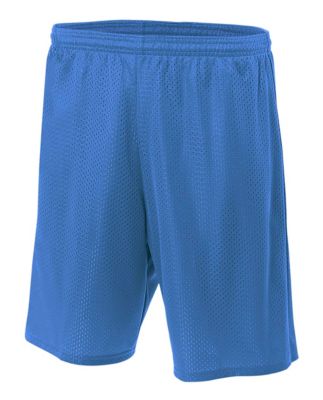
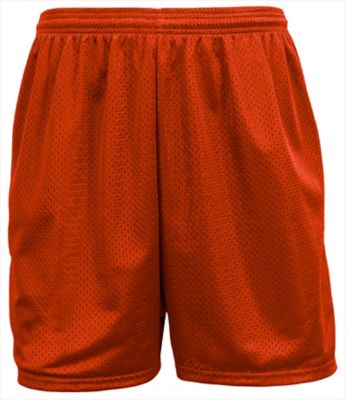
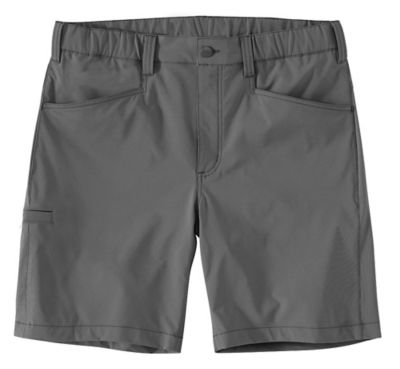
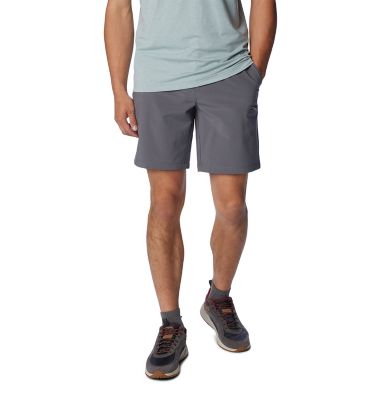
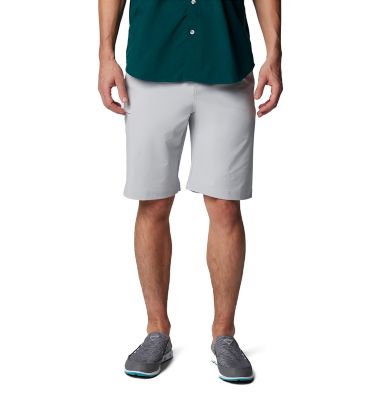
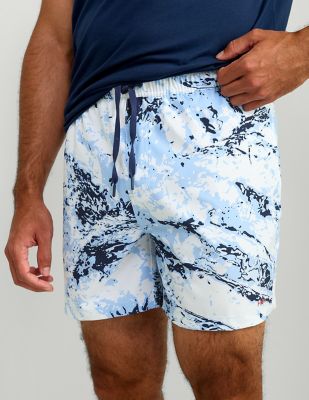
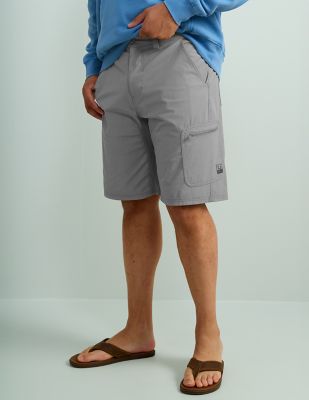
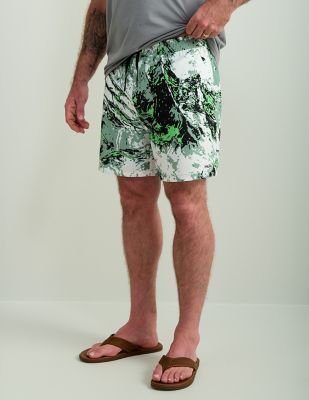
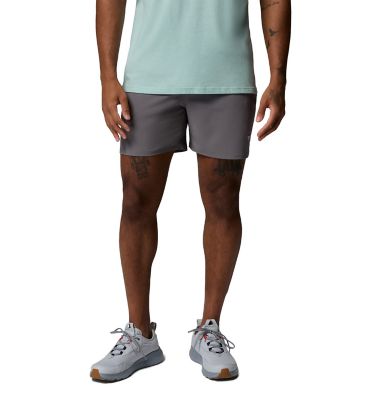
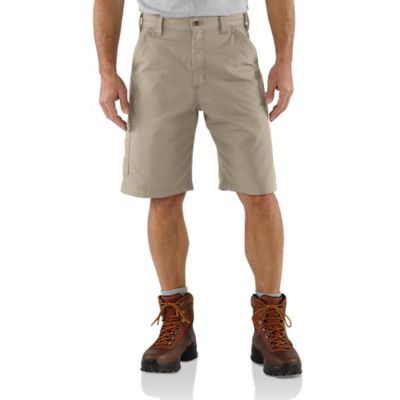
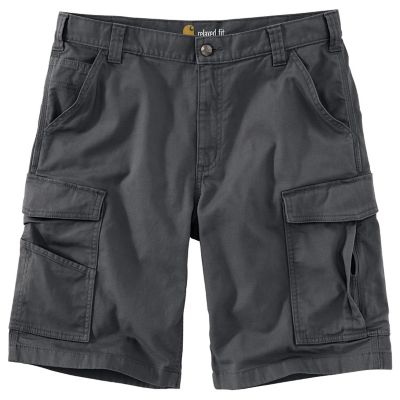
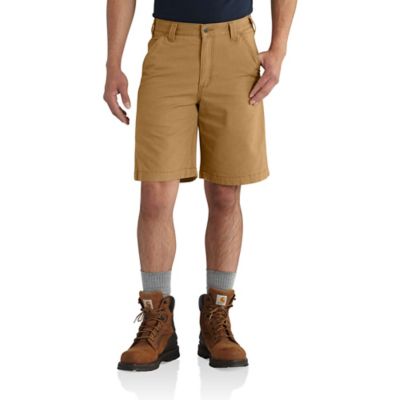
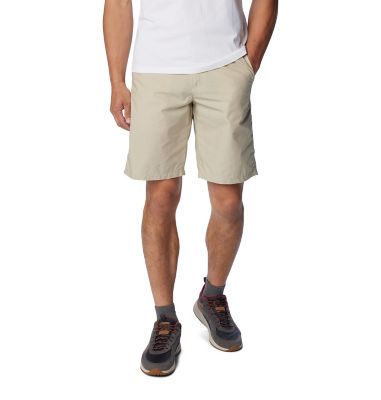
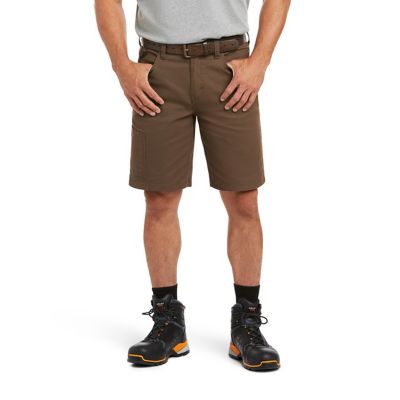
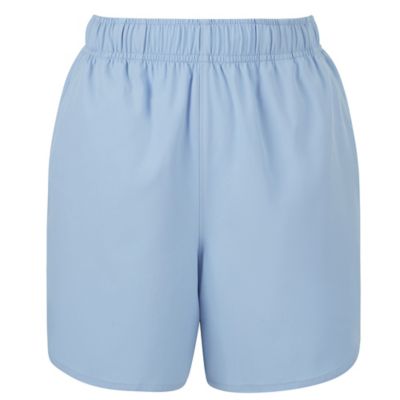
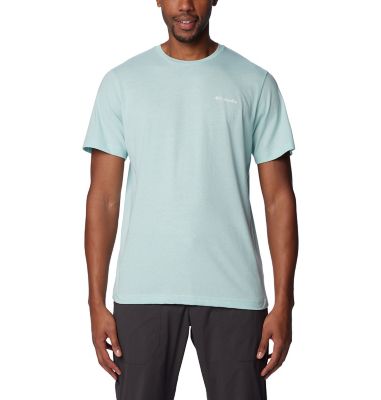
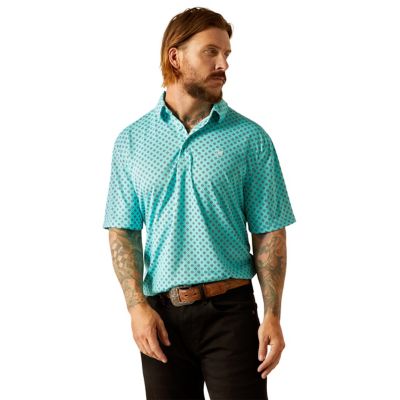
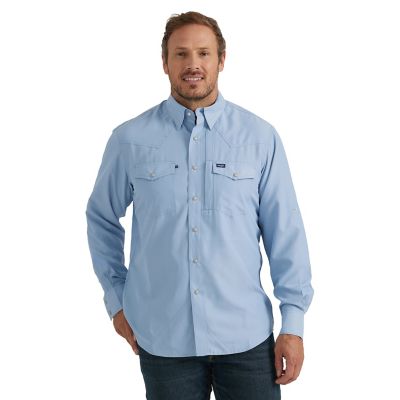
Men’s moisture-wicking shorts pull sweat away from the skin and spread it across the fabric so it can evaporate more readily. That’s what helps them feel less damp and clingy through a run, a lifting session or a stretch of chores that has you walking from one end of the place to the other. Wicking and quick drying go hand in hand, but they aren’t quite the same thing: Wicking moves moisture, while quick drying is about how fast the fabric lets it go. Polyester and nylon blends generally dry faster than plain cotton, which tends to soak up sweat and stay damp longer. Lightweight polyester knits often have a softer drape that works well for running or gym sessions, while smooth woven blends can give shorts a little more structure for walking trails or wearing around town. A bit of spandex can make either fabric easier to move in, especially when you’re stepping over a rut or squatting to lift a feed sack. Four-way stretch gives both across the fabric and along its length, so there’s less tugging when you bend at the hip or take a long stride. Fabric weight and weave matter, too. An airy knit can feel right for a treadmill run where you don’t need to carry much, while a firmer weave can keep a pocket from swinging as much with a set of keys inside. Mesh panels let more air through in spots where the fabric tends to stay damp, but they aren’t a must for every kind of activity. The difference is often easiest to notice when you stop moving: After a brisk loop with the dog, shorts that shed moisture readily are less likely to stick to the backs of your legs when you sit down. For an outfit that carries that same feel through the rest of the day, a wicking shirt from
Moisture Wicking Clothing for Men can complement the shorts without adding another layer.
Fit is about more than where the hem lands. A waistband that feels fine standing still can dig in when you sit or slide down once a phone goes into a pocket. An elastic waist with a drawcord lets you snug things up for a run and loosen the fit afterward. A flat front can give the shorts a neater look for a round of golf or a stop in town, and a roomier cut through the seat and thighs leaves space for crouching or taking big steps. Inseam length is measured from the crotch seam to the hem, not from the waistband. A 5-inch inseam leaves more of the thigh clear for running and fast footwork, a 7-inch inseam splits the difference between coverage and freedom of movement, and a 9-inch inseam gives more coverage for walking, light chores or casual wear. Those lengths won’t land in quite the same spot on everyone, so the fit of a pair you already reach for can be a better reference than the number alone. Built-in liners can help limit rubbing during repetitive motion and keep the outer fabric from shifting as much on a run. Unlined shorts leave room for the underwear or compression layer that already feels right. Pocket placement makes a difference once you get moving, too. Deep side pockets are handy when you’re standing or walking, but an opening that tilts forward can let loose change spill out when you sit down. A zip pocket gives a key a place to stay put on the trail, and a pocket that sits close to the body helps cut down on the thump of a phone against your leg. For workouts where carrying gear isn’t part of the plan, shallow pockets or fewer of them can keep the shorts feeling light and out of the way.
The way a pair is put together matters when it sees the same chores, workouts and wash cycles over and over. Flat seams can cut down on rubbing along the inner thigh, especially over several miles, while reinforced stitching at pocket openings can help those spots hold up to frequent reaching and tugging. A tightly woven fabric can be a better match for regular contact with rough surfaces than an open mesh, which is more likely to catch on a splintered bench or a snag on a gate. Stretch fabric that springs back after bending also helps the seat and knees keep their shape rather than sagging after an afternoon of errands and yardwork. For laundry, the care label is the best place to check whether the fabric can go in the dryer. Washing with similar lightweight clothes rather than heavy items with exposed fasteners can cut down on abrasion, and closing the shorts’ own zippers helps keep them from catching on other fabric. Fabric softener can leave a coating that interferes with how some wicking fabrics move moisture, so it’s usually worth leaving it out. Air-drying or following the label’s dryer setting can help protect elastic and stretch fibers. Practical details like those also make men’s moisture-wicking shorts a good gift for someone whose routine includes lifting, long walks or time outside tending to things. For a runner, the liner and whether a key can stay put may matter more than extra pockets. For someone who heads from the garage to the grocery store, an unlined cut with room through the thighs and an easy-to-reach pocket may be the better fit. The pair that feels right for a regular day, whether that means miles on foot or just a lot of bending and reaching, is the one most likely to land back at the top of the drawer.