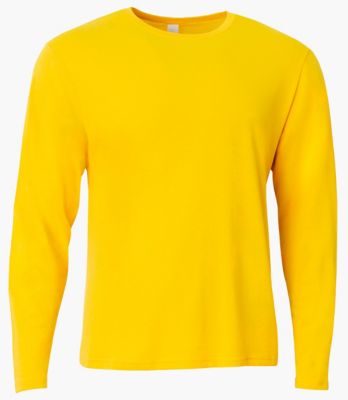
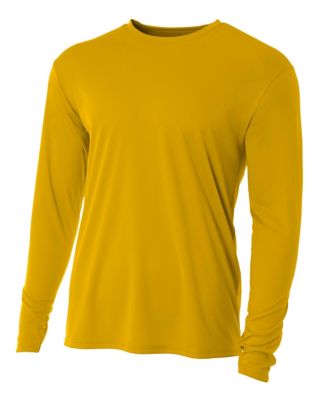
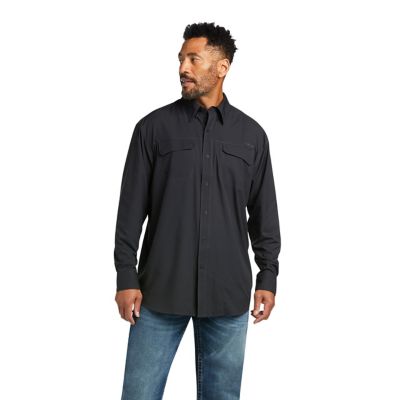
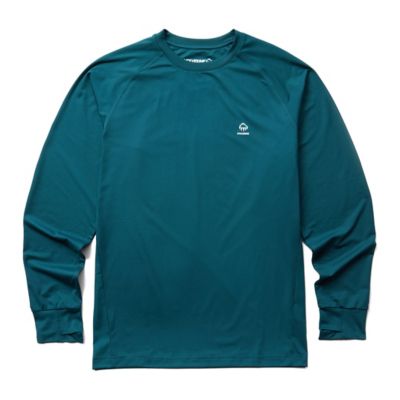
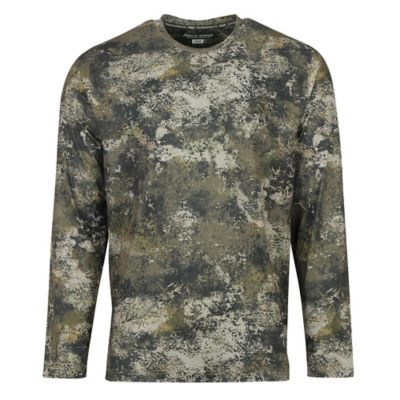
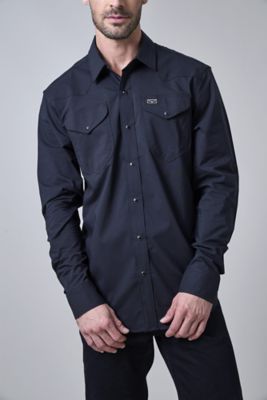
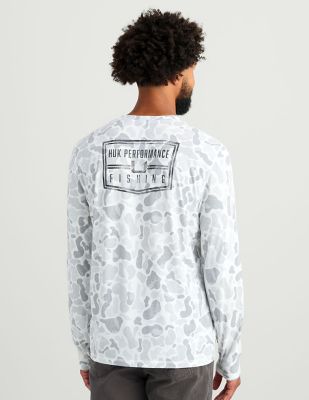
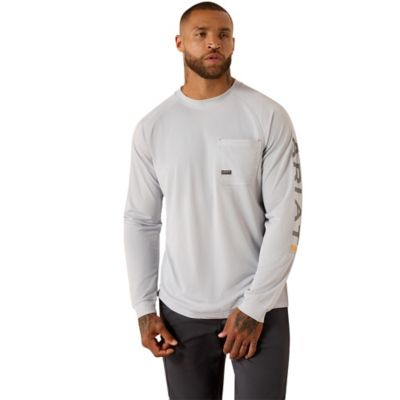
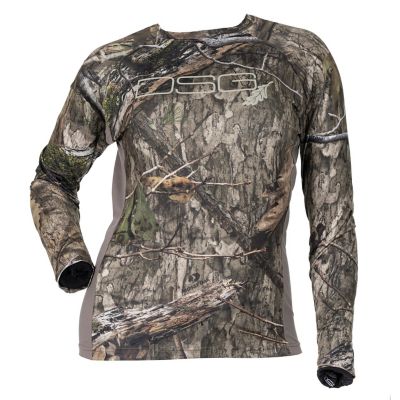
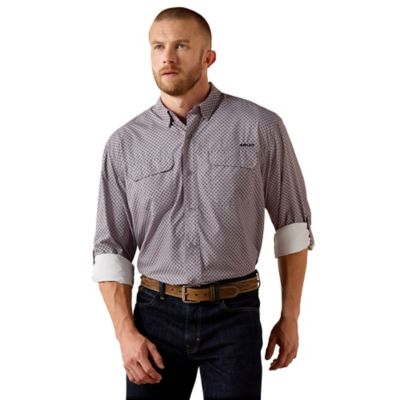
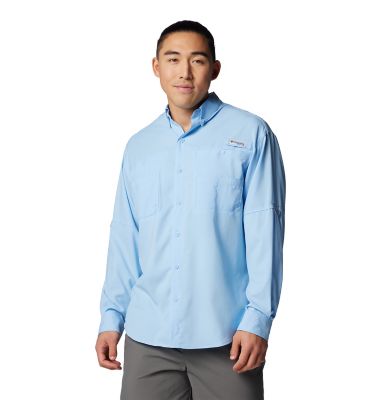
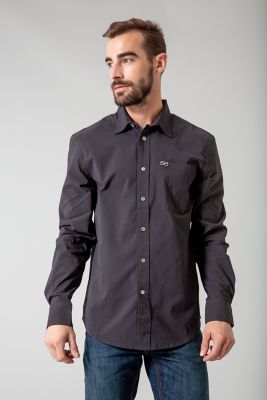
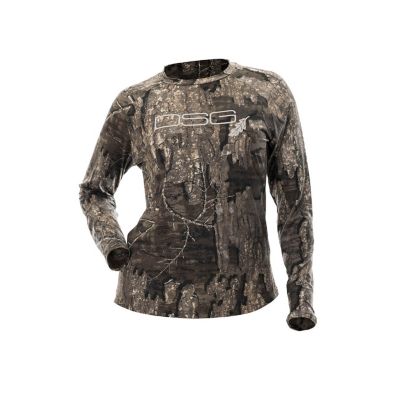
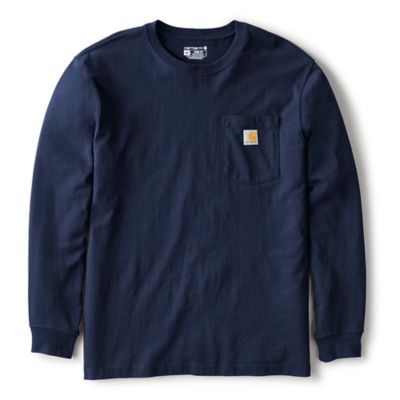
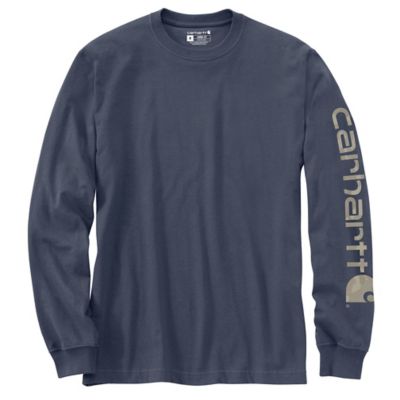
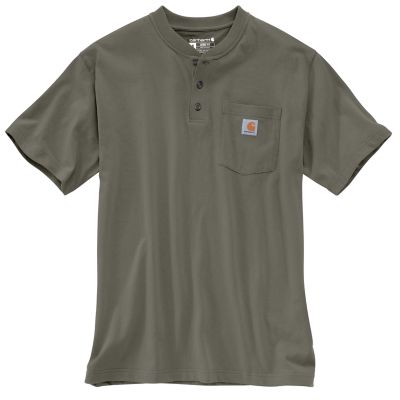
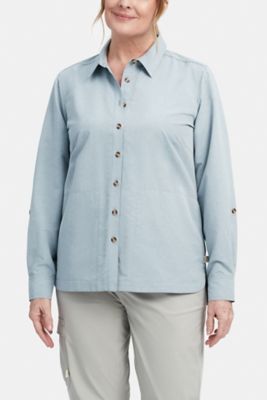
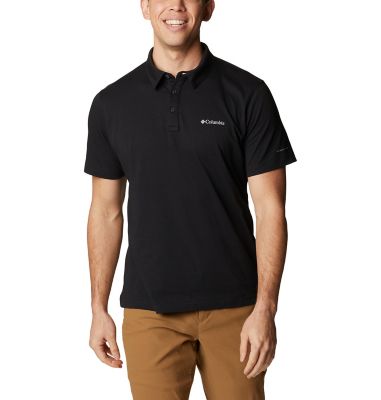
Men's long sleeve moisture wicking shirts help move sweat away from the skin and spread it across the fabric, giving it more surface area to evaporate. That makes them a practical choice for jobs and activities that keep a man moving, whether that means carrying feed to the barn, walking fence lines, hiking a trail, or getting a workout in before chores. Long sleeves add arm coverage without necessarily requiring a heavy fabric, and a lightweight knit can feel easy to wear through repeated reaching, lifting, and bending. Moisture wicking and quick drying describe related but different functions: wicking moves moisture through the material, while drying speed describes how readily that moisture evaporates. Neither feature means a shirt will stay completely dry through every task. Sweat levels, fabric thickness, fit, and the amount of air reaching the shirt all play a part. Polyester is a common choice because it absorbs relatively little moisture into the fiber and can be engineered to move sweat across the fabric. Nylon can provide a smooth feel and resistance to abrasion, while blends with spandex or elastane add stretch for reaching overhead or crouching beside a fence post. A fabric's knit structure and any performance finish matter, too; the fiber name alone does not tell the whole story. Cotton blends may offer a familiar, soft feel, though their moisture handling and drying time depend on the full blend and construction. Some fabrics get their wicking performance from the way the fibers and yarns are arranged, while others rely in part on a finish. Breathability is another separate consideration, describing how easily air or moisture vapor passes through the fabric. For someone going from steady walking to heavier lifting, a shirt that balances moisture movement, breathability, and freedom of movement can be more comfortable than one chosen on softness alone.
Fit makes a noticeable difference once the work gets moving. A close-fitting shirt can sit neatly beneath another garment, while a relaxed cut leaves more room through the chest and middle for everyday wear. Close fitting does not have to mean tight: pulling across the shoulders, sleeves that bind at the elbows, or a hem that rides up with every reach can turn a comfortable fabric into a distraction. Shoulder width, chest measurements, sleeve length, and torso length all deserve attention, especially for men who regularly find standard sleeves too short. A little extra body length can help maintain coverage when bending to fill a trough or reaching across a workbench. Stretch and shaped sleeve construction can support movement, while flat seams and smooth neck finishes may reduce rubbing under straps or a vest. Cuffs that stay in place help keep sleeves from sliding over the hands. Around moving equipment, loose sleeves and dangling fabric can create an entanglement hazard, so fit should follow the task and workplace safety requirements. Crewneck styles offer a straightforward feel for chores, exercise, and casual wear. Collared or button-front designs bring a different look, with openings that can allow ventilation when appropriate for the activity. For outdoor work and recreation, a stated ultraviolet protection factor, or UPF, identifies tested protection against ultraviolet radiation. Long sleeves alone do not establish a UPF rating, and moisture-wicking performance does not automatically mean a garment has sun-protective testing. Features such as mesh panels, chest pockets, and thumb openings serve different purposes rather than making one shirt the right answer for every man. A pocket may be handy for a small notepad, while a smooth front can sit more comfortably beneath a pack strap. The broader selection of
men's moisture wicking shirts provides another way to consider sleeve coverage alongside fabric, fit, and everyday use.
Construction and care help determine how well a long sleeve performance shirt handles a regular rotation of chores, recreation, and laundry. Neat stitching, well-finished hems, and seams that lie comfortably against the body are worth considering alongside the feel of the fabric. Repeated friction from shoulder straps, rough boards, and tool belts can lead to pilling or snags, particularly in lightweight knits. A smooth performance shirt is not a substitute for protective workwear when a job calls for abrasion protection, flame resistance, or other safety features. Ordinary polyester and nylon shirts should not be treated as flame-resistant clothing. For routine wear, the balance is between a fabric substantial enough for the task and a feel that does not restrict movement. Care directions matter because washing and drying can affect stretch, shape, finishes, and moisture movement over time. Fabric softeners can leave deposits that interfere with wicking on some performance fabrics, so the garment label is the best place to confirm what to avoid. Following the stated wash cycle and drying method, fastening zippers on other garments, and keeping rough hook-and-loop closures away from soft knits can help limit snagging in the laundry. More detergent is not always better; leftover residue can be difficult to rinse from fabric. Odor-control treatments, when stated on the label, are separate from wicking performance and do not replace regular washing. For men who wear these shirts often, easy care can matter just as much as sleeve shape or stretch. They can also make a practical gift for a dad, brother, husband, or friend who spends plenty of time on his feet, particularly when his usual size and preferred fit are known. A familiar neckline, enough sleeve length, and a fabric suited to his routine give the shirt a better chance of becoming the one he reaches for before heading out to get things done.