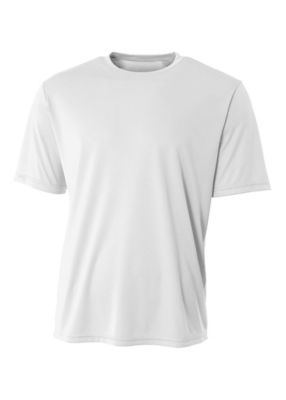
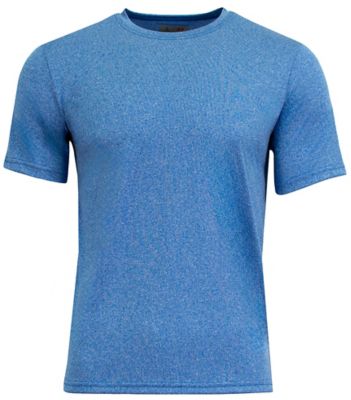
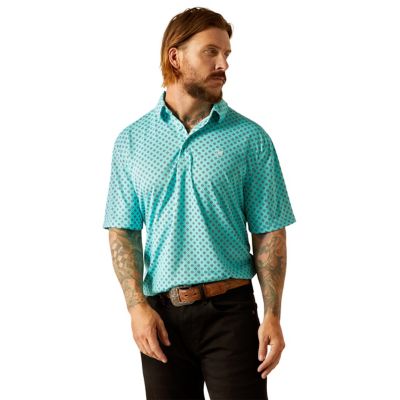
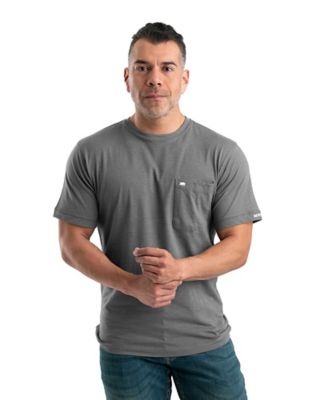
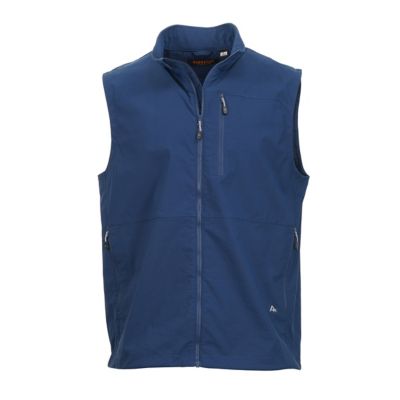
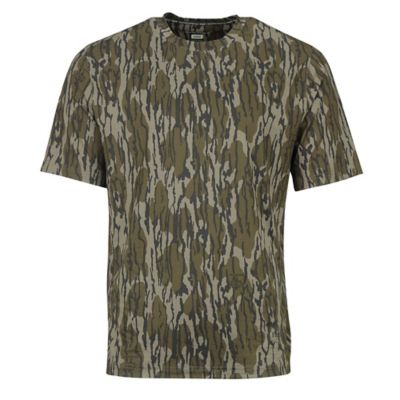
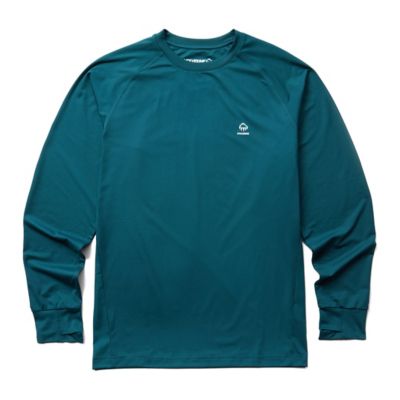
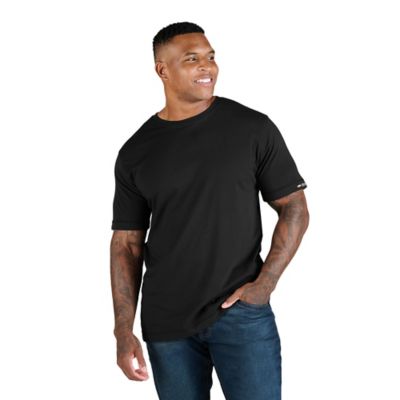
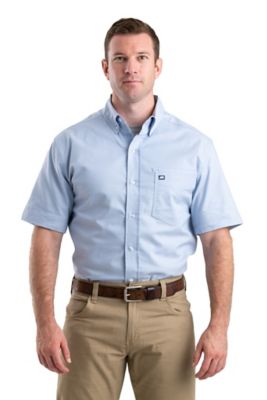
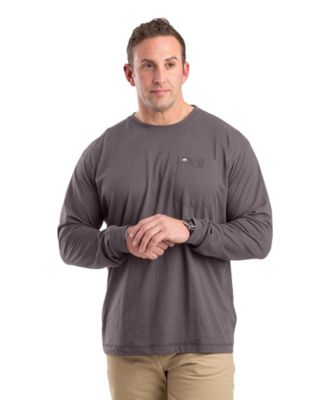
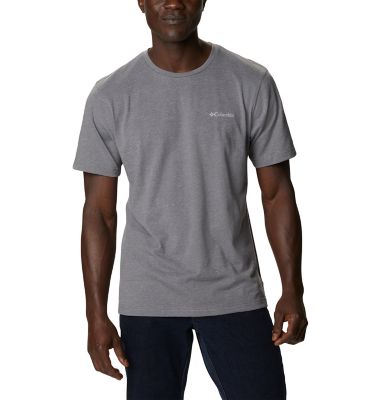
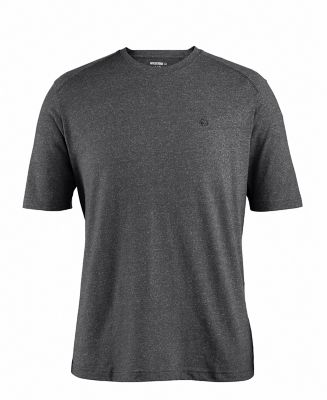
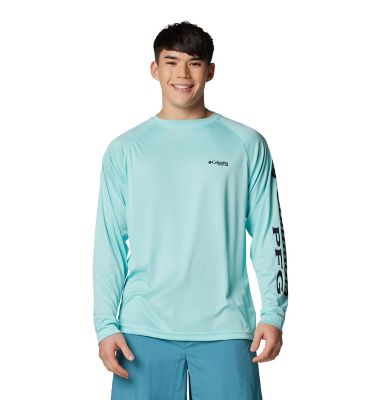
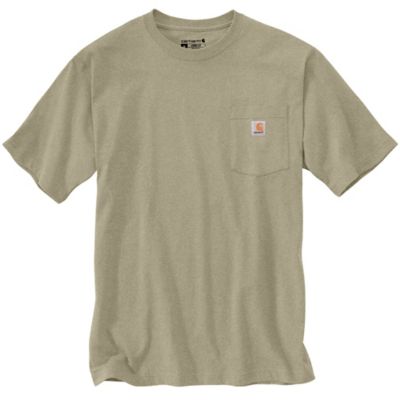
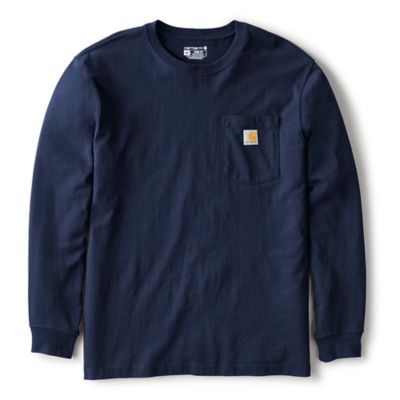
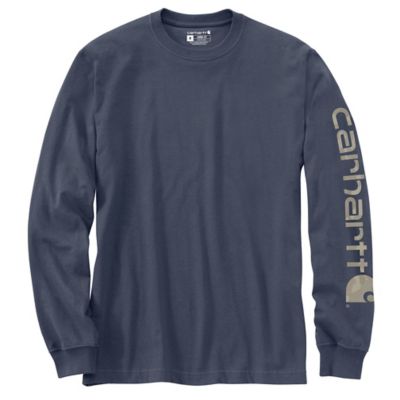
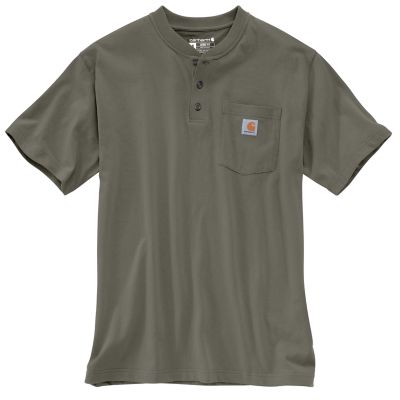
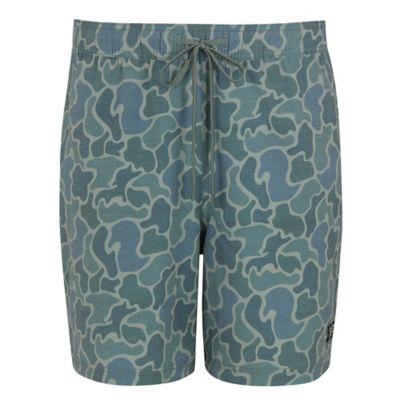
Moisture-wicking clothing for men moves sweat away from the skin and spreads it across the fabric so it can evaporate more readily. That makes it a practical choice for chores, physical work, exercise and everyday wear that involves plenty of moving around. Whether the day means stacking feed bags, walking fence lines or fitting in a workout after work, managing perspiration can help cut down on that damp, clingy feeling. Polyester and nylon are common materials in men’s moisture-wicking clothes because they absorb relatively little water and can be made into fabrics that transport moisture through small spaces between fibers. The knit or weave matters, too: two garments with similar fiber content can feel different against the skin and handle sweat differently. Some fabrics have a wicking finish, while others get much of their moisture-moving performance from their fiber and fabric construction. Merino wool is another option, especially in next-to-skin layers, thanks to its ability to absorb moisture vapor and manage moisture during wear. Blends may add stretch, softness or a more familiar everyday feel. Cotton-rich fabric can feel comfortable, but it generally holds more moisture and takes longer to dry than many synthetic performance fabrics. A moisture-wicking label does not mean a garment is waterproof, and quick-drying and moisture-wicking describe related but different features. Wicking moves moisture through the fabric; drying describes how readily that moisture leaves it. Neither feature guarantees a completely dry shirt during hard work. Fabric weight, airflow, fit and the amount of perspiration all affect how clothing feels. For men who go from a tractor seat to lifting, carrying and walking, those details matter more than a performance label alone. The right combination helps clothing feel less distracting through a full day of activity without requiring an athletic look for every task.
Fit makes a real difference in how men’s moisture-wicking clothing wears, especially when a job calls for reaching overhead, kneeling beside equipment or bending to latch a gate. Next-to-skin layers generally need enough contact with the body to pick up perspiration, but they should not pinch under the arms or pull across the shoulders. A closer fit is not necessarily a compression fit, and extra tightness can make a long day uncomfortable. Relaxed styles leave more room to move and may suit men who prefer an easy everyday cut. A little stretch can help at the elbows, seat and knees, while fabric recovery helps a garment return to shape after movement. Shoulder construction, sleeve shape and underarm panels can affect reach just as much as the size on the tag. Longer hems can help a shirt stay tucked when lifting or stretching, while an untucked style needs enough coverage without getting in the way. Necklines, waistbands and seams deserve attention wherever clothing sits beneath a belt, shoulder strap or another layer. Flat seams and smooth labels can reduce rubbing, though comfort still depends on the wearer and the task. Breathable panels can help moisture escape, but open mesh may not suit work around brush or rough surfaces. Lightweight fabric is easy to move in, while more substantial fabric may provide the coverage and substance wanted for frequent contact with equipment, fencing or barn surfaces. Reinforced areas and secure stitching are worth considering for repeated kneeling and carrying. Moisture management alone does not provide protection from sparks, flame, chemicals or machinery hazards; jobs with those risks call for clothing rated for the task. A good everyday fit also leaves room for the movements that happen outside work, from climbing a trail to loading a truck. For layering, smooth fabrics and manageable seams help garments sit comfortably together instead of bunching at the waist or binding through the sleeves.
Care helps moisture-wicking fabrics keep doing their job, and the garment’s care label is the best starting point. Washing requirements vary with fiber blends, finishes and construction, so clothing that looks similar may need different treatment. Fabric softener and dryer sheets can leave a coating that interferes with moisture movement; many performance garments call for skipping both. The recommended amount of detergent matters as well, since excess detergent can leave residue rather than make clothing cleaner. Turning garments inside out can help expose the surfaces that collect sweat and body oils, and closing zippers or other fasteners helps limit snagging in the wash. Separating smooth knits from abrasive workwear can also reduce unnecessary wear. Clothing worn for a sweaty chore is better spread out to dry before laundry day than left bunched in a closed gym bag or hamper. Prompt washing helps remove the buildup that can hold odors, especially in synthetic fabrics. Some garments include odor-control treatments, but those features do not replace regular cleaning. Follow label directions for drying, particularly with stretch blends, since excessive dryer heat can affect elastic fibers and certain finishes. Small details such as secure hems, snag-resistant construction and fabric that keeps its shape after washing can make clothing easier to live with over repeated wear. Intended use is still the main consideration: a smooth layer for long hours of movement may feel different from something chosen for brushy chores or a weight-room session. Men who switch between farm work, trades, walking and recreation may appreciate different fits for different parts of the day rather than one style for everything. Moisture-wicking clothing can also make a practical gift for a dad, brother, partner or friend who spends plenty of time on his feet. Familiar sizing, preferred sleeve length and the way he normally dresses are better starting points than guessing at a new look. For another member of the household,
Moisture Wicking Clothes For Women offers a related clothing category centered on the same everyday need: managing sweat while staying comfortable enough to keep moving.