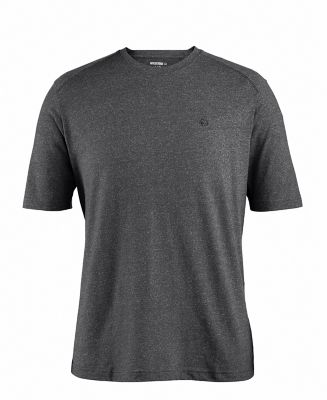
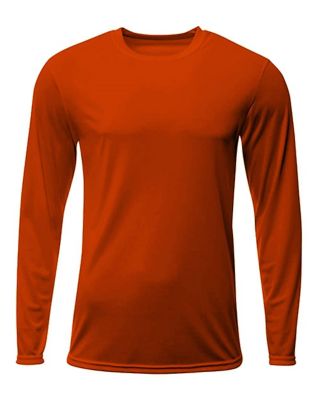
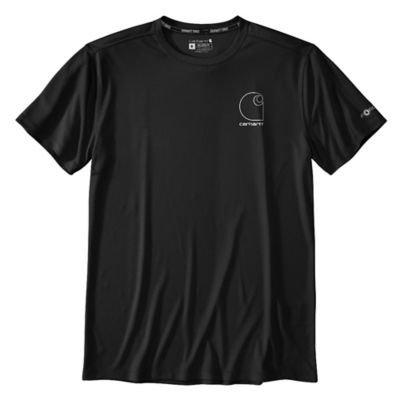
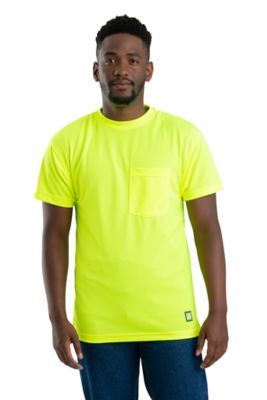
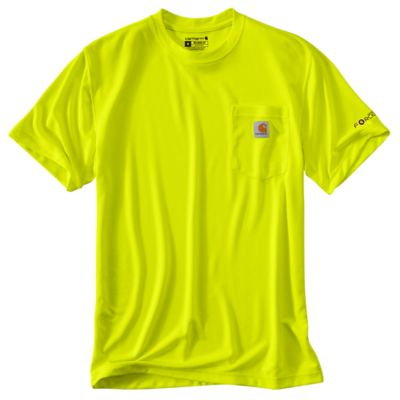
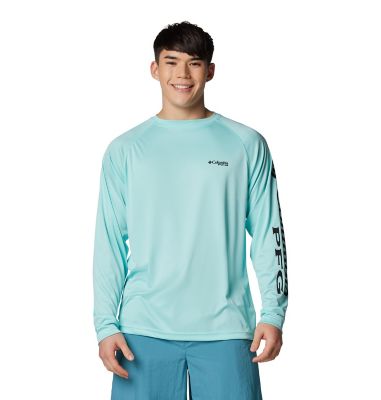
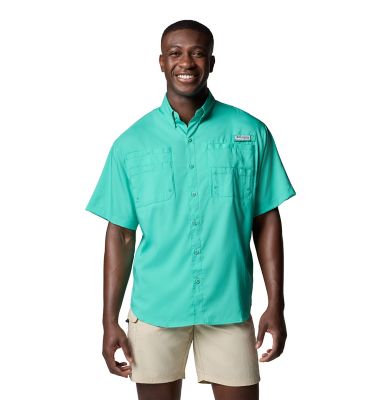
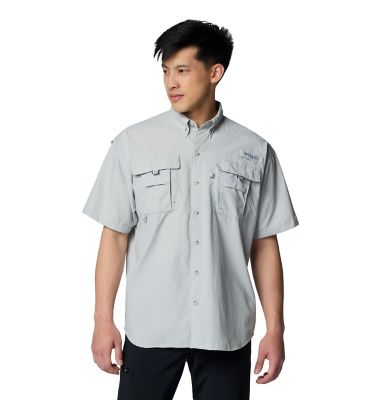
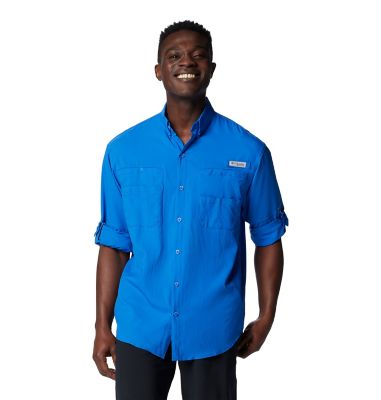
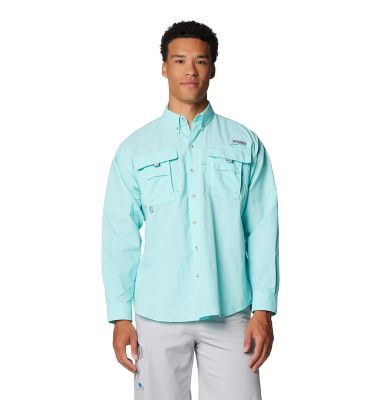
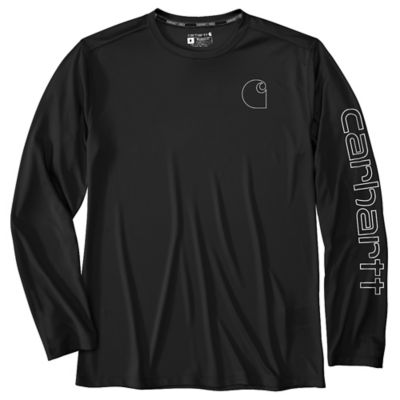
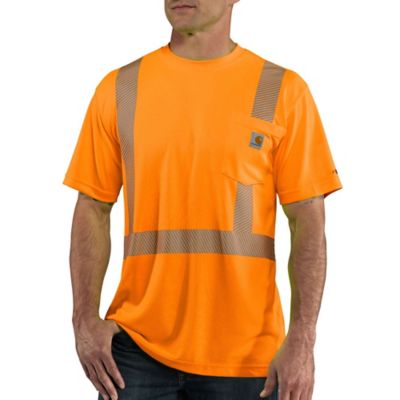
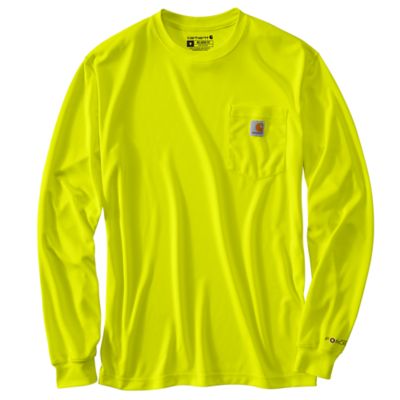
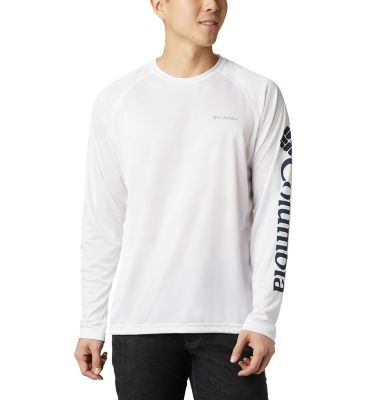
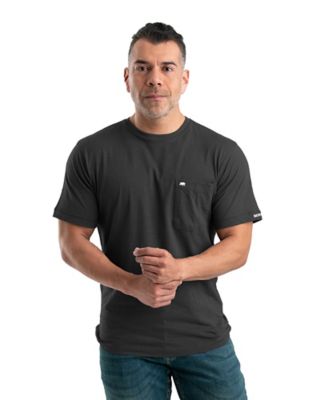
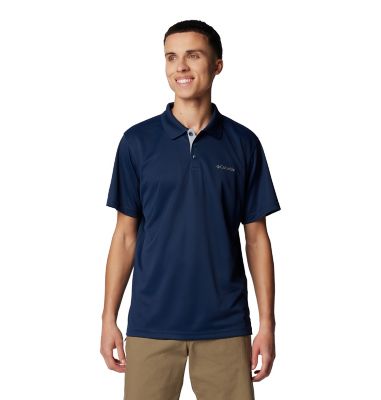
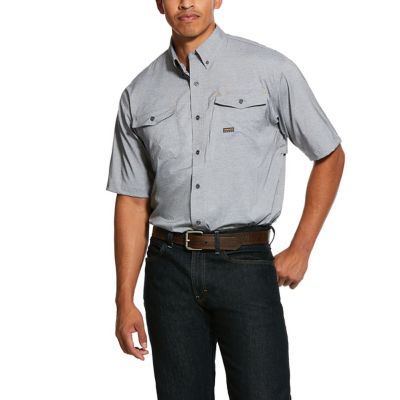
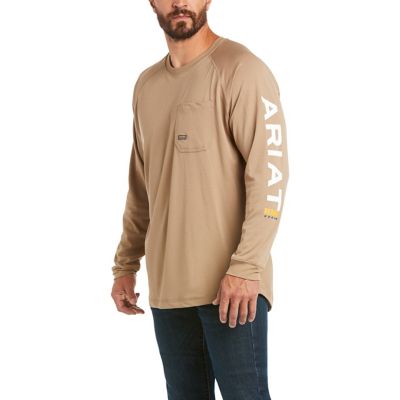
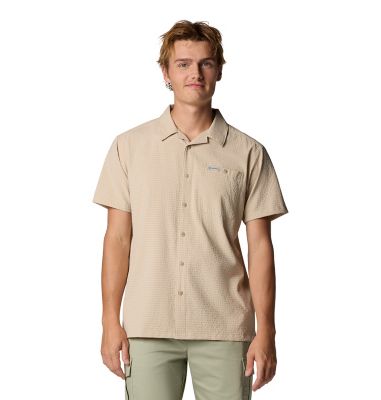
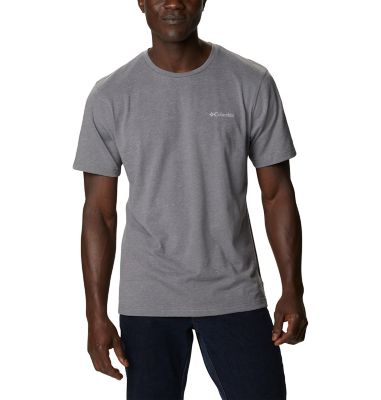
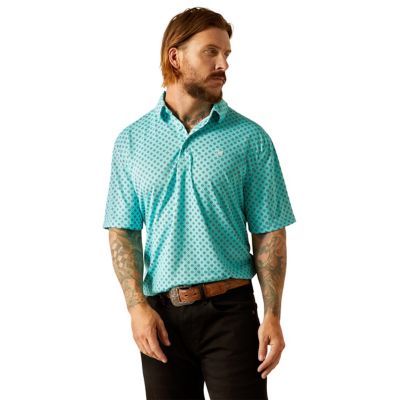
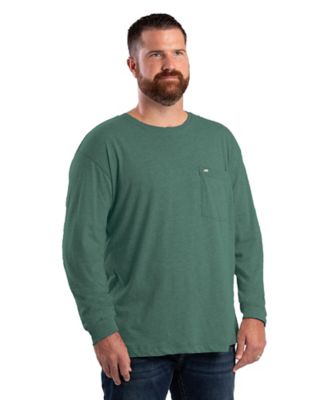
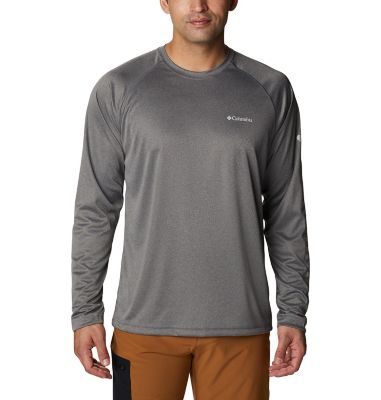
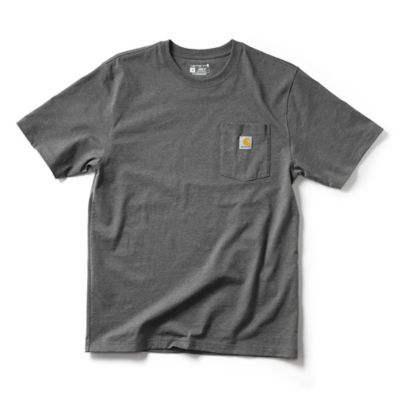
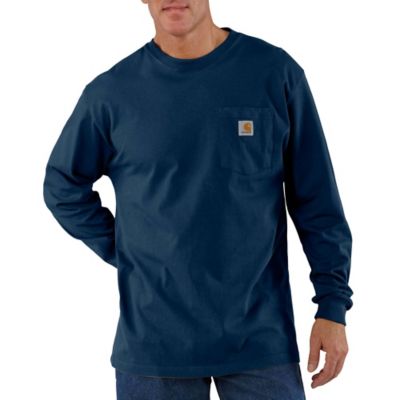
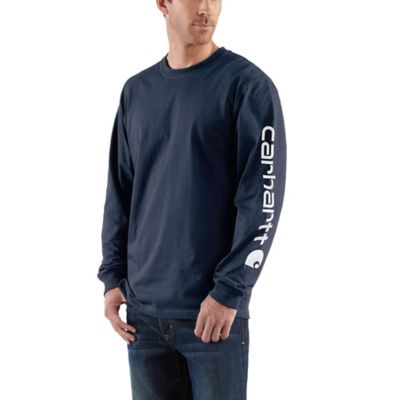
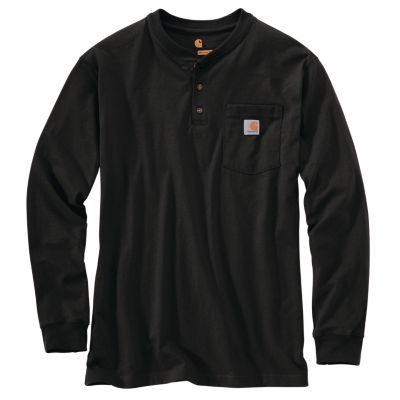
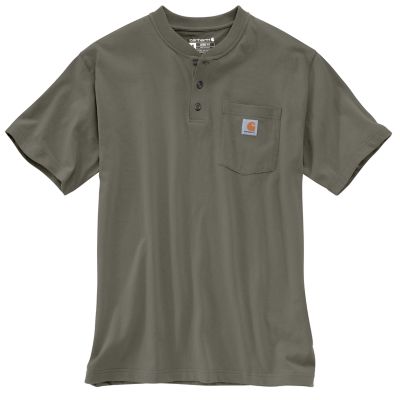
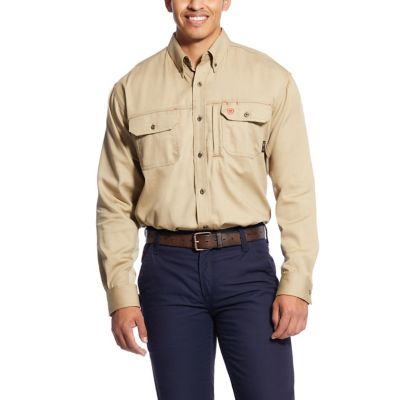
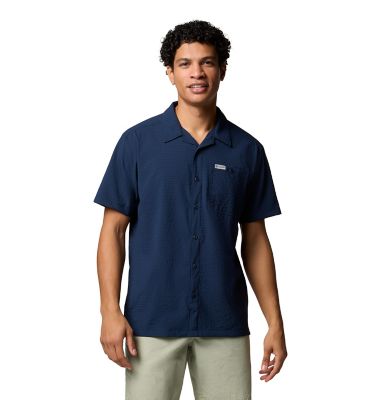
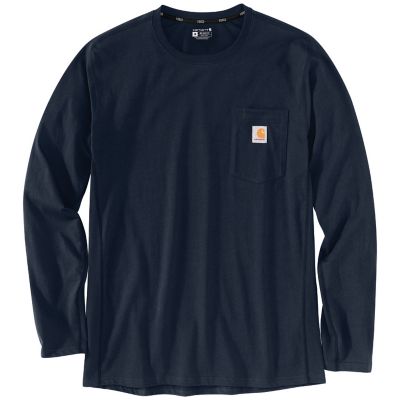
Men’s moisture-wicking shirts help move sweat away from the skin and spread it across the fabric’s outer surface, where it can evaporate. That makes them a practical choice for men whose days involve lifting feed bags, walking fence lines, stacking hay or getting a workout in after chores. Wicking and quick drying are related, but they aren’t quite the same thing: wicking describes how moisture travels through fabric, while drying speed describes how quickly that moisture leaves it. A shirt’s fibers, knit construction, weight and finish all play a part in how it handles sweat. Polyester is common in men’s performance shirts because it absorbs little moisture into the fiber itself and works well in fabrics engineered to move perspiration. Nylon offers a smooth feel and can provide good resistance to abrasion, while a touch of spandex adds stretch for reaching, bending and twisting. Some blends include cotton for a familiar feel, though their moisture handling depends on the blend and construction rather than the fiber name alone. Merino wool blends offer another approach, absorbing moisture vapor and helping manage odor, with care requirements that may differ from synthetic shirts. Lightweight knits generally feel less substantial against the body, while heavier fabrics offer more coverage and structure. Neither fabric weight nor softness alone tells the whole story about sweat management. Breathability matters, too, because air needs a path through the material to help moisture escape. Mesh panels and more open knit sections can improve airflow in areas where perspiration builds, such as the back and underarms. No shirt stops sweating, and even a wicking fabric can become damp during hard work. Its value lies in moving moisture rather than letting it collect in one spot against the skin. From plain crewneck tees to collared performance shirts, the category brings that function into familiar styles suited to work, exercise and everyday wear.
Fit makes a real difference in how a moisture-wicking shirt feels through a full day of movement. A close fit allows sweat to reach the fabric readily, but close doesn’t have to mean tight. There should still be room across the shoulders and chest to lift a saddle onto a rack or reach for a shelf without the shirt pulling at the neck. Athletic cuts often narrow through the waist, while relaxed cuts leave more room through the torso. Stretch fabric can make a closer silhouette easier to move in, but the right size still matters; stretched-out seams and a hem that constantly rides up are signs that the cut may not suit the job. For a shirt worn beneath a button-front work shirt, a smooth, less bulky shape helps keep fabric from bunching at the waist and underarms. Wicking fabric performs best as part of a clothing combination that lets moisture continue moving outward, rather than trapping it beneath a layer that restricts airflow. As an outer shirt, a little more ease may feel better for daily chores or trips into town. Short sleeves leave the forearms clear, while long sleeves offer more coverage and can slide beneath other work layers. Sleeve length by itself doesn’t establish sun protection; that calls for a stated UPF rating. Shirt length deserves attention as well, particularly for men who spend time crouching beside equipment or reaching overhead. A longer hem can help maintain coverage, and a tuckable cut may stay put better during repeated bending. Flat seams, soft neck binding and tag-free labels can reduce rubbing, especially beneath overall straps or a loaded shoulder strap. Raglan sleeves and underarm gussets can add freedom where conventional seams sometimes pull. Pockets offer a handy place for small essentials, though their placement and contents can affect comfort during active work. Around moving equipment, loose sleeves, hanging hems and unsecured pocket contents require extra caution. Everyday performance clothing is not a substitute for required protective workwear.
How a shirt holds up depends on its construction, the work it sees and the way it’s washed. Repeated contact with rough lumber, hook-and-loop fasteners or a tool belt can cause snags and pilling, especially in fine, lightweight knits. Reinforced seams and fabric with good abrasion resistance may better suit frequent chores, while a softer, lighter shirt may be a better match for walking, lifting weights or wearing beneath another layer. Smooth fabric isn’t automatically snag resistant, and stretch alone doesn’t establish strength. Care labels provide the best direction for washing and drying because moisture-moving finishes, wool blends and elastic fibers can have different needs. Fabric softeners and dryer sheets can leave a coating that interferes with moisture movement, so they’re often best left out of the laundry routine for performance clothing. Washing shirts with similar fabrics, rather than with rough hardware or open fasteners, helps limit surface wear. Turning them inside out can reduce rubbing on the outer face, and avoiding more detergent than needed helps prevent residue. Drying settings should follow the label; excessive dryer heat can shorten the life of stretch fibers and affect some finishes. Sweat-soaked shirts also benefit from drying out before spending much time in a hamper. Odor-control treatments, when stated on a garment, are a separate feature from moisture wicking and don’t replace regular washing. These practical details matter whether the shirt is headed for the barn, a landscaping job, the gym or a long walk with the dog. For exercise and other active routines,
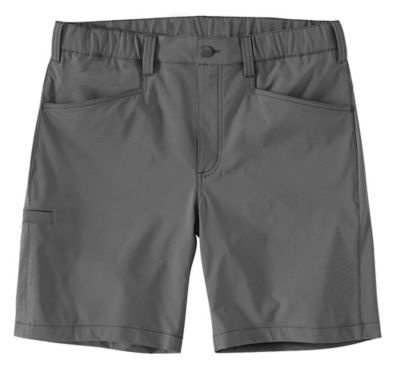
Men's Moisture Wicking Shorts offer a natural pairing without adding an extra layer at the waist. Shirts in this category can also make useful gifts for a father, brother or friend who spends plenty of time on his feet. Matching his usual sleeve length, preferred fit and everyday activities is more helpful than choosing by appearance alone. A shirt that moves comfortably, handles perspiration and fits into an established laundry routine has a good chance of becoming part of the regular rotation.