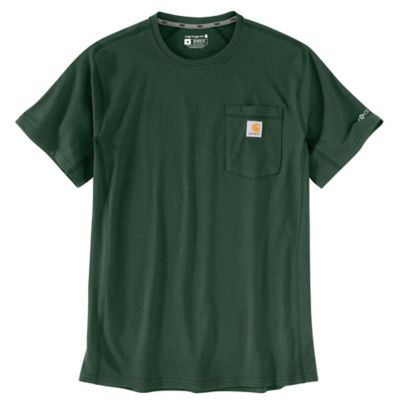
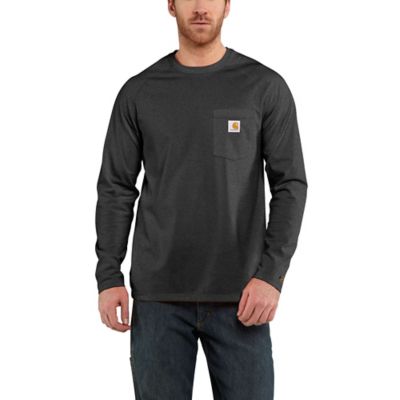
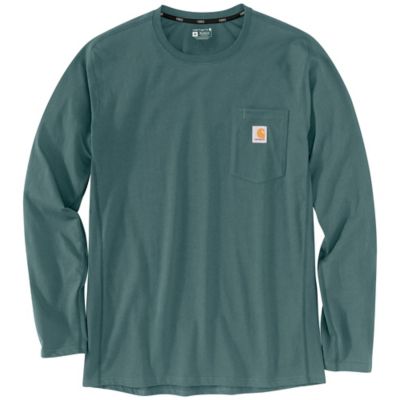
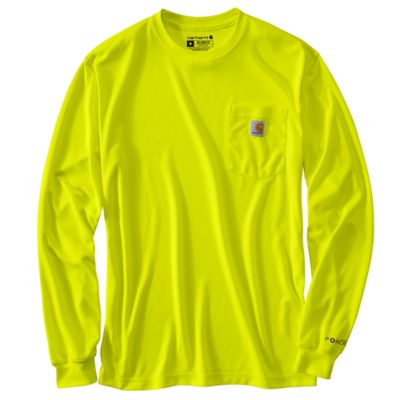
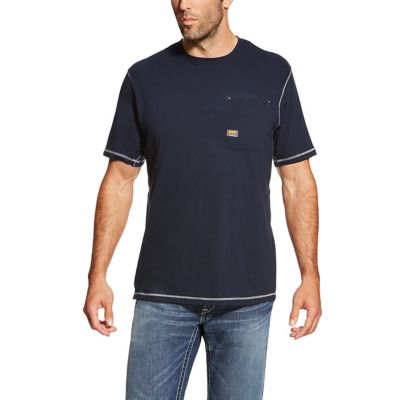
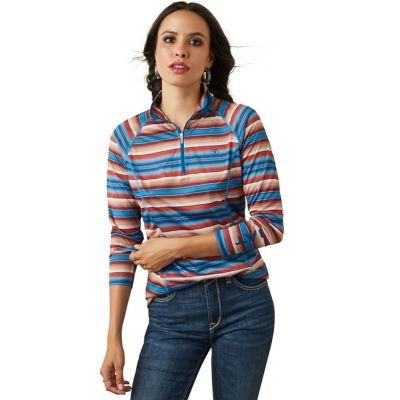
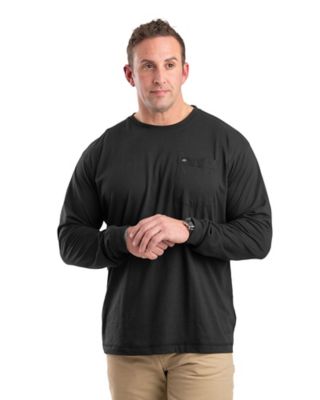
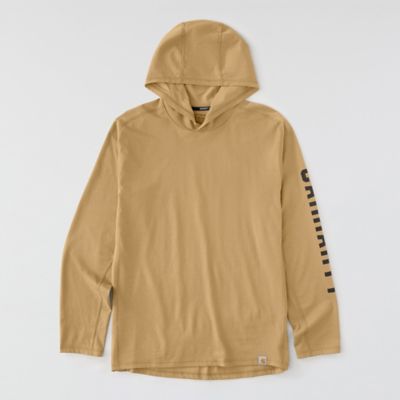
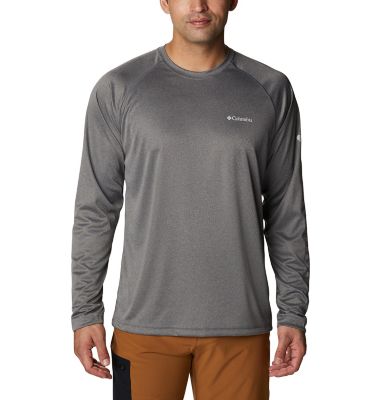
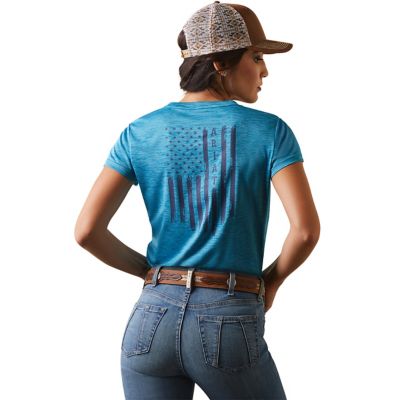
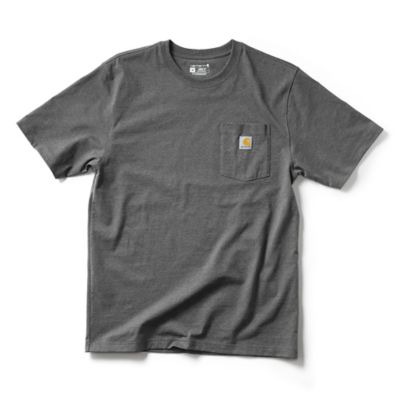
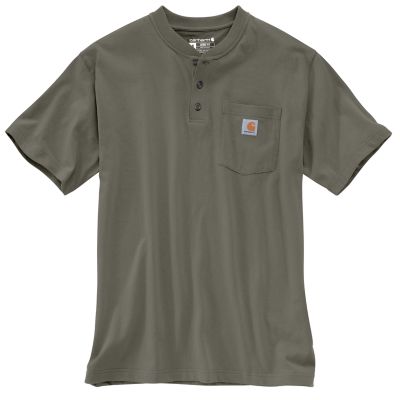
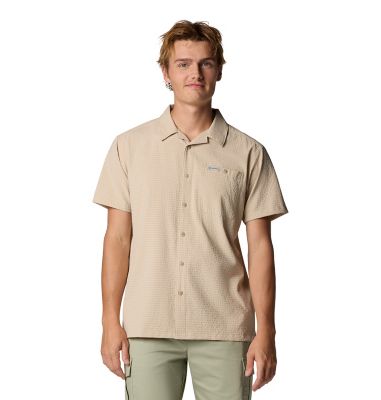
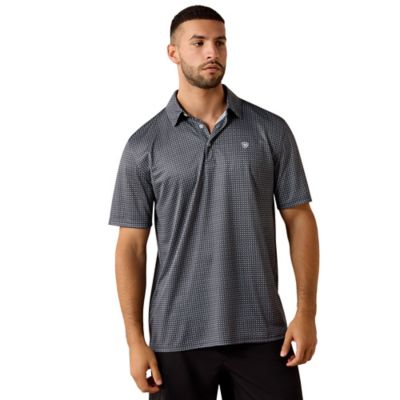
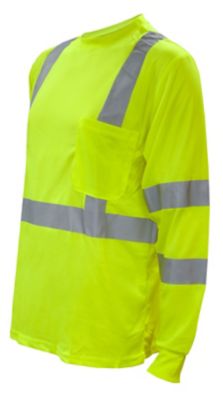
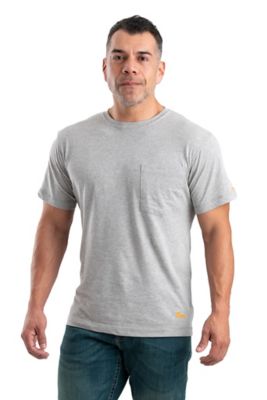
Moisture-wicking workout shirts move sweat away from the skin and spread it across the fabric’s outer surface, where it can evaporate. That moisture movement helps reduce the damp, clingy feeling that can build up during exercise, whether the day’s workout means lifting weights, walking the back roads, or putting in miles on a treadmill. Wicking is different from simply soaking up sweat: an absorbent shirt may hold moisture against the body, while a wicking fabric helps carry it outward. Quick drying is a related benefit, though drying speed depends on the fabric, shirt construction, airflow, and how much sweat the material takes on. No shirt can promise to stay dry through every hard session, but the right fabric can make a noticeable difference in how comfortable it feels once the work gets going. Polyester is common in athletic shirts because it absorbs little moisture into the fibers and can be engineered to move sweat through the fabric. Nylon blends often bring a smooth feel and resistance to abrasion, while a little elastane adds stretch for reaching, bending, and lifting. Merino wool blends offer another option, with moisture management and natural odor resistance that vary with the blend and construction. Cotton blends can have a familiar, soft feel, but their wicking and drying performance depends on the full fabric makeup; a high cotton content alone does not indicate that a shirt will move sweat well. Fabric weight matters, too. A light knit can feel barely there during a long walk, while a more substantial knit may provide the coverage and structure someone prefers for strength training. Breathability, moisture wicking, and odor control describe different characteristics, so it helps to look at each feature separately rather than treating them as interchangeable. A shirt that moves sweat well may not have an odor-control treatment, and a breathable fabric does not necessarily offer the same drying speed as another athletic knit.
Fit makes just as much difference as fabric when a workout involves more than standing still. A moisture-wicking workout shirt should leave enough room for the movements it needs to handle without bunching under the arms, pulling across the shoulders, or twisting around the waist. A close athletic fit can limit excess fabric during running and circuit training, while a relaxed cut gives more room through the chest and middle for walking, stretching, or a less fitted feel. Neither needs to squeeze or restrict a full breath. Stretch is especially helpful when reaching overhead, settling into a squat, or pulling a rowing handle toward the ribs. The fabric should recover its shape instead of staying stretched out at the elbows or hem. Shirt length deserves attention as well: a longer hem can provide coverage through bends and reaches, while a shorter cut may feel less cumbersome with higher-rise workout bottoms. Sleeve shape, armhole placement, and shoulder seams all affect freedom of movement, particularly during presses or repeated arm swings. Smooth seams and soft bindings can help reduce rubbing, though comfort still depends on fit and the length of the workout. Mesh panels or more open knit sections can encourage airflow in areas that tend to collect sweat. Crew necks offer familiar coverage, while other neckline shapes may feel less restrictive around the throat; the best choice is the one that stays comfortable without needing constant adjustment. A shirt that feels fine for a few minutes may behave differently through a full set of lifts or several miles of walking. For anyone putting together a coordinated exercise outfit,
Moisture Wicking Clothes For Women offers a related category to consider alongside workout shirts. Across any outfit, waistbands, shoulder straps, and layers should sit comfortably together so the shirt can move without gathering in a thick fold.
Construction and care both play a part in how a workout shirt holds up to repeated wear. Even stitching, secure hems, and fabric that springs back after stretching are worth considering for a shirt headed into a regular rotation. Repeated contact with a weight bench, backpack straps, or rough surfaces can cause pilling or snags, especially in lighter knits, so matching the fabric to the activity matters. A smooth, lightweight shirt may suit a treadmill session, while a more substantial fabric may feel better for a workout that includes carrying equipment or moving between the gym and everyday chores. Moisture-wicking workout shirts can fit into a routine that starts with exercise and carries on to feeding animals, hauling groceries, or tackling the next job around the place, though athletic fabric is not a substitute for protective work clothing. Keeping the shirt’s performance in good shape starts with its care label. Washing instructions vary by fiber blend, stretch content, finishes, and any printed details. Fabric softeners can leave residue that interferes with moisture movement, so avoiding them is often recommended for performance fabrics. Letting a sweaty shirt dry before it sits in a laundry basket can help keep trapped dampness from lingering, and washing it promptly helps remove body oils and sweat residue. Fastening zippers on other garments and keeping rough hook-and-loop closures away from athletic knits can reduce snagging in the wash. Follow the label for drying, since excessive dryer heat can affect elastic fibers and some finishes. Shirts like these make practical choices for regular gym-goers, walkers, runners, and folks building an exercise habit around a busy workday. As a gift, a familiar size and preferred fit are more useful than guessing at an entirely different style. A favorite sleeve length, a neckline that feels comfortable, and a fabric suited to the recipient’s routine can turn a workout shirt into something that earns its place in the weekly laundry pile.