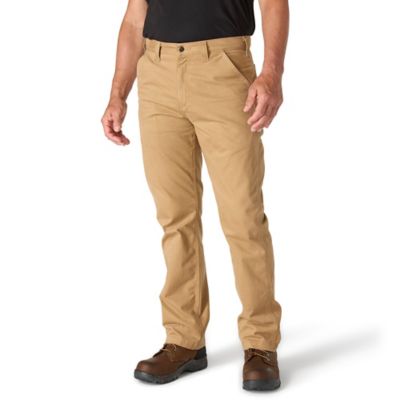
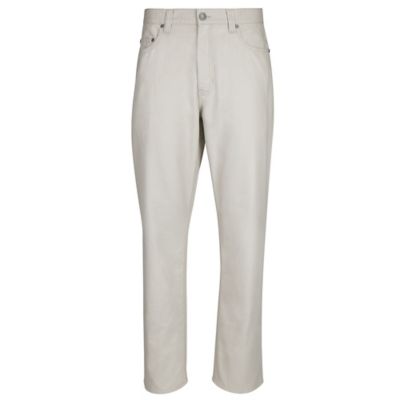
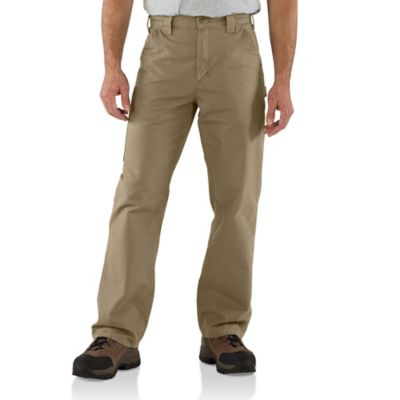
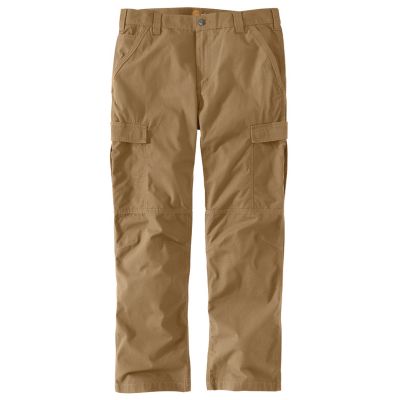
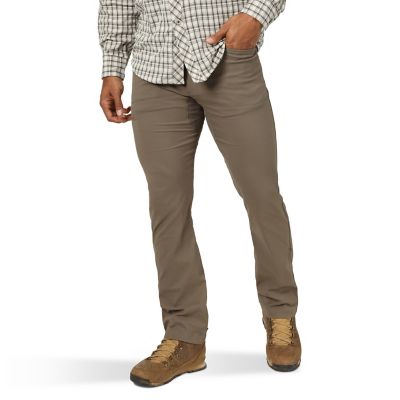
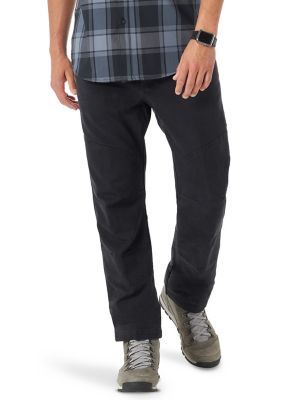
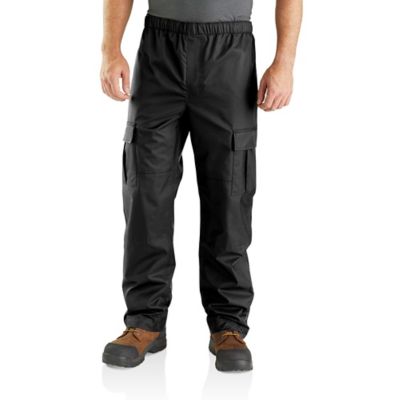
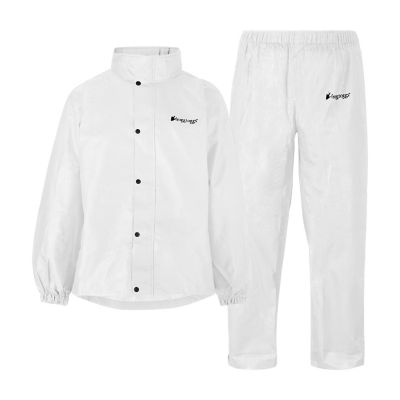
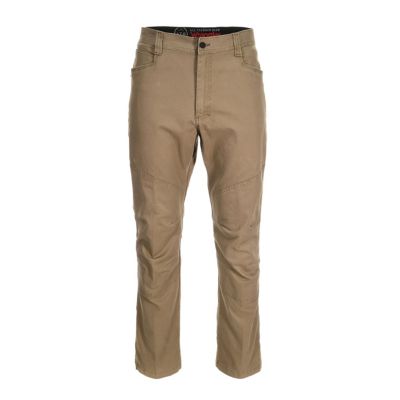
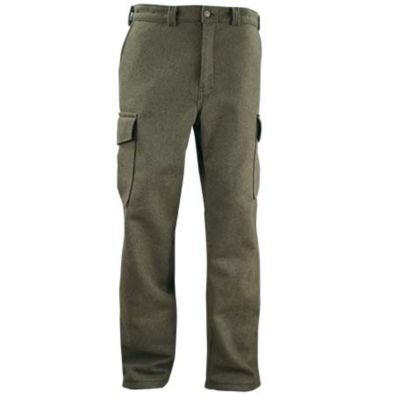
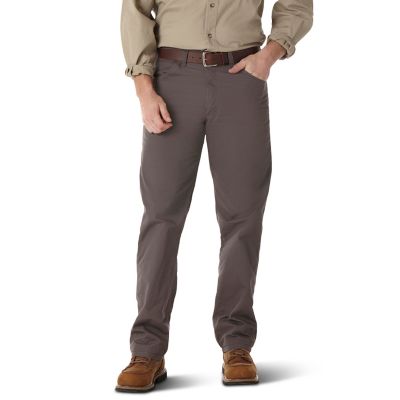
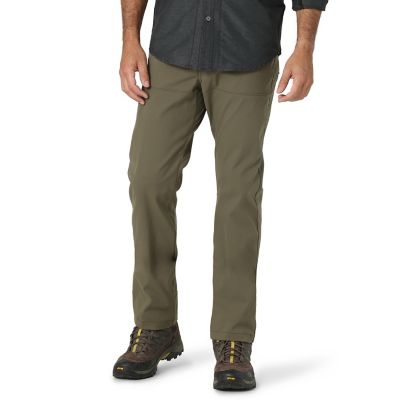
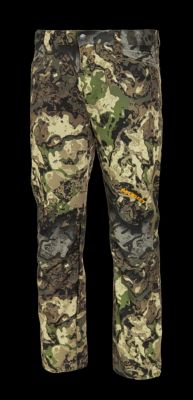
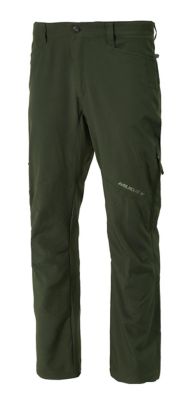
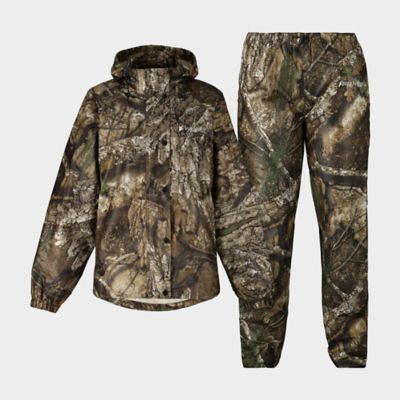
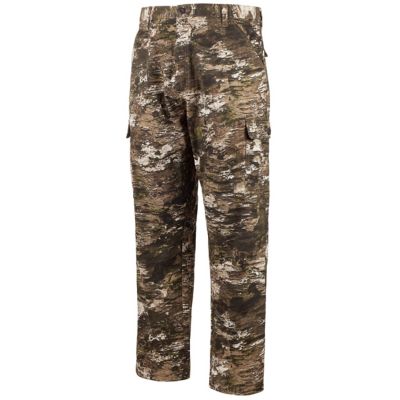
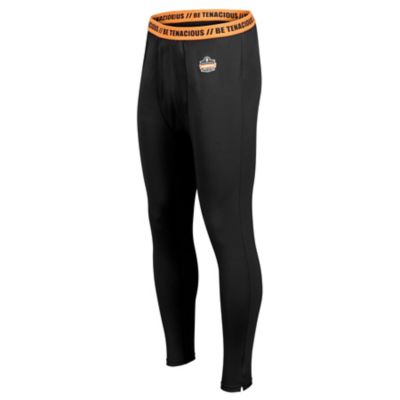
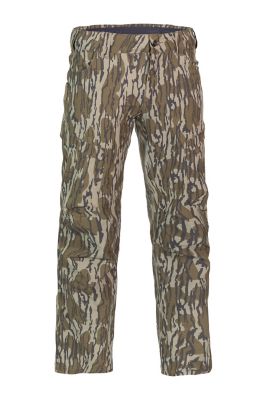
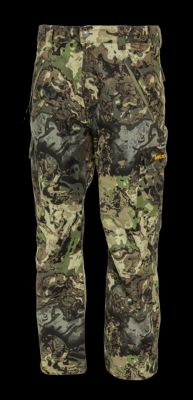
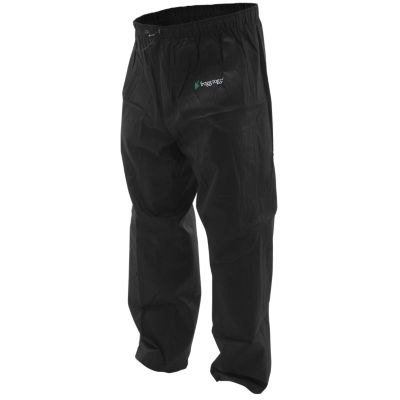
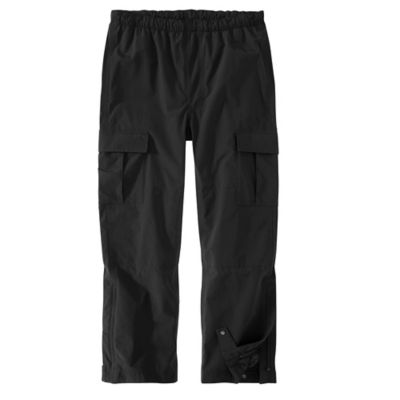
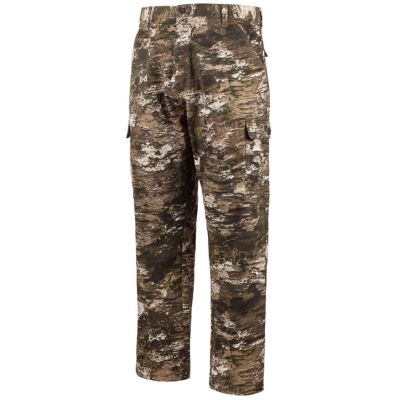
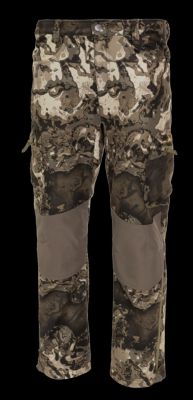
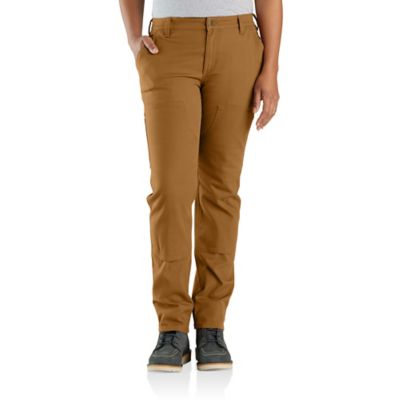
Men’s lightweight hiking pants are built for moving comfortably over changing ground, whether the day calls for a steady climb through the woods, a walk along a gravel trail, or a few hours of work around the property. Compared with heavier work pants, lightweight hiking pants generally use thinner, more flexible fabrics that help reduce bulk without giving up useful coverage. Look for breathable materials that let heat escape during a long uphill stretch, along with four-way stretch that makes it easier to step over roots, kneel beside a camp stove or climb into a truck. Quick-drying fabric is another practical feature, especially when morning dew, a light shower or sweat from a warm hike is part of the plan. A pair that dries out without staying damp can be more comfortable on a multi-day camping trip and easier to wear again after washing. Water-resistant finishes can help shed light rain and wet brush, though they are not a substitute for rain pants during a steady downpour. If you spend plenty of time in open country, consider sun protection such as a UPF-rated fabric. That extra coverage is handy on exposed trails, pasture lanes and long stretches of road where shade is hard to find. As the weather shifts toward cooler months, lightweight pants can also work well as a foundation layer under insulated over-pants, giving you more flexibility than a thick pair that only feels comfortable in one temperature range.
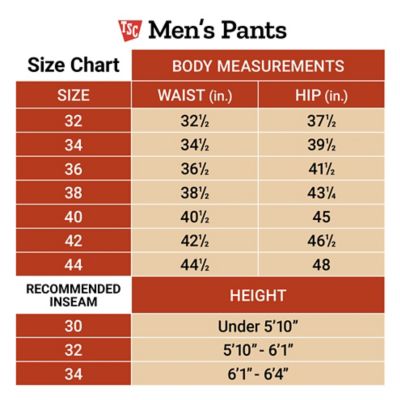
Fit matters just as much as fabric. Hiking pants should sit securely at the waist without pinching when you bend, sit or carry a pack, and the seat and thighs should allow a natural stride. A little room through the legs makes it easier to layer over base layers, while a tapered lower leg can help keep fabric from catching on brush or rubbing against boots. An adjustable waistband, belt loops or a drawcord can make it easier to get a dependable fit when your clothing changes from a T-shirt to a flannel or light jacket. Articulated knees and a gusseted crotch are useful details for scrambling over rocks, crouching to tend a fire or handling chores at ground level. Pay attention to pocket placement, too. Hand pockets should be deep enough for a phone or small trail map, while zippered pockets help keep keys, a wallet or a folding knife from slipping out on uneven ground. Cargo pockets may be useful for carrying small gear, but a streamlined design can feel less bulky when you are wearing a hip belt or sitting behind the wheel. Check the inseam and leg opening against the boots you plan to wear; pants that bunch heavily at the ankle can collect mud, while an opening that is too narrow may not fit comfortably over sturdy footwear. Color and finish are personal choices, but earth tones and darker shades tend to blend easily into everyday outdoor clothing and hide the dust that comes with a full day outside. For colder, wetter outings, pair men’s lightweight hiking pants with moisture-wicking base layers, wool socks and a packable shell. During milder stretches, the same pants can stand on their own for trail walking, fishing, travel, yardwork and casual wear around town.
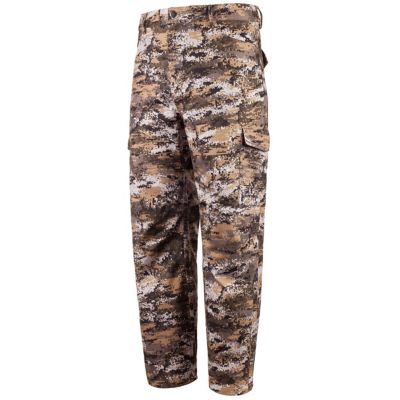
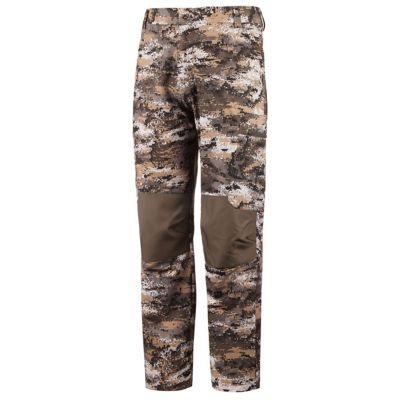
These pants make a practical gift for a man who spends weekends outdoors, enjoys state park trails, travels with a small pack or prefers clothing that can handle more than one job. They are also a useful choice for someone getting ready for a first camping trip, building a more capable work-and-play wardrobe or replacing old jeans that feel too warm and stiff on the trail. Think about how the recipient spends his time before choosing features: a day hiker may value stretch, ventilation and secure pockets, while a camper may put more emphasis on quick-drying fabric and room for a base layer. Someone who moves between the trail and town may prefer a clean, low-bulk design that looks at home with hiking shoes, boots or casual sneakers. Men who spend time in brush, fields or wooded areas may also want to compare lightweight hiking pants with
Lightweight Hunting Pants, especially when quiet movement, extra storage or added protection from rough vegetation is important. Keep the intended use in mind when comparing fabric weight, stretch, weather resistance and pocket design. The best pair is one that disappears into the day: comfortable enough to wear from a cool morning walk through a warm afternoon, tough enough for contact with brush and rock, and versatile enough to pull on for a quick feed-store run afterward. With the right fit and a few well-chosen features, men’s lightweight hiking pants can earn a regular place in the closet for hiking, camping, travel, property work and everyday outdoor life.