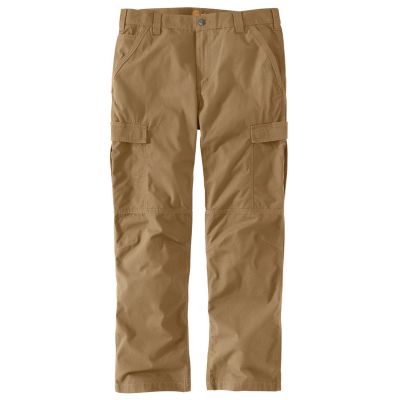
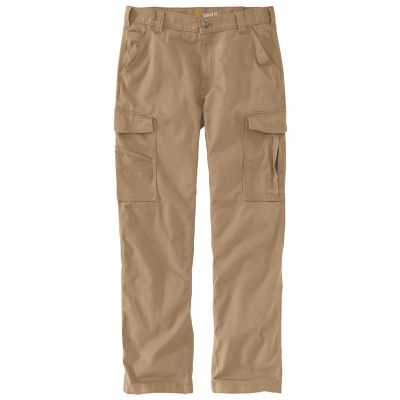
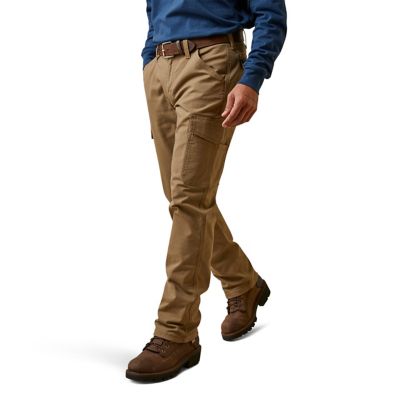
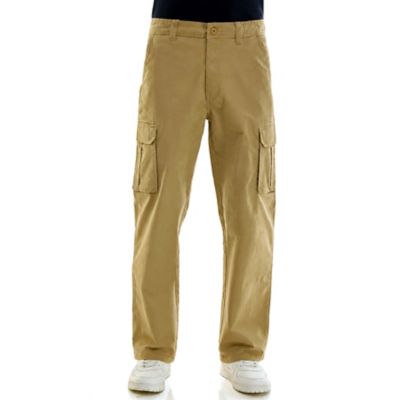
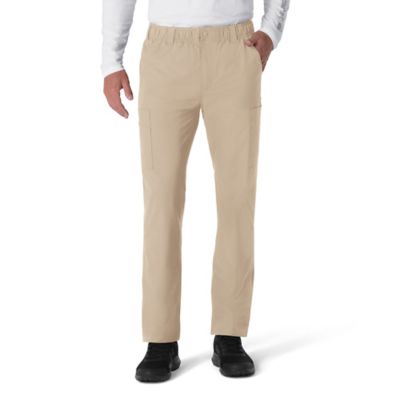
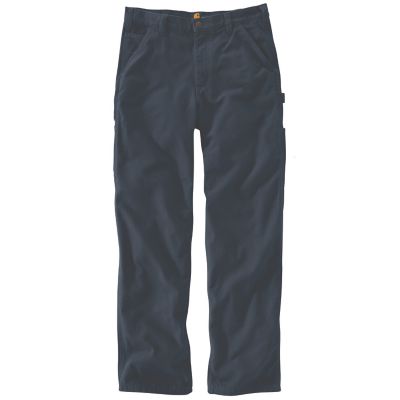
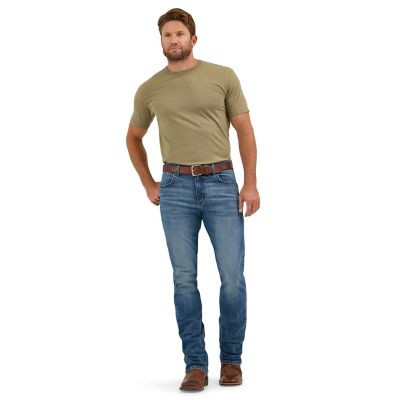
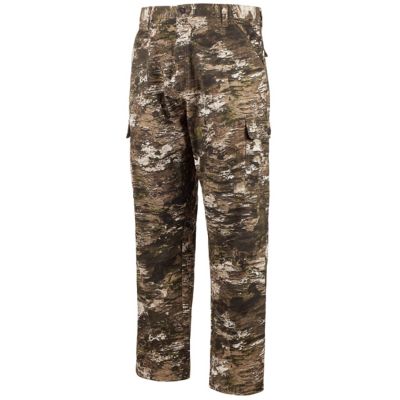
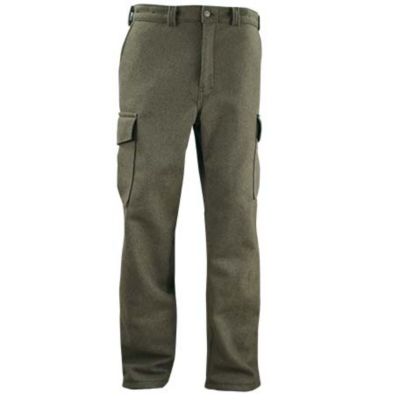
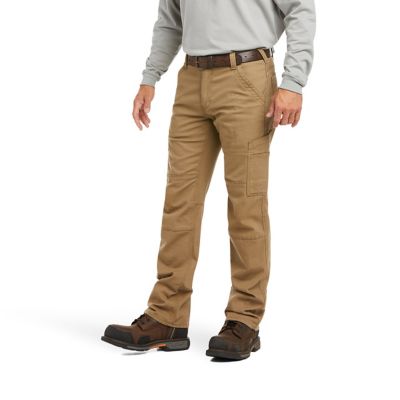
Men's khaki cargo pants combine a tan or light-brown color with utility pockets, giving everyday pants more room for small essentials without turning every errand into a trip back to the truck. Khaki describes the color, while cargo refers to the added pockets, usually positioned along the outer thighs. That combination fits right in with a day spent checking fence lines, organizing the shop, picking up supplies or heading into town after chores. The color works easily with plaid shirts, plain tees and button-down work shirts, while the pocket layout brings a practical touch to a casual outfit. Fit makes a big difference in how those pants feel through a full day. Straight-leg cargo pants generally maintain a fairly even line from the knee down, relaxed fits leave more room through the seat and thighs, and slim fits sit closer to the body. Those labels can vary between makers, so waist, seat, thigh and inseam measurements tell more than the fit name alone. A comfortable waistband should stay put without digging in when sitting in a truck or bending to reach a lower shelf. There should also be enough room across the seat to squat without the fabric pulling hard at the seams. Rise matters here, too: a waistband that sits comfortably while standing may feel different once seated. For men who wear work boots, the leg opening needs enough room to fall over the boot shaft rather than bunching above it. Hem length deserves the same attention. Excess fabric dragging under a heel wears down quickly, while a shorter inseam can pull noticeably higher when sitting or stepping up. The best everyday fit balances room to move with a shape that does not leave extra fabric flapping around the legs. Someone moving between a workbench and a driver's seat may prefer a different cut than someone who mostly wears cargo pants for errands and laid-back outings.
Fabric and construction help determine which men's khaki cargo pants suit a particular routine. Cotton twill has diagonal ribs and a familiar feel that works well for everyday wear, while canvas generally has a firmer, more substantial hand. Fabric weight matters as much as the fiber name: a heavier material can stand up well to repeated contact with rough surfaces, but it may also feel stiffer when bending or kneeling. Lighter fabrics tend to drape more easily, though weight alone does not tell the whole story about how pants will wear. Cotton blends can bring together the feel of cotton with other performance traits, depending on the fibers and construction. A small amount of stretch fiber can help fabric give through the hips and knees when climbing onto equipment or crouching beside a feed bin. Stretch is not a replacement for proper sizing, though; pants that start out too tight can still bind across the thighs or strain at pocket corners. Reinforced stitching, bar tacks at stress points and added fabric at the knees are details worth considering for hands-on work. An articulated knee or a gusseted crotch can also create more freedom of movement without requiring an oversized fit. Pocket design deserves just as much attention as pocket count. A deep cargo pocket may hold a phone securely, but its placement should not make the phone bump against the knee with every step. Flaps, buttons, snaps and hook-and-loop closures offer different ways to keep contents from slipping out while bending or sitting. Lower-profile pockets sit flatter against the leg, while expandable pockets provide extra space when needed. Keeping heavier objects out of the thigh pockets helps prevent sagging and an uneven pull on the waistband. For work around machinery, follow workplace clothing requirements and keep loose fabric and protruding pocket contents clear of moving parts.
Care habits have a lot to do with how khaki cargo pants look and feel after repeated wear. Start with the care label, since cotton content, stretch fibers, fabric finishes and construction can call for different washing and drying methods. Empty every pocket before laundering, including the small compartments that can hide a screw, folded receipt or pencil. Close fasteners as directed and separate pants from garments that could transfer dye. Loose dirt is easier to brush away before it gets worked deeper into the fabric, and grease spots deserve prompt attention with a treatment suited to the material. Scrubbing one small area too aggressively can leave a lighter patch, especially on a solid khaki color. Washing in the recommended water temperature and avoiding more dryer heat than the label allows can help limit shrinkage and unnecessary stress on stretch fibers. Remove pants promptly after drying and smooth the legs and pocket flaps if a neater finish matters for errands or casual gatherings. A little fading and softening may become part of the character of frequently worn cotton pants, but fraying hems, loose pocket stitching and damaged closures are worth checking before the next busy day. Cargo styles fit naturally into a clothing rotation alongside
Men's Khaki Work Pants, with the choice often coming down to pocket needs, fabric feel and the amount of movement a task requires. For farmers, ranch hands, maintenance workers and men who spend their off-hours fixing things around the place, that balance can matter more than a particular silhouette. Khaki cargo pants can also make a practical gift for someone who reaches for useful clothing day after day. Knowing the recipient's waist size, inseam and preferred fit is more helpful than guessing from another pair's appearance. A familiar cut with pockets that suit his habits is likely to earn more wear than an unfamiliar style chosen only for looks. Whether the day calls for chores, a long drive or a stop at the feed store, comfortable movement and sensible storage keep the choice grounded in everyday needs.