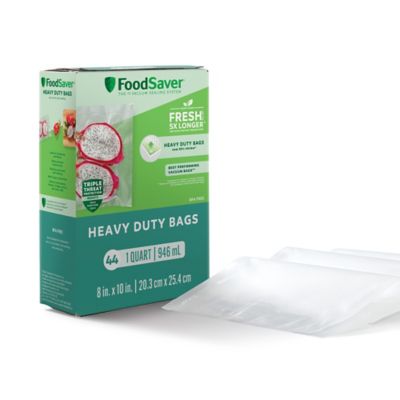
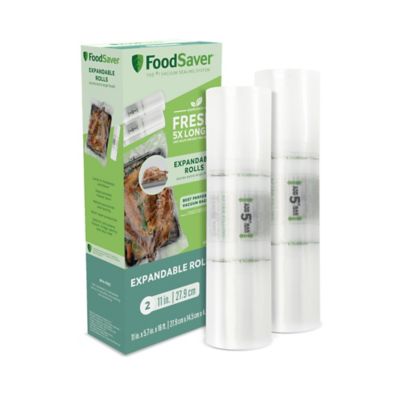
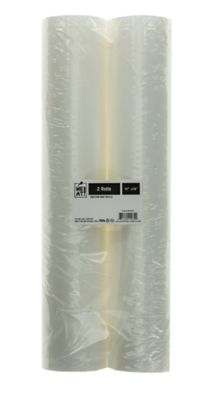
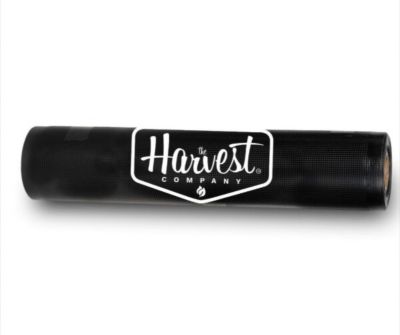
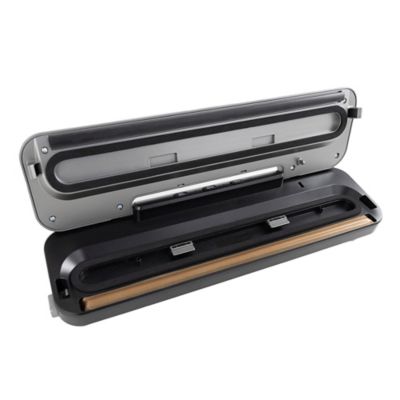
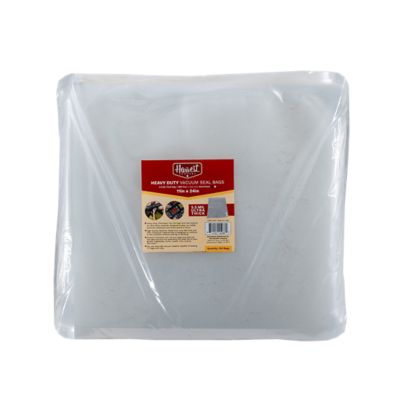
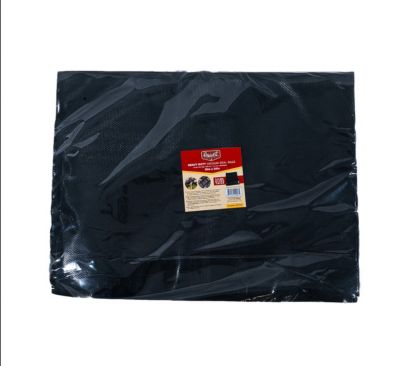
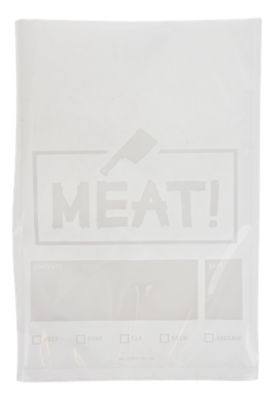
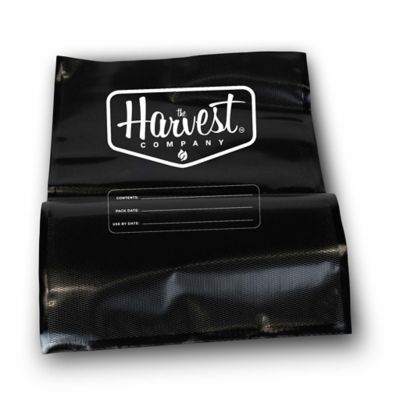
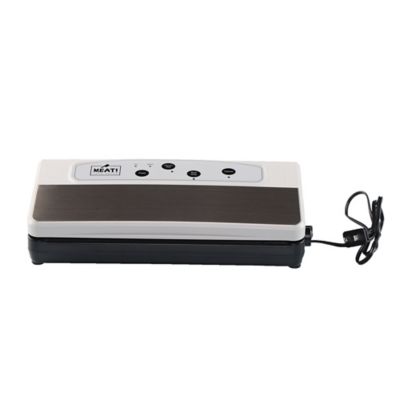
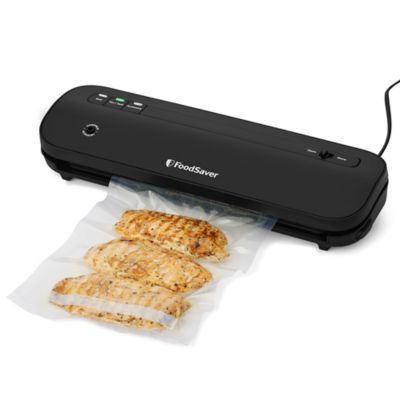
Meat vacuum sealer bags and rolls are food-contact packaging designed to work with compatible vacuum sealers, helping reduce air around meat before refrigerated or frozen storage. Many feature multilayer construction that combines a heat-sealable inner layer with an outer barrier that helps limit oxygen and moisture transfer. A sound seal helps protect beef, pork, poultry, and game from drying out and developing freezer burn, while keeping portions neatly contained. That matters whether a family is putting away meat from a processor, dividing a large package of chicken into supper portions, or packing venison after a hunt. Premade bags offer a ready-to-fill shape with just one open end to seal, making them handy when several portions need the same amount of room. Rolls let the pouch length match the cut, so a short section can hold a couple of chops while a longer section can accommodate a roast. Roll material requires a sealed bottom before filling, but the flexibility can help limit extra packaging around cuts of different lengths. Bag width still sets the limit on what fits; adding length will not make a narrow roll fit a broad cut. A pouch should have enough space for the meat to sit comfortably, plus the empty area at the opening that the sealer manufacturer recommends. Overfilling can leave folds or moisture where the seal needs to form. Clear material makes it easier to tell ground meat from stew cubes without opening the package, and a writable panel or room for a freezer label helps keep the cut, weight, and packing date easy to find. Flat, evenly portioned packages can also stack more neatly in a chest freezer than a jumble of loose wrapping. For a busy household, that can mean less digging when it is time to pull out a package for burgers, a pot of chili, or a roast dinner.
Sealer compatibility is just as important as bag size. Many external suction sealers need textured or embossed bags with channels that let air move toward the machine, while many chamber sealers accept smooth pouches. These styles are not automatically interchangeable, and the machine’s instructions should identify the right bag type, maximum width, and sealing requirements. A roll also needs to fit the machine’s storage compartment if it has one; a roll that fits the seal bar may still be too large for that compartment. Material thickness, often listed in mils, is another useful comparison point. One mil equals one-thousandth of an inch, but thickness alone does not tell the whole story. Layer construction, puncture resistance, seam strength, and compatibility with the sealing equipment all affect how well a package holds up. Bone-in cuts deserve particular attention because a sharp rib end or chop bone can pierce plastic even when the surrounding material feels substantial. Food-safe bone guards, where appropriate for the packaging system, can help shield those edges. Rounded portions of boneless meat generally place fewer demands on the pouch than an irregular roast with exposed bone. Moisture is another consideration: meat juices can interfere with some external sealers and prevent a clean seal if they reach the opening. Bags matched to the machine’s moist-food settings, along with the handling directions for that equipment, help address that challenge. The sealing area needs to stay clean, flat, and free of grease, meat particles, and wrinkles. Packages should also have enough room to settle without stretching tightly over hard corners. For rolls kept near a processing table, protection from knife tips, rough surfaces, and splashes helps preserve the unused material. A clean, dry storage spot away from direct sunlight keeps bags and rolls ready for the next packing session without adding another cleanup job.
Intended use should guide the choice beyond the freezer. A bag labeled for frozen food storage is not necessarily suitable for boiling, microwave heating, or sous vide cooking. Those applications call for packaging explicitly rated for the method and conditions involved, including the cooking temperature and length of exposure. Food-contact labeling matters as well; an ordinary storage sack is not a substitute for a meat vacuum pouch. Around a farm, keeping kitchen packaging separate from livestock supplies helps keep those jobs straight.
Animal Feed Bags serve feed-handling needs, while meat packaging needs to meet its own food-contact and sealing requirements. For hunters, homesteaders, livestock owners, and families who regularly portion meat at home, keeping suitable bag widths and a roll on hand can make a long packing job run more smoothly. Smaller bags suit individual servings, while larger formats make room for family portions without forcing several cuts into a tight pouch. Consistent portion sizes also make meal planning simpler and help prevent opening more meat than a household needs. Vacuum sealing does not sterilize food, replace refrigeration, or make raw meat safe to store on a pantry shelf. Perishable meat still needs prompt cold storage and safe handling, and frozen packages should thaw in the refrigerator rather than on the counter. A pouch that loses its tight fit, develops a puncture, or has a questionable seal deserves attention before storage continues; packaging condition alone cannot establish food safety. Bags that held raw meat should be discarded after opening rather than washed for another food-storage job. For an unopened supply, keeping the original packaging or product information nearby makes it easier to confirm cooking limits and machine fit later. The most useful bags and rolls are the ones that match the sealer, accommodate the cuts being packed, and stand up to the handling those packages will face from the processing table to the freezer.