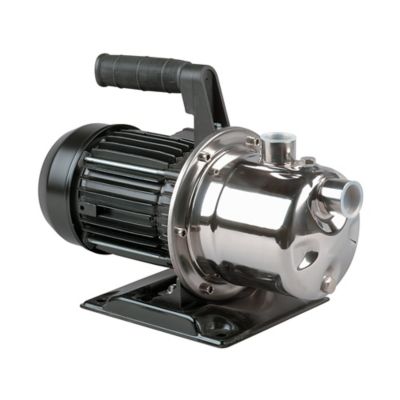
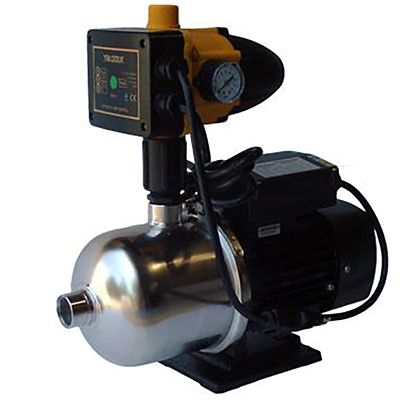
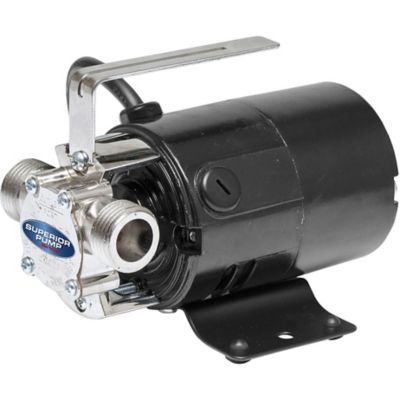
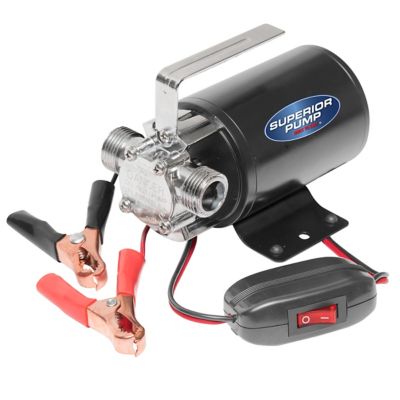
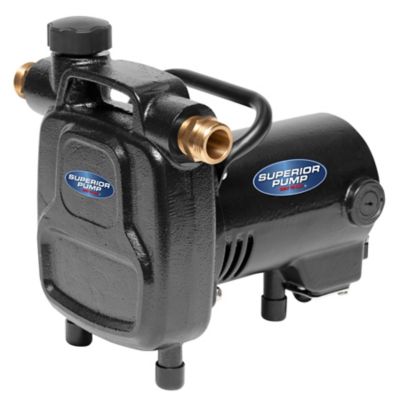
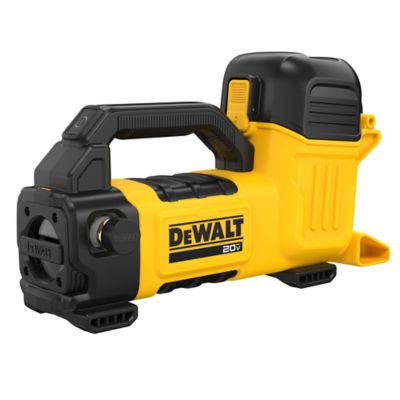
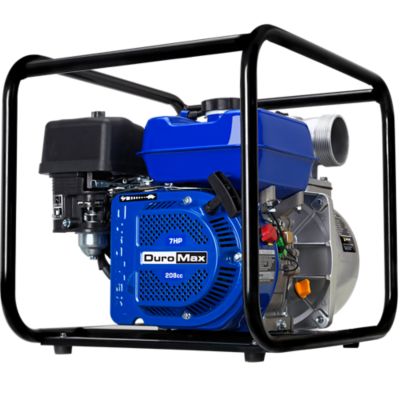
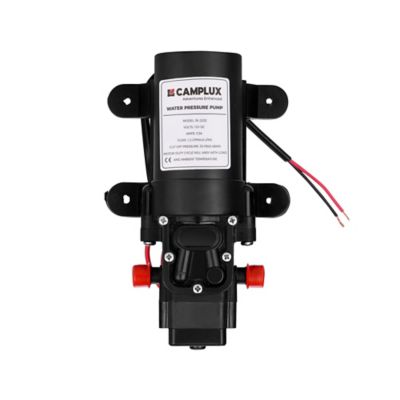
Marine water pumps help keep a boat’s most important systems working, whether you’re moving clean water to a sink, drawing lake or seawater through an engine cooling system, or clearing unwanted water from the bilge. The right pump depends first on the job it needs to do. Freshwater pressure pumps are built to supply taps, showers, washdown stations, and other onboard fixtures when a faucet is opened. These pumps often use a demand switch that starts the motor when pressure drops, then shuts it off when the line is closed. Raw water or seawater pumps circulate outside water through a heat exchanger or engine cooling passage to help carry away heat. Bilge pumps remove water that collects in the lowest part of the hull, either automatically through a float switch or by a manual control at the helm. These are separate applications, and a pump designed for one may not be suitable for another. Before choosing, identify whether you need freshwater service, engine cooling, bilge clearing, or a combination of jobs aboard the vessel. Then check the boat’s electrical system, since many marine pumps are designed for 12V or 24V power. Matching voltage is essential for safe operation and dependable performance. Flow rate and pressure matter as well. A small freshwater setup may need steady pressure for a galley faucet and shower, while an engine cooling system must meet the circulation requirements set by the engine manufacturer. A bilge pump should be sized for the amount of water it may need to move, the height and distance of the discharge run, and any bends, fittings, or hose restrictions that can reduce output. Keep an eye on inlet and outlet sizes, mounting space, wiring length, fuse requirements, and the kind of hose or plumbing already installed. A pump that fits neatly into the existing system can save a good deal of time when you’re working in a cramped compartment with a flashlight between your teeth.
Marine water pumps see a rough working environment. Salt, moisture, vibration, grit, fish scales, leaves, and bits of old hose can all take a toll, while a pump tucked beneath a deck may be easy to forget until water stops moving. Look over hose connections and clamps for drips, soft spots, cracks, or signs of corrosion, and make sure the discharge line is routed so it cannot kink or sag. Strainers on raw-water systems should be checked and cleaned so debris does not starve the pump. Rubber impellers in raw-water pumps wear as they work and should be inspected according to the engine or pump maker’s service schedule; many boat owners check them at least once a year and replace them when the blades become stiff, cracked, rounded, or misshapen. If an impeller blade breaks away, the missing piece can travel downstream and restrict a cooling passage, so it is worth finding the pieces rather than simply installing a replacement. Never run a raw-water impeller pump dry, even for a short test, because the water normally lubricates and cools the impeller. Freshwater diaphragm pumps may tolerate brief dry running depending on their design, but the manufacturer’s instructions should always be the final word. Bilge pumps deserve regular testing, too. Lift the float switch or use the manual control and confirm that the motor starts, water exits through the discharge fitting, and the automatic function returns to normal. A bilge pump is not a substitute for finding a leak, so investigate recurring water instead of relying on the pump to handle it indefinitely. Electrical connections should be kept high and dry, protected with the correct fuse, and checked for loose terminals or green corrosion. During the warmer boating season, a quick inspection before leaving the dock can catch a tired hose or sticky float. As cooler weather arrives, drain freshwater lines when the boat will be stored in freezing conditions, and follow proper winterizing steps for pumps, tanks, strainers, and engine cooling passages.
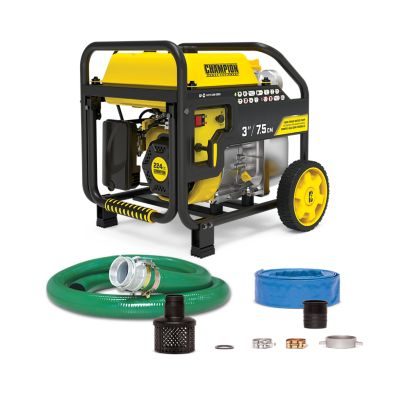
These pumps are useful for more than large cruising boats. Fishing boats, pontoons, cabin boats, personal watercraft trailers with onboard systems, work skiffs, and many recreational vessels depend on reliable water movement. A freshwater pump can make a weekend aboard feel more like home by providing water for cooking, rinsing muddy boots, or washing up after handling bait. A raw-water pump helps protect an inboard engine from overheating while running along a quiet shoreline or heading across open water, provided the intake is clear and the cooling system is maintained. A dependable bilge pump offers an important layer of protection when rain, spray, small leaks, or packing-drip water collect below deck. Boat owners may also use marine pumps in livewell, baitwell, washdown, and transfer setups, but those systems still require careful attention to flow, lift, hose size, and electrical demand. For anyone comparing options, write down the pump’s intended use, required voltage, expected flow, pressure needs, water type, and installation location before making a purchase. Saltwater service calls for materials and components suited to corrosion-prone conditions, while freshwater systems may place more emphasis on pressure cycling and quiet operation. It is also wise to keep a spare fuse, hose clamps, basic tools, and service parts aboard, since a small replacement can be a lot easier to manage at the dock than after a long run up a river. A marine water pump can make a thoughtful gift for a boat owner, fishing guide, marina worker, or handy family member who spends weekends maintaining a vessel. The best gift is one that matches the boat’s system rather than one chosen by appearance alone, so the vessel’s manual, existing pump label, and electrical details are useful references. For larger dewatering, agricultural, facility, or jobsite needs beyond a boat’s onboard systems, explore
Commercial Water Pumps for equipment suited to heavier-duty water movement. With the correct pump, sound wiring, clear lines, and routine inspection, boat owners can spend more time watching the wake roll behind them and less time chasing avoidable water problems below deck.