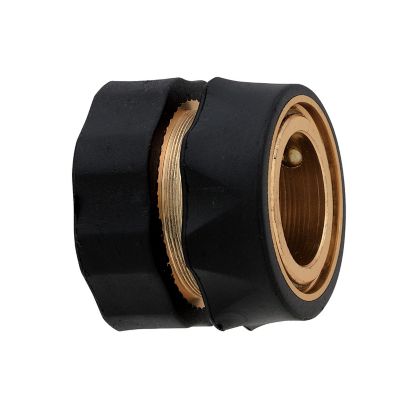
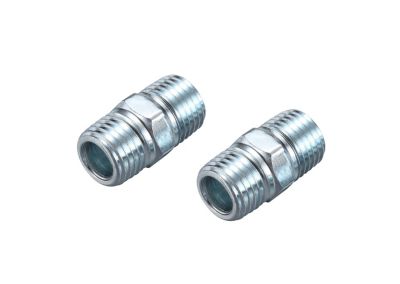
Female hose connectors bring watering setups together wherever a hose needs to meet a matching male fitting. A threaded female connector has threads inside its collar that screw onto an externally threaded spigot, hose end, or accessory. A female quick-connect socket instead accepts a matching male plug and holds it with a locking mechanism. Both styles serve the same basic purpose: making a secure connection that keeps water moving toward the job rather than dripping around your boots. Around a house, barn, or small acreage, those jobs might include watering a vegetable patch, rinsing muddy tools, filling livestock water tubs, or reaching a planting bed beyond the first stretch of hose. The most common thread connection for standard garden hoses in the United States is 3/4-inch garden hose thread, often marked GHT. That measurement identifies the connection standard, not the hose’s inside diameter. A hose with a 1/2-inch, 5/8-inch, or 3/4-inch bore can still have a 3/4-inch GHT fitting at its end. That distinction matters when replacing a connector, since the threaded side must match the attachment while a repair fitting’s insert must also fit the hose itself. Garden hose threads and pipe threads are different, even when their nominal sizes sound alike; a fitting marked NPT is not a direct substitute for GHT. Quick-connect systems have their own fit requirements, too, and sockets and plugs from different systems do not necessarily mate. For a homeowner swapping between a nozzle and a sprinkler, or a livestock keeper disconnecting a hose after filling a trough, the right connection style makes everyday handling less of a chore. A collar with enough gripping area can be easier to turn with work gloves, while a swivel lets the fitting tighten without twisting the entire hose. Clearance around a recessed faucet or crowded splitter also affects how comfortably a connector fits into the setup.
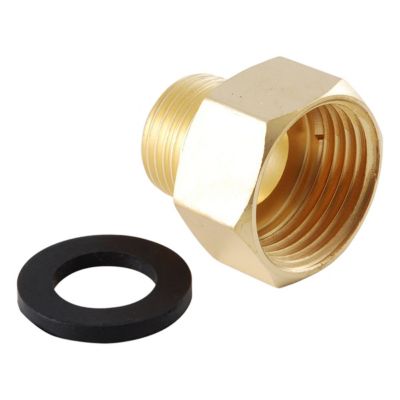
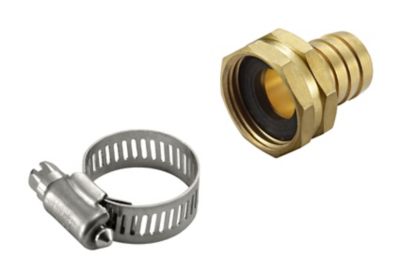
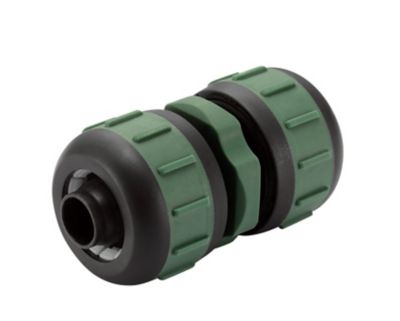
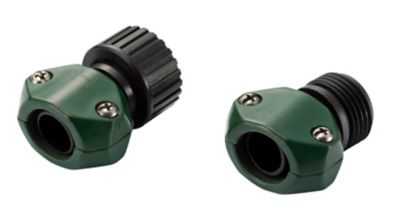
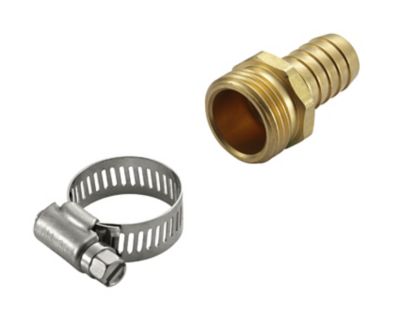
The main types of female hose connectors cover different needs, from restoring a damaged hose end to joining sections with otherwise incompatible ends. A female hose repair connector replaces the inlet end of a hose when the original collar is crushed, stripped, or no longer seals properly. Its barbed insert fits inside the hose, and a clamp or screw-fastened assembly holds the hose around that insert. Fit depends on the hose’s inside diameter and, for some clamp designs, its wall thickness, so the thread size alone does not tell the whole story. A double-female hose adapter has a female connection at each end, allowing two male-threaded ends to join when both sides share the proper thread standard. This can help with an existing hose arrangement that needs a different end orientation without replacing the full length. For connections elsewhere along a watering run,
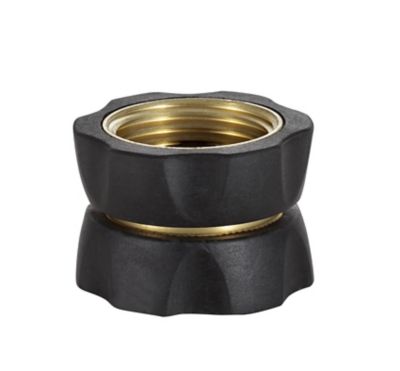
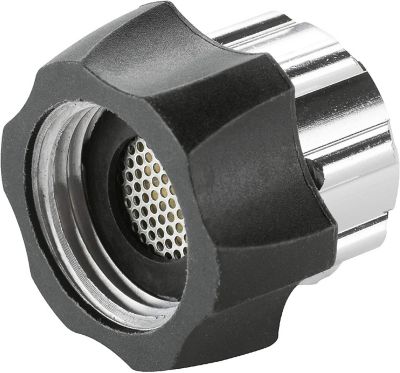
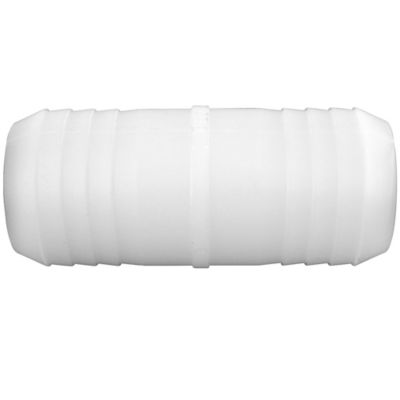
Hose To Hose Connectors cover the broader task of linking hose sections, with the connection type determined by the ends being joined. Female quick-connect sockets suit setups where attachments change often, such as moving from a spray nozzle at the wash rack to a sprinkler near the garden. Some include an automatic shutoff feature, while others allow water to pass whenever the supply is on; the particular design determines that function. Flow capacity deserves attention alongside convenience. A narrow internal passage can restrict flow, especially when several fittings sit between the faucet and the hose outlet. Pressure ratings matter as well, since an ordinary garden hose fitting is not automatically suitable for a pressure washer’s high-pressure outlet, compressed air, or a chemical-transfer line. For drinking-water connections, the hose and every fitting in the water path need the appropriate drinking-water rating. Matching the connector to the task helps keep a simple repair from creating another problem farther down the line, whether the hose stays near a porch spigot or gets carried between several watering points.
Material, seal design, and everyday handling all play a part in how long a female hose connector stays in service. Brass is a common choice for its solid feel, resistance to corrosion, and ability to stand up to repeated threading and unthreading. Stainless steel also offers corrosion resistance and strength, while aluminum keeps weight down at the hose end. Plastic connectors are light to handle and avoid metal corrosion, although resistance to impact, sunlight, and strain varies with the material and construction. No material makes a fitting immune to damage from being run over, dragged across rough ground, or pulled sideways against a faucet. Where different metals meet, compatibility matters because prolonged contact in the presence of moisture can contribute to corrosion. For threaded garden hose connections, the seal usually comes from a flat washer seated inside the female collar, rather than from the threads themselves. A missing, flattened, split, or grit-covered washer can leave an otherwise sound connector dripping. Rubber and EPDM washers are common, while quick-connect fittings may rely on internal O-rings that must match the fitting’s specified size and material. Thread tape is generally unnecessary on standard washer-sealed garden hose joints and will not correct a damaged washer or mismatched threads. Clean mating surfaces, straight thread engagement, and tightening according to the fitting’s directions help protect both the seal and the collar. Excessive wrench force can deform parts or damage a plastic housing. A brief check for sand in the threads, nicks in the washer seat, or cracks around a clamp can reveal why a connection no longer holds water. Shutting off the supply and releasing pressure before disconnecting makes handling more controlled, especially with quick-connect fittings. Supporting the hose near the faucet reduces leverage on the connection, and storing loose fittings away from dirt keeps grit out of sealing surfaces. For gardeners, property caretakers, and folks handling daily watering chores, a well-matched female hose connector keeps a familiar hose working and makes the whole setup easier to manage.