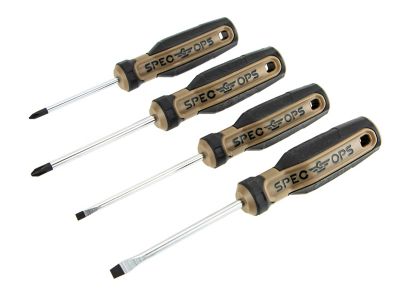
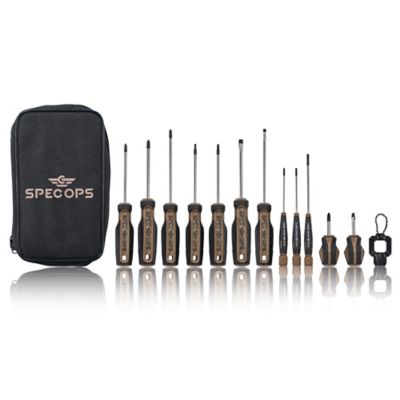
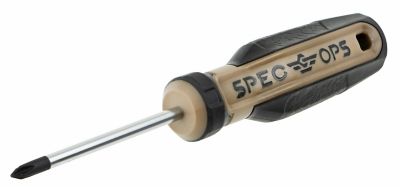
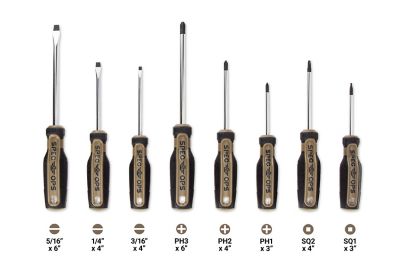
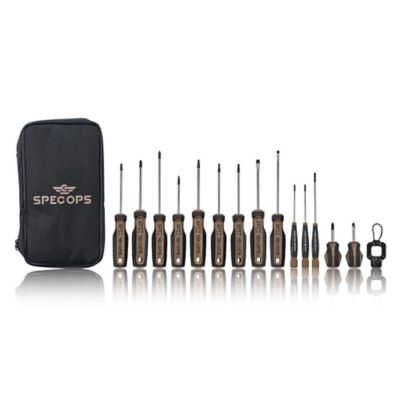
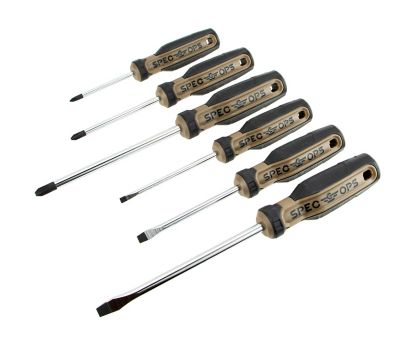
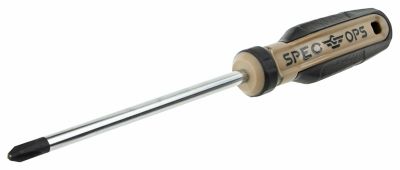
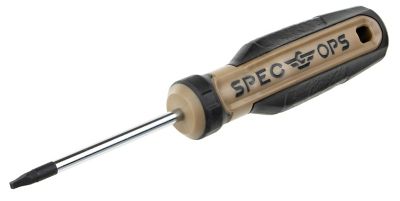
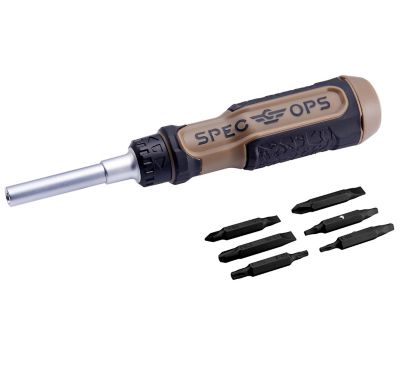
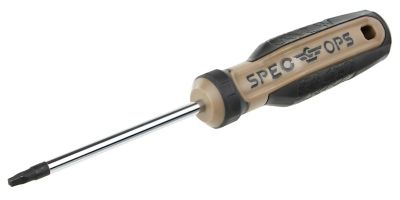
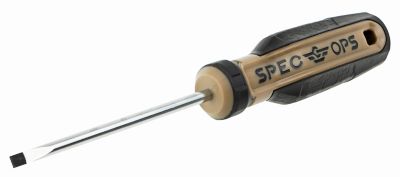
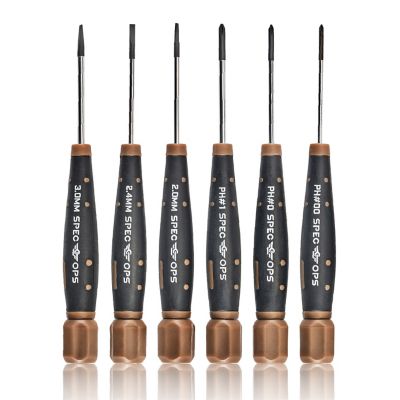
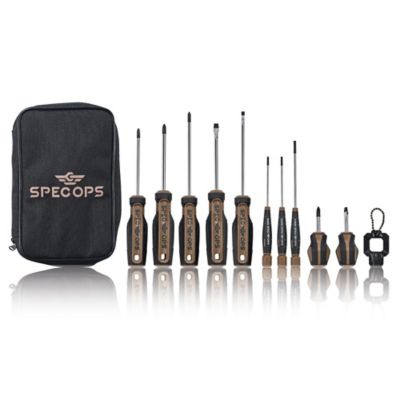
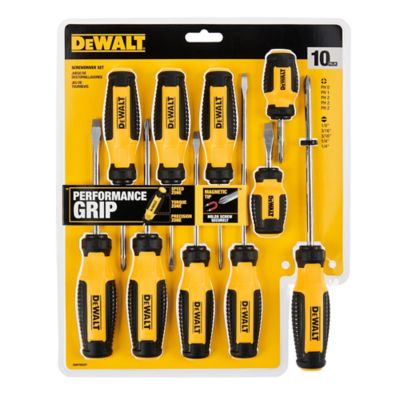
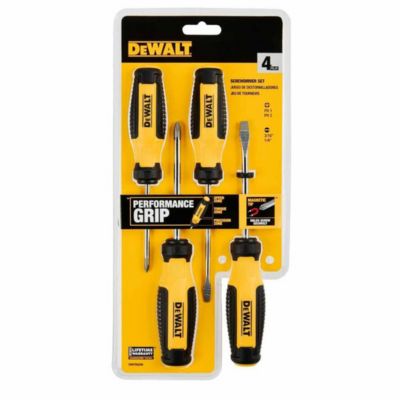
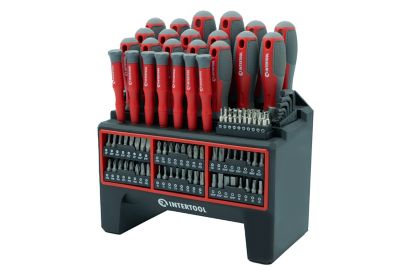
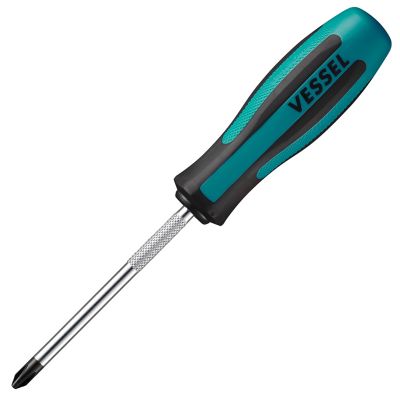
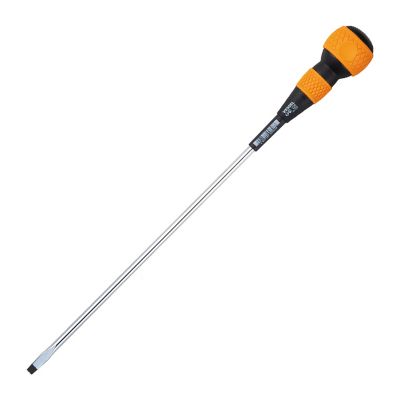
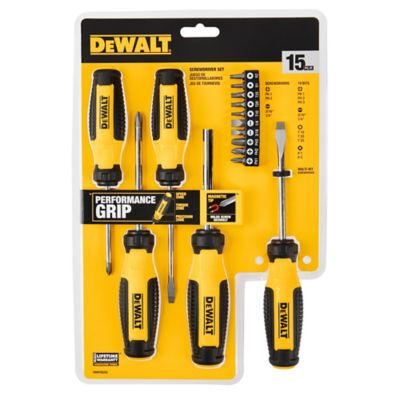
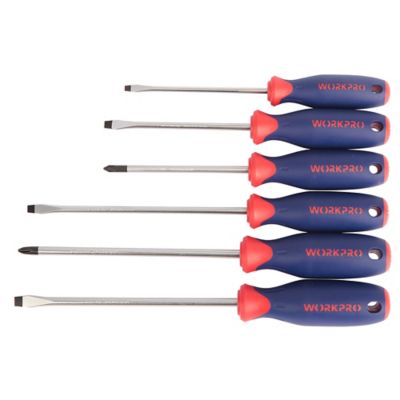
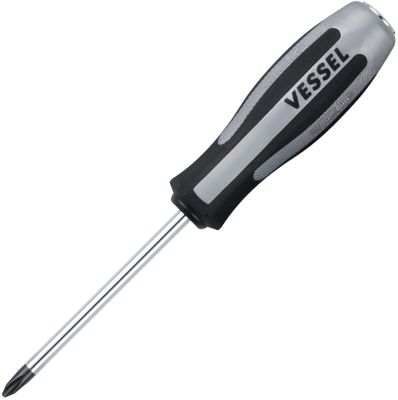
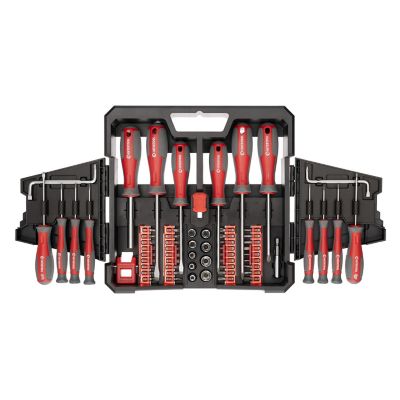
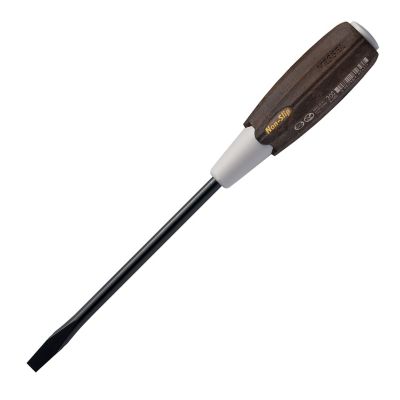
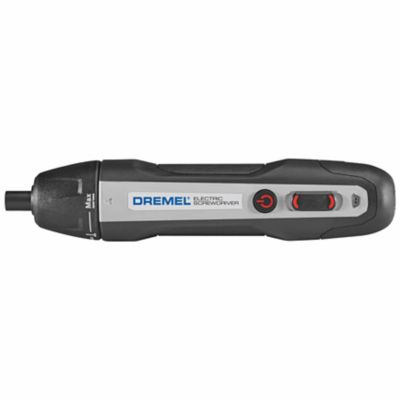
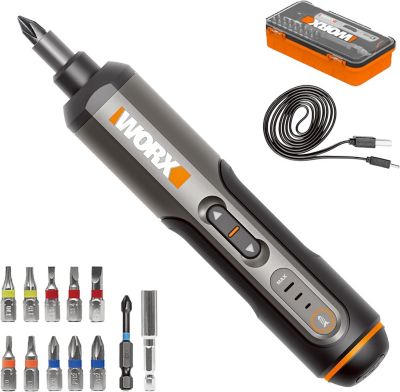
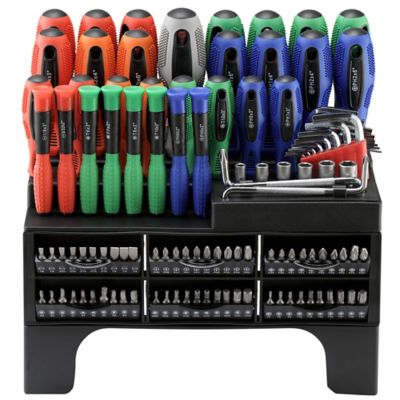
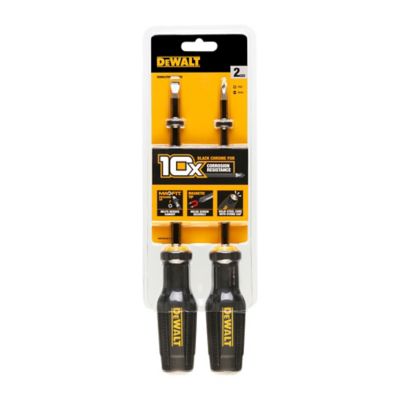
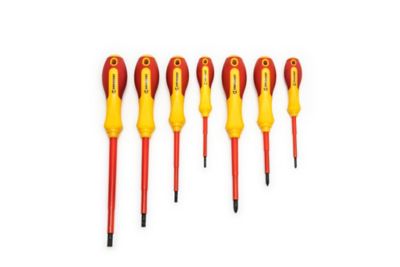
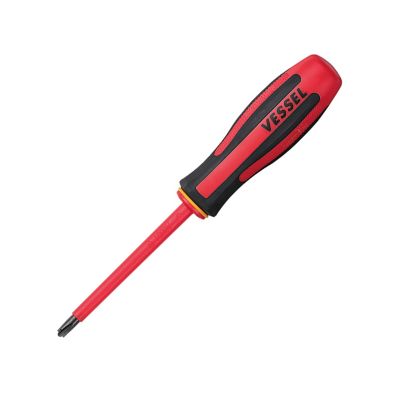
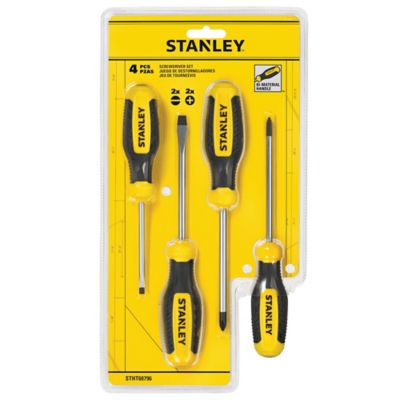
Magnetized screwdrivers have a magnetic tip that helps hold a screw in place while you position it, start the threads, or pull it out of a tight spot. That extra hold comes in handy when a screw needs to reach past a mower’s access panel, tuck into a recessed bracket, or stay on the tip while you line up a cabinet hinge. Instead of trying to steady a small fastener with two fingers in a space barely wide enough for the tool, you can guide it toward the hole with the screwdriver. A magnetic tip can also help keep a loosened screw from falling into the grass or disappearing beneath a workbench, though its holding strength varies with the tool, screw size, and contact between the tip and screw head. The magnet does not lock the screw in place, and it cannot make up for a poor-fitting tip. It works best with steel screws that respond to a magnet; brass, aluminum, and many stainless steel fasteners will not stay attached the same way. For chores around the house, shop, garage, or barn, that makes a magnetized screwdriver a handy addition to a regular hand-tool kit. Fixed-shaft designs keep one tip ready for repeated work, while multi-bit designs let you switch between different screw head styles without carrying several full-size drivers. Ratcheting versions allow repeated turns without lifting the tip out of the screw head, which can help when there is little room to reposition your hand. Sets with several tip sizes and shaft lengths suit a mix of repairs, while an individual driver can make sense for a fastener you encounter often. Someone who regularly adjusts hinges, services small equipment, assembles furniture, or works with access covers may appreciate having the right magnetic screwdriver within reach. The main benefit is better control of small hardware, especially where a dropped screw would turn a simple job into a search.
Tip fit matters just as much as magnetic pull. Phillips, slotted, square, and star-shaped screw heads each need the corresponding driver shape, and the size should match closely enough for the tip to seat fully. A Phillips tip that is too small can slip under pressure, while a slotted blade that is too narrow concentrates force on a small section of the screw head. Magnetism helps hold the fastener, but the shape and fit of the tip transfer the turning force. Keeping the shaft lined up with the screw and applying steady pressure helps limit slipping and damaged heads. Hardened tool steel is common in screwdriver shafts and bits, and some designs feature chrome-vanadium steel or corrosion-resistant finishes. The steel composition, heat treatment, and tip construction all affect how well the tool stands up to repeated turning. A plated shaft can help resist rust, but the working tip still needs attention because wear, grit, and rounded edges interfere with its fit. Handle shape deserves a close look, too. A broad handle gives your hand more leverage for ordinary fastening work, while a slimmer handle can be easier to control around small screws. Textured surfaces and cushioned grips may feel steadier during longer jobs, although the handle still needs to fit your hand comfortably. Stubby screwdrivers fit spaces where a longer handle would hit a wall or machine housing. Longer shafts reach recessed fasteners, provided there is a straight path to the screw. Precision-sized drivers suit small hardware and light turning force rather than stubborn equipment fasteners. Interchangeable-bit tools offer flexibility, but bit retention and the width of the holder matter in narrow openings. For work near electrical components, remember that a magnetic tip provides no electrical protection. Shut off power before servicing equipment, and follow the equipment maker’s directions. Ordinary grips are not a substitute for tools specifically rated and marked for the electrical task.
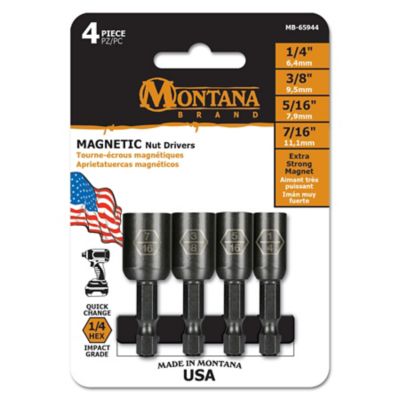
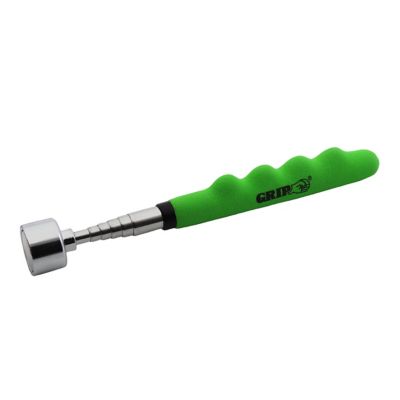
A little care helps keep magnetic screwdrivers ready for the next repair. Wipe away dirt and oil after a job, and pay particular attention to the tip, where magnetic pull can gather metal filings. Those filings may keep the tip from seating properly or carry grit into the screw recess. Clean the tool according to its care directions, dry it before putting it away, and store it where the shaft and bits are protected from moisture. If the manufacturer recommends a protective oil on exposed steel, keep it off the grip so the handle stays easy to hold. Inspect tips for rounding, chips, or bending rather than trying to finish a job with a driver that no longer fits. A screwdriver is meant for turning screws, not prying panels apart or driving nails; using it as a lever can bend the shaft or damage the handle. Magnetic strength can diminish, and a compatible handheld magnetizer may help restore the pull on a steel tip. A magnetizer-demagnetizer can also reduce magnetism when the job calls for it, but results depend on the tool’s material and construction. Around magnet-sensitive components, follow the equipment maker’s guidance rather than assuming a magnetic driver is suitable. Keep loose screws and bits in divided storage so matching the tip to the fastener takes less rummaging. A small parts tray is also helpful when removing several screws from a cover, since the screwdriver’s magnet is not meant to hold an entire job’s hardware. When the fastener has an external hex head instead of a recessed screw head,
Magnetic Nut Drivers provide a socket-style fit for that different shape. A thoughtfully matched screwdriver set can make a practical gift for someone setting up a first toolbox, maintaining a property, or spending evenings at the workbench. Useful tip sizes, comfortable handles, and lengths that fit everyday chores matter more than a high piece count. For the person fastening a gate latch or putting a small machine’s cover back on, the right fit and a little magnetic hold can make the work less fussy.