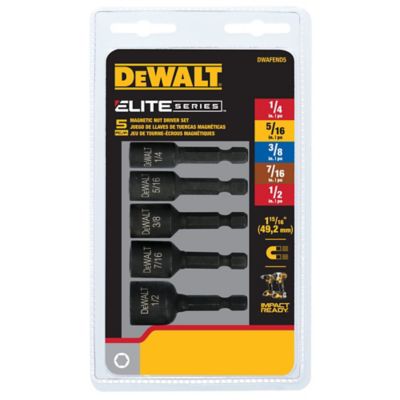
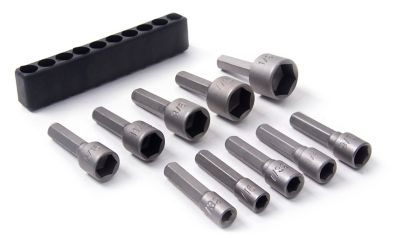
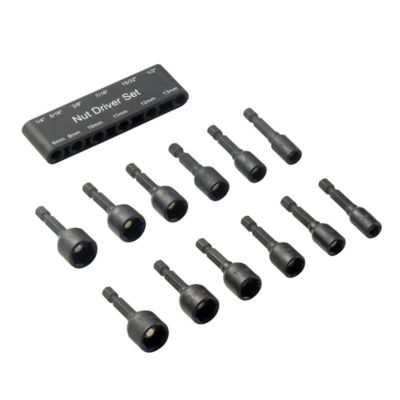
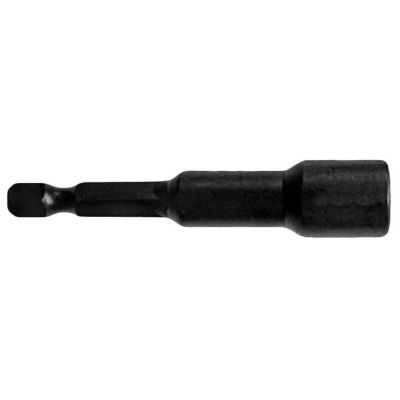
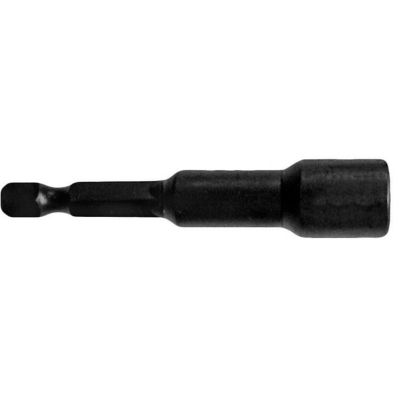
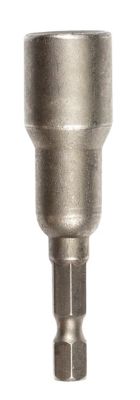
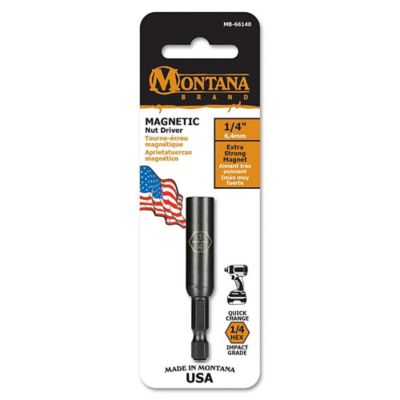
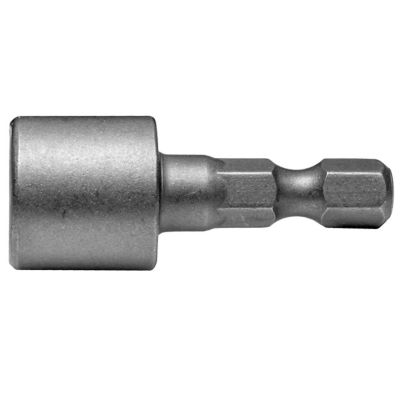
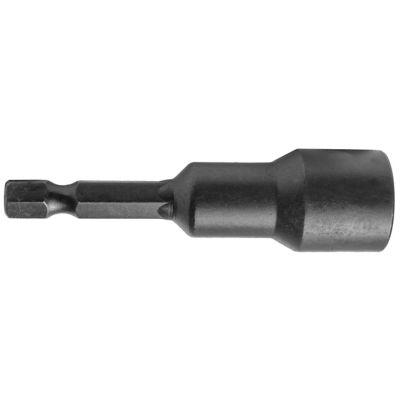
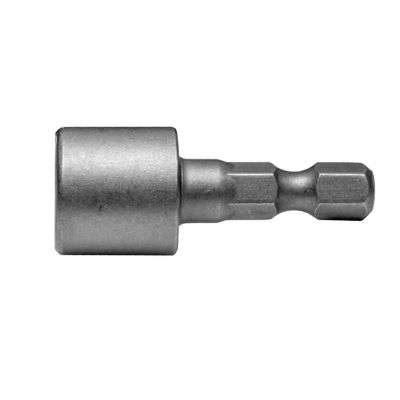
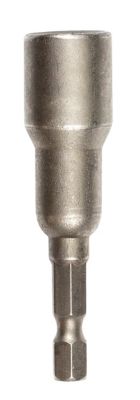
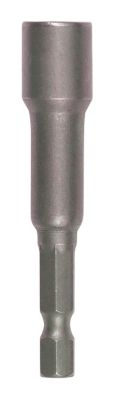
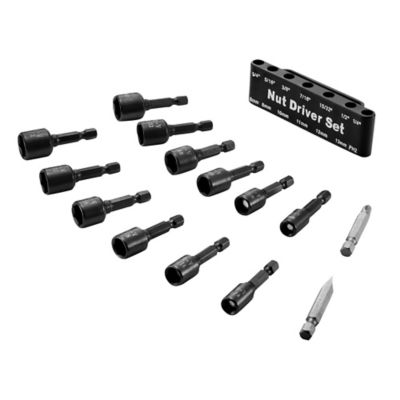
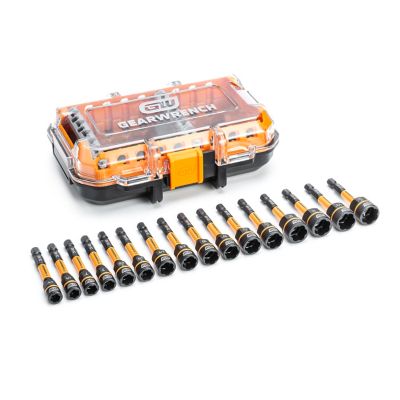
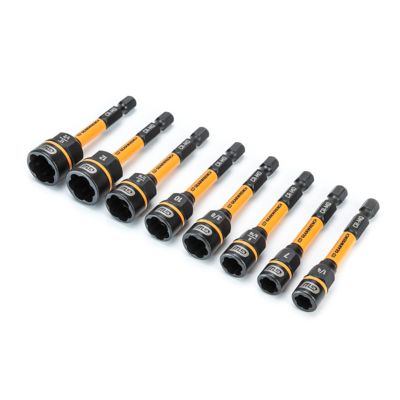
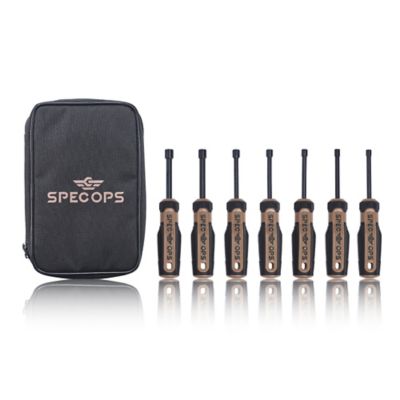
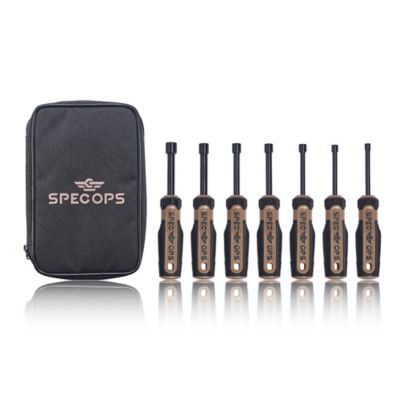
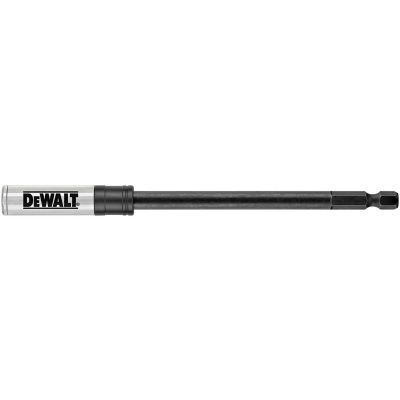
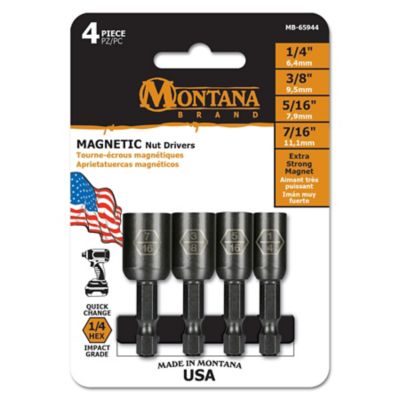
Magnetic nut drivers are handy tools for turning hex nuts, bolts and hex-head screws without chasing dropped fasteners across the shop floor. A magnetized socket at the end of the driver holds the fastener in place, which makes it easier to start hardware with one hand, work in a cramped corner or reach overhead without fumbling. That small bit of extra control can save time on jobs ranging from putting together livestock equipment and shop shelving to repairing appliances, installing metal roofing panels and working inside an electrical panel. Magnetic nut drivers are commonly used with cordless drills, impact drivers and manual handles. Power-ready versions usually have a 1/4-inch hex shank that slips into a drill chuck, quick-change holder or impact driver, while screwdriver-style nut drivers have a fixed handle and shaft for jobs where a steady hand and measured torque matter more than speed. Socket lengths vary as well. A shorter driver is often easier to control in tight spaces, while a longer shaft can reach recessed nuts, extended bolts and hardware tucked behind a bracket. Before adding a magnetic nut driver to your tool box, check the fastener sizes you use most often and decide whether SAE, also called inch sizes, metric sizes or a combination will serve you best. Common sizes such as 1/4 inch, 5/16 inch and 3/8 inch are useful around many farms, homes and garages, but machinery and imported equipment may call for metric measurements. A set with several sizes is a practical way to cover everyday repairs, while individual drivers make sense when you have a particular nut size that shows up again and again.
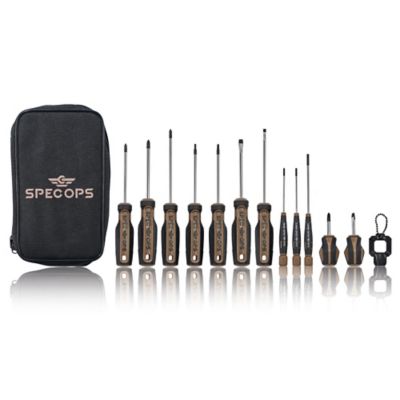
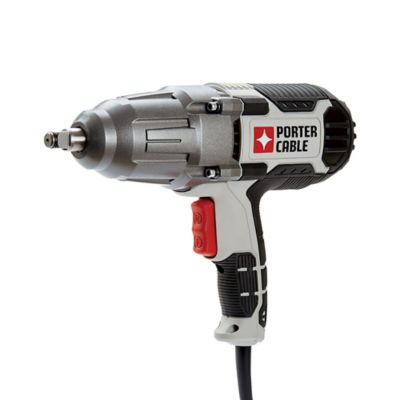
Construction and compatibility deserve a close look, especially when a magnetic nut driver will be used with a power tool. Heat-treated steel helps the socket resist wear, and an impact-rated driver is built to handle the repeated twisting and vibration produced by an impact driver. Standard nut drivers can work well with a regular drill or by hand, but they should not automatically be used with an impact tool unless the manufacturer identifies them as impact compatible. Match the driver to the tool, the fastener and the job. A drill is useful for controlled fastening in wood, light metal and assembly work, while an impact driver supplies more force for stubborn hardware and heavier-duty projects. Use the lowest practical speed and pressure when starting a nut, and keep the driver lined up straight so the socket does not round off the corners. The built-in magnet should hold a properly sized fastener snugly, but it is not a substitute for the right socket fit. A loose fit can damage the nut or bolt head, while an undersized driver may slip and leave sharp edges. For electrical repairs, shut off power at the appropriate disconnect, verify that the circuit is de-energized with a properly rated tester and use insulated tools when the work calls for them. Magnetic nut drivers are not automatically insulated, so read the tool markings and follow safe work practices rather than relying on the magnet or a rubber grip. When a project involves wiring, terminal blocks or control panels, a dedicated set of
Electrical Screwdrivers may be a better fit for the fasteners and working conditions. Eye protection, a firm stance and a clean work surface also go a long way, particularly when working above shoulder height or around metal shavings.
For the farm, home workshop or roadside tool box, magnetic nut drivers earn their keep by making routine fastening jobs smoother and less frustrating. They are useful for mounting signs, tightening panels, assembling feed bins, servicing small engines, securing guards and replacing hardware on trailers, utility vehicles and equipment. HVAC installers and maintenance crews may use them on sheet-metal fasteners and ductwork, while electricians and appliance technicians appreciate the ability to hold a small nut while reaching into a narrow space. They can also be a thoughtful gift for someone setting up a first garage, taking on home repairs or building a collection of dependable hand tools. A compact multi-size set fits neatly in a tool bag and gives a new do-it-yourselfer a useful starting point; an individual size can be a welcome add-on for a seasoned mechanic who already knows the fastener that causes trouble on the job. Look for clear size markings, a secure shank, a magnet that holds without excessive wobble and storage that keeps pieces from rolling under a workbench. Keeping the socket clean helps preserve a good fit, and wiping away metal dust or grit can keep the magnet working as intended. If a driver becomes chipped, badly worn or no longer seats fully on the fastener, replace it rather than forcing it through another repair. During the warmer part of the year, these tools are convenient for outdoor maintenance, fence work and equipment tune-ups, and they remain just as useful during cooler months when indoor shop projects, repairs and seasonal preparations move to the workbench. Whether you prefer the quick reach of a drill-mounted bit or the deliberate feel of a handled nut driver, choosing the right size, shaft style and tool rating helps you fasten hardware cleanly and keep everyday jobs moving.