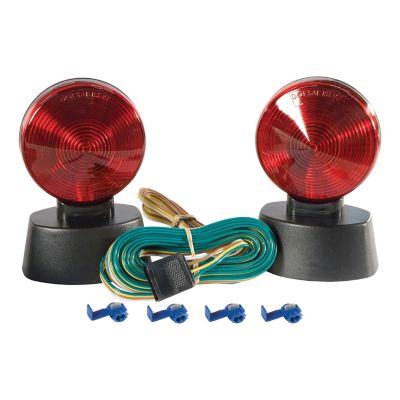
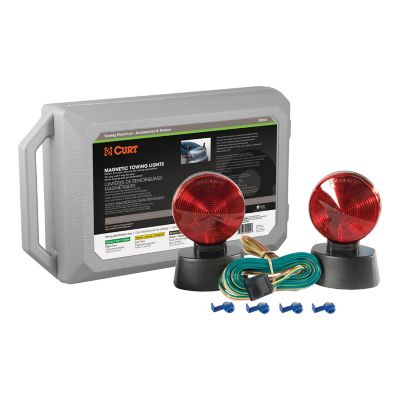
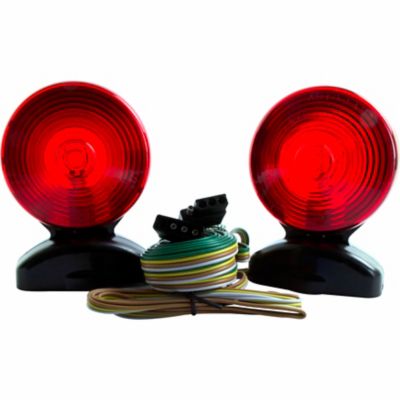
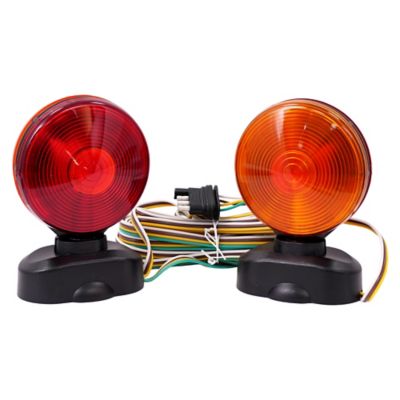
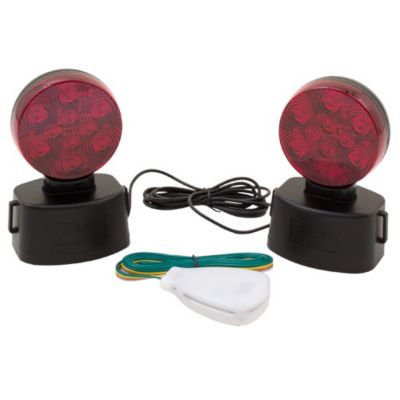
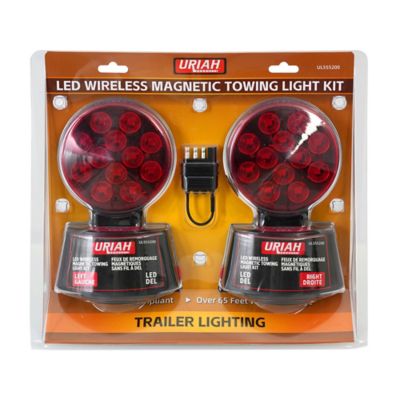
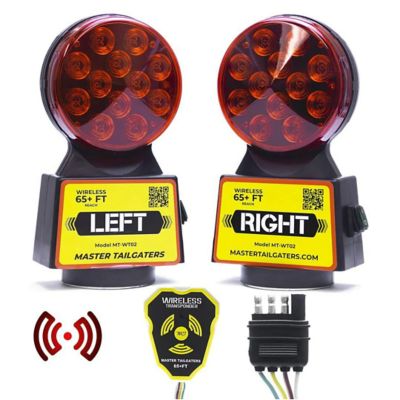
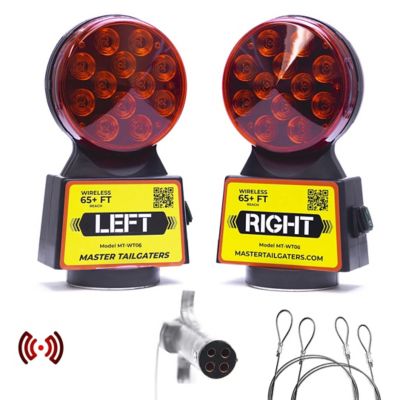
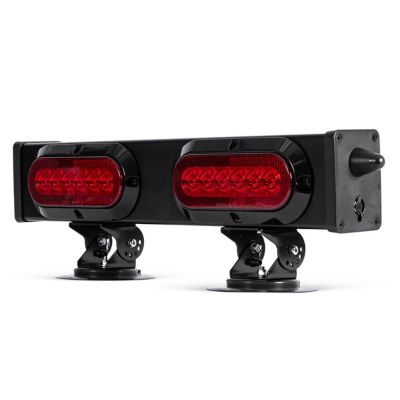
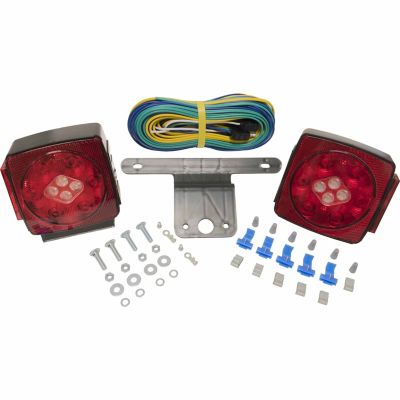
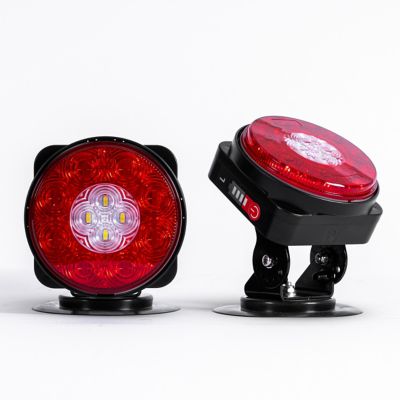
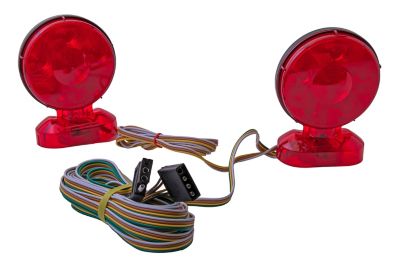
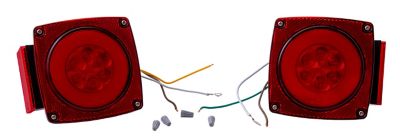
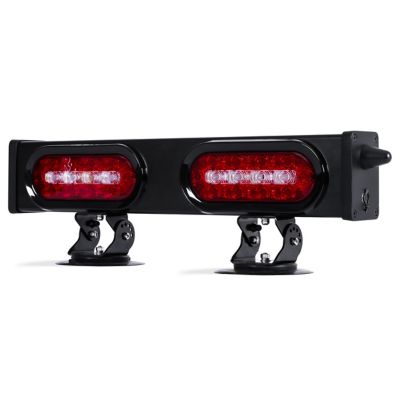
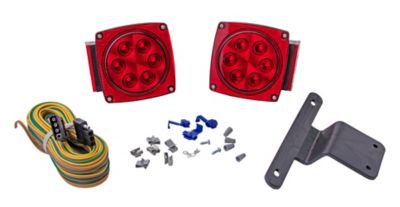
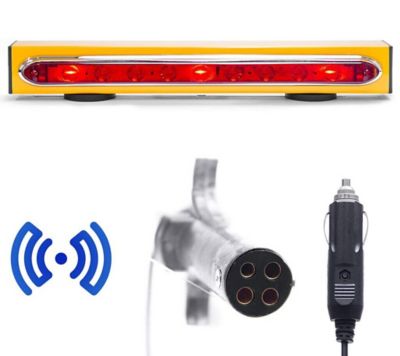
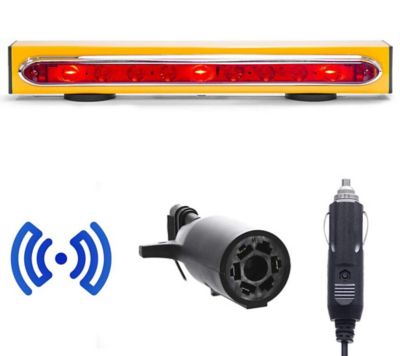
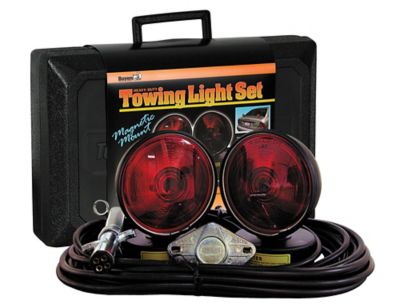
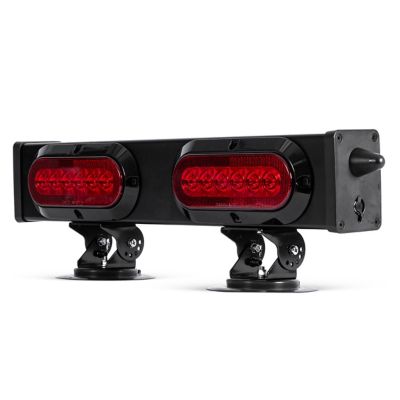
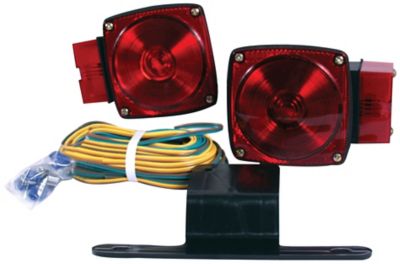
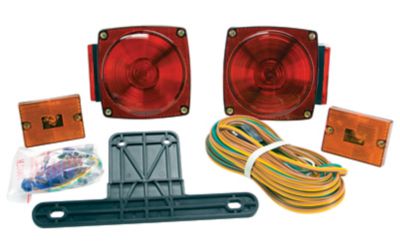
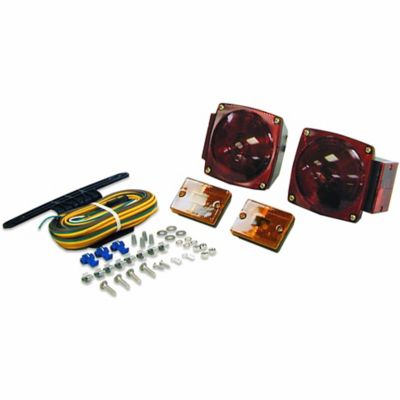
Magnetic trailer light kits bring rear lighting to towing setups where a removable mount makes more sense than a permanent installation. For folks hauling a borrowed utility trailer, moving equipment between properties, or working through a trailer wiring repair, these kits can provide stop, turn, and tail light functions without drilling mounting holes for the lamps. Their appeal is straightforward: magnetic bases attach to suitable steel surfaces, while a wiring harness connects the lights to the tow vehicle. The right fit still depends on the trailer, the vehicle connection, and the lighting requirements for the trip. A small trailer carrying fence posts has different dimensions and cable-routing needs than a longer equipment hauler, even when both connect to the same truck. Magnetic mounting also calls for a closer look at the attachment surface. Steel can provide a place for the magnets to grip, but aluminum, plastic, and wood do not. Thick coatings, heavy rust, curved edges, and narrow frame members can keep a base from sitting flat and holding properly. A broad, clean mounting area gives the lamps a better foundation, provided the kit is rated for that mounting position and intended towing use. Lamp placement matters just as much as the attachment itself. Lights need to face the proper direction and remain visible rather than disappearing behind a tailgate, a stack of lumber, or a piece of machinery. Depending on the trailer and applicable requirements, a pair of rear lamps may not supply every required light or reflector. That makes magnetic trailer lighting a practical part of a towing setup, not an automatic substitute for the trailer’s complete lighting system. Farmers, acreage owners, contractors, and folks who tow equipment for chores can all appreciate having a removable lighting option that matches the work. The benefit is flexibility: the lamps can move between compatible applications when the kit’s specifications allow, then come off for storage when the hauling is done.
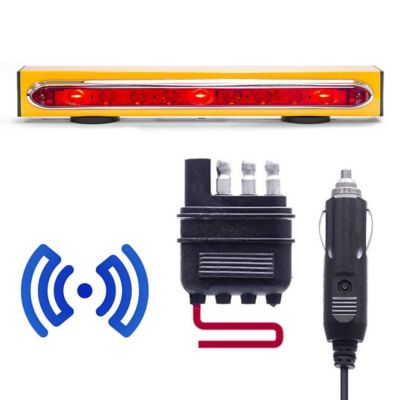
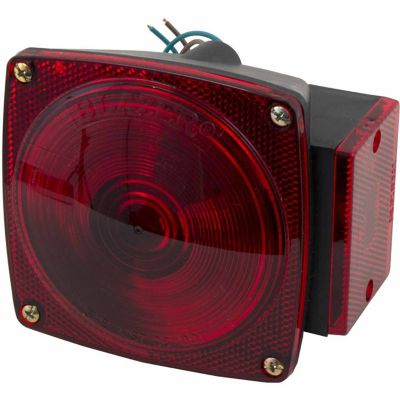
The details inside a magnetic trailer light kit help determine how well it fits the job. Housing materials, lens construction, magnetic bases, wiring, and connectors all deserve attention because each part handles a different kind of wear. Molded plastic housings keep weight manageable, while lenses protect the lighting components and establish the proper light color and visibility. Sealed housings and protected wire-entry points can help limit dirt and moisture getting inside, but water resistance should never be taken to mean a lamp is suitable for submersion. That distinction matters on a boat trailer or any application where the lights could enter water; the kit’s stated rating needs to match that exposure. Lighting technology is another consideration. LED designs typically draw less electrical current than incandescent lamps, while incandescent designs may offer replaceable bulbs where the housing permits. Service options vary, so a sealed LED assembly and a lamp with a replaceable bulb have different maintenance needs. Connector compatibility is equally important. A four-way flat connection commonly carries tail light, left stop-and-turn, right stop-and-turn, and ground circuits. It does not provide trailer brake control, and a magnetic lighting kit should not be mistaken for a brake connection. A truck with a different socket may need a compatible adapter, with the connection checked for the required lighting functions. Harness length should account for the actual route from the vehicle socket to the lamp positions, not just the trailer’s advertised length. The tongue, frame routing, spacing between lamps, and room for turns all affect how much cable the setup needs. For shoppers considering other trailer components alongside removable lighting,
Trailer Kits offers a related place to explore. A well-matched lighting setup comes down to those practical details: lamps that suit the application, bases that seat properly, and connections that work with the tow vehicle.
Day-to-day care has a lot to do with how long magnetic trailer lights stay ready for the next haul. Dust, metal filings, and grit can collect beneath magnetic bases, leaving the lamps sitting unevenly or scratching the mounting surface. Clean contact areas and intact base coverings, where provided, help protect that surface without adding layers that could weaken the magnetic hold. Any protective pad needs to be part of the approved mounting arrangement rather than an improvised spacer. The wiring deserves the same attention as the lamps. A harness stretched tight across the tongue can pull on its connector during a turn, while excess cable hanging beneath the trailer can drag or catch on something along the way. Suitable cable supports help keep the wiring clear of tires, sharp frame edges, hitch components, and moving parts, with enough slack where movement is necessary. Magnetic mounting does not eliminate the need for a sound electrical ground; the circuit needs the ground connection specified by the kit, not an assumption that the magnets will complete it. Before a loaded trailer leaves the yard, a check of the tail lights, brake lights, and both turn signals helps confirm that the connection is doing its job. Lamps that shift, flicker, or fail to illuminate call for attention before travel. Between trips, a loosely coiled harness puts less strain on the wires than tight bends around a lamp housing, and a clean storage spot helps keep connectors and lenses from getting knocked about among chains, pins, and tools. Cracked lenses, damaged insulation, loose connectors, and weakened mounting components are signs that repair or replacement may be needed. For a neighbor hauling a mower across town or a landowner taking supplies out to another property, the best match is a kit suited to the trailer’s dimensions, mounting surfaces, electrical connection, and required lighting. Those basics make removable lights a useful addition to towing equipment without overlooking the details that matter on the road.