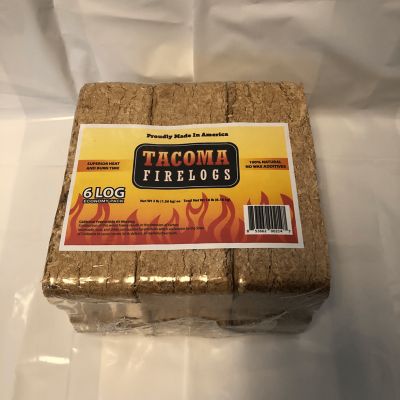
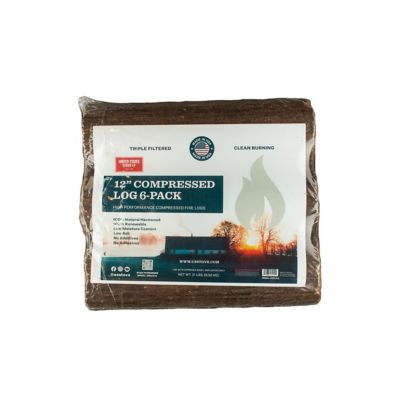
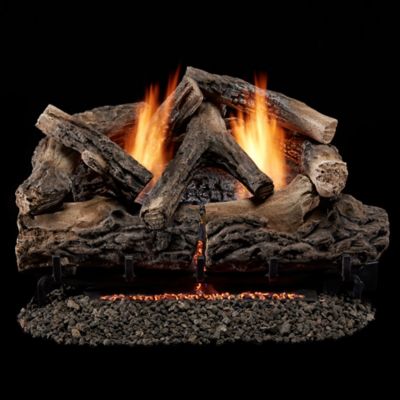
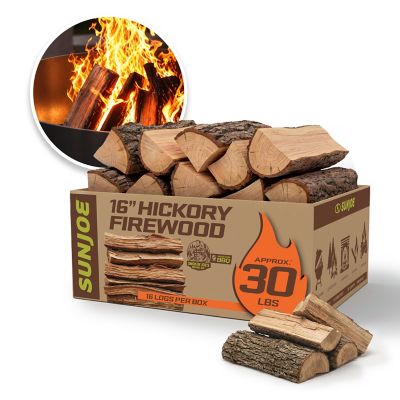
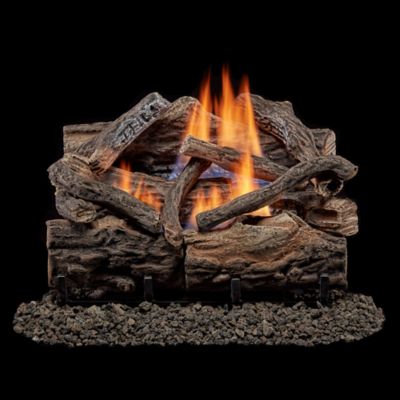
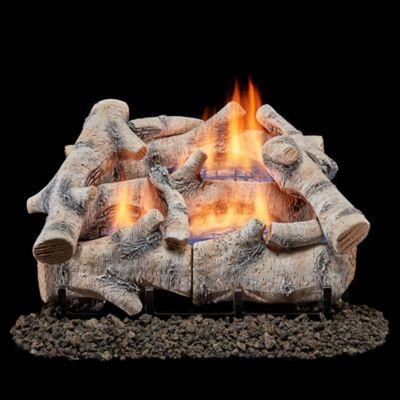
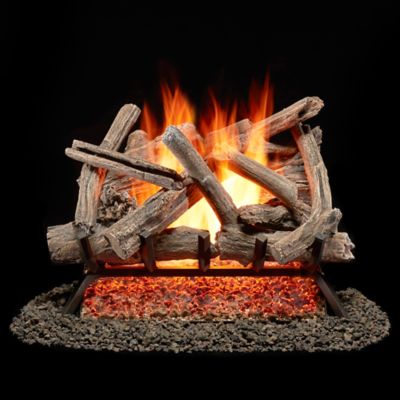
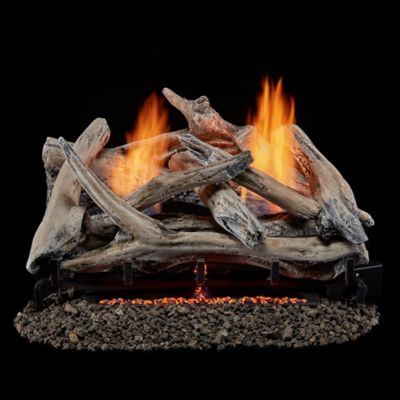
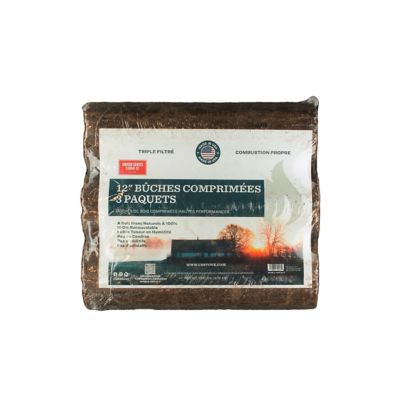
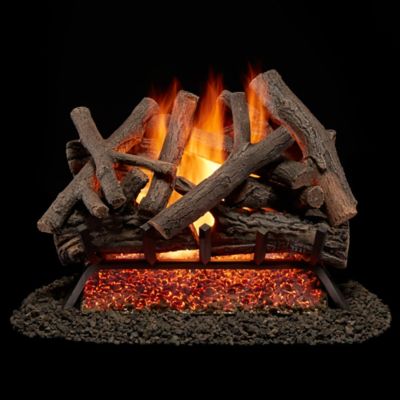
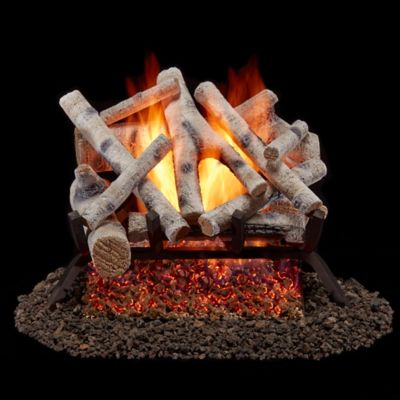
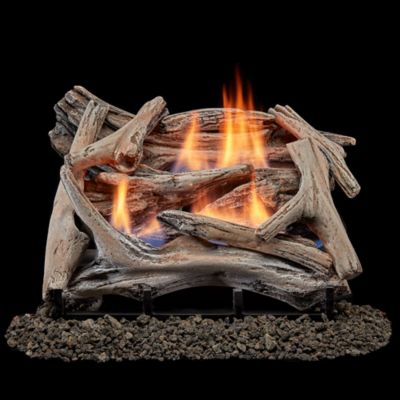
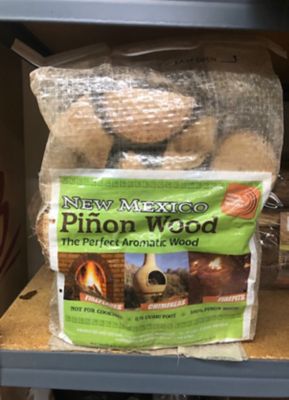
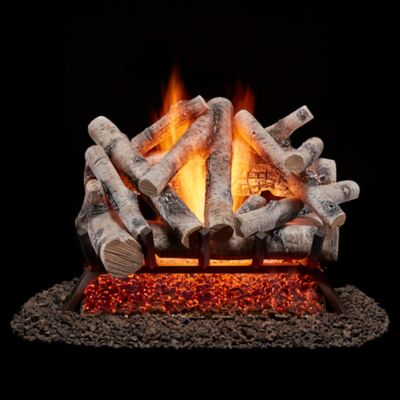
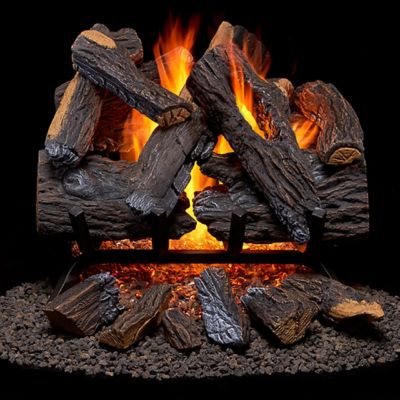
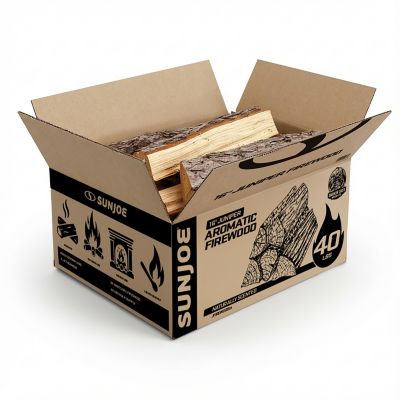
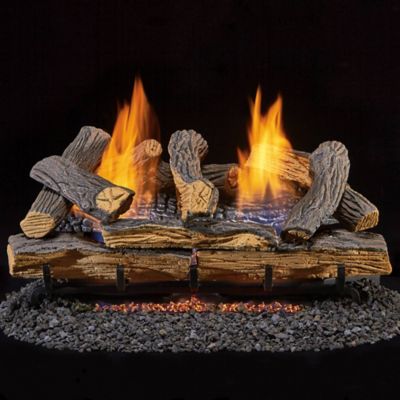
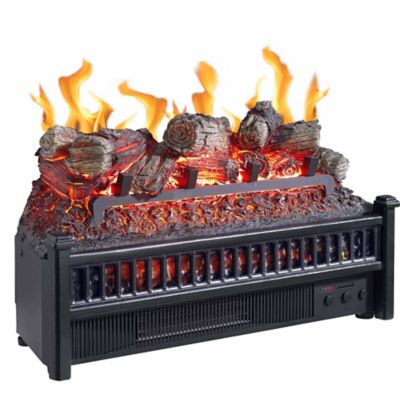
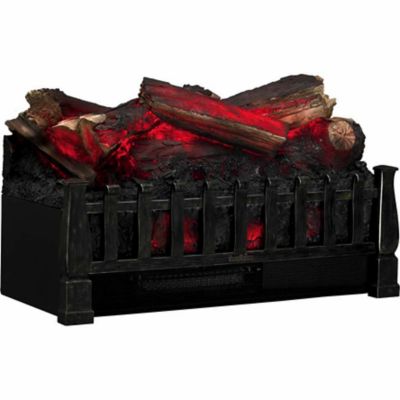
Long-lasting fire logs are made to keep a fire going for an extended stretch, with burn time, flame height, and heat output depending on the log’s materials and the appliance where it burns. For a quiet evening by the hearth or a few hours around a backyard fire pit, the right match comes down to more than a large log or a long burn-time claim. Many manufactured fire logs combine compressed wood fibers or sawdust with waxes that help the fuel ignite and sustain a flame. Other formulations may contain different plant-based materials, so the package is the best place to check what a log contains and where it belongs. A manufactured fire log is not the same fuel as a piece of split firewood, and the two do not necessarily behave the same way in a firebox. Some logs emphasize a full, visible flame for enjoying the fireplace, while other fuels are intended for heating applications. A longer flame display does not automatically mean more usable room heat, especially in an open masonry fireplace where much of the warmth travels up the chimney. Labeled burn time gives a useful point of comparison, but it describes performance under particular conditions rather than a promise for every hearth. Draft strength, firebox design, and log positioning can all affect the burn. Compare stated burn duration alongside permitted appliance types, lighting directions, and the number of logs allowed at one time. For an evening spent catching up after chores, a log rated for the length of the gathering may mean fewer interruptions to tend the fire. The goal is a steady, enjoyable flame in a suitable setting, not a fire that needs constant poking or extra fuel. Logs that are easy to light and meant to burn without adjustment can suit that kind of laid-back gathering, provided the fireplace or fire pit instructions allow them.
Fit matters just as much as burn duration. A log should sit securely on the grate or in the fuel area specified by the appliance maker, with room for required clearances and airflow. Compare log length and diameter with the usable firebox space rather than choosing by package size alone. Manufactured logs intended for an open fireplace are not automatically suitable for a wood stove, fireplace insert, pellet appliance, or enclosed fire feature. Both the fuel label and the appliance manual need to permit the combination; a long burn rating is no substitute for that approval. Likewise, an attractive flame does not establish that a log is suitable for roasting marshmallows or cooking supper. Food preparation calls for fuel specifically labeled for cooking in the intended appliance. Lighting and handling differ from ordinary cordwood, too. Some manufactured logs stay inside their paper wrapper for lighting, while others have different directions. Keep that wrapper intact when the label calls for it, and follow the stated lighting points rather than adding lighter fluid or another accelerant. Many manufactured logs are designed to burn one at a time without being broken, stirred, or topped with extra wood. Adding fuel, stacking logs, or moving a burning log can change combustion and create a much larger fire than intended. A properly maintained chimney, a clear flue, and the screen or doors positioned as the appliance manufacturer directs all help the fire burn as intended. Working smoke and carbon monoxide alarms remain essential in homes with fuel-burning appliances. Even when a package describes a low-smoke burn, no indoor fire belongs in an unvented or unsuitable enclosure. A clean-looking flame still requires the right venting and supervision. That practical match between the fuel, the hearth, and the household matters more than chasing the longest number printed on a label.
For a wood-burning backyard setup,
Fire Logs For Fire Pits should match the fire pit’s permitted fuels and firebox dimensions. An outdoor fire has different surroundings from a hearth: nearby grass, a porch roof, stacked lumber, and a curious pet all affect where the fire belongs. A stable, noncombustible base and the clearances required by the fire pit manufacturer are part of the setup, not optional extras. Local burn restrictions still apply, even when the fuel comes in a tidy wrapper. For an evening with friends, arrange seating so nobody needs to step across the fire area to reach a chair, and keep children and animals back from hot metal as well as open flames. Long burn time is handy for lingering conversations, but it also means planning to stay with the fire until it is fully out. Storage has a say in performance, too. Fire logs generally do best in a dry, sheltered spot, protected from damp floors, splashes, and excess heat. Keep packaging intact until the lighting directions call for opening it, and store the fuel away from the hearth, ignition sources, pet food, and animal feed. Moisture can damage packaging or affect how a log holds together, making careful storage worthwhile even when the fuel feels tightly compressed. Keeping the package readable also keeps burn directions and appliance restrictions close at hand. After the gathering, follow the fuel and appliance directions for extinguishing the fire; never bring an outdoor fire feature indoors. Handle ash only after it has cooled completely, then place it in a metal container with a tight-fitting lid outdoors on a noncombustible surface away from buildings. Thoughtful storage and a suitable burn setting help long-lasting fire logs deliver what matters most: more time enjoying the fire and less time fussing with it.