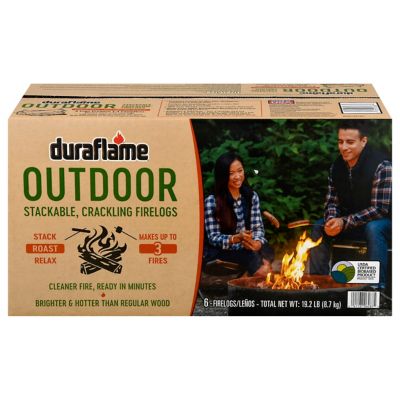
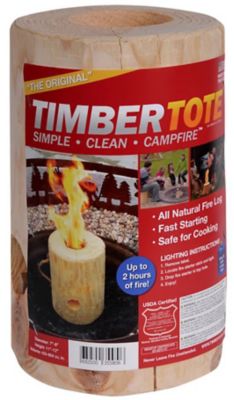
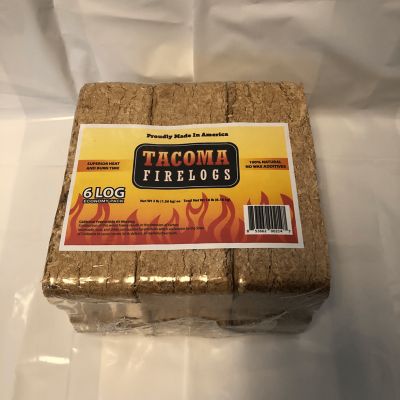
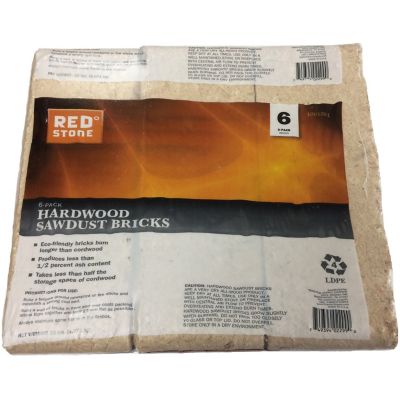
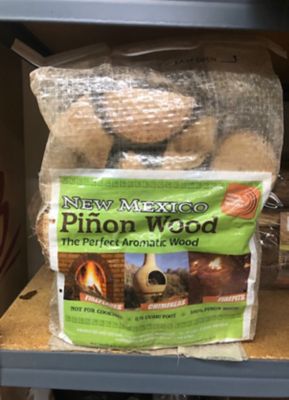
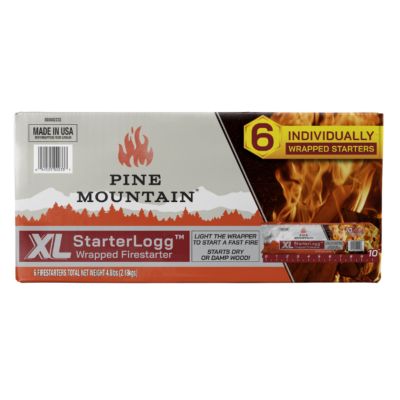
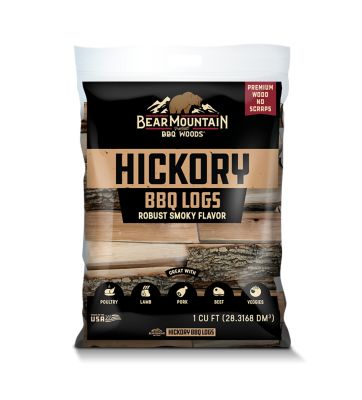
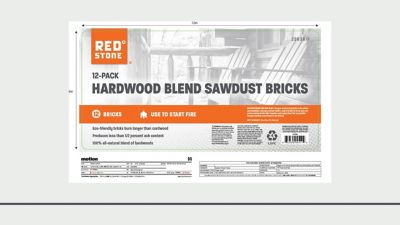
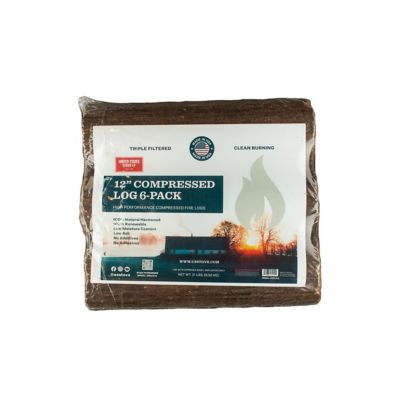
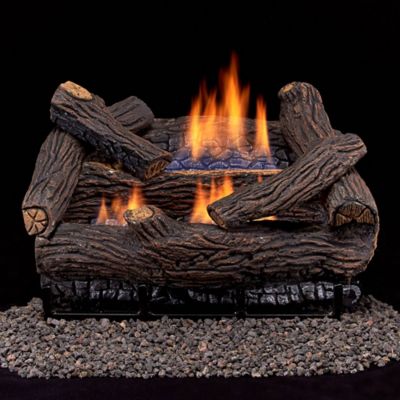
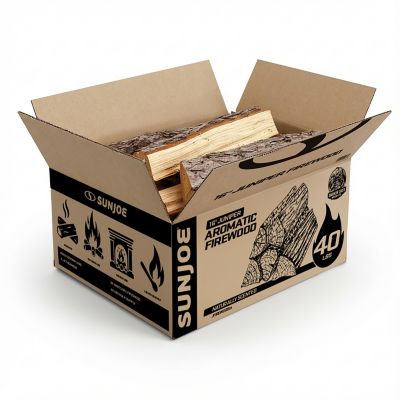
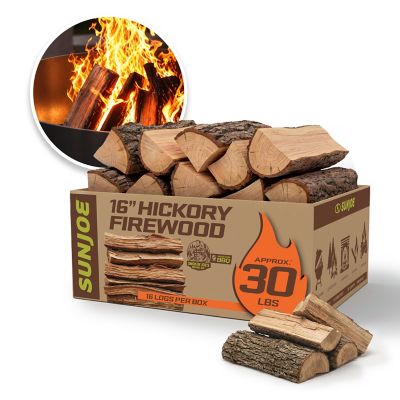
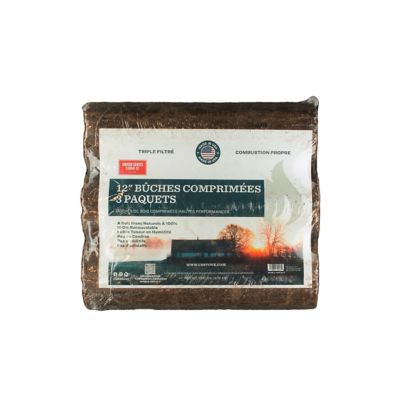
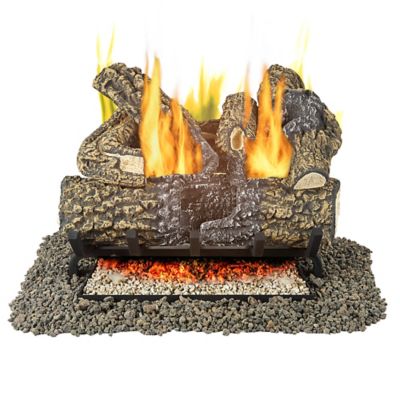
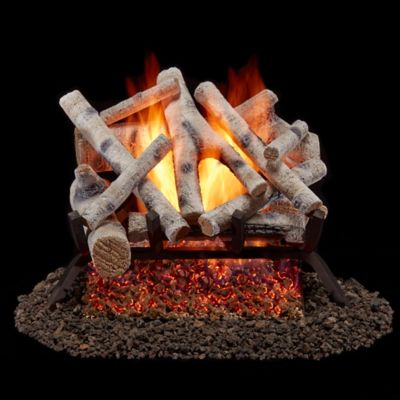
Camping fire logs are packaged fuels made from compressed wood fibers, sawdust, or solid wood and intended to provide a manageable fire without hauling a full load of split firewood. Depending on their construction, they may include wax or other binders that help the material catch and keep burning. Outdoor-rated fire logs can suit campground fire rings, compatible backyard fire pits, and other approved outdoor settings, but the package should name the intended use. Not every manufactured log belongs in a campfire, and not every outdoor log is suitable for cooking. For folks heading to a drive-in campsite, spending an evening beside the camper, or gathering around a fire ring after a day on the trail, the appeal is straightforward: a compact fuel package, less loose bark to sweep out of the truck bed, and fewer pieces to manage at the campsite. Compressed logs often have a consistent shape that makes packing simpler, while some solid-wood designs feature openings that help air move through the log as it burns. Those designs work differently from ordinary split wood, so their placement and lighting directions matter. Material also affects how a log behaves. Wood fibers and binders influence ignition and flame development, while solid-wood logs depend on their species, moisture content, and construction. Kiln-dried wood has had moisture reduced through a drying process, but that description alone does not establish cooking suitability or permission to transport it across firewood restriction boundaries. A fire log also serves a different purpose from a firestarter: one supplies fuel for the fire, while the other mainly helps another fuel catch. That distinction matters when packing for an overnight stay. A starter may help get a permitted wood fire going, but it should not be counted on to provide an evening of flames by itself. Clear labeling makes it easier to choose fuel that matches the fire you intend to enjoy.
Fit matters just as much as fuel type. A camping fire log should sit securely inside the designated burn area without hanging over the edge, blocking necessary airflow, or putting flames too close to nearby surfaces. Log dimensions, weight, and the number permitted per fire are worth comparing with the fire pit or ring you plan to use. A compact log may be easier to carry from a parking area to a campsite, while a larger format may take up more room in a tote or camper storage compartment. Packaged weight is especially important when the walk is longer than the distance from the tailgate to the picnic table. Burn time is another practical consideration, though a stated duration is not a promise of identical performance in every setting. The amount of fuel, its construction, airflow, and the approved arrangement can all affect how long visible flames last. A long flame period also does not necessarily mean a log produces the steady cooking heat a meal requires. For a longer stretch around the fire ring,
Long Lasting Fire Logs offers another way to compare fuels by intended burn duration. Lighting method deserves attention, too: some logs have a wrapper that serves as part of the ignition system, while others need a separate lighting method described on the package. Removing that wrapper or breaking the log apart can change its performance. For marshmallows, hot dogs, or campfire cooking, choose only logs explicitly labeled for that purpose and follow any restrictions on food contact or cooking arrangements. A wood-based appearance does not establish food safety. Smoke claims deserve the same careful reading. Some outdoor formulations are designed to produce less smoke under specified conditions, but no burning log is smoke-free or safe inside a tent, vehicle, or enclosed shelter. All combustion can produce carbon monoxide, and outdoor fuel still needs an open, approved setting.
Good storage helps camping fire logs arrive ready for the job. A dry storage area protects wood-based fuels from moisture, and intact packaging helps keep compressed material from shedding crumbs across camping gear. Crushed corners, a torn ignition wrapper, or material that has absorbed moisture can affect handling or lighting, so the package’s care directions are part of the buying decision. Logs that fit neatly into a storage tote can make sense for repeated campground trips, provided they remain separated from ignition sources and protected from damage. Built-in carrying features, when present, may make a short haul easier, but their stated purpose matters; a handle should never be assumed suitable for moving a burning log. Campground rules also shape the choice. Fire restrictions can prohibit all open flames regardless of how neatly a fuel is packaged, and firewood movement rules may apply to solid-wood logs. A processed or kiln-dried label is not an automatic exemption, so the destination’s requirements matter before loading the truck. Once at camp, the designated fire area, required clearances, and fuel instructions take priority over adding extra logs for a taller flame. Some manufactured fuels are meant to burn one log at a time and should not be mixed with other fuels or rearranged unless the directions allow it. Suitable extinguishing supplies belong within reach, and the fire needs attention until it is fully out. Extinguishing methods should follow both the package and campground requirements, with all remains cold before anyone leaves the site. For campers who appreciate a tidy packing routine, these details can make fuel selection less of a chore and leave more time for supper at the picnic table or conversation around the ring. Camping fire logs can also be a thoughtful addition to a camping gift for someone with a compatible outdoor fire setup. Pairing the fuel with fire-handling tools or cooking gear makes sense only when each part matches the recipient’s equipment and the log’s intended use. The best fit is fuel that suits the campsite, the available carrying space, and the kind of fire planned.