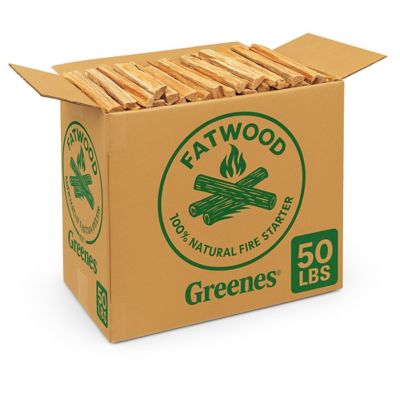
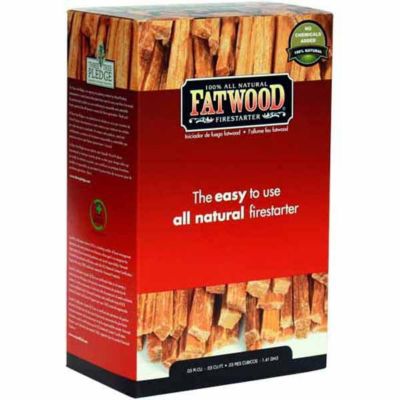
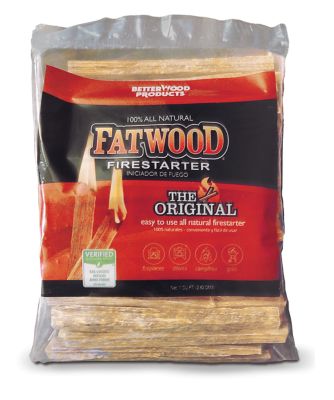
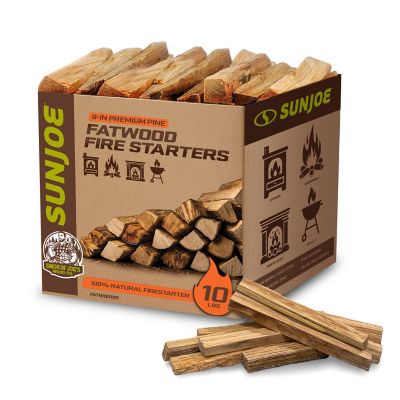
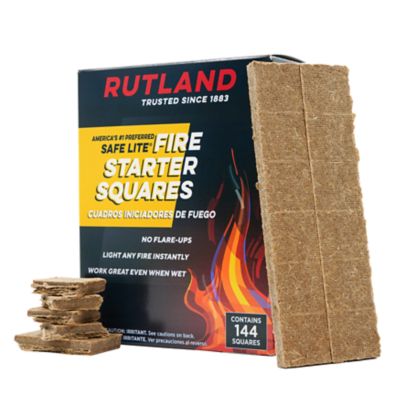
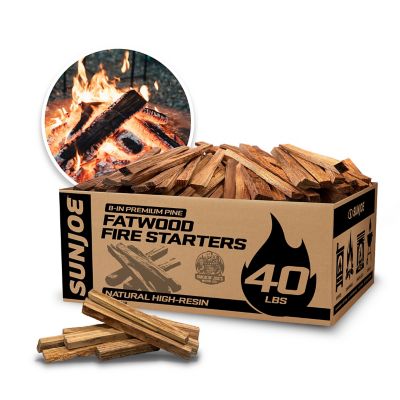
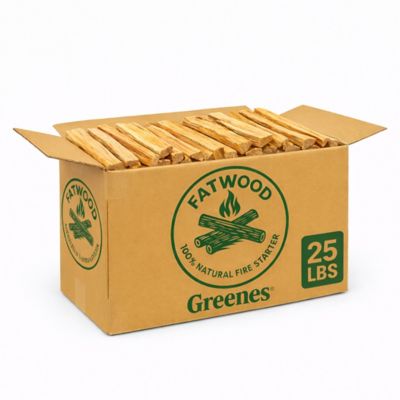
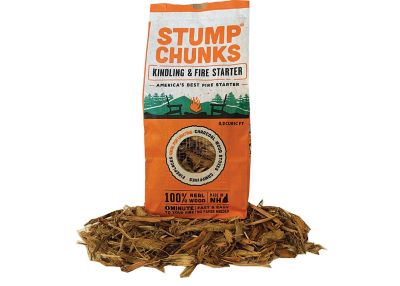
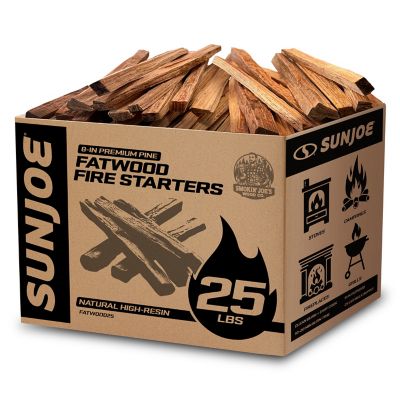
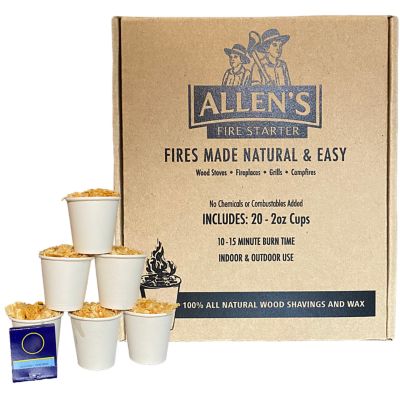
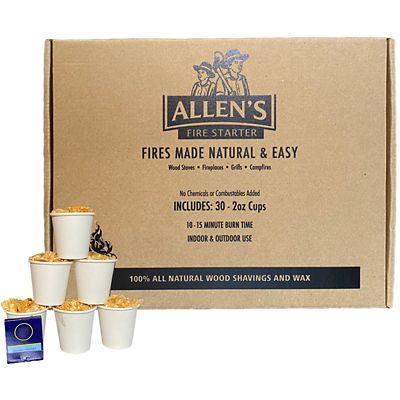
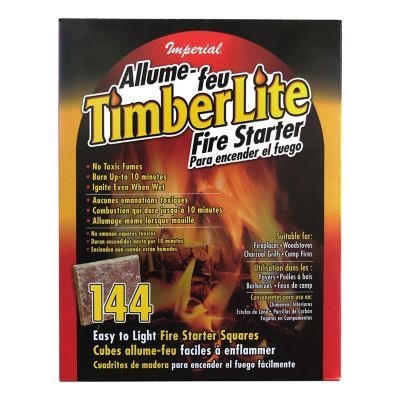
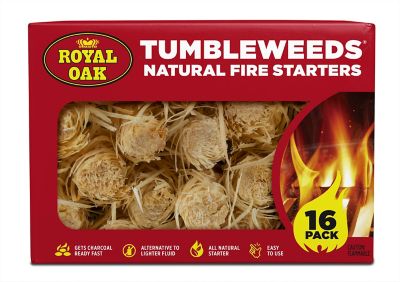
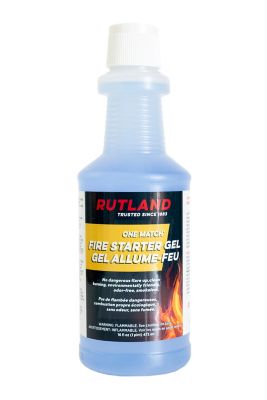
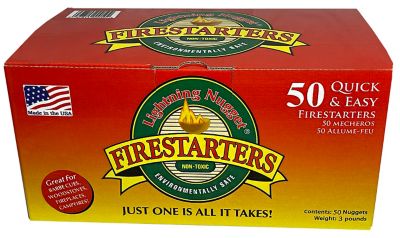
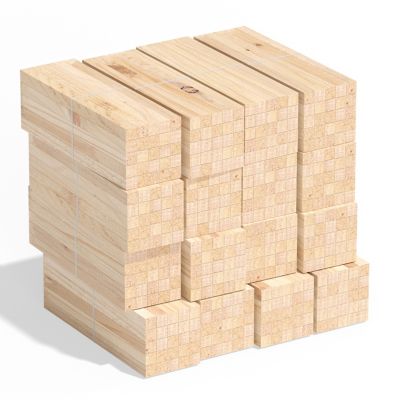
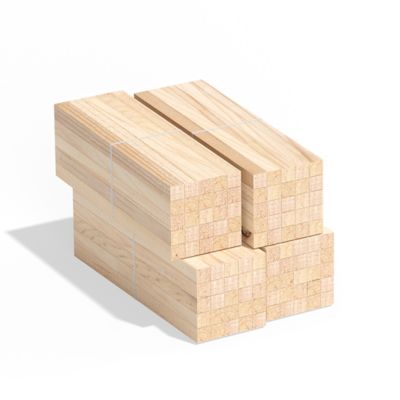
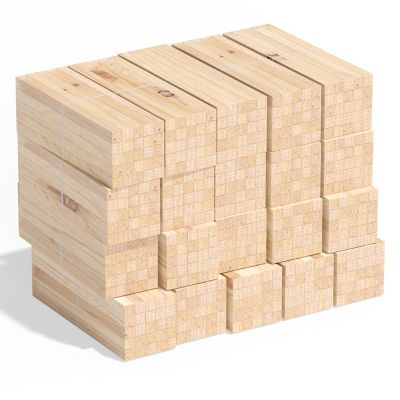
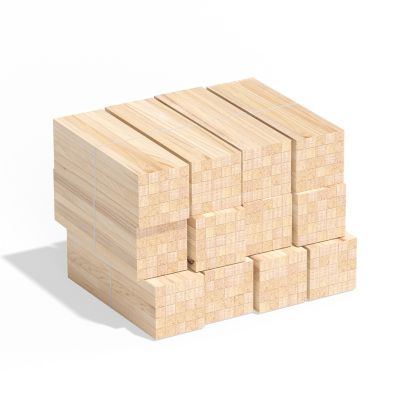
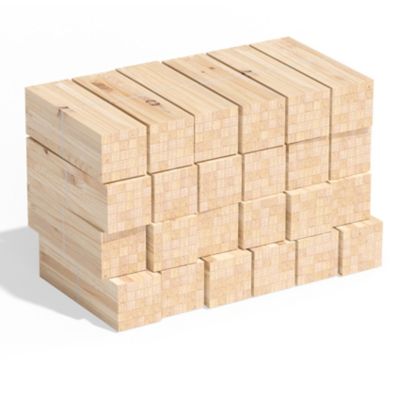
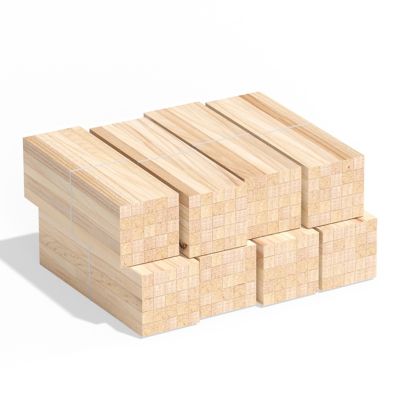
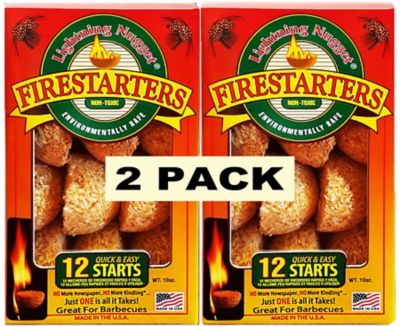
Fire starters for fireplaces help kindle a wood fire by providing a concentrated flame that gives kindling and split firewood time to catch. They are starting aids rather than the main fuel for the evening, and their materials, shapes, and burn characteristics suit different hearth setups. Common types include wax-and-wood blocks, compressed sawdust pieces, resin-rich fatwood sticks, and curled wood fibers held together with wax. Wax helps sustain the flame, while wood fibers or small sticks provide a combustible base. Fatwood gets its starting power from naturally occurring resin in the wood, making it an option for folks who prefer a solid wood starter without a separate wax coating. Some starters come in individual portions; others have sections designed to separate according to the package directions. Large match-style starters combine a striking surface with a longer-burning body, though their suitability for an indoor fireplace depends on the label. Fireplace starter gels are another category, but only formulas expressly labeled for the appliance and intended application belong near the hearth. A built-in gas log lighter is different from these portable starters: it is a permanently installed burner that helps ignite wood in a compatible wood-burning fireplace. It requires an approved installation and operation according to the fireplace and lighter manufacturers’ directions, not the same handling as a wax block or fatwood stick. For many households, the practical choice comes down to a starter that fits the firebox, is straightforward to handle, and provides enough flame time for properly arranged kindling to ignite. A small hearth at a cabin may call for a compact portion, while a larger fireplace can have different requirements specified by its manufacturer. The important distinction is between getting a fire established and keeping it going. A starter supports the first step; properly seasoned firewood, sufficient airflow, and a sound fireplace and chimney support the rest. Even a long-burning starter cannot make up for wet logs or a blocked flue.
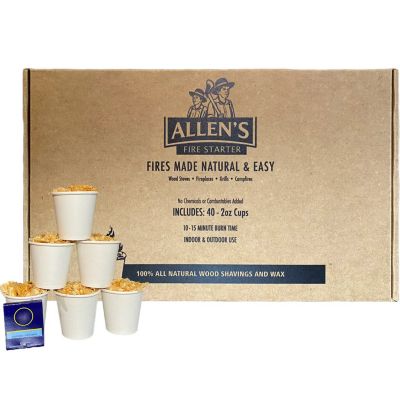
Materials and portion size tell a good deal about how a fireplace fire starter will fit into an everyday routine. Compressed wood-and-wax starters can offer tidy, measured portions that sit beneath kindling as directed, while slender fatwood sticks fit into the spaces between small splits. Curled wood starters have an open structure that exposes fine fibers to the flame. Depending on the formulation, wax-based pieces may feel firm or slightly tacky, and natural wood sticks can vary in thickness and resin content. Those differences matter when the starter is being handled beside the hearth or tucked into a storage container. Packaging that keeps pieces together and limits loose crumbs can make carrying supplies from a utility room to the fireplace less of a chore. For break-apart formats, look at the stated portion rather than assuming a whole block belongs in one fire. Burn time is another useful comparison, but a longer stated burn does not automatically mean a better match for every fireplace. The flame needs to reach the kindling without the fuel being packed so tightly that air cannot move through it. Picture a few small, dry splits resting above the starter with room between them, rather than a heavy round smothering the flame before it has a chance. Scent and ingredient information also deserve attention, especially in a living room where the fire is close to seating. An unscented label describes added fragrance, not a promise of odor-free combustion, and smoke should always travel up a properly functioning chimney. Claims about natural ingredients likewise do not establish suitability for every indoor appliance. Open masonry fireplaces, factory-built fireplaces, and wood-burning inserts can have different fuel restrictions, so the appliance manual and starter label need to agree. A starter intended for a wood fire does not belong in a gas-only fireplace, and compatibility with a pellet stove should never be assumed. Clear labeling about indoor use, ingredients, handling, and storage gives shoppers more useful information than broad claims about lighting strength alone.
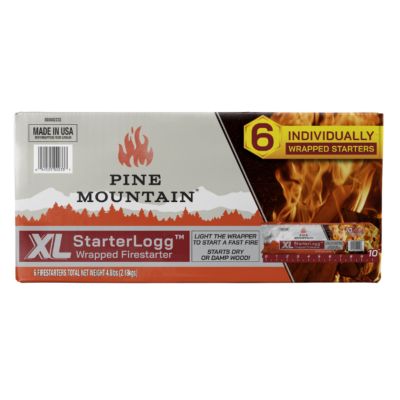
For a household that lights the hearth regularly, fire starters can simplify the stretch between laying out the wood and settling in beside an established fire. They also make practical additions to a hearth-supply gift for someone with a wood-burning fireplace, particularly when the recipient’s appliance requirements are known. A compact format may suit an occasional cabin visit, while individually portioned pieces can help keep a frequently tended hearth organized. Storage life and physical condition matter more here than resistance to wear: these supplies are meant to burn, not remain in service like fireplace tools. Keep them in their original labeled packaging, following the stated storage conditions and any shelf-life guidance. Moisture can affect some wood-based materials, and excess heat can soften certain wax formulations, so a location away from the hearth’s radiant heat is important. Storage also needs to be out of reach of children and pets, separate from ignition sources, and clear of fireplace openings. Loose fibers and crumbs should not accumulate around the hearth. When it is time to light a fire, the starter belongs only where the manufacturer directs, with the fireplace prepared according to its own operating instructions. Never add starter gel or another liquid fire-starting fuel to a lit fire, hot coals, or a hot firebox; a flame can be difficult to see even when the hearth looks quiet. Gasoline and other fuels not intended for fireplace lighting have no place in the process. A fireplace screen, working smoke and carbon monoxide alarms, and appropriate chimney inspection and cleaning remain essential parts of tending a wood fire. For households with an outdoor gathering spot as well as an indoor hearth,
Fire Logs For Fire Pits addresses a separate fuel category; outdoor labeling does not establish approval for indoor burning. Whether the setting is a farmhouse living room or a small cabin hearth, matching the starter to the appliance and the kindling keeps the focus on its real job: helping a properly prepared wood fire take hold.