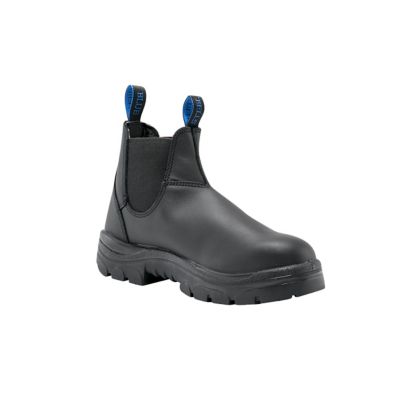
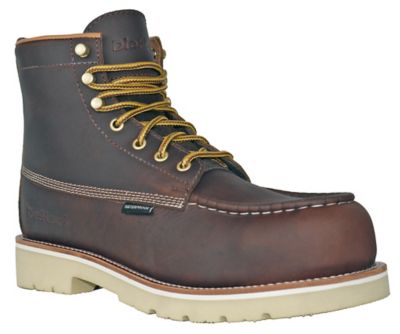
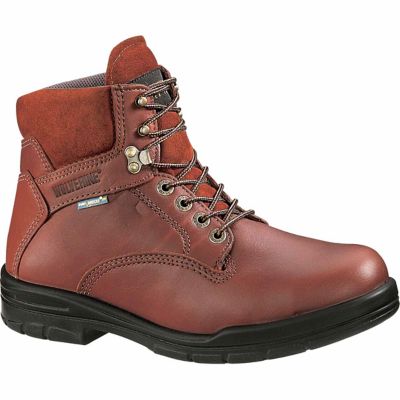
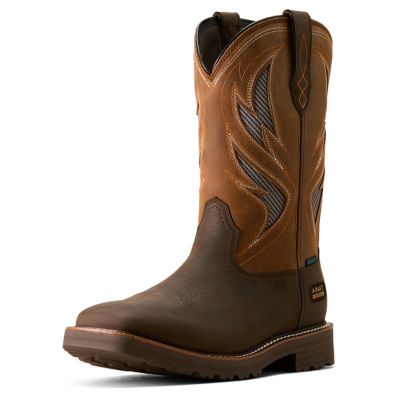
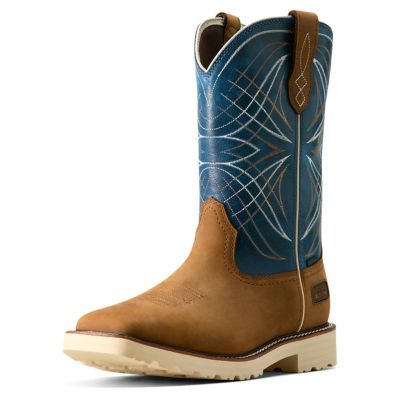
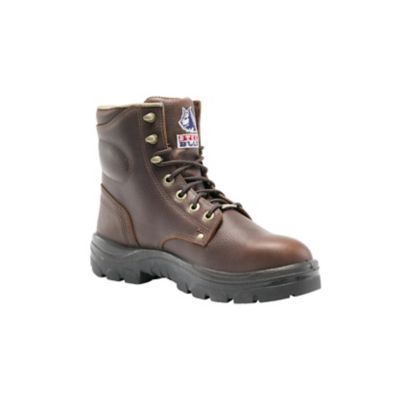
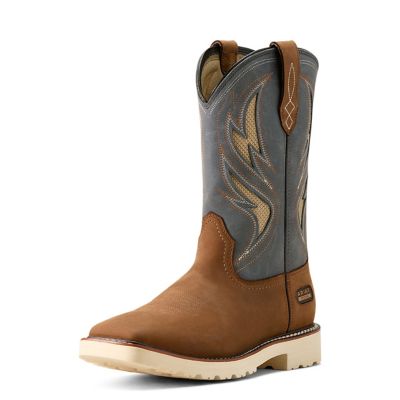
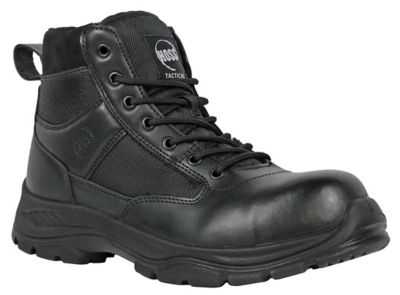
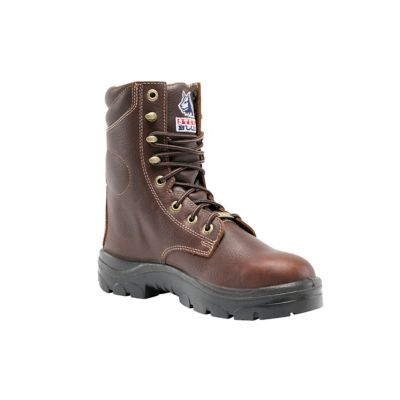
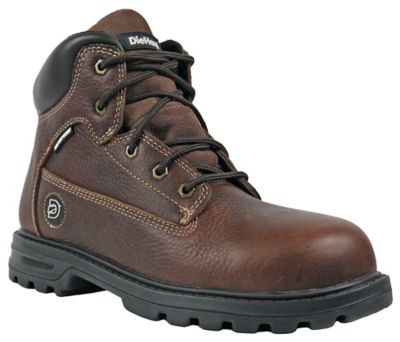
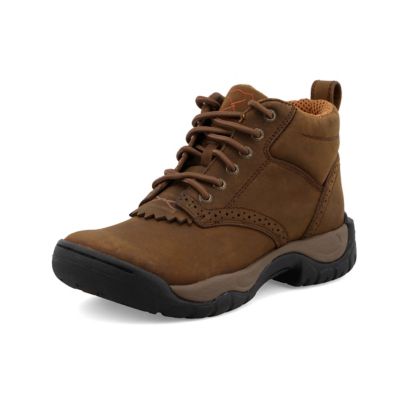
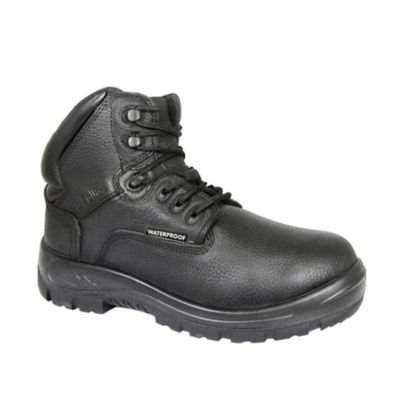
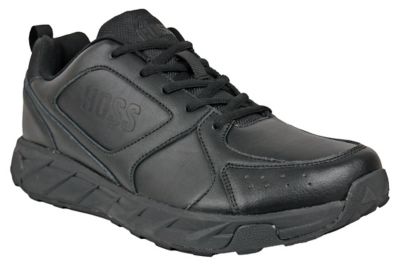
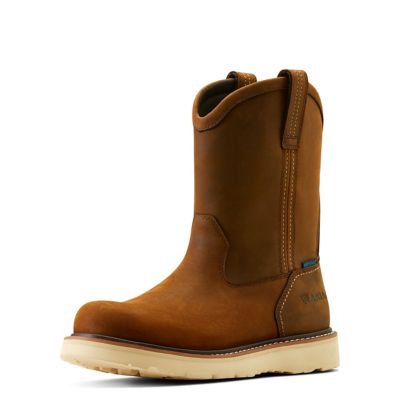
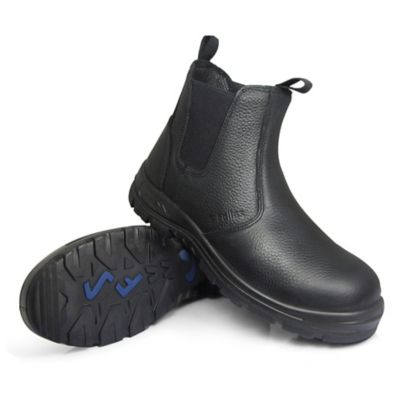
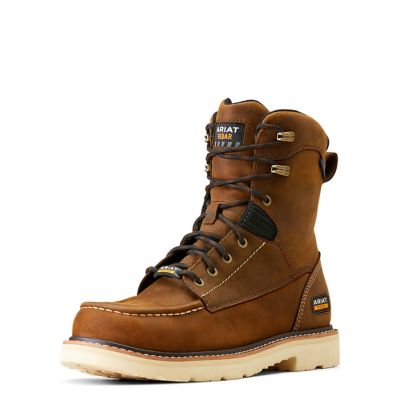
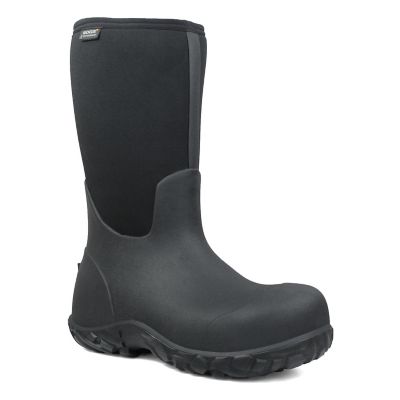
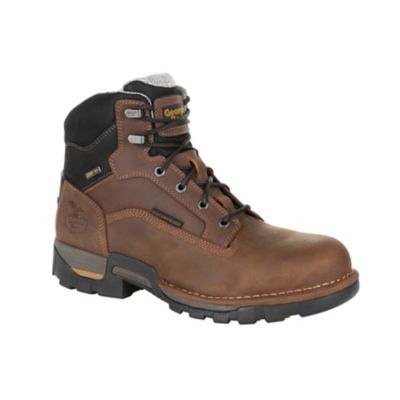
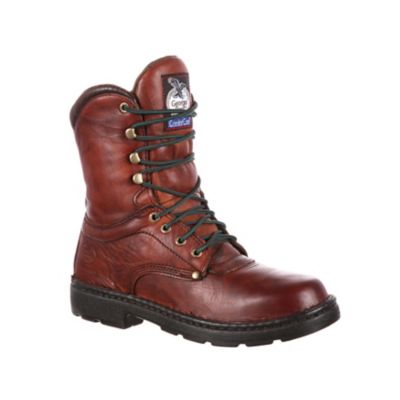
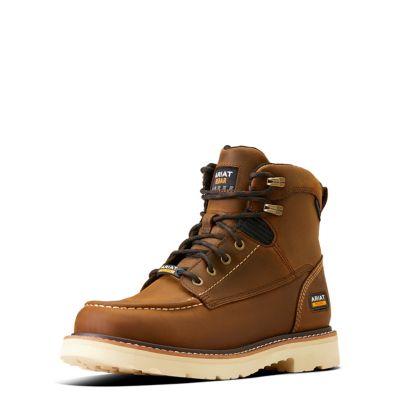
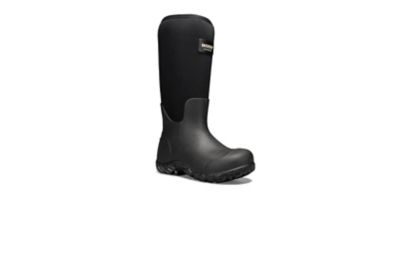
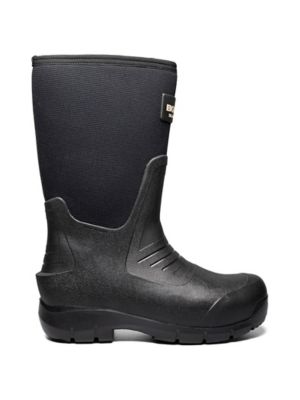
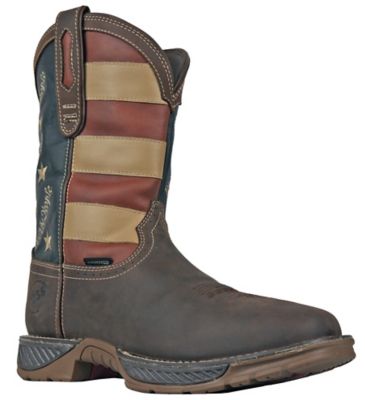
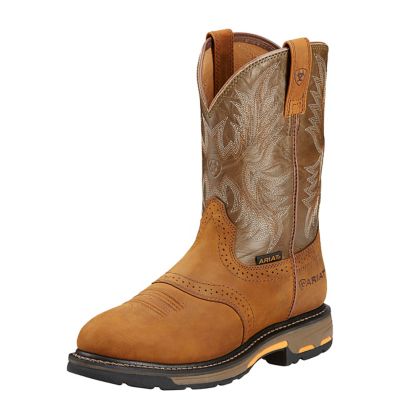
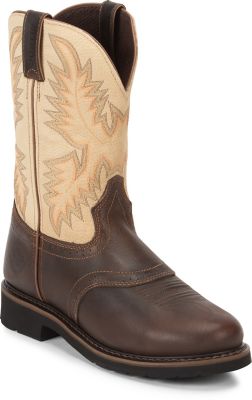
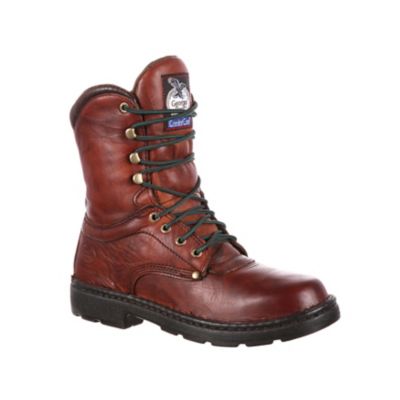
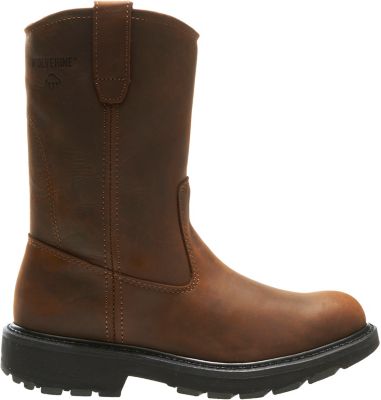
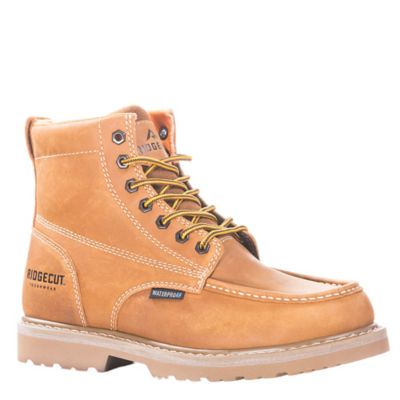
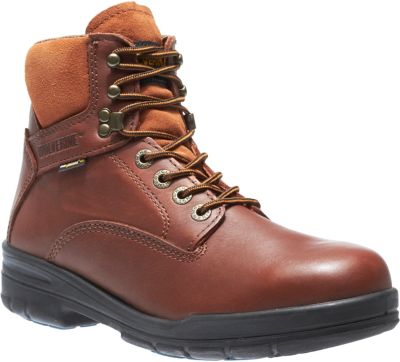
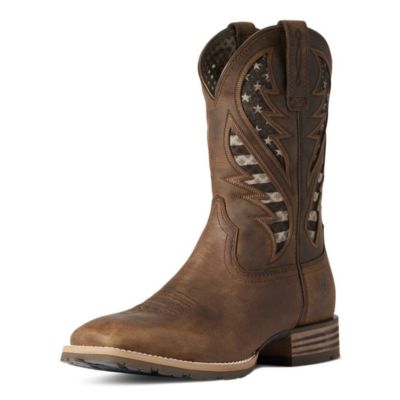
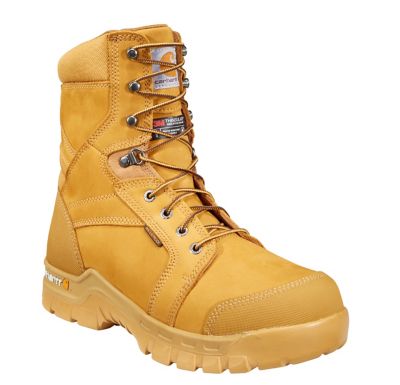
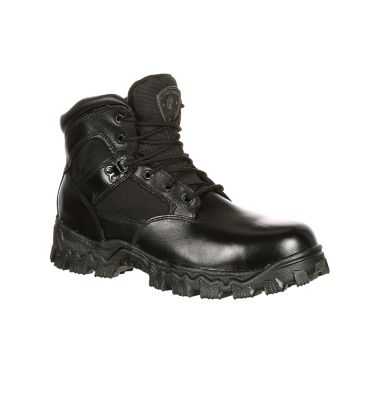
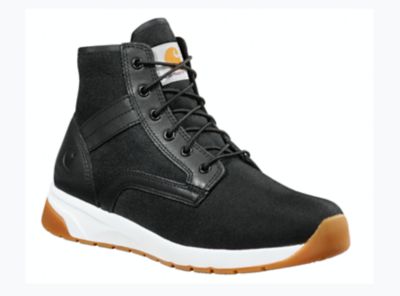
Lightweight soft toe work boots are a practical choice for people who spend long hours on their feet and need a work shoe that does not feel clunky by the end of the shift. Without a rigid safety cap, these boots can flex more naturally across the forefoot and often weigh less than safety-toe styles, which may help ease strain during a 10- or 12-hour day. That lighter feel can make a real difference for warehouse workers walking concrete floors, delivery drivers climbing in and out of a truck, carpenters moving between job sites, farm workers checking fences, and tradespeople working indoors where a safety toe is not required. Picture a cool morning at the barn, a gravel lane damp with dew, or a busy shop floor where every step adds up. A flexible boot with a supportive footbed and a sole that grips the ground can help you stay comfortable as the day stretches on. Soft toe work boots are best suited to lower-risk tasks, so always check the rules for your workplace before buying. Some job sites, farms, and industrial settings require a protective toe cap, puncture resistance, electrical protection, or other safety features. If those requirements apply, a soft toe style may not be the right fit for the job.
When comparing lightweight soft toe work boots, start with the work setting and the kind of ground beneath your feet. For indoor work on concrete, look for a cushioned midsole, steady arch support, and an outsole that helps provide traction without feeling stiff. For farm chores, outdoor construction, or work around wet grass and mud, consider boots with a lugged rubber outsole, treated leather or other weather-ready materials, and a height that helps keep moisture and grit out. A lower work shoe may feel cooler and easier to slip on for driving, warehouse shifts, and shop tasks, while a 6-inch boot offers added coverage around the ankle. Tall pull-on boots can suit ranch work, field chores, and jobs where speed matters, especially when you are stepping in and out of them throughout the day. Look closely at the closure, tongue, heel counter, and collar. Laces let you adjust the fit across the instep, while pull-on boots make quick changes simple. A padded collar can help reduce rubbing, and a breathable lining may feel better when the pace picks up during warmer afternoons. During cooler months, leave enough room for work socks without letting your heel lift inside the boot. The best fit should feel snug around the heel and midfoot while giving your toes room to spread and move. Try boots on at the end of the day, when feet are often a little fuller, and walk on a clean indoor surface to check for pressure points before heading outside.
Care can help your boots stay ready for the next shift. Brush away dry dirt after work, wipe off mud before it hardens, and let damp boots air out away from direct heat. A boot dryer on a gentle setting can help after a wet day, but high heat may dry out leather and affect the fit over time. Check the tread from time to time, paying attention to worn edges, smooth spots, loose stitching, and areas where water may get through. Replace work boots when the sole no longer gives steady traction, the footbed has packed down, or the upper no longer supports your stride. For anyone who spends the day moving between a truck, barn, shop, or job site, a lighter boot can be a welcome gift, especially when you know the recipient’s size, preferred height, and usual work conditions. It is also worth checking whether they favor a lace-up or pull-on style and whether they need room for thicker socks during colder weather. For shoppers who want to compare a lighter build with added airflow, browse
Lightweight Breathable Work Boots. Whether the day brings early chores, a long shift indoors, or steady work along a fence line, choosing the right combination of fit, flexibility, traction, and weather protection can help your feet feel more at ease from the first step to the last.