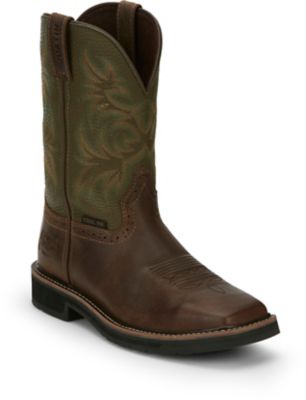
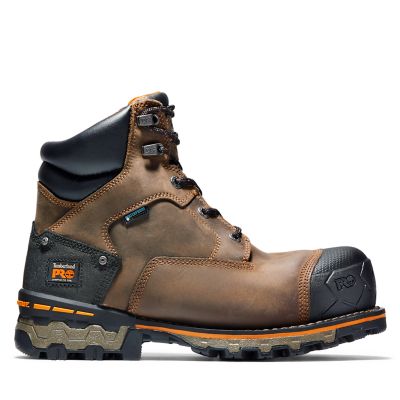
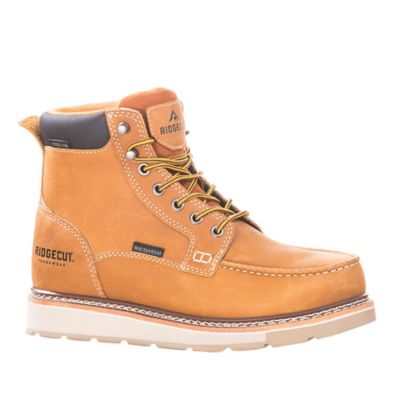
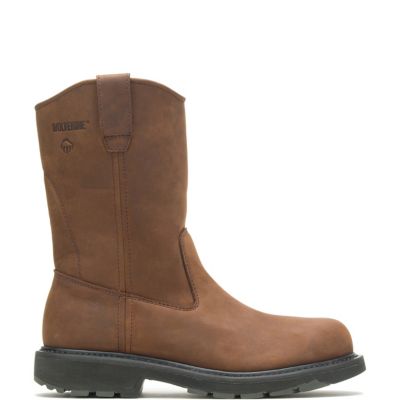
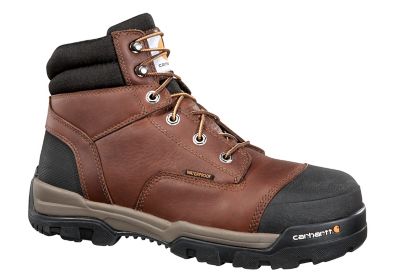
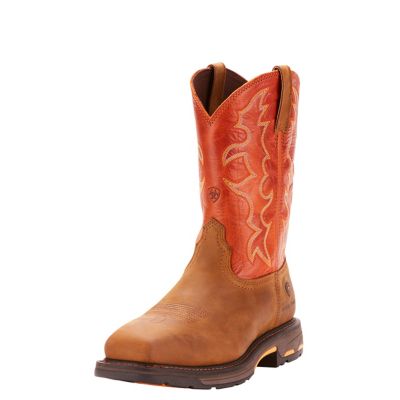
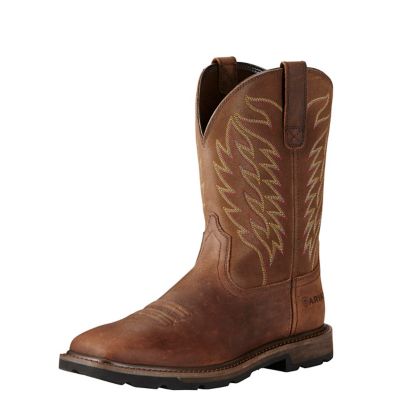
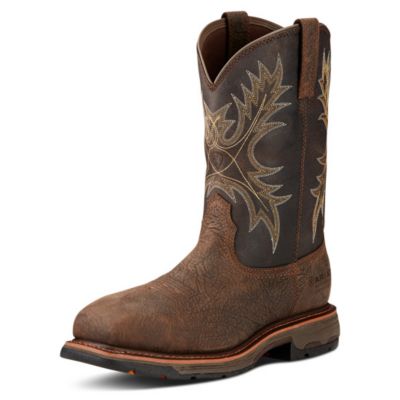
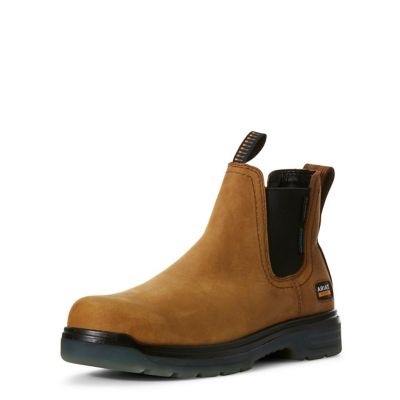
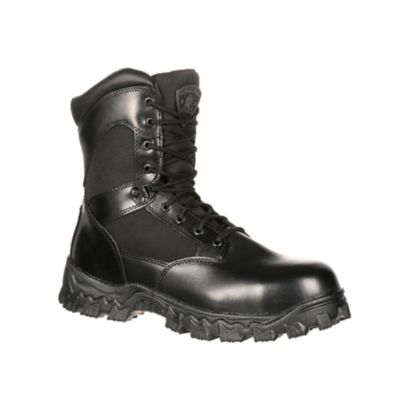
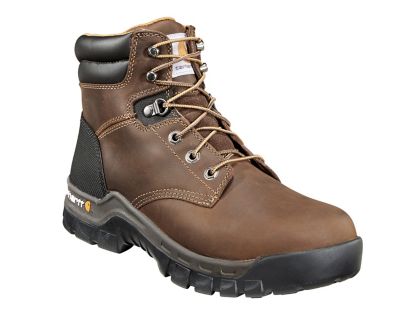
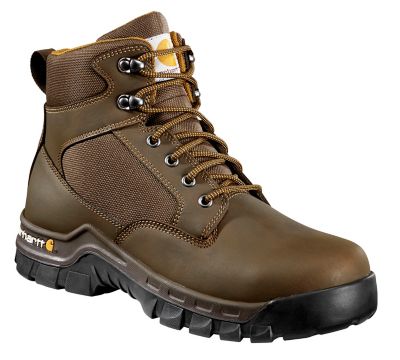
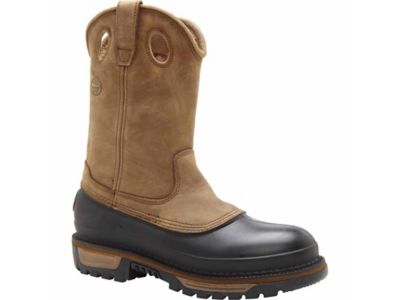
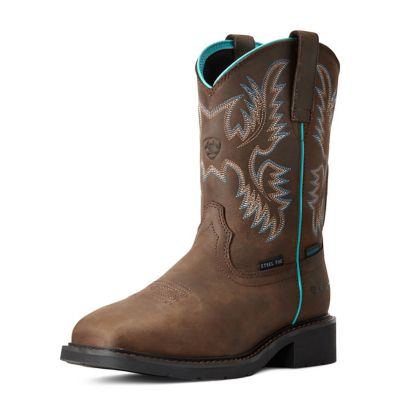
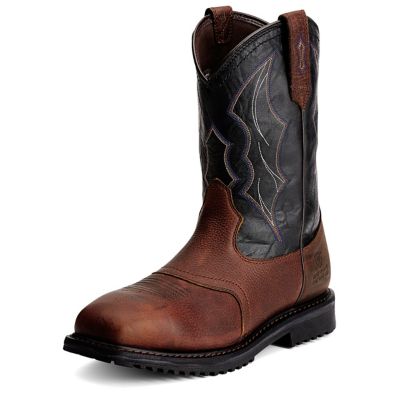
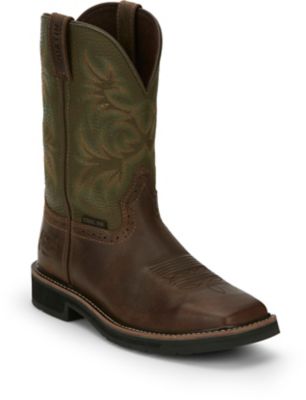
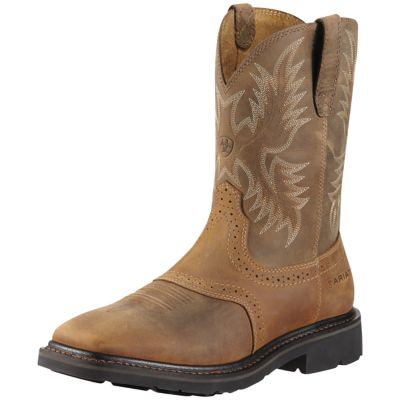
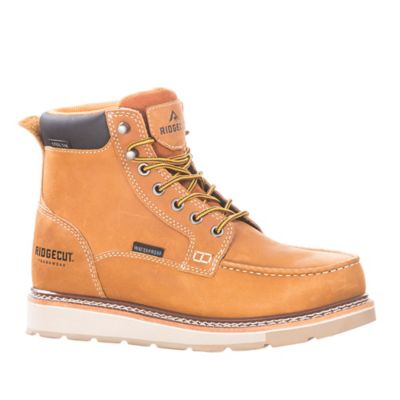
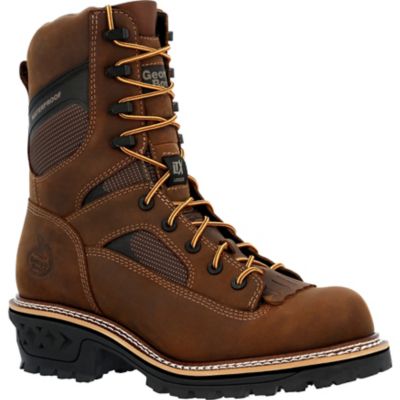
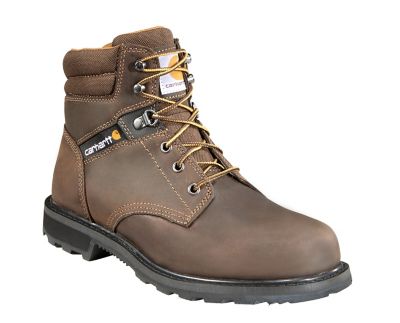
Comfortable safety toe boots pair job-appropriate toe protection with cushioning, steady support and room for natural toe movement. That combination matters when the day includes carrying feed sacks across a concrete floor, climbing into equipment or spending hours on a shop floor. A protective toe helps guard against certain impact and compression hazards, while the rest of the boot affects how feet feel through all that standing, walking and kneeling. Farmers, ranch hands, mechanics, warehouse workers and construction crews may need different features, even when their days involve similar amounts of time on their feet. Steel, composite and alloy safety toes each have a place in work footwear. Steel offers a familiar protective option, while aluminum and other alloy toe caps can reduce weight in some designs. Composite toe caps contain nonmetal materials and can also help keep boot weight down, although the weight of the whole boot depends on its outsole, upper and construction. No toe material is automatically the most comfortable; the shape of the toe cap and how it fits the foot matter just as much. A broad foot needs enough width through the forefoot, not simply extra length out front. Safety toe footwear marked to meet applicable ASTM F2413 requirements provides a clearer basis for matching protection to workplace rules than appearance alone. Other features, such as electrical hazard protection, metatarsal guards or puncture-resistant construction, serve separate purposes and should match the hazards of the job. A safety toe by itself does not establish those additional protections. For someone moving between a barn, a repair bay and a loading area, comfort comes from matching the entire boot to the work rather than choosing by toe material alone. Even a well-cushioned boot can feel wrong if the toe cap presses against the little toe or the heel slides with every step.
Underfoot construction makes a real difference over a full shift. Cushioned insoles help soften repeated foot strikes, while a supportive midsole can keep a boot from feeling flat beneath the arch. More padding is not always better: a footbed that compresses too easily may feel pleasant at first without providing the support needed for hours on concrete. Some work boots have removable footbeds, which can make room for compatible replacement insoles or prescribed orthotics, provided the change does not crowd the foot or alter the fit. A shank can add structure through the middle of the boot, especially where the foot needs support on uneven ground or ladder rungs. Flexibility belongs in the right place, too. The forefoot should bend comfortably with a walking stride without making the boot feel loose through the heel and midfoot. For jobs with plenty of walking,
Lightweight Safety Toe Work Boots offer another way to compare protective footwear with less weight to lift at each step. Overall comfort still depends on fit, support and the demands of the work. Lace-up designs allow adjustment across the instep and around the ankle, which can help hold the foot in place on uneven footing. Pull-on styles offer straightforward on-and-off wear, with fit depending more heavily on the shape of the boot, the instep and the heel. Some heel movement may occur in a pull-on boot, but excessive slipping can lead to rubbing. Work socks also affect the fit by adding cushioning and managing perspiration. Trying boots with the socks intended for the job gives a better picture of toe room and heel hold. Feet should not strike the front when walking down an incline, and the protective cap should not press into the toes when crouching. Leather may soften with wear, but a safety toe cap will not stretch to fix a cramped fit.
Upper materials, outsole design and everyday care all influence how comfortable safety toe work boots hold up to demanding work. Leather uppers can offer abrasion resistance and gradually conform around the foot outside the protective toe area. Textile panels can add flexibility and breathability, while reinforced areas around the toe and heel can help handle scuffs from kneeling beside equipment or brushing against rough surfaces. A waterproof construction may be useful around wash areas and other wet work settings, though breathability and moisture management inside the boot still matter. Outsoles deserve just as much attention as uppers. Deep lugs can help on loose dirt, while other tread patterns are designed for contact with smoother work floors. Slip-resistant footwear can improve traction on specified surfaces, but no tread eliminates slipping, and packed-in mud or worn tread can reduce grip. Oil resistance describes another outsole property; it does not mean a boot is suitable for every chemical found around a shop. For repeated climbing, a defined heel may suit certain tasks, while a broad, flatter sole can feel steady during extended standing. The best match depends on the surface, equipment and workplace requirements. Construction also affects service life: stitching, bonded components and welted designs each need sound connections between the upper and sole. Some welted boots can be resoled, depending on their condition and construction. Routine care helps preserve flexibility and keeps small problems easier to spot. Brushing away dirt, cleaning with a material-appropriate product and allowing boots to dry naturally away from direct heat can help protect leather and other components. Conditioner belongs on compatible leather, not every upper material. Removable insoles can be taken out to air between wearings, and tread grooves benefit from regular clearing. Cracked soles, separated seams, badly worn tread or a damaged toe area are reasons to reassess the footwear rather than keep pushing through another shift. Comfort and protection work best together when boots fit the foot, suit the job and remain in sound condition.