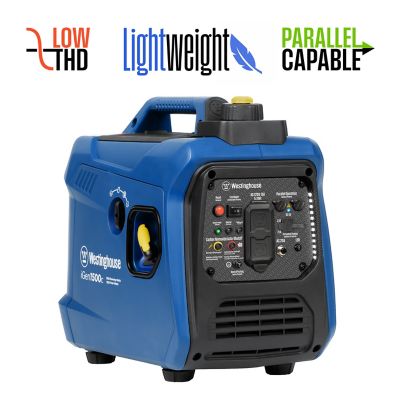
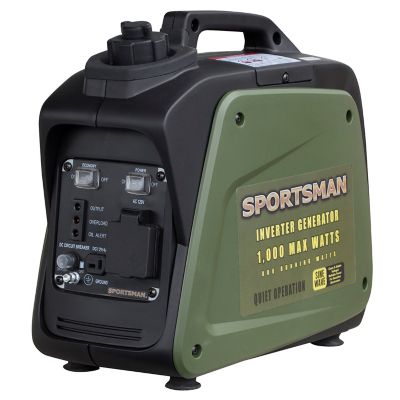
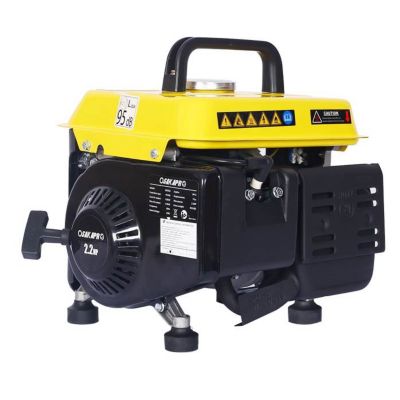
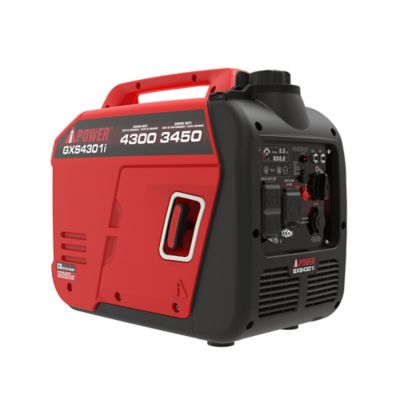
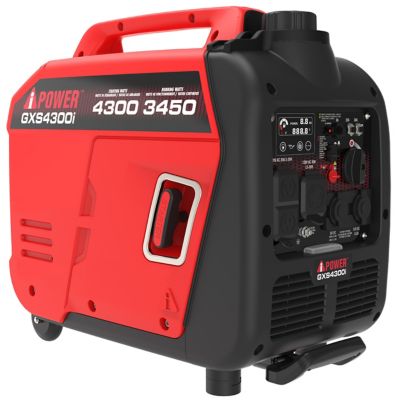
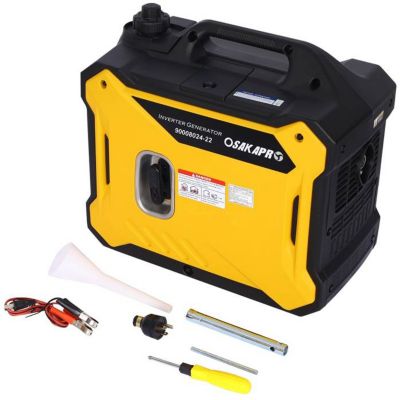
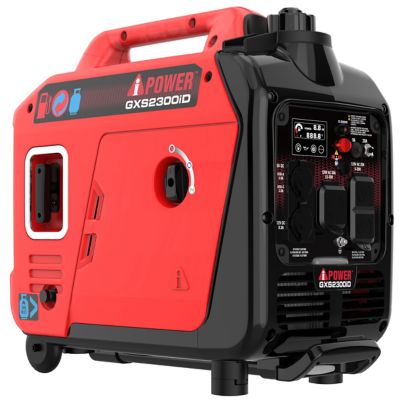
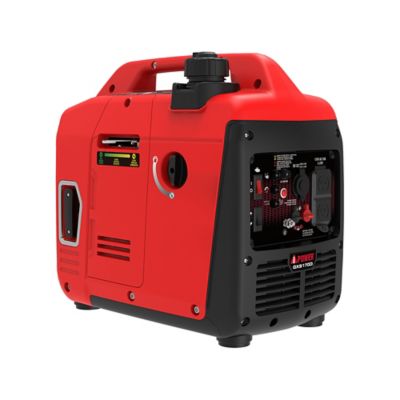
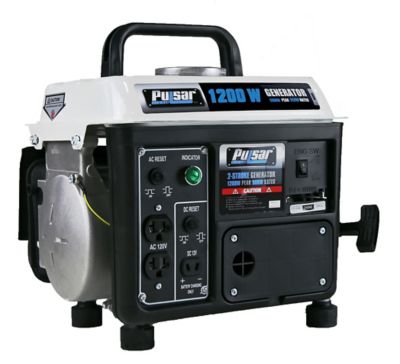
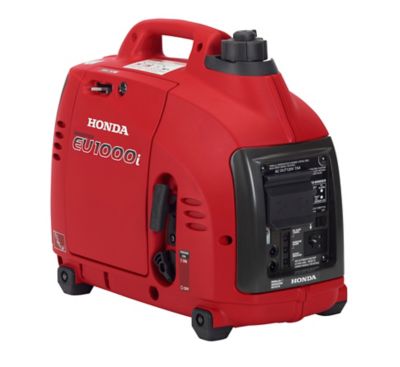
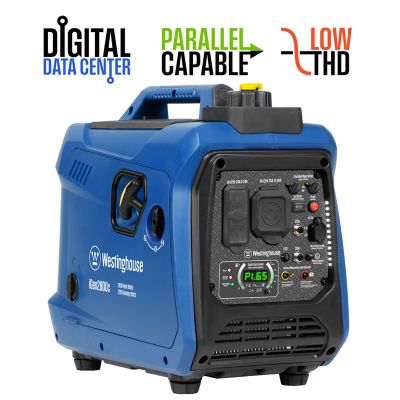
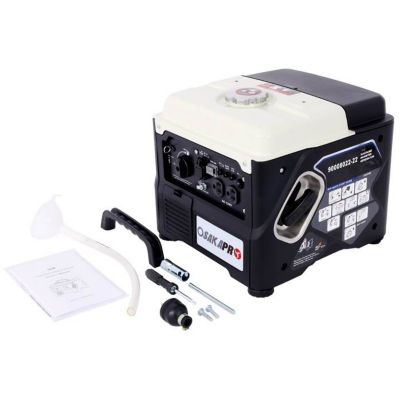
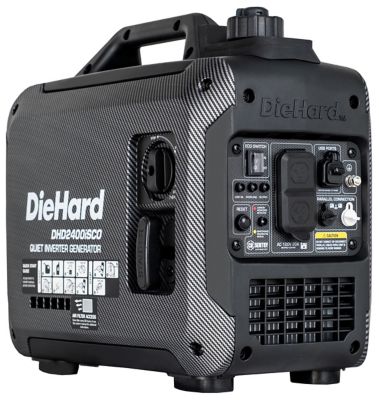
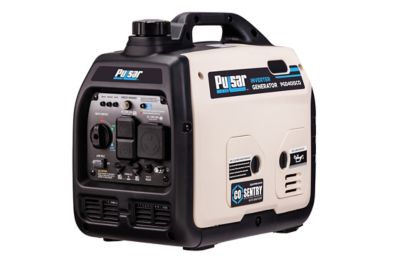
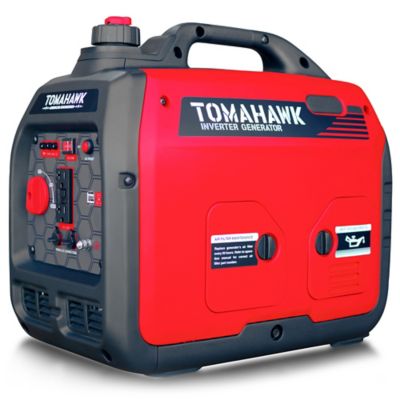
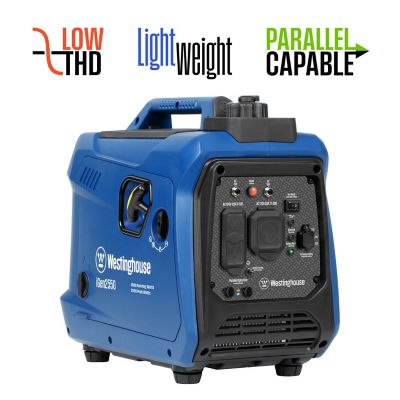
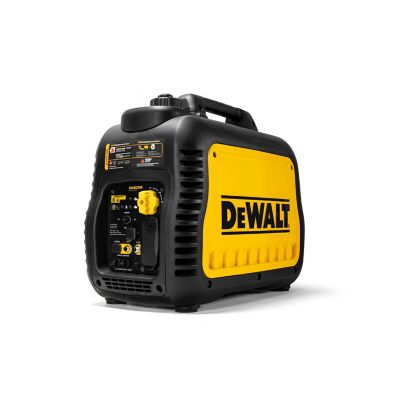
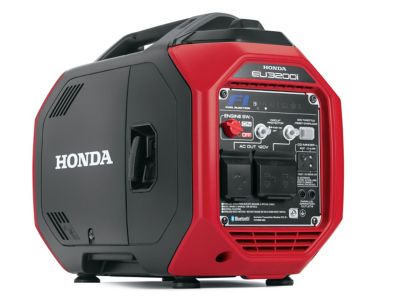
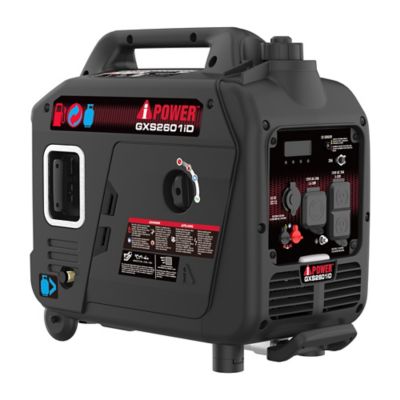
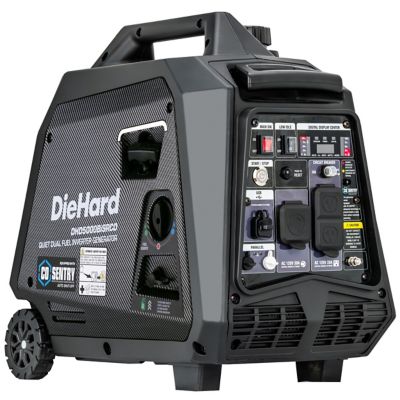
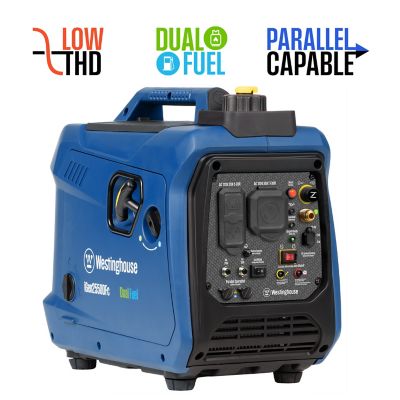
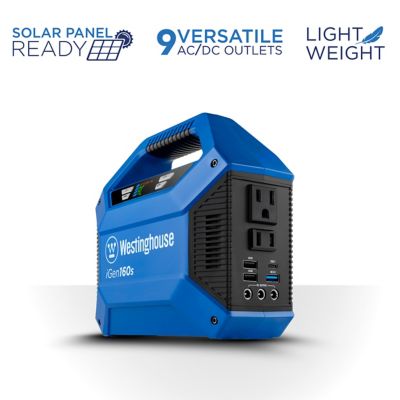
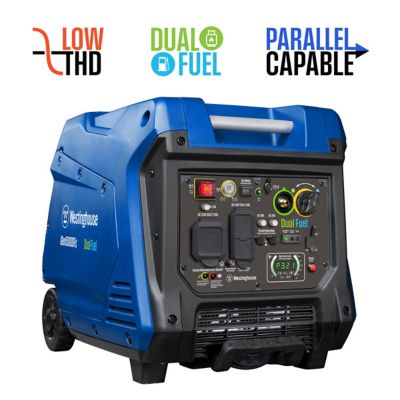
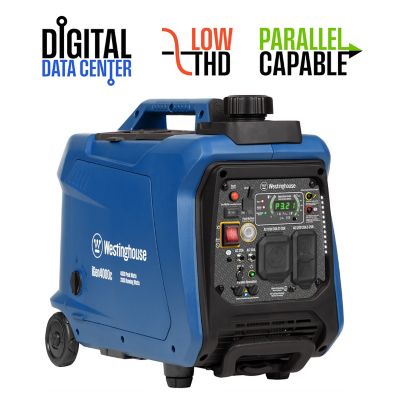
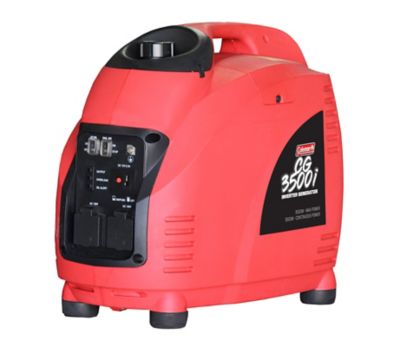
Lightweight generators bring portable power to the places where an outlet is too far away, whether that means a campsite, a fence repair across the property or a small project beside an outbuilding. Many compact inverter generators weigh roughly 25 to 55 pounds before fuel, though weight and output vary by model. That makes dry weight a useful starting point, not the whole story: gasoline, engine oil and any carrying accessories add to the load heading into a truck bed or across a gravel lane. For one-person handling, the balance of the housing and the shape of the carry handle can matter nearly as much as the number on the specification sheet. These smaller generators generally suit a few selected appliances, lights or tools rather than whole-house service. Running watts describe the power a generator can supply continuously, while starting watts cover the brief extra demand of equipment with motors or compressors. A refrigerator, small pump or power tool may need substantially more power to start than to keep running, so both ratings matter when matching a generator to the job. A compact unit that handles lighting and phone chargers comfortably may not have enough output for an RV air conditioner or several tools operating together. Checking appliance labels and manufacturer starting requirements helps keep expectations grounded. At a campsite, that might mean power for a fan, lights and battery chargers; around the property, it could mean operating a small corded tool away from the barn. For limited home backup, the focus is often a refrigerator and a few essentials, with loads managed within the generator’s rating. Inverter models are common in this weight range, and their controlled electrical output can suit electronics when the generator’s specifications meet the equipment manufacturer’s requirements. Low total harmonic distortion is worth checking for sensitive devices rather than assuming every portable generator produces the same output. The best match balances carrying weight with enough usable power for the work at hand.
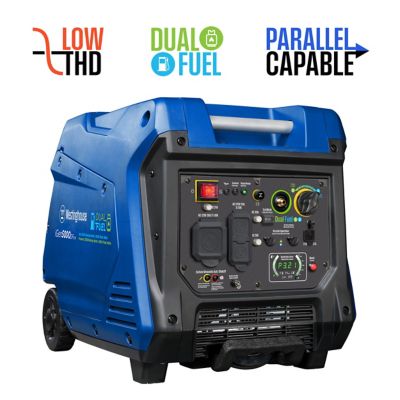
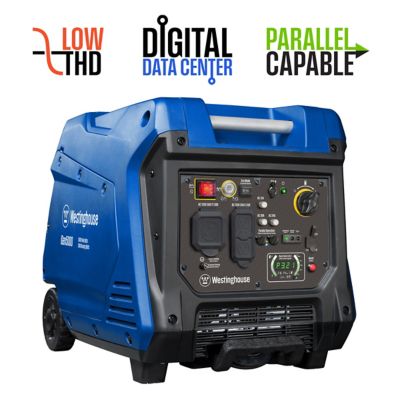
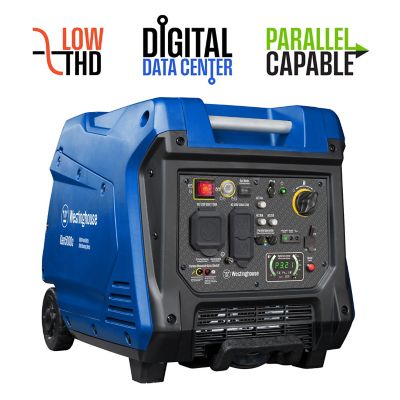
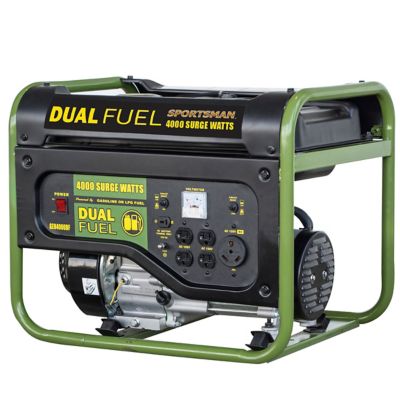
Fuel choice, runtime and outlet layout help distinguish lightweight portable generators that might otherwise look much alike. Gasoline models offer a familiar fueling setup, while dual-fuel designs can operate on gasoline or propane according to their specifications. Output and runtime may differ between fuels, and a propane cylinder, regulator and hose add to the gear that travels along. A smaller generator can be easy to carry on its own without making the entire power setup equally light. Runtime claims also deserve a close look at the stated load: a figure measured at one-quarter load will not describe how long the same tank lasts near full output. Economy modes on some inverter generators adjust engine speed with electrical demand, which can reduce fuel consumption and sound at lighter loads. Noise figures are most useful when compared at the same distance and load, since a low decibel number without that context tells only part of the story. Enclosed housings often help soften engine noise, while open-frame designs may provide convenient access around the engine. Molded outer panels can keep carrying weight down, and metal frame sections can provide lifting points or help shield components from everyday bumps. Recessed controls, secure outlet covers and accessible service panels are practical details for equipment that rides between a garage shelf, pickup bed and work area. A handle with room for a gloved hand can make a difference when lifting, provided the generator stays within the operator’s lifting ability. Outlet types matter, too: an RV-style receptacle does not mean a small generator can deliver the full capacity of an RV electrical connection. Parallel capability on certain inverter models allows compatible generators to connect through the specified kit, but compatibility and combined output need confirmation. Clear controls and straightforward startup also belong in the comparison, making
Generators For Easy Operation a natural next stop when manageable handling matters as much as manageable weight.
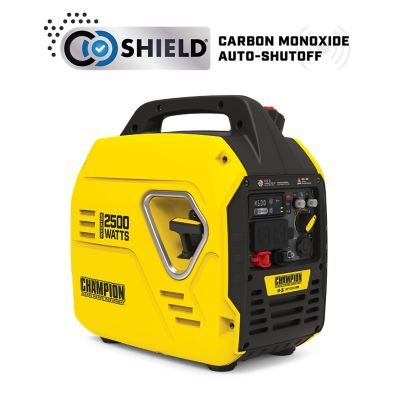
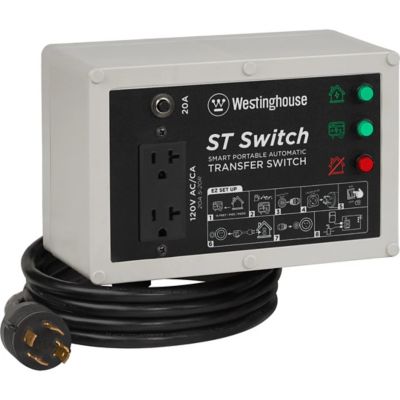
A lightweight generator earns its place through practical details that make hauling, operation and upkeep less of a chore. Pull-start systems keep the setup simple, while electric-start designs can reduce the effort of starting the engine but bring a starting battery that needs attention. Fuel gauges, hour meters, low-oil shutdown and readable load indicators can help an owner keep track of operation without much guesswork. Carbon monoxide shutoff is another feature worth considering, but it does not make a fuel-burning generator safe indoors or close to occupied buildings. Operate a portable generator outdoors, at least 20 feet from buildings, with exhaust directed away from doors, windows and vents; garages, barns, sheds, trailers and enclosed porches are not safe operating locations. Working carbon monoxide alarms inside nearby occupied spaces provide another important layer of protection. Placement also needs to account for a stable, level surface and the clearances specified in the owner’s manual. Outdoor-rated, grounded extension cords must have the proper capacity for the connected equipment and cord length, with intact plugs and insulation. Supplying household wiring requires properly installed transfer equipment and a qualified electrician; a generator must never feed power through a wall outlet. For everyday ownership, convenient access to the oil fill, drain, air filter and spark plug can make routine service easier to keep up with. Maintenance intervals depend on the engine and operating conditions, so the manual remains the reference for oil changes, inspections and storage preparation. Gasoline storage calls for an approved container and the fuel treatment or draining procedure the manufacturer specifies. Shut the engine off and let it cool before refueling, and secure the generator upright for transport as directed. Covers belong on a stored generator only after it has cooled, never over a running unit unless the manufacturer explicitly approves that enclosure for operation. With sensible load matching and regular care, a compact generator can serve campers, RV travelers and property owners who need portable power without hauling a larger machine for every small job.