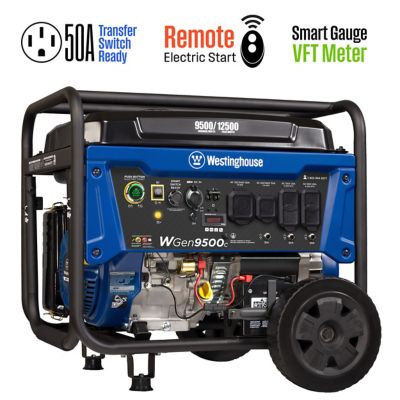
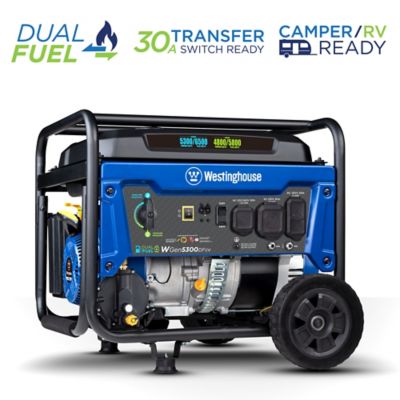
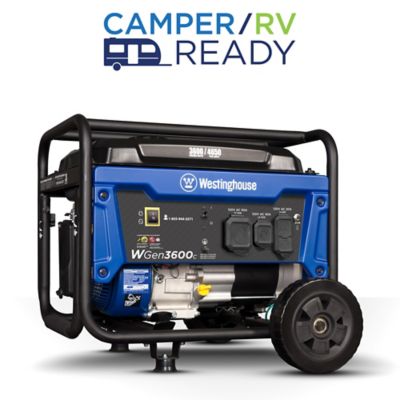
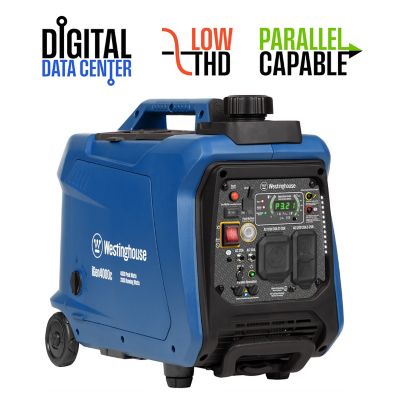
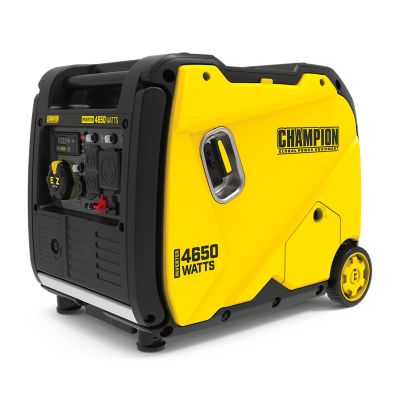
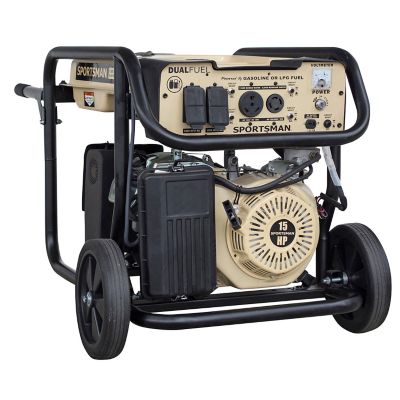
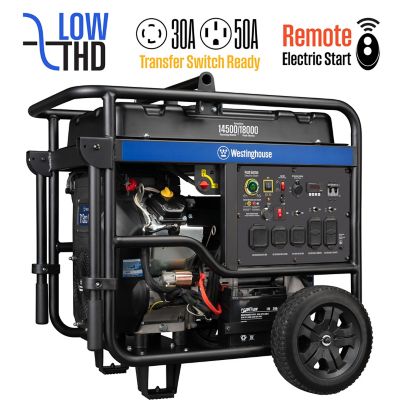
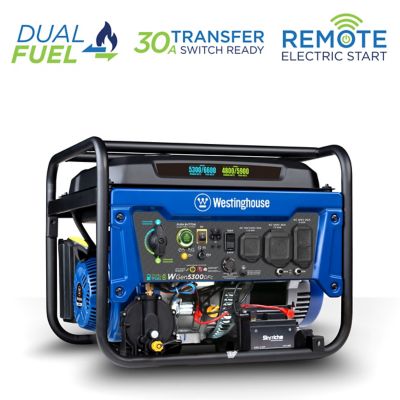
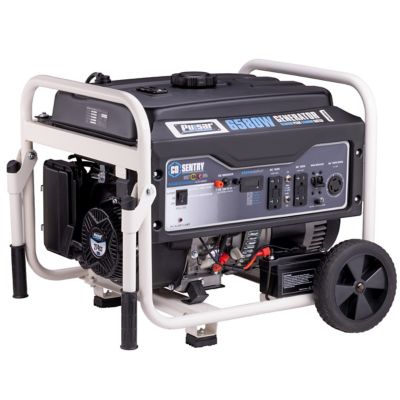
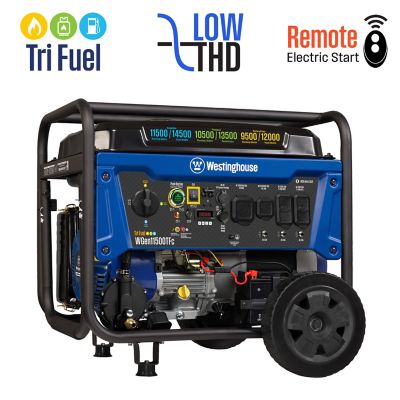
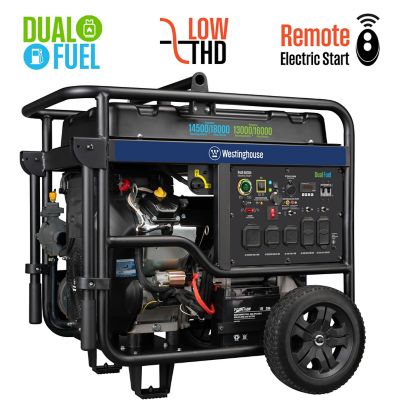
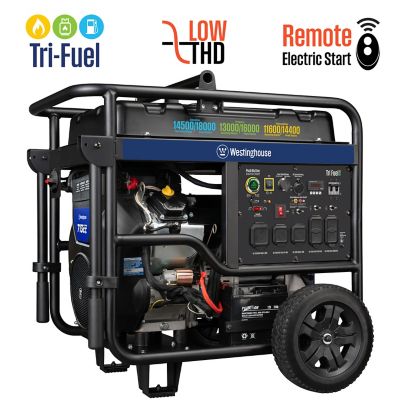
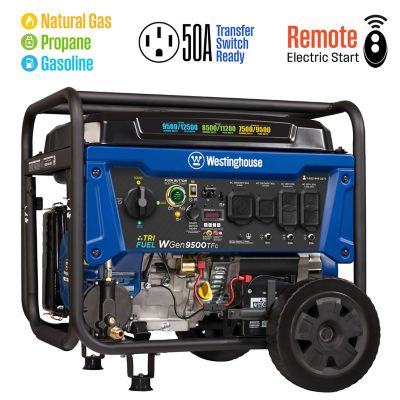
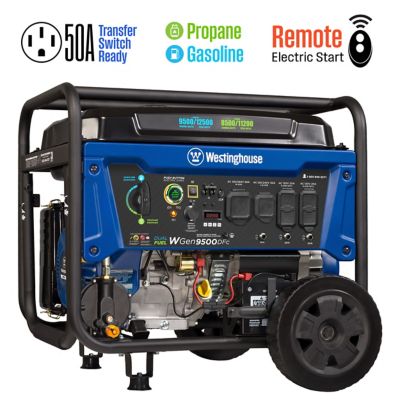
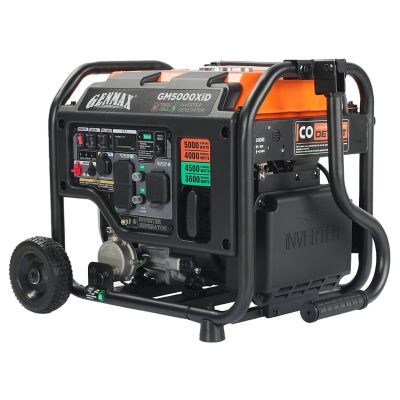
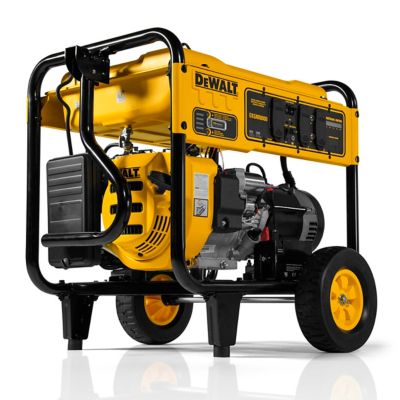
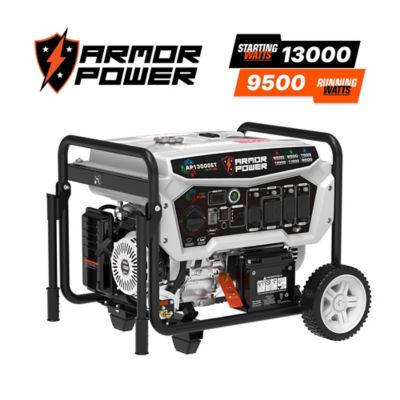
Long-running generators provide power for extended stretches between refueling stops, making them a practical fit for home backup, farm chores, remote work sites, and places beyond the reach of a utility line. Depending on the design, fuel supply, and electrical load, runtime may range from roughly 8 hours to more than 24 hours under the manufacturer’s stated conditions. That range is not a guarantee for every generator, and a larger tank alone does not tell the whole story. Engine efficiency, operating speed, and the equipment drawing power all affect how long a fuel supply lasts. Keeping a refrigerator, freezer, and a few lights going places a different demand on a generator than running a well pump alongside power tools. On a rural property, the right fit might mean keeping food cold and maintaining access to water while utility service is interrupted. At a work site, it might mean powering tools through a full day without frequent trips back to the fuel cans. Runtime ratings become more meaningful when the stated load is part of the comparison. A rating at one-quarter load cannot be compared directly with one at half load, and the same load percentage can represent different wattages on different machines. Running watts describe the power available for ongoing operation, while starting watts cover brief surges from equipment such as pumps and compressors. Both matter when several loads share one generator. A machine with enough running capacity but too little starting capacity may struggle when a motor kicks on. Inverter generators can adjust engine speed with demand, which may stretch fuel further at lighter loads, while conventional designs often maintain a steady engine speed. Neither design automatically delivers the longest runtime in every setting. The most useful comparison brings together rated output, fuel capacity, runtime at a stated load, and the actual equipment that needs power, with room for those brief starting surges.
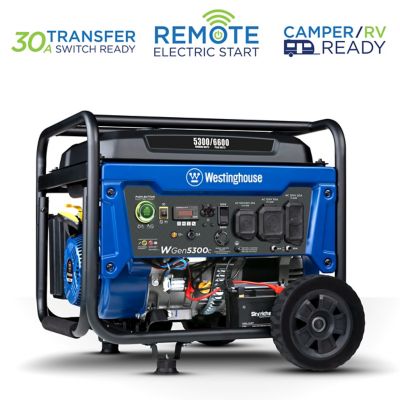
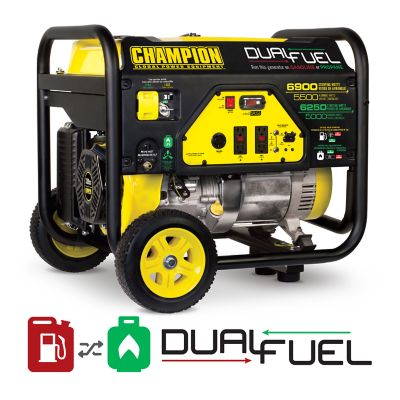
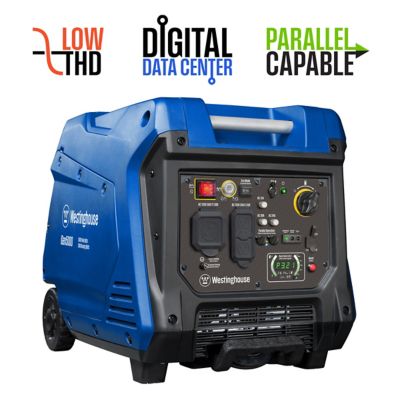
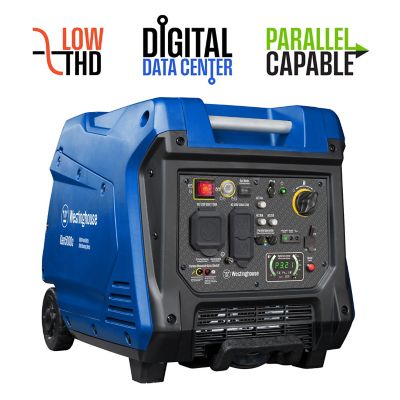
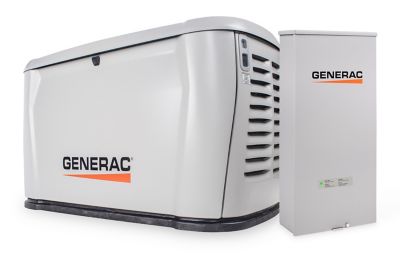
Fuel choice shapes both the operating routine and the kind of work a long-running generator can handle. Gasoline-powered portable generators suit many household backup and mobile work needs, though gasoline storage calls for approved containers and attention to the engine manufacturer’s fuel guidance. Propane offers another fuel option, with runtime tied partly to cylinder capacity and fuel consumption at the selected load. A small cylinder and a large, properly connected supply tank will not support the same operating time. Dual-fuel generators offer flexibility between supported fuels, but their output and runtime can change with the fuel selected. Fuel switching procedures also vary, so dual-fuel capability should not be taken to mean automatic switching or uninterrupted operation. Diesel generators often serve extended work and heavier electrical demands, although tank size and load still determine the time between refueling stops. Permanently installed standby generators may connect to an approved propane or natural gas supply and can support longer operation without the same portable-tank routine. They still require scheduled maintenance, fuel service, and installation that matches local requirements. Physical construction matters alongside the fuel system. Steel frames help protect exposed components during transport and handling, while enclosed housings can reduce operating sound. Neither style belongs inside a building. Wheels, lifting points, and folding handles affect how manageable a generator is around a gravel drive or equipment shed, especially with fuel aboard. Published weight is worth checking because a portable label does not necessarily mean easy lifting. Outlet types, voltage, circuit protection, and cord connections also need to match the intended loads. A well pump may need a different connection than a freezer or a set of battery chargers. For electronics, manufacturer specifications for waveform and total harmonic distortion provide more useful information than a broad promise about clean power. Noise ratings deserve the same close look: readings taken at different distances or loads do not offer an even comparison. These details help separate a generator that merely runs a long time from one that fits the property and the work.
Long operating stretches make access to service points and clear controls especially worthwhile. An easy-to-read fuel gauge, an hour meter, accessible oil fill, and a well-placed drain can make routine care less of a chore. Electric start can simplify startup, while a recoil backup may provide another starting option where included. Battery care still matters on electric-start models, and low-oil shutdown does not replace checking the oil level. Air filters, spark plugs, and other service parts need attention on the schedule in the owner’s manual, which may call for more frequent checks in dusty working conditions. Even a generator with enough fuel for an extended run must stop when its maintenance schedule requires it. Refueling also calls for shutting the engine off and letting it cool as directed; adding fuel to a running or hot engine creates a fire hazard. Portable generators belong outdoors, at least 20 feet from homes, with exhaust directed away from doors, windows, vents, and occupied areas. Garages, barns, sheds, and porches are not safe operating spaces, even with doors open. Carbon monoxide can build up without a noticeable smell, so working carbon monoxide alarms inside the home remain important. Automatic carbon monoxide shutdown, where equipped, is an added safeguard rather than a substitute for safe placement. Electrical connections deserve equal attention. Outdoor-rated cords must match the connected load, and a generator must never feed a home through a wall outlet. Connecting one to household circuits requires properly installed transfer equipment and a qualified electrician; grounding and bonding requirements depend on the setup and manufacturer’s directions. For shoppers who value straightforward starting and clear controls alongside extended runtime,
Generators For Easy Operation is another useful place to browse. The best fit balances operating time with manageable handling, suitable connections, accessible maintenance, and the power needed to keep essential tasks moving.