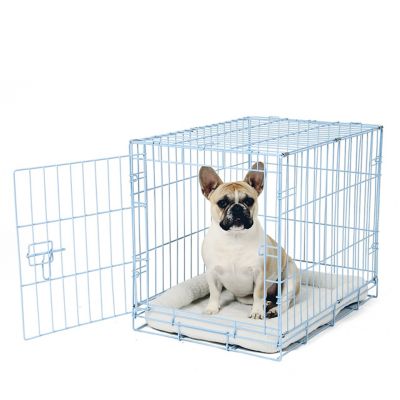
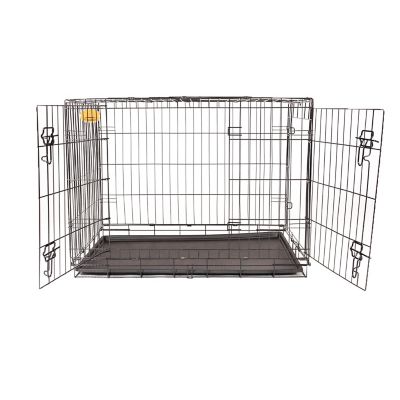
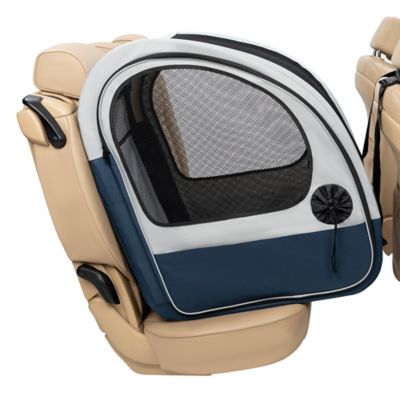
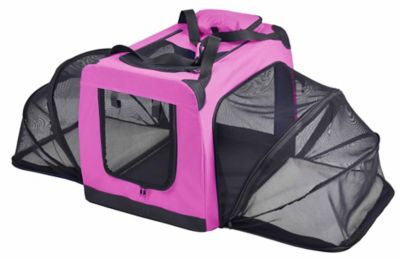
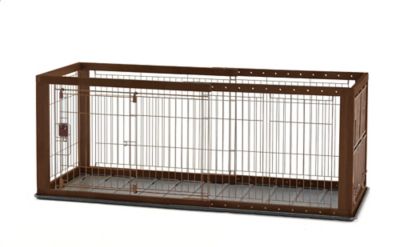
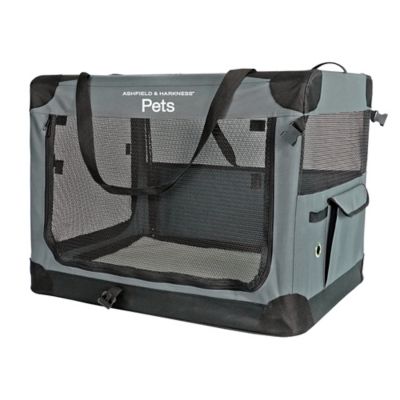
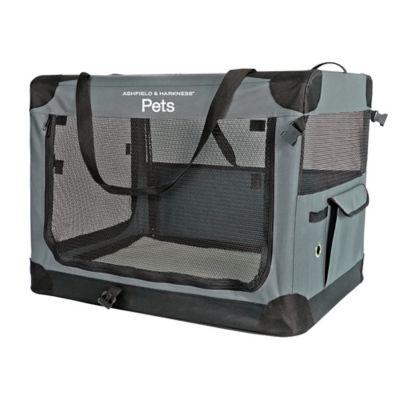
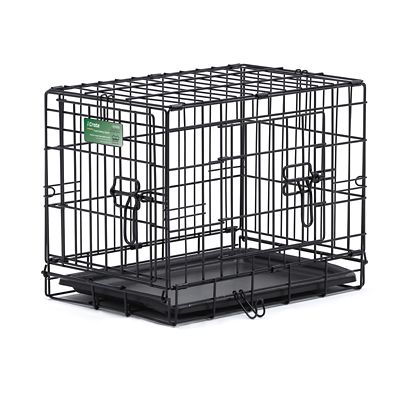
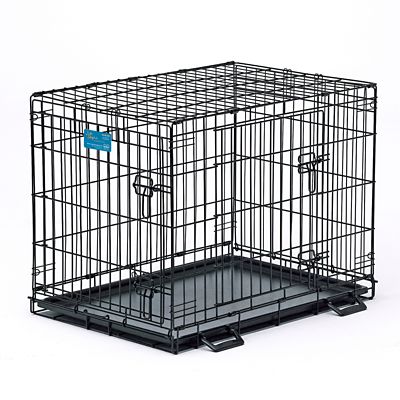
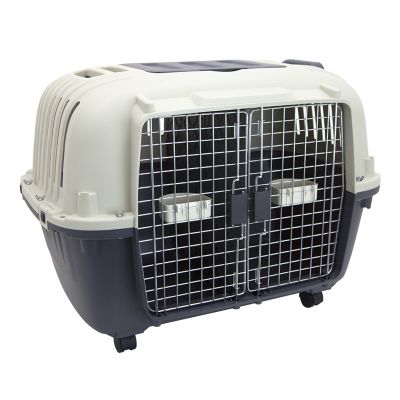
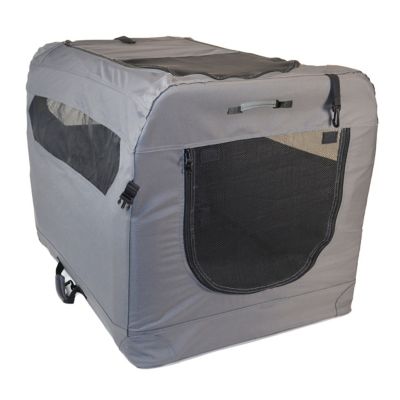
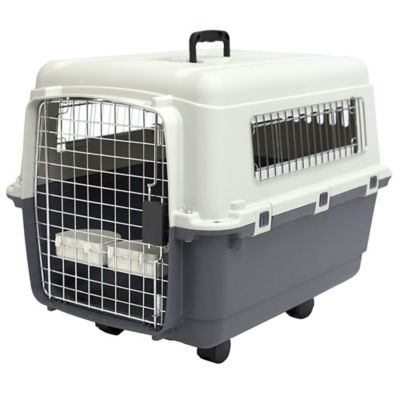
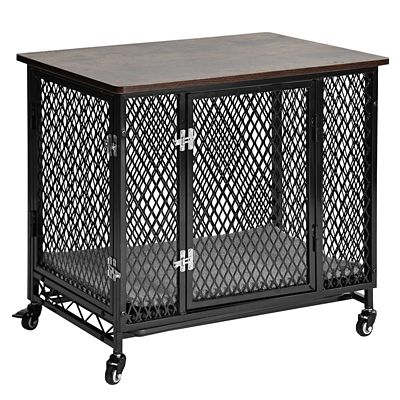
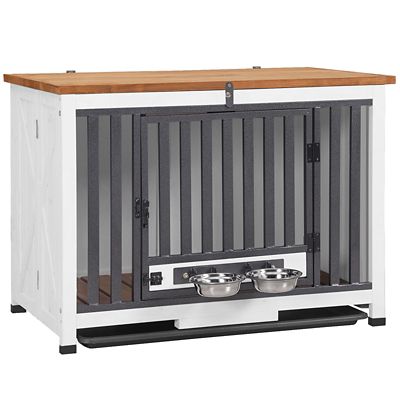
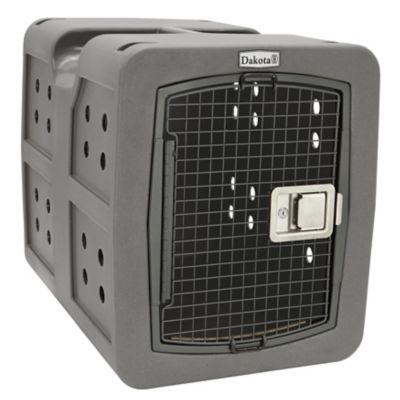
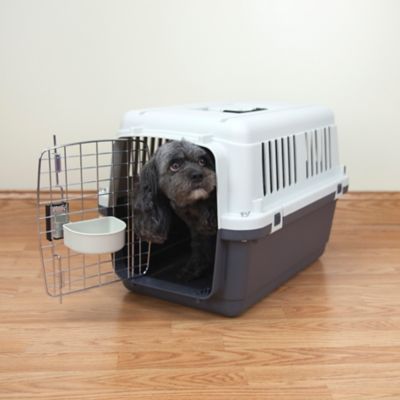
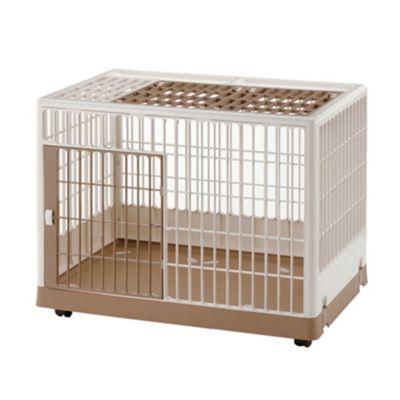
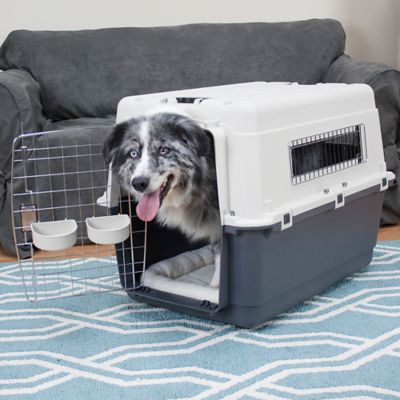
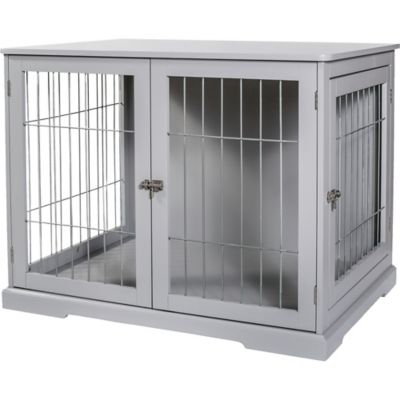
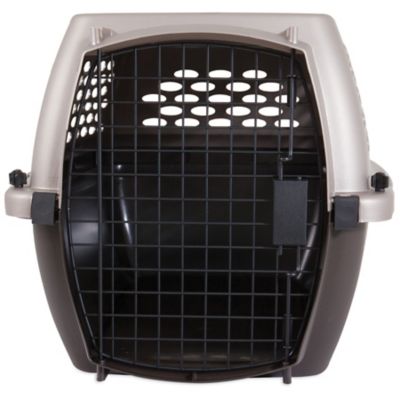
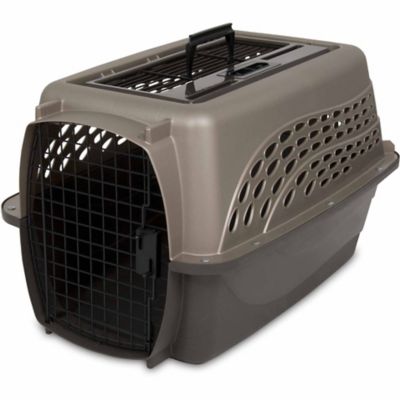
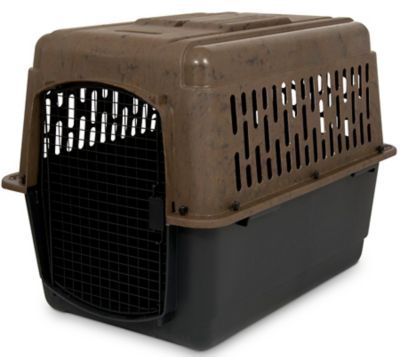
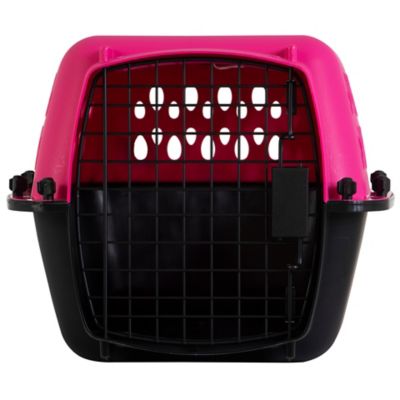
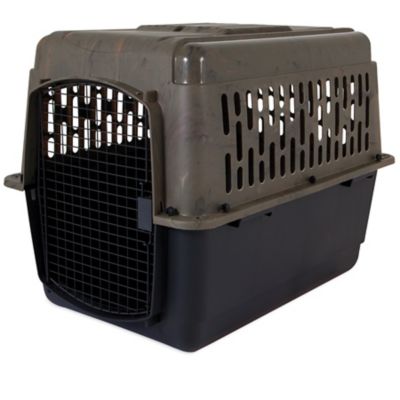
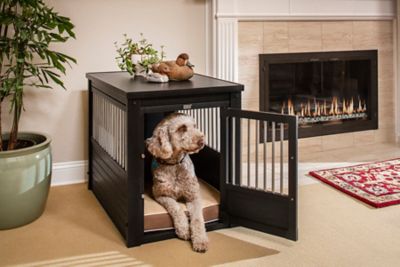
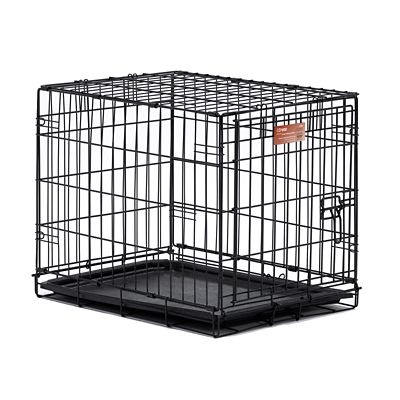
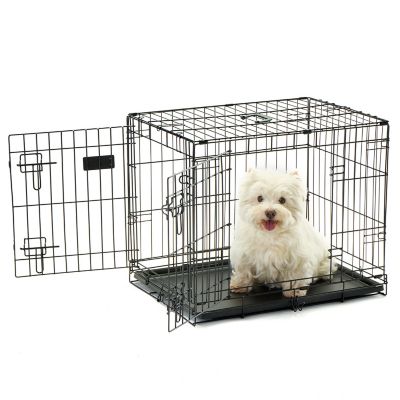
A lightweight dog crate makes it easier to give your dog a familiar, secure spot without wrestling a heavy kennel from one room to another. These crates are handy for road trips, visits to the vet, camping, training classes, family gatherings, and overnight stays at a friend’s or relative’s home. They can also be useful around the house when you need to keep a pup settled while sweeping up the barn aisle, bringing in groceries, or working on a project. Soft-sided crates typically use a sturdy tube frame covered with durable fabric and mesh, while lightweight wire crates fold flat and offer more resistance to scratching and chewing. Pop-up mesh kennels are especially easy to carry and can provide shade and airflow for calm dogs during supervised outdoor time. Look for practical features such as built-in handles, shoulder straps, a carrying case, quick-fold frames, washable floors, and doors on more than one side. Multiple mesh panels help fresh air move through the crate and let your dog see what is going on, which can help some pets settle in unfamiliar places. During the cooler months, a crate can serve as a cozy rest area indoors, but it should still be placed away from drafts, heaters, fireplaces, and busy doorways. A lightweight crate may be a thoughtful gift for someone bringing home a new dog, traveling with an older companion, or preparing for a puppy’s first training routine. It is also a practical choice for families who need a second crate for the truck, camper, guest room, or weekend cabin.
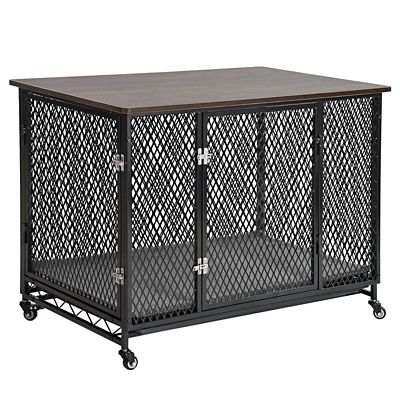
Choosing the right size matters more than saving a few extra pounds. Your dog should be able to stand up naturally, turn around without squeezing, and lie down comfortably with room to stretch. Measure from the floor to the top of your dog’s head or ears while standing, then measure from the nose to the base of the tail; adding a little extra room to those measurements can help you select a comfortable fit. A crate that is too small may leave a dog cramped, while one that is much too large may feel less secure and make house-training harder for a young pup. Weight ratings and dimensions can vary between crate styles, so compare the listed interior measurements instead of relying only on breed labels or general size names. A calm, crate-trained dog that treats the kennel like a bed may do well in a soft-sided or pop-up style. Dogs that paw at doors, chew fabric, push against panels, or become distressed when confined generally need a sturdier setup and close supervision. Puppies, escape artists, and dogs that are still learning good crate manners may be better matched with a wire kennel or another stronger option. Lightweight wire crates often fold flat and provide useful visibility, ventilation, and chew resistance, though a larger wire crate can still take two hands to carry. For dogs that need extra strength, added security, or a more permanent kennel at home, explore
Heavy Duty Dog Crates. Whatever style you choose, inspect seams, zippers, latches, frame joints, and floor panels before use, and check them regularly for loose parts or damage.
Think about where the crate will be used before making a purchase. For car travel, a lightweight crate should be secured so it cannot slide, tip, or become a loose object if the vehicle stops suddenly; follow the crate maker’s directions and consider whether the design is intended for transportation, since many soft crates are not crash-tested restraints. In a camper, cabin, or tent, a fold-flat crate can save valuable floor space and give your dog a familiar place to nap after a long walk. At home, set it on a level surface in a quiet area where your dog can see family members without being in the middle of foot traffic. Add a washable mat or thin bed sized for the crate, but avoid bulky bedding for dogs that chew or overheat. Let your pet investigate the crate with the door open, reward relaxed behavior, and build up short periods of use instead of forcing a nervous dog inside. Good airflow is important, and mesh should never be covered in a way that blocks ventilation. Never leave a dog unattended for long periods in a soft crate until you know the dog will not chew, claw, or push through the fabric. On outdoor trips, use shade, fresh water, and supervision, and bring a more secure shelter when weather, wildlife, or your dog’s behavior calls for it. With the right fit and a little patient practice, a lightweight dog crate can become a familiar home base—the spot where muddy paws dry off, travel breaks feel easier, and your four-legged partner can settle down wherever the day takes you.