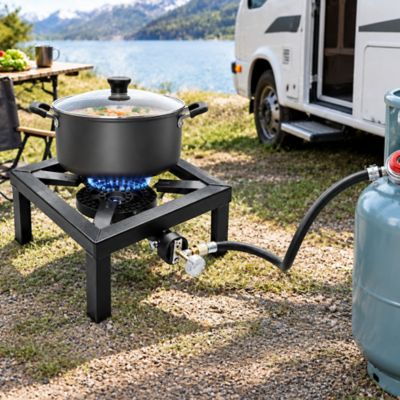
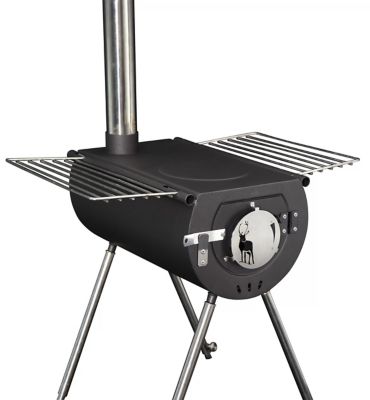
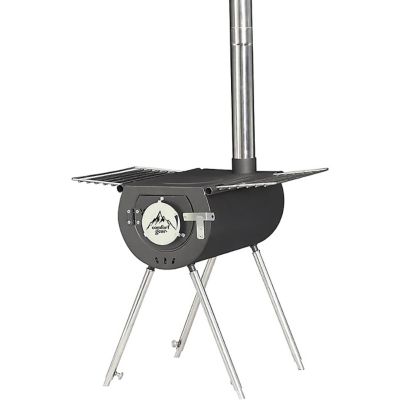
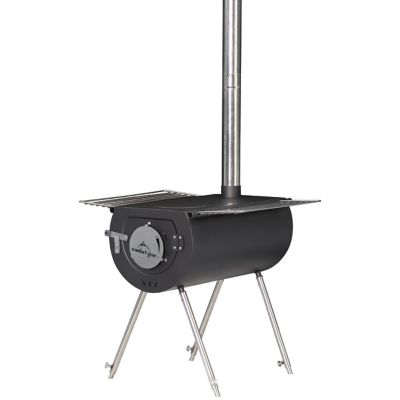
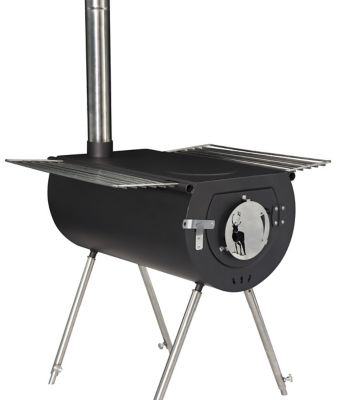
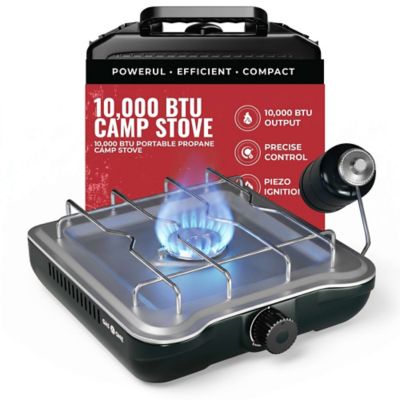
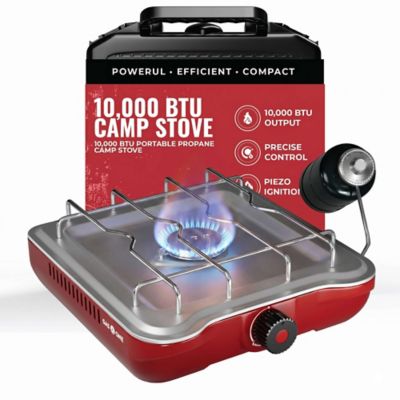
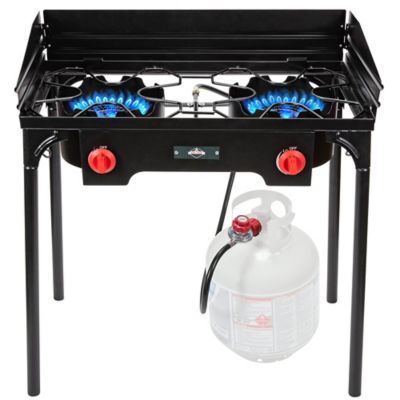
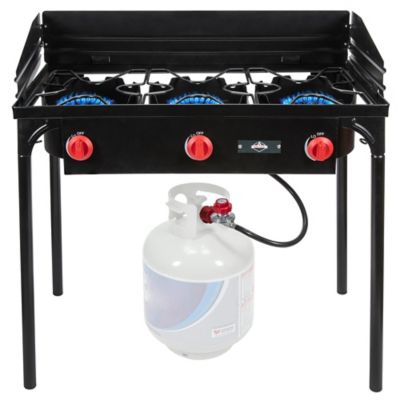
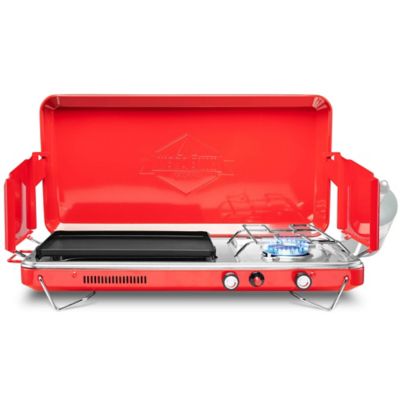
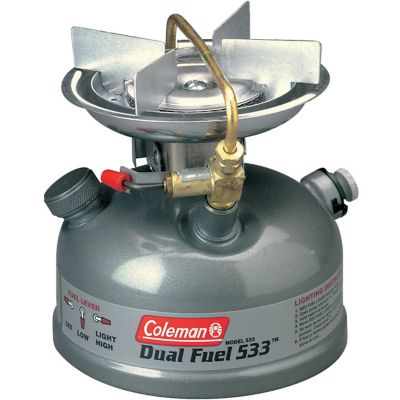
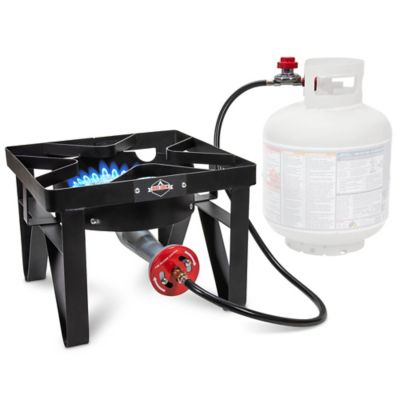
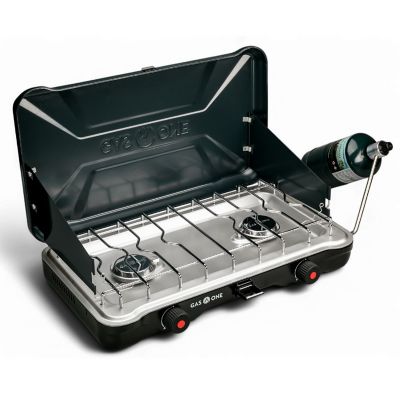
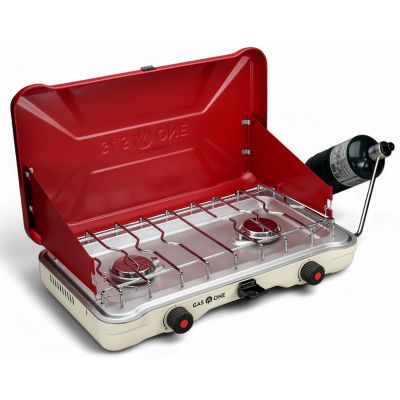
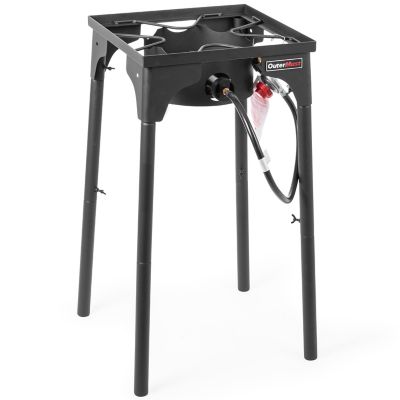
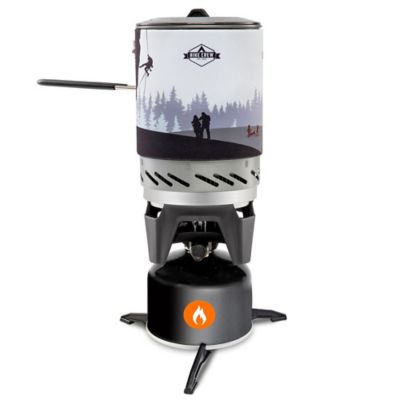
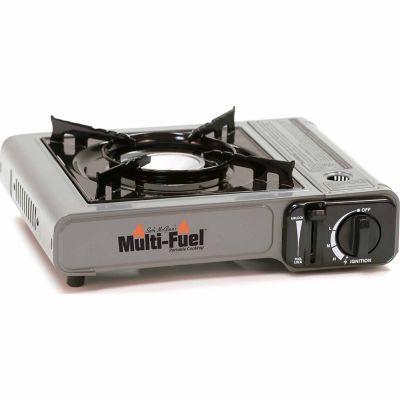
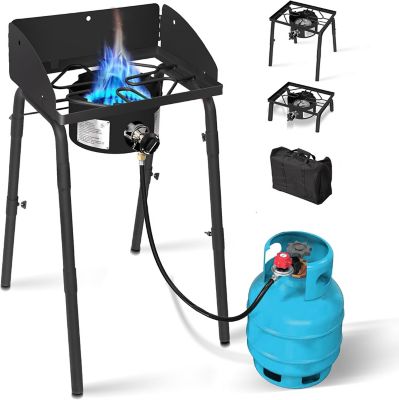
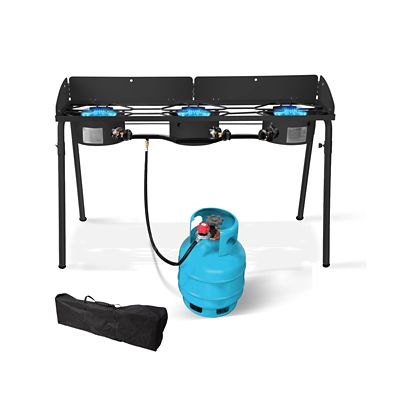
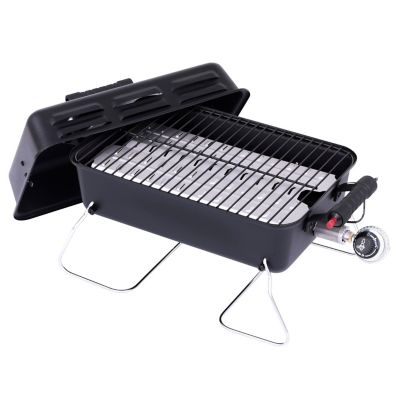
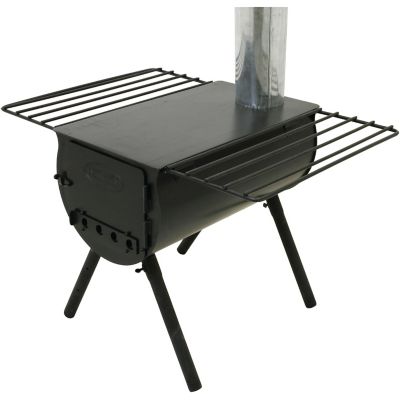
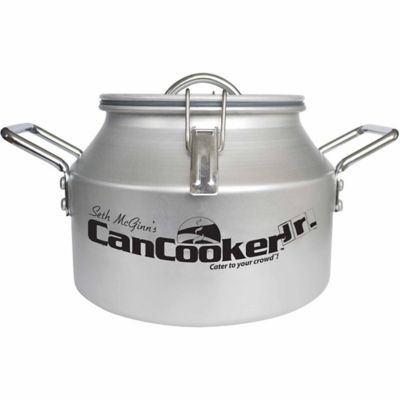
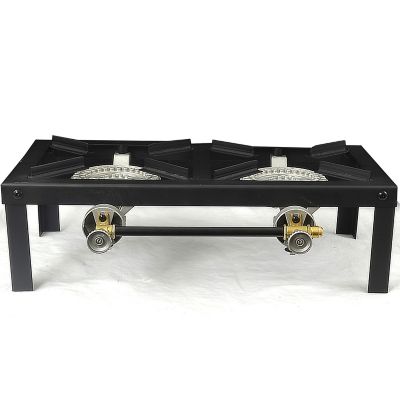
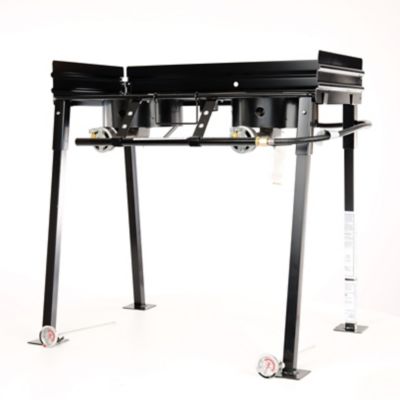
A lightweight camping stove earns its space when there’s coffee to make before breaking camp or supper to get going after a long hike. The appeal is simple: a burner that does the cooking without taking up more room than the rest of the camp kitchen. That can mean a small burner with folding pot supports for a backpack, or a low tabletop stove that slides into a gear tote for a trip down a gravel road. Those setups suit different kinds of meals. A solo hiker heating water for oatmeal can get by with a narrow cook pot and a small burner. Two people making rice and beans may appreciate a wider pot support and a flame that can hold a simmer while the rice finishes. For a family making pancakes at a picnic table, a wider base gives the cook a steadier setup for working a spatula under each pancake. How the stove packs matters as much as what it weighs. Folding legs can keep a burner from snagging on a pack liner, and some small burners nest inside a cook pot, leaving more room for food. A flat stove can be easier to stack in a tote, even if it takes up more space once it’s on the table. Fuel, cookware and an ignition source count toward what gets carried, too, so it helps to picture the whole kitchen packed up rather than judging the burner by itself. For a campsite close to the truck, a little extra space for a broader cooking surface may be a fair trade. When everything has to go down the trail on somebody’s back, the same cook might be happier with one pot and a stove that fits inside it.
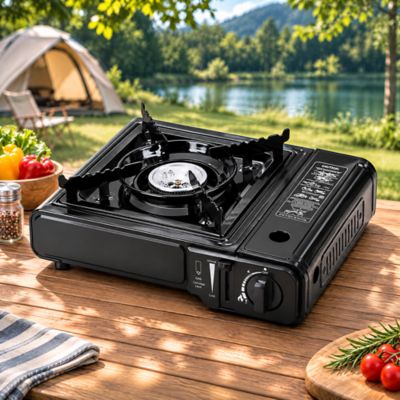
The parts that make a camping stove light aren’t always the parts that take the most wear. Aluminum can cut weight in a stove body, while stainless steel is common in pot supports and burner parts that see repeated heating and plenty of handling. Finish matters less than a solid connection at the hinges and supports that sit evenly when they’re unfolded. A burner can be small and sturdy, but it still needs to match the cookware it’s meant to hold. A tall pot full of water behaves differently on a narrow support than a squat pot does, and an skillet that reaches well past the supports can be awkward to handle when it’s time to stir or flip breakfast. Burner shape makes a difference, too. A tight flame can work well beneath a small pot, while a broader flame can spread heat across more of a skillet. A stove that boils water fast isn’t necessarily the one that gives the cook the most control over a low flame. That distinction means more when dinner is a pot of chili that needs time to simmer than when the plan is coffee and instant oats. Fuel is another part of the fit. Compact canister stoves often thread onto a matching fuel canister, while many tabletop
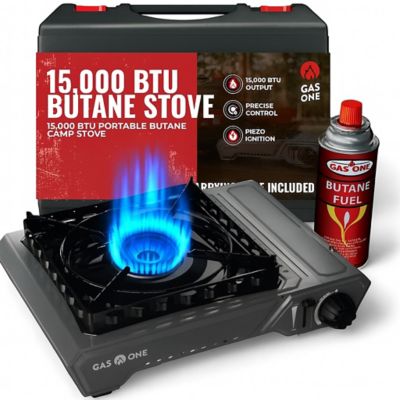
Butane Camping Stoves hold the fuel cartridge alongside the burner, keeping the pot closer to the table. A low profile can be handy when there’s more stirring than boiling to do. Canisters and cartridges aren’t interchangeable just because they look about the same size, so the stove’s fuel connection and the manufacturer’s fuel specifications matter.
A camping stove spends a good share of its life riding in a pack or bouncing along in a tote, and a little care between trips can help moving parts keep working smoothly. Once the stove has cooled, wiping away splattered grease or spilled soup keeps it from drying around the burner and controls. Folding supports are easier to pack when there’s no grit caught at the joints, and letting parts dry before they go back in the bag keeps moisture from sitting around the hardware. A pouch can keep a burner from scratching the inside of a cook pot, especially when both are riding in the same pack all day. Before the next meal, it’s worth making sure the supports open fully and the stove sits flat without rocking. Camping stoves belong outdoors on a stable, level surface with clearance from things that can catch fire, never inside a tent, truck cab or camper. Campground rules can differ from one site to the next, so check what’s permitted before lighting a burner. Some stoves have a push-button igniter, which is handy when somebody has both breakfast and coffee going. A separate lighter can serve as a backup if the stove’s instructions allow for manual lighting. Those small details are worth thinking about when picking out a gift, too. A first-time backpacker may get more mileage out of a compact stove that fits the pot already in the pack, while someone who camps with kids might value a steady base and enough room to stir a pot without crowding the burner. For a fishing buddy who likes a hot lunch back at the campsite, easy setup and a good simmer may matter more than shaving off the last ounce. The best fit comes down to what’s on the menu, where the cooking happens and how far the stove has to be carried to get there.