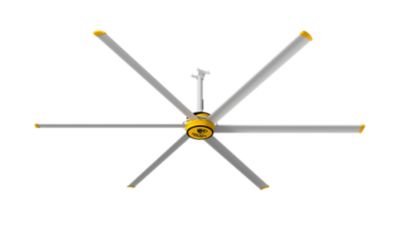
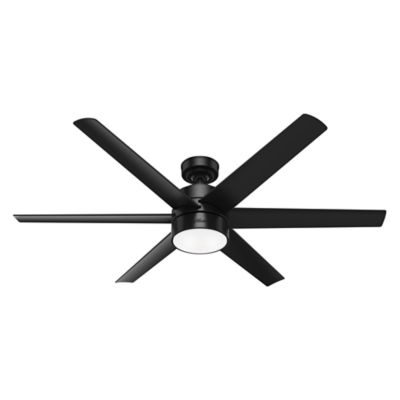
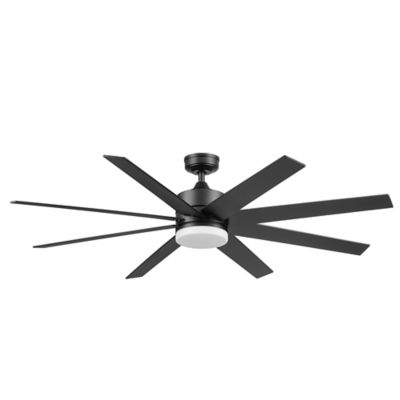
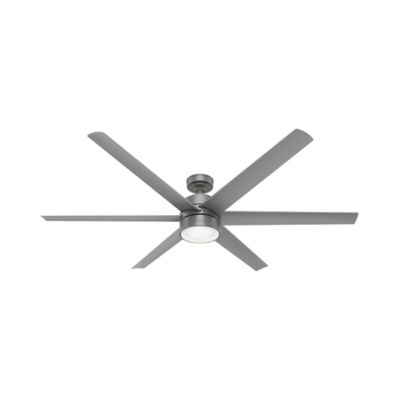
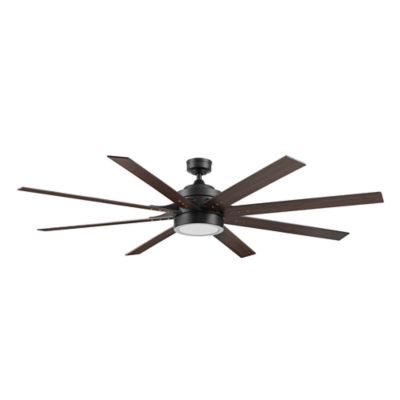
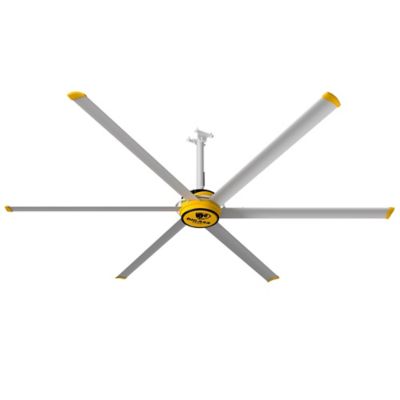
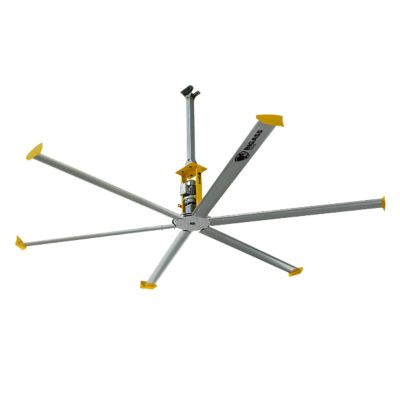
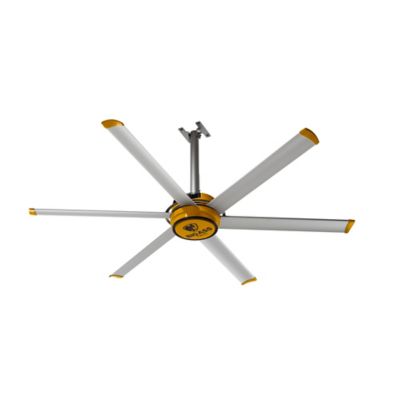
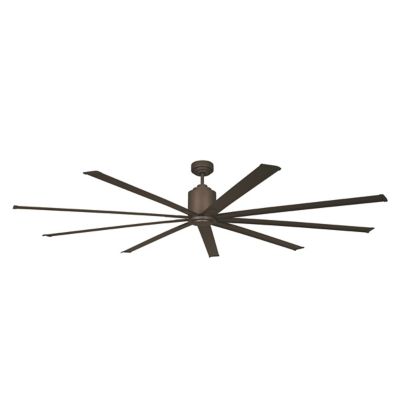
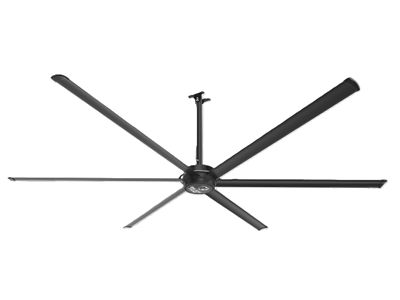
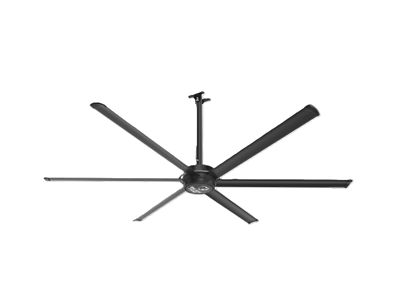
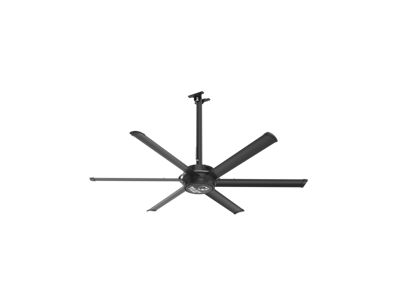
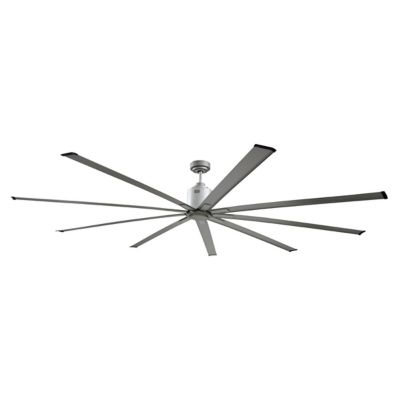
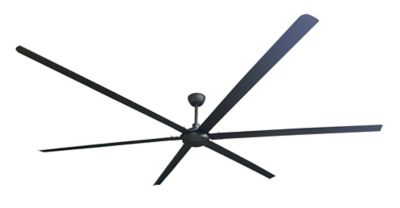
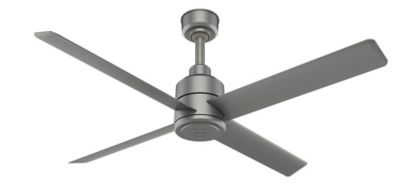
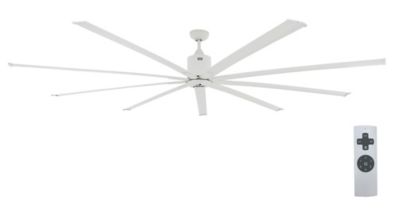
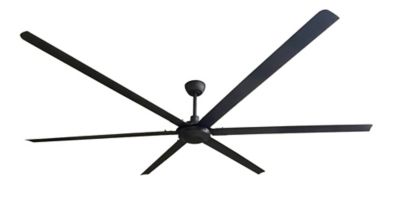
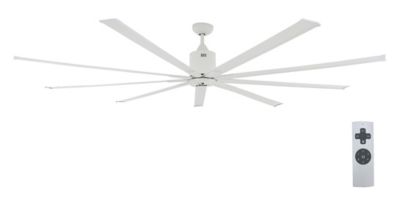
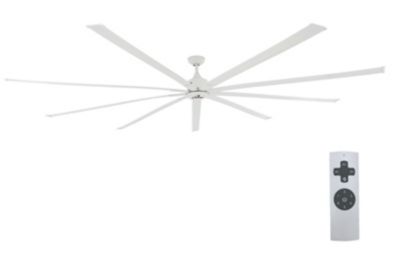
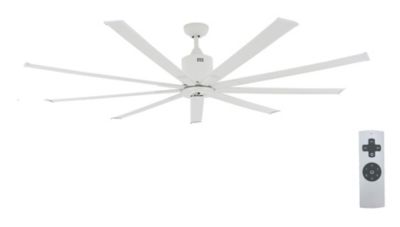
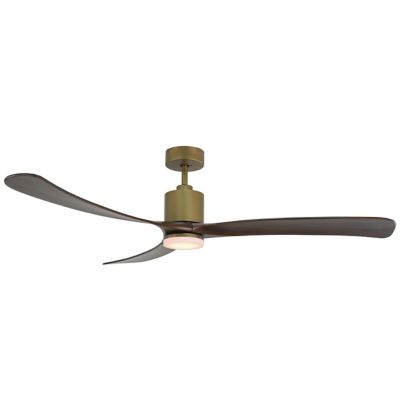
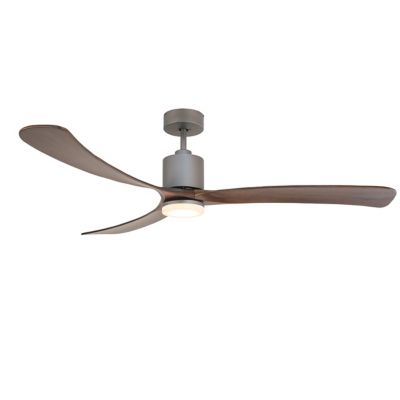
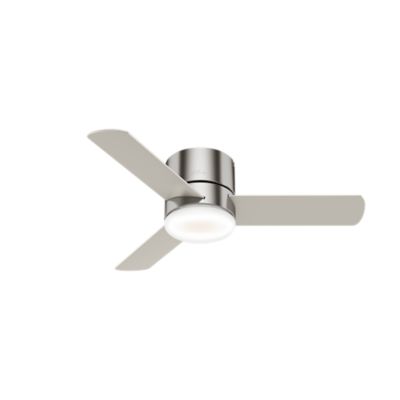
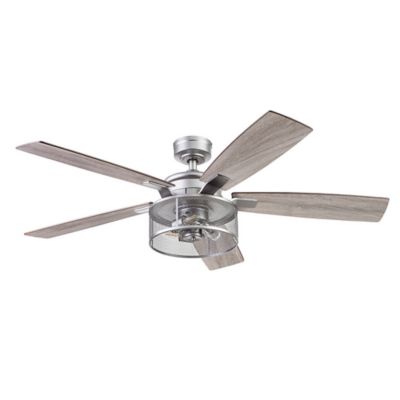
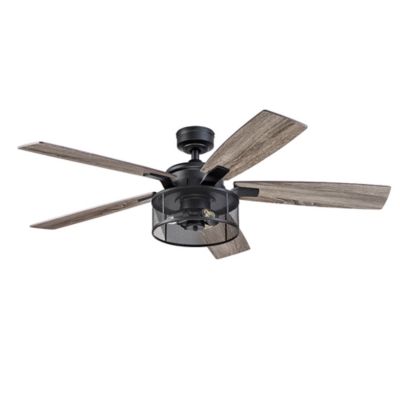
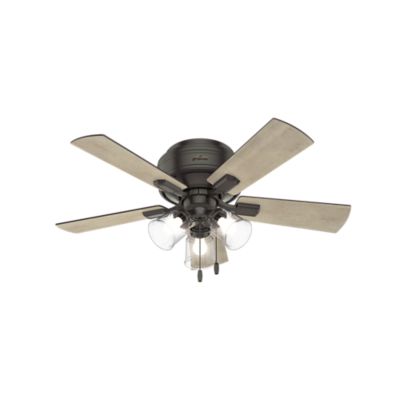
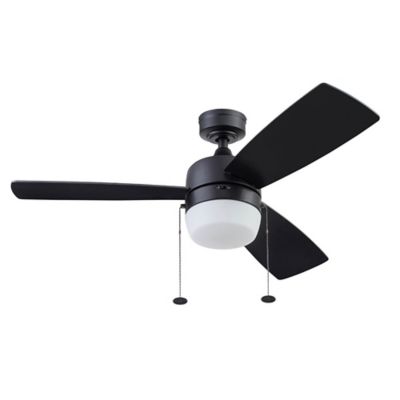
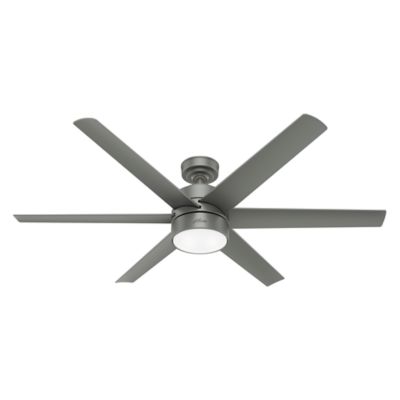
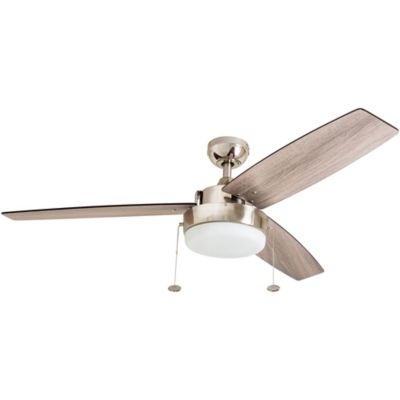
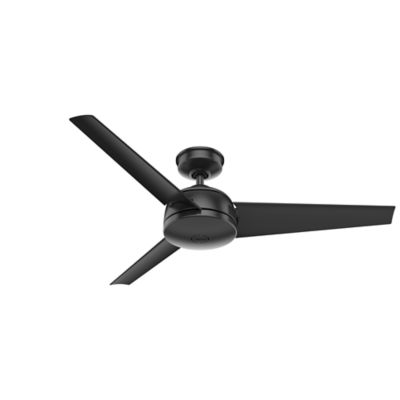
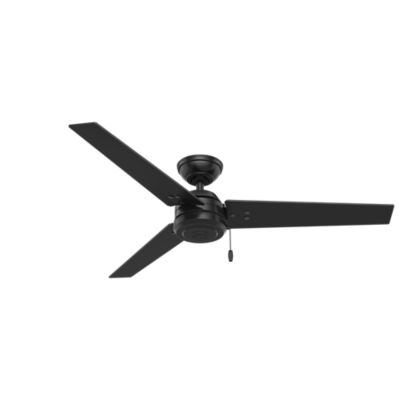
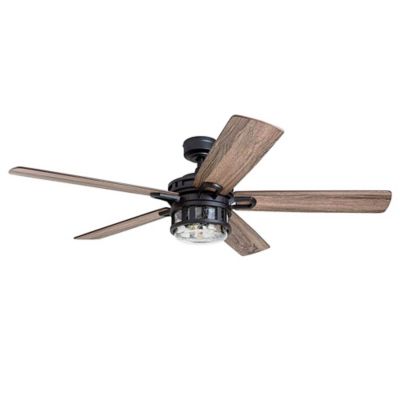
Ceiling fans for tall ceilings help move air through rooms where warm air tends to collect overhead. They’re a practical fit for great rooms, open living areas, vaulted bedrooms, lofts, barns converted into gathering spaces, workshops, porches, and other wide-open areas with extra headroom. A fan mounted too close to a high ceiling may stir air above the people in the room without doing much to improve comfort below, so the hanging height matters. For most rooms, fan blades should sit roughly 8 to 9 feet above the floor for a good balance of airflow, clearance, and everyday safety. A long downrod can bring the fan to the right height, and a simple starting point is to subtract 9 feet from the total ceiling height. For example, a 14-foot ceiling may call for a downrod around 5 feet long, though the room layout, fan design, and installation instructions should always have the final say. Tall-ceiling fans come in a range of sizes and styles, from clean, modern shapes that suit a finished great room to rugged-looking designs that feel right in a shop, cabin, or covered outdoor space. Larger blade spans are often a smart choice for broad rooms because they can move air across more floor area. Many large-room fans fall in the 60- to 100-inch-plus range, while smaller rooms with tall ceilings may call for a more moderate span. Check the fan’s airflow rating in CFM, or cubic feet per minute, rather than judging size by appearance alone. For roomy spaces, higher airflow—often around 6,000 to 11,000 CFM or more—can help circulate air where a smaller fan might leave still pockets near seating, workbenches, or the far side of the room. Room shape, ceiling height, insulation, windows, and other sources of heat all play a part, so the best match is the one sized for the actual space instead of simply choosing the biggest fan available.
A vaulted or angled ceiling adds another detail to the shopping list. Look for a fan rated for sloped-ceiling installation, or make sure a compatible sloped ceiling adapter is available for the model you choose. The adapter needs to match the angle and mounting system, and the canopy must sit securely against the ceiling so the fan hangs straight and runs smoothly. Downrod length can also change when the ceiling pitch is steep, especially in a room where the mounting point is close to a wall or roofline. Before installation, measure from the proposed mounting location to the floor, nearby beams, light fixtures, and doors. Keep the blades clear of walls and furniture, and follow the manufacturer’s requirements for electrical boxes, support braces, wiring, and weight. Tall-ceiling installations can involve ladders, lifts, and awkward overhead work, so many homeowners choose a qualified electrician or experienced installer rather than trying to handle the job alone. A strong motor is especially useful in a large room. DC motors are known for quiet operation and efficient speed control, while other motor types can provide dependable performance when properly sized for the fan and space. Reversible operation adds comfort through changing seasons: a counterclockwise setting can push a cooling breeze downward during warm weather, while a clockwise setting at low speed can help bring warm air down from the ceiling during cooler months. Remote controls are handy when the fan is several feet overhead, and wall controls or smart features can make it easier to adjust speed, direction, lighting, or timers without reaching for a pull chain. If the fan includes a light, consider how high the fixture will hang and whether it will provide useful illumination at floor level. In a tall room, a bright-looking light from the ground may still leave dim corners, so think about the fan light as one part of the room’s overall lighting plan.
The right ceiling fan can make a tall room feel more settled and comfortable without taking away the character of the high ceiling. In a farmhouse great room, steady air movement can take the edge off a warm afternoon while people gather around the table, and in a workshop it can help keep air from feeling stale when doors and windows are closed during cooler weather. On a covered porch, a properly rated fan can make outdoor seating more pleasant when the air is still, provided the fan is approved for the location and protected from direct exposure as required. Bedrooms with tall ceilings may benefit from a quieter motor, multiple low-speed settings, and a remote that can be kept on a nightstand. For roomy sleeping spaces, you can also browse
Ceiling Fans For Large Bedrooms when comparing airflow, size, lighting, and control options. A tall-ceiling fan can also make a thoughtful housewarming gift for someone moving into a barn home, cabin, loft, or newly built house with a vaulted roof, especially when paired with professional installation or the right downrod and mounting hardware. When comparing options, pay attention to the recommended room size, blade span, CFM rating, motor type, downrod compatibility, ceiling angle rating, control method, light kit details, and indoor or outdoor location rating. It’s also worth checking the ceiling box and electrical setup before bringing a fan home, since a standard light fixture box may not be strong enough to support a moving fan. Once installed at the proper height, a well-sized fan should circulate air smoothly without wobble, excessive noise, or a harsh draft. Seasonal direction changes, occasional blade cleaning, and a quick check of mounting hardware can help keep it running comfortably from the warmest stretch of the year into the cooler months. With the right measurements and a little planning, ceiling fans for tall ceilings can add useful airflow, gentle light, and everyday comfort to the wide-open rooms where family, friends, livestock chores, and weekend projects tend to gather.