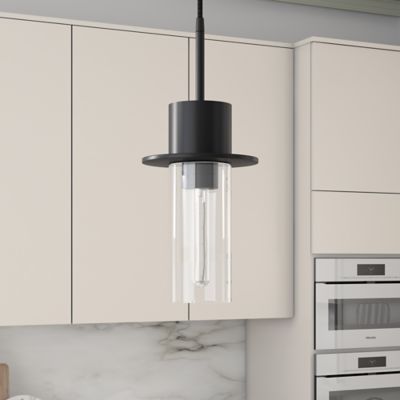
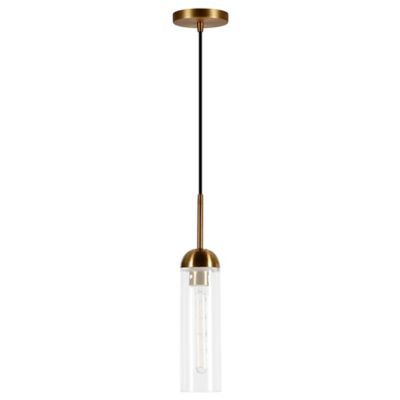
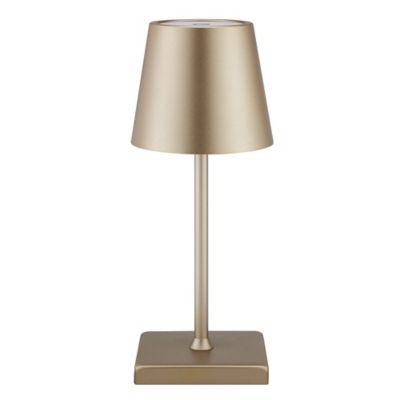
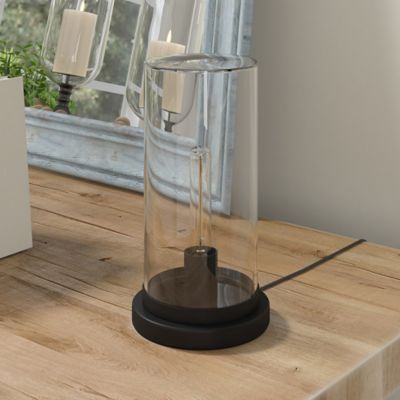
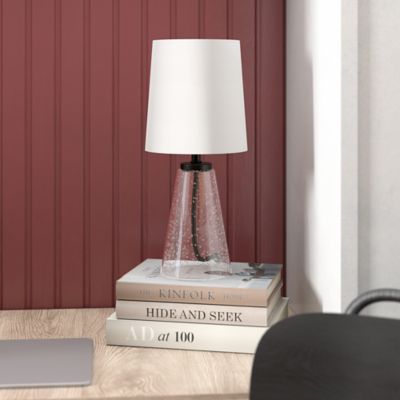
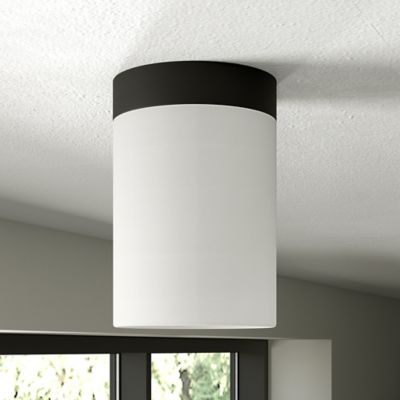
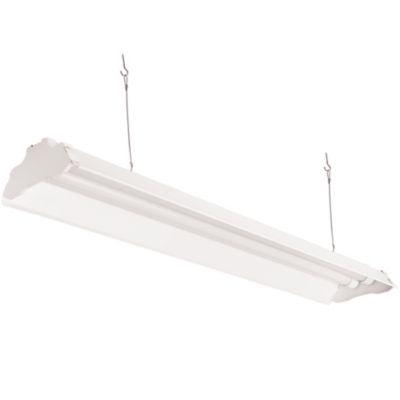
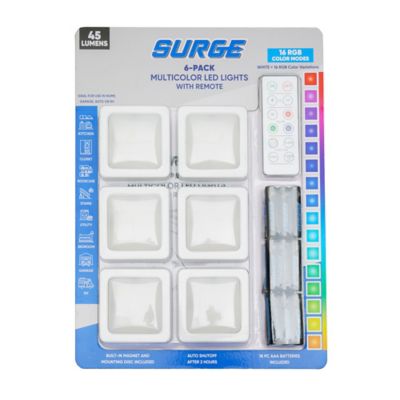
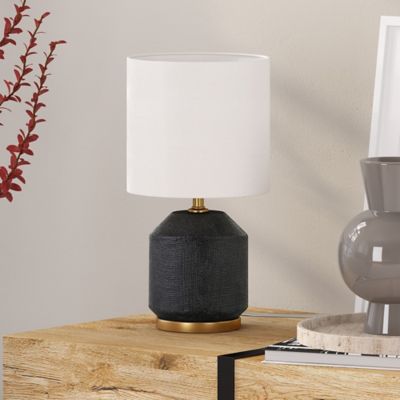
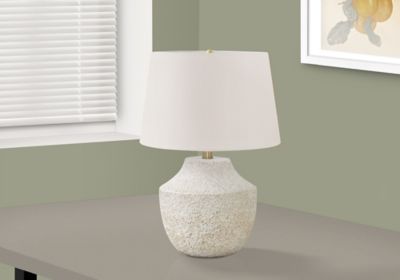
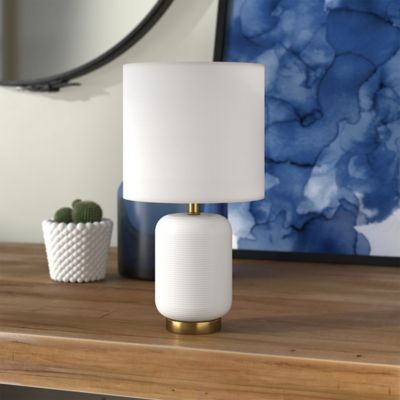
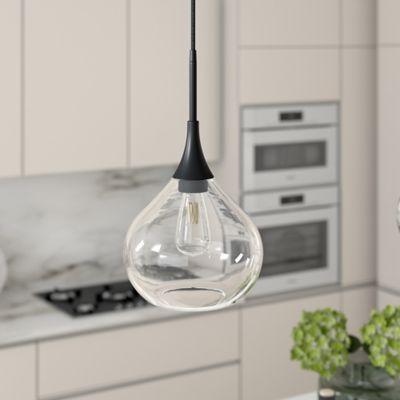
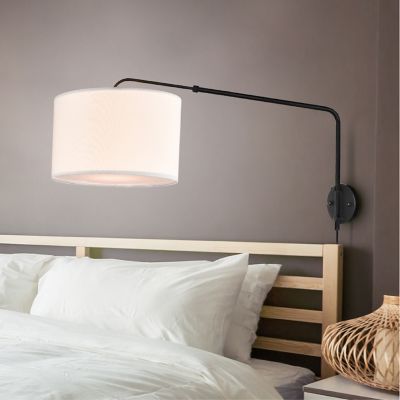
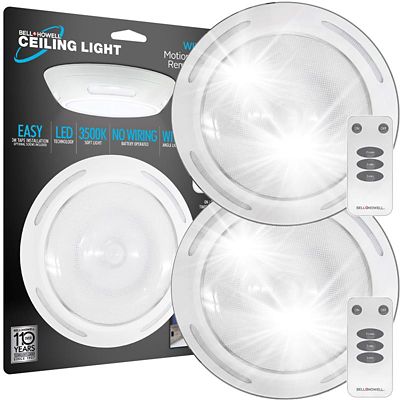
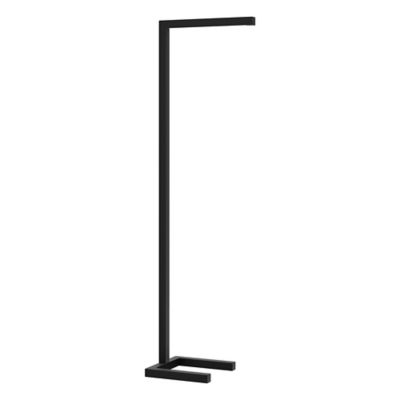
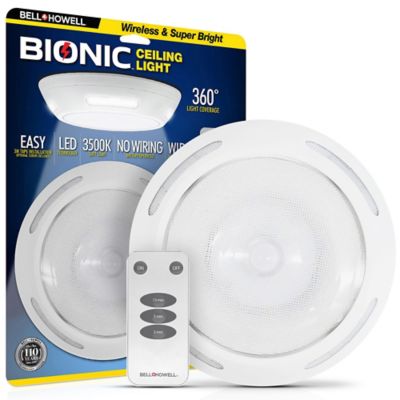
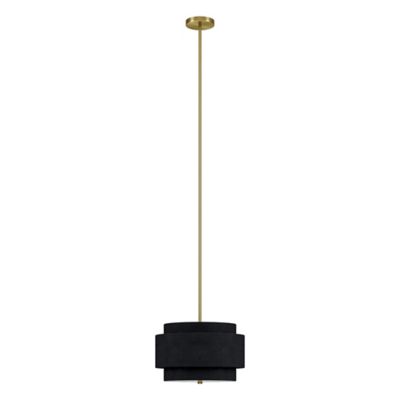
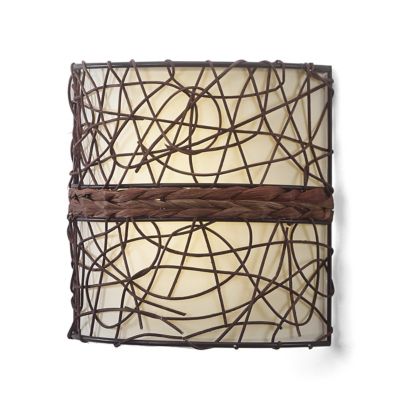
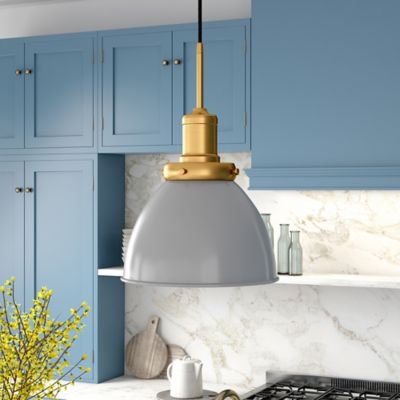
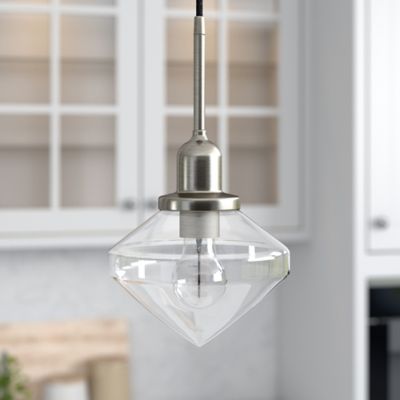
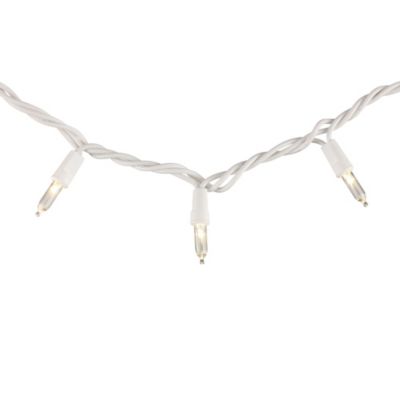
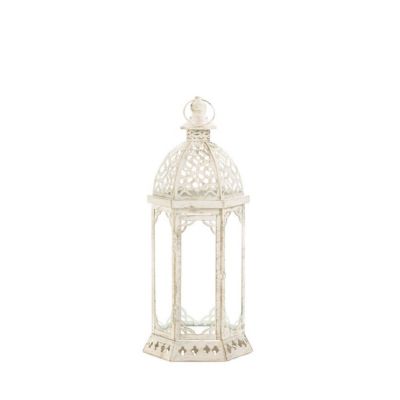
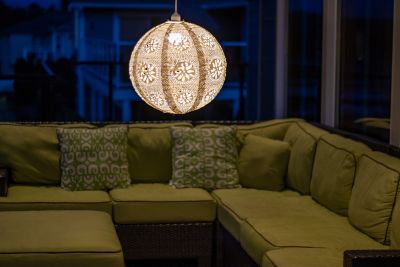
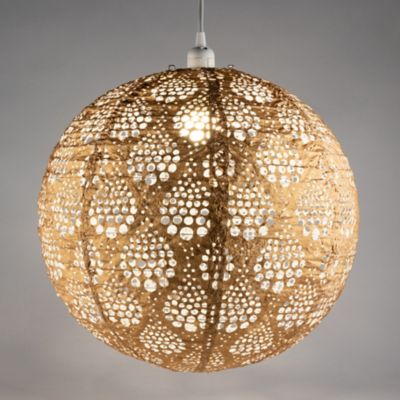
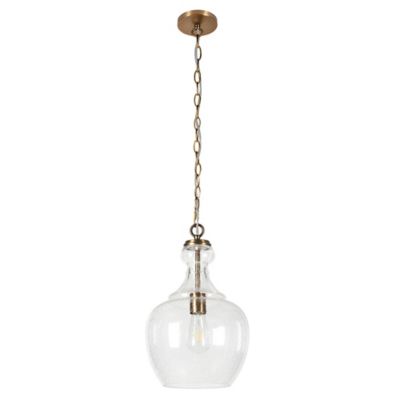
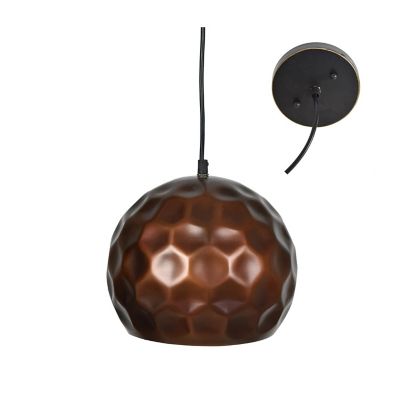
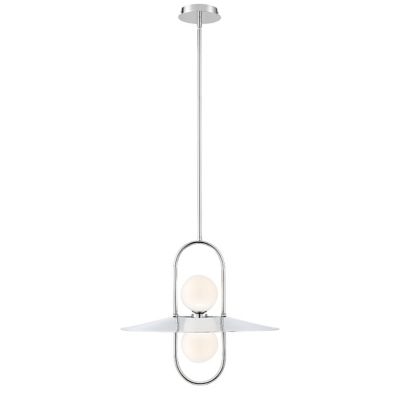
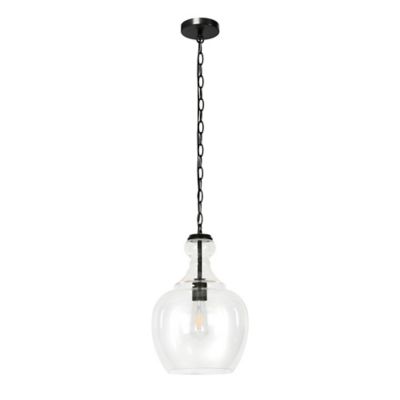
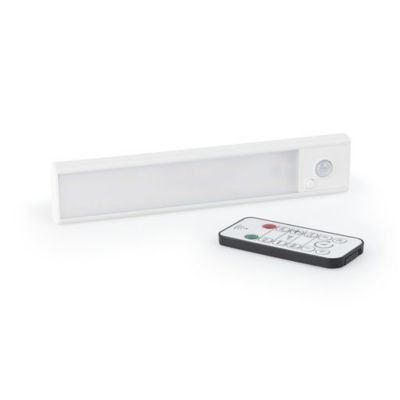
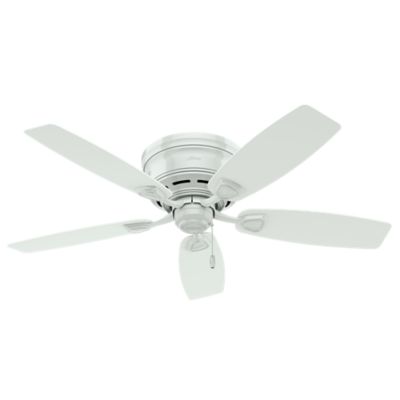
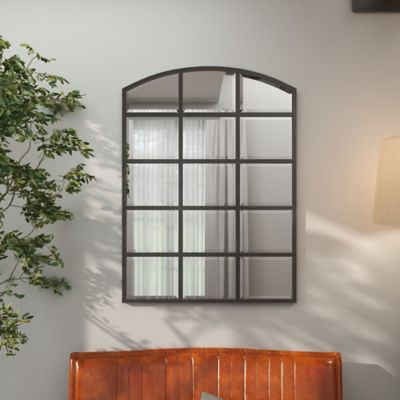
Lighting for small rooms works best when fixtures leave floor space open, keep tabletops useful and spread light beyond a single bright spot. Flush-mount ceiling lights, wall sconces, slim floor lamps and compact table lamps all suit tight spaces, with each type filling a different role. A low-profile ceiling fixture provides general light without hanging down into a low ceiling or interrupting the view across a room. Wall-mounted lighting frees up a bedside table for a book and a glass of water, while a narrow floor lamp can tuck beside a reading chair without crowding the walkway. Compact table lamps bring light close to a desk, entry table or guest-room nightstand, where a larger base would take up too much room. The fixture’s full footprint matters as much as its height: a wide shade, projecting arm or spread-out base can reach farther than expected. In a small bedroom, a shaded bedside light and an overhead fixture serve different needs, so neither has to do all the work. In a home office, an adjustable task light can brighten paperwork without forcing the entire room into a harsh glare. A mudroom benefits from light that reaches the bench, coat hooks and floor, making it easier to find a missing glove or spot the boots tucked underneath. Layered lighting combines general room light with focused light for reading, chores or hobbies. This approach helps reduce deep shadows and gives a small room more flexibility. Light-colored ceilings and walls reflect more light than dark finishes, while a thoughtfully placed mirror can reflect brightness into another part of the room. An exposed bulb reflected straight into someone’s eyes, though, can add glare rather than comfort. Space-saving lighting is about getting useful light where it belongs, not simply fitting the smallest fixture into an empty corner. A clear path around furniture still comes first, especially where a bedroom door, closet door or recliner needs room to swing.
Bulb brightness, light color and shade design all affect how lighting feels in a small room. Lumens describe light output, while watts describe energy use; wattage alone does not tell the whole story when comparing LED bulbs with other bulb types. A small fixture can still give off plenty of light, and a larger shade does not automatically make a room brighter. Warm white light around 2700K to 3000K often suits bedrooms, reading corners and spaces meant for winding down. Light around 3500K to 4000K has a more neutral appearance that can work well over a desk, laundry counter or hobby surface. Personal preference and the room’s finishes matter, too: the same bulb can look different against white paint, dark wood or colored walls. Keeping nearby light sources close in color temperature helps a compact room feel consistent rather than patchy. Shades and diffusers shape that light. Frosted glass softens the view of a bright bulb, fabric shades spread a gentler glow, and opaque metal shades direct more light toward a particular surface. A task lamp with a movable head can follow a sewing project, seed catalog or stack of bills, while an open shade may send more light toward the ceiling. Dimmable lighting adds flexibility when a room serves as both a workspace and a place to settle in, provided the bulb, fixture and dimmer are compatible. Fixtures with replaceable bulbs allow changes within the manufacturer’s limits for bulb type, size and wattage. Integrated LED fixtures have their light source built in, so service and replacement details are worth considering. Switch placement also makes a real difference in tight quarters. A bedside switch within easy reach or a desk lamp control that stays clear of papers can make everyday use less of a fuss. For rooms shared by several people, separate controls let one person read or finish a task without lighting every corner at full brightness.
Materials, mounting style and everyday care help determine whether a light fits the way a room gets lived in. Metal bases and housings offer a solid feel, while glass shades wipe clean and fabric shades bring a softer look. Acrylic diffusers provide another option where a lighter shade is helpful. Construction details such as a steady base, secure shade attachment and smooth-moving joints matter for lamps that get repositioned often. A narrow base should still sit firmly, particularly beside a busy walkway or on a small table that gets bumped. In a laundry room or mudroom, smooth surfaces with fewer crevices are easier to wipe down when lint and dust collect. Fabric shades generally need gentle dusting, and glass or painted finishes need cleaning methods that match the manufacturer’s directions. Power should be off, and bulbs should be cool, before cleaning or handling. Fit includes the space around a fixture, not just the spot where it attaches. Ceiling height, cabinet doors, shelves and furniture all affect clearance, while a lamp’s cord needs a route that stays out of walking paths and away from pinching. Plug-in lighting can suit renters or rooms where moving a lamp makes more sense than changing the wiring; hardwired fixtures call for proper installation, with a qualified electrician handling electrical work when needed. Bathrooms and other moisture-prone areas require fixtures rated for the location, rather than an ordinary indoor lamp placed near splashes. Similar space considerations carry over to
lighting for small kitchens, where focused light helps keep counters useful without taking up prep space. For a first apartment, a guest room or a parent’s favorite reading chair, a compact lamp can also make a practical gift when its size, controls and light output suit the person receiving it. The most useful small-room lighting leaves room for daily life: a clear nightstand, an open doorway and enough comfortable light to finish the job at hand.