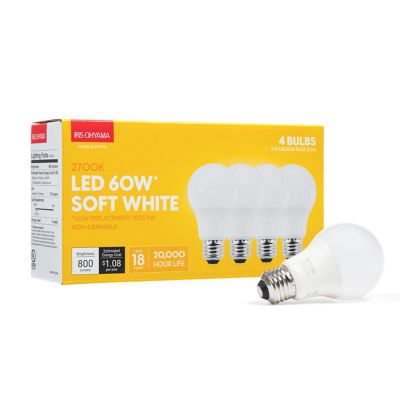
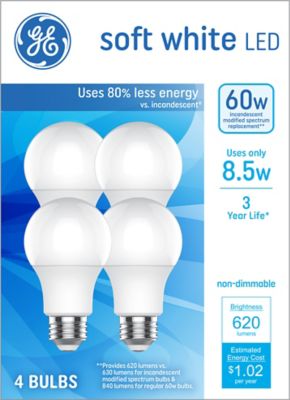
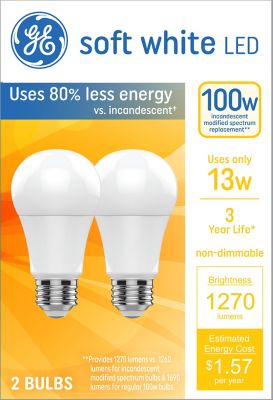
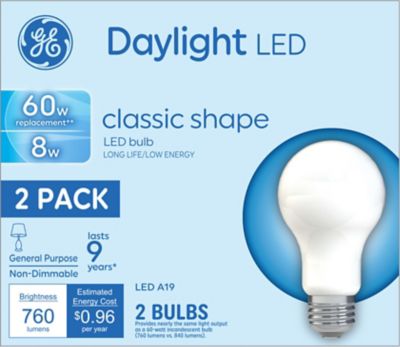
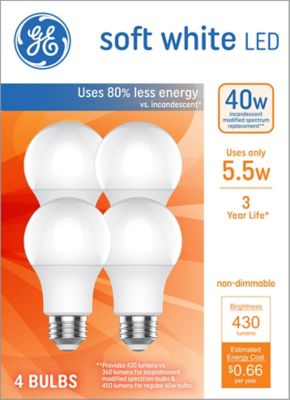
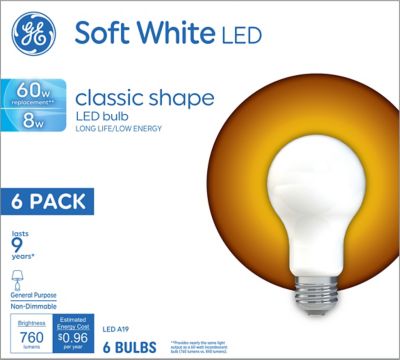
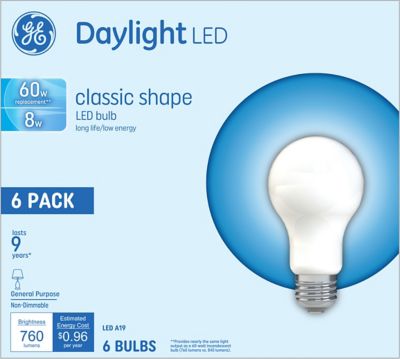
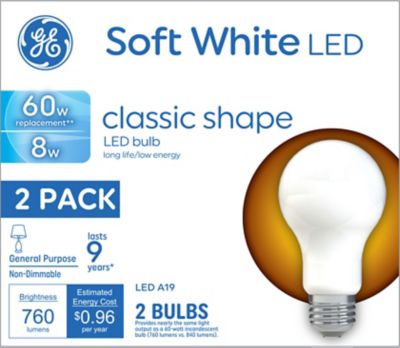
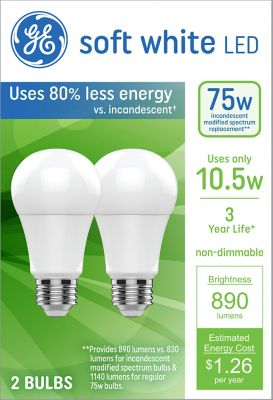
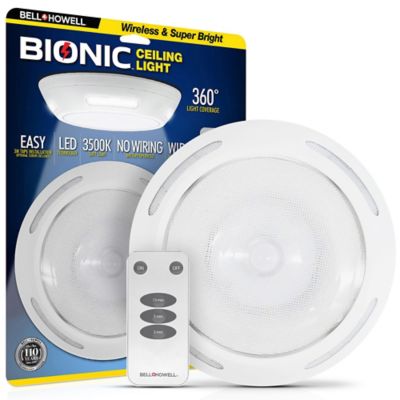
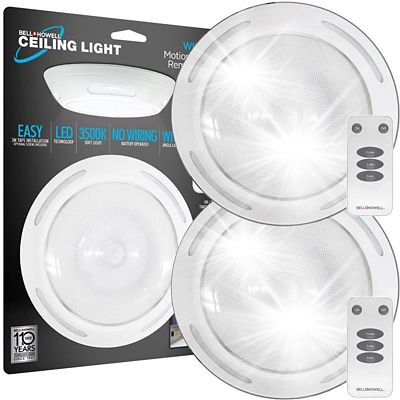
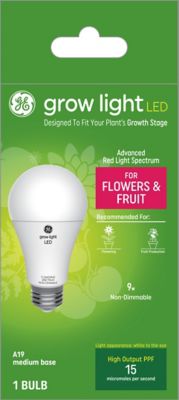
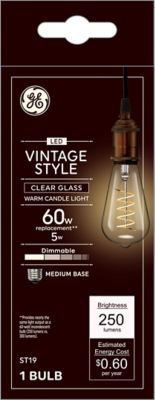
Light bulbs for home do more than brighten a room. They help make a kitchen counter easier to work at, a reading chair more inviting, and a hallway easier to navigate when the rest of the house is quiet. The right match comes down to brightness, light color, bulb shape, and compatibility with the fixture. LED light bulbs are a practical choice for everyday household lighting because they consume less electricity and generally last much longer than traditional incandescent bulbs. Lumens measure light output, while watts measure electrical power consumption. For a familiar comparison, about 800 lumens provides roughly the brightness of a traditional 60-watt incandescent bulb. Around 450 lumens corresponds to a 40-watt incandescent, while roughly 1,100 lumens corresponds to a 75-watt incandescent. An LED bulb can deliver that familiar brightness while drawing considerably fewer watts, so the wattage-equivalent description and the actual wattage mean different things. Light color matters just as much as brightness. Color temperature is measured in kelvins, shown as K on bulb packaging. Soft white light around 2700K to 3000K has a warm, yellowish tone that suits bedrooms, living rooms, and a kitchen table where folks gather after a long day. Light around 3500K to 4100K has a more neutral white appearance that works well over counters, in bathrooms, and in laundry rooms. Daylight bulbs around 5000K to 6500K produce a cooler, blue-white appearance that some people prefer for a home office, sewing area, or garage workspace. A higher kelvin number does not mean a brighter bulb; brightness still depends on lumens. Room size, wall colors, lampshades, and the number of fixtures all affect how that light feels. A dark shade can absorb much of a lamp’s output, while a pale ceiling can help spread light around the room. A shaded bedside lamp and an open ceiling fixture may therefore need different light output, even when both serve the same room. Matching the light to the job helps keep everyday spaces comfortable without making every corner equally bright.
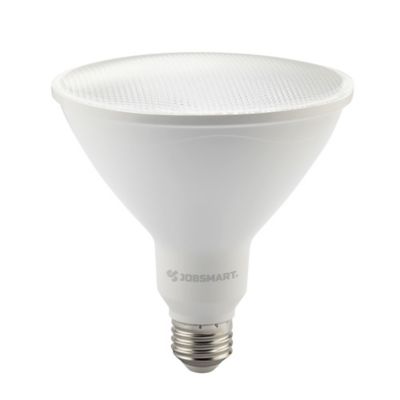
A bulb also needs to fit the fixture, both at the socket and inside the shade or housing. Many household lamps take a medium screw base, commonly designated E26, while smaller candelabra sockets often take an E12 base. Those bases are not interchangeable, and bulb shape alone does not tell the whole story. A candle-shaped bulb can have a different base from another bulb with a similar appearance. Standard pear-shaped bulbs suit many table lamps and ceiling fixtures, globe bulbs often fit exposed vanity lighting, and reflector bulbs direct light toward counters, work surfaces, or a particular part of a room. The bulb’s overall length and width matter, especially inside a narrow shade, a shallow ceiling light, or a fixture with a glass cover. Glass and plastic bulb envelopes are both common, and their finishes influence the appearance of the light. Frosted surfaces soften the visible light source, while clear surfaces leave the internal elements in view and can create a more pronounced sparkle in open fixtures. Neither finish changes the need to match brightness and light color to the room. For dining-room fixtures with several small sockets,
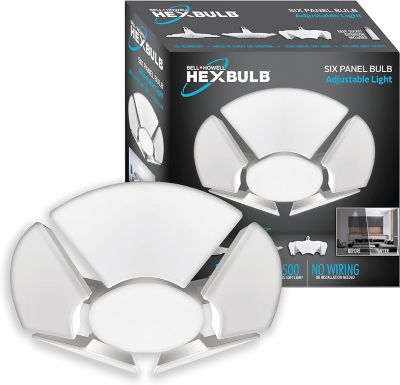
LED Bulbs for Chandeliers offer a related lighting category where base size, bulb profile, and dimming compatibility are especially important. A fixture’s maximum wattage refers to actual power consumption, not the incandescent-equivalent number printed on an LED package. Staying within that limit remains essential. Enclosed ceiling fixtures need bulbs specifically rated for enclosed operation because trapped heat can shorten the life of an unsuitable LED bulb. Recessed housings can have their own compatibility requirements as well. Dimming adds another consideration: an LED bulb must be labeled dimmable, and the dimmer must work with that bulb type. An incompatible pairing can cause flickering, buzzing, or a light that shuts off before reaching the desired low setting. The fixture label, bulb specifications, and dimmer information together establish whether the combination belongs in that spot.
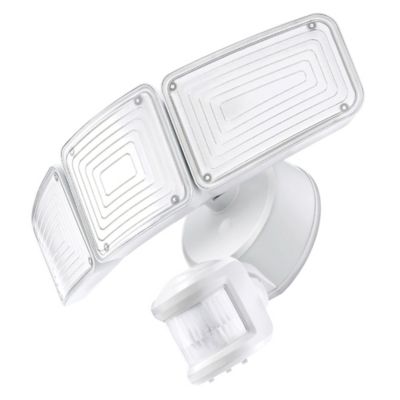
Long service life is one of the main reasons LED bulbs make sense throughout a home, particularly in ceiling fixtures that take some effort to reach. Their rated life is usually expressed in hours, not a promise that every bulb will last a certain number of years. Daily operating time, heat buildup, and fixture compatibility all influence how long a bulb keeps working. LEDs also tend to lose brightness gradually over their life rather than always failing suddenly. For households where kitchen lights run through meal preparation, homework, and evening cleanup, lower electrical consumption can add up over many hours of use. Other spaces benefit from having light right where the task happens: a lamp beside a favorite chair, a bright ceiling fixture in the mudroom, or focused light above a workbench. Keeping bulb color consistent within a shared fixture helps prevent one socket from looking yellow while the next looks blue. In connected living spaces, similar light colors can also make the room-to-room transition feel more settled. Color rendering is another useful specification, particularly around a bathroom mirror, a sewing table, or a place where matching clothing colors matters. The color rendering index, or CRI, describes how faithfully a light source shows colors compared with a reference source; a CRI of 90 or higher generally provides stronger color rendering than a lower-rated bulb. Connected bulbs bring another option for households that want app controls, schedules, or adjustable light color, although their connection requirements and switch compatibility vary. Many need power left on at the wall switch to respond to remote commands. Everyday care stays simple: power should be off and the bulb cool before handling, and a dry, soft cloth can remove surface dust without soaking electrical parts. Bulbs belong in fixtures suited to their stated indoor, damp-location, or wet-location rating, as applicable. Proper fit, sensible light output, and compatible controls help household lighting do its job, whether that means seeing the small print on a label or settling in with a book at the end of the day.