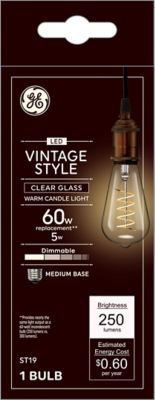
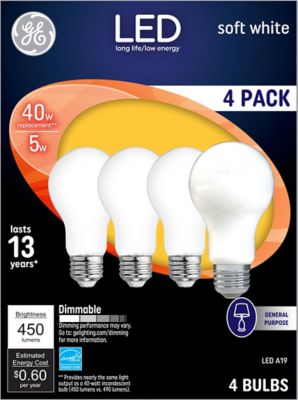
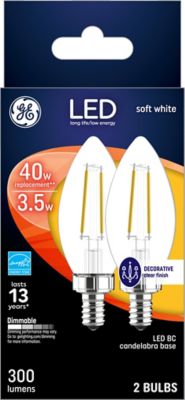
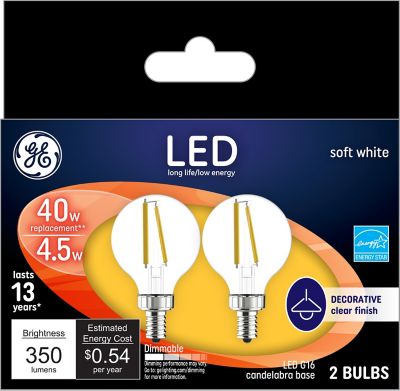
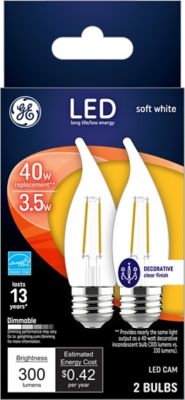
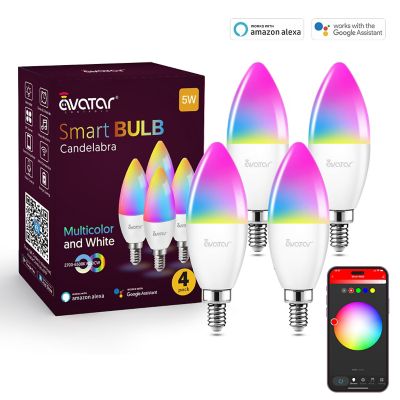
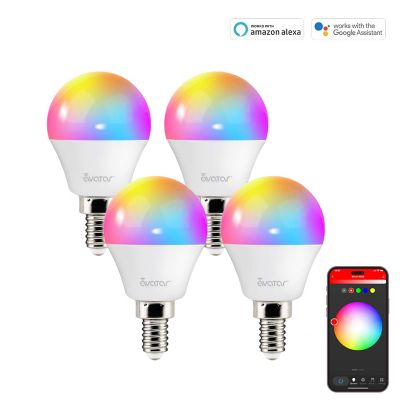
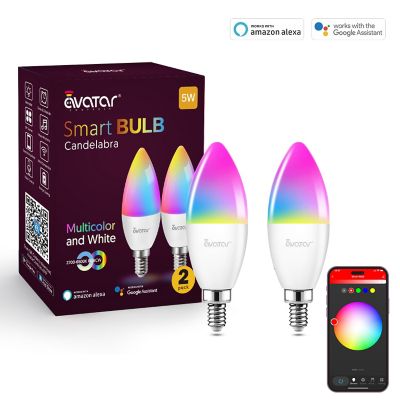
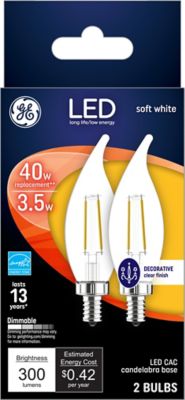
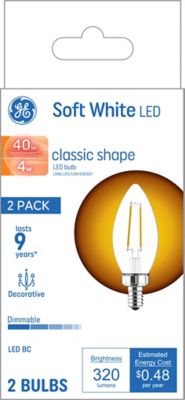
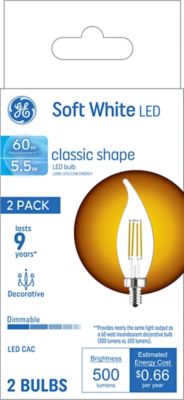
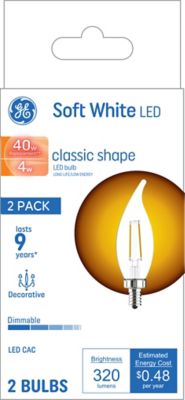
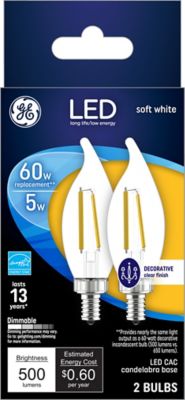
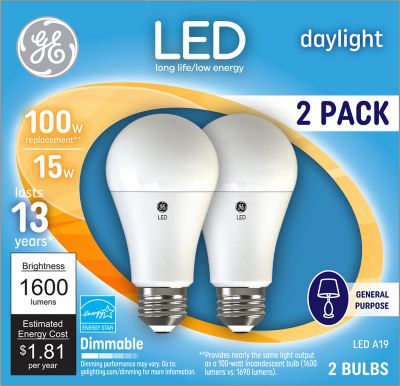
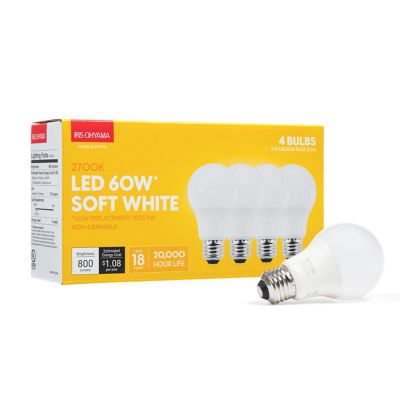
LED bulbs for chandeliers bring a warm, finished look to dining rooms, entryways, kitchens, bedrooms, and other spaces where a decorative light fixture does more than brighten the room. Compared with older incandescent bulbs, LED chandelier bulbs use much less energy and can last for thousands of hours, making them a practical choice for a light that stays on through family dinners, homework, weekend gatherings, and quiet evenings at home. They are especially handy in high ceilings or fixtures with several sockets, where changing bulbs can be a bit of a chore. A bright chandelier over a farmhouse table can make a room feel welcoming when the weather turns cooler, while a smaller fixture in an entryway helps guests find their way in from the dark. LED bulbs are also useful in rental homes, farmhouses, cabins, and older houses where decorative fixtures may be used every day. If you are updating an existing chandelier, start by checking the label on the fixture or the bulb already in the socket. Many chandeliers use an E12 candelabra base, the small screw-in base commonly found on candle-shaped bulbs, though some larger fixtures use an E26 medium base. The base must match the socket for the bulb to fit safely and work properly. It also helps to note the fixture’s maximum wattage and the number of sockets before choosing a replacement. LED wattage is much lower than incandescent wattage, but the fixture’s listed limit still matters. For general room lighting, bulbs in the range of about 500 to 600 lumens offer brightness similar to a traditional 60-watt incandescent bulb, while lower-lumen options can provide a softer glow for accent lighting. A chandelier with several bulbs may not need the brightest bulb in every socket, especially in a dining room where a gentler light feels more comfortable.
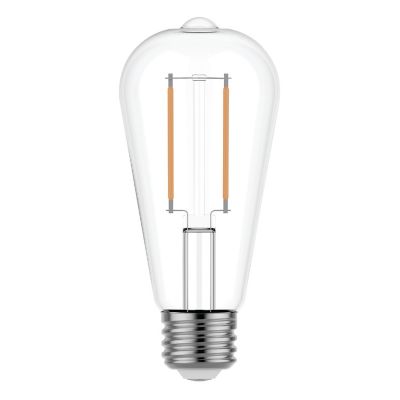
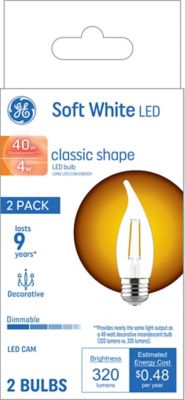
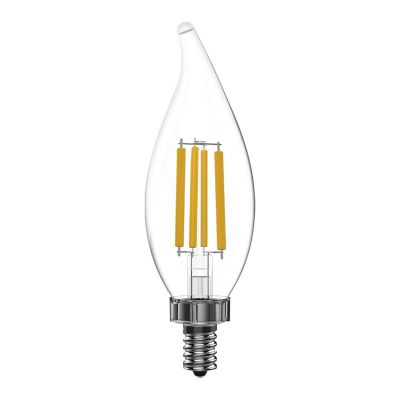
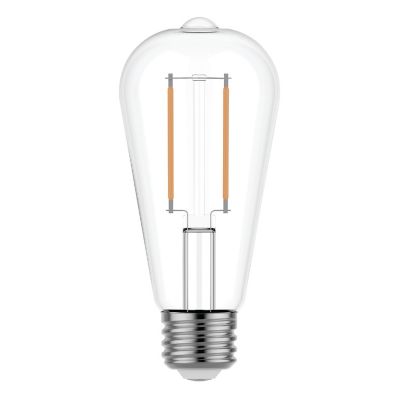
The shape and color of a chandelier bulb can change the whole personality of a fixture. B11 bullet or torpedo bulbs have a classic candle-like profile and work well in traditional, farmhouse, and transitional chandeliers. CA11 flame-tip bulbs have a curved top that adds a little decorative detail, especially when the bulbs are visible from across the room. Clear tubular styles, sometimes called T6 or T6.5 shapes, can give an open, vintage-inspired fixture a simple Edison-style appearance. Clear glass shows the filament and can add sparkle when the chandelier is lit, while frosted or diffused glass spreads light more evenly and softens glare. Look closely at the chandelier’s shades, arms, and decorative trim when choosing a shape; a bulb that is too tall or wide may touch the shade or crowd the fixture. Color temperature is another important choice. Warm white bulbs in the 2400K to 2700K range create the familiar golden, candlelit appearance that suits dining rooms, bedrooms, porches, and living areas. This warmer light looks particularly inviting against wood floors, natural stone, leather furniture, and painted cabinets. Bulbs around 3000K to 3500K produce a cleaner, more neutral white that can make a kitchen island, hallway, craft room, or entryway feel brighter and more alert without looking harsh. If the chandelier is the main light in a busy room, a neutral white may help with everyday tasks. If the fixture is mostly decorative, warm white is often the more comfortable choice. Dimmable LED bulbs offer added flexibility, allowing the same chandelier to provide brighter light while cleaning or serving a meal and a lower glow during a relaxed evening. Confirm that the bulb is labeled dimmable and check that the wall dimmer is compatible with LED lighting. An older dimmer may cause flickering, buzzing, or a limited dimming range, so replacing the switch may be helpful when upgrading the bulbs.
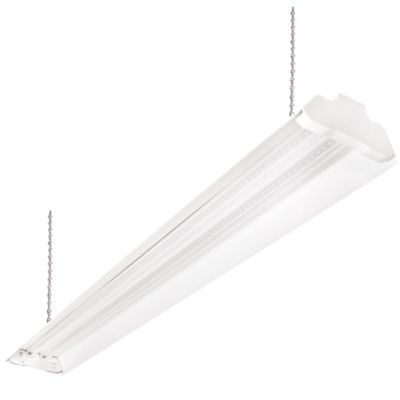
Chandelier LED bulbs are a useful addition for homeowners refreshing a dining area, landlords preparing a rental, or anyone giving a well-used room a small makeover without replacing the entire fixture. They can also make a thoughtful housewarming gift for someone settling into a new home, especially when paired with other practical lighting updates. A multipack is convenient for chandeliers with several arms and provides matching bulbs for a more even appearance; keeping one or two spares in a utility drawer can save a trip to the store when a bulb eventually reaches the end of its long service life. When replacing bulbs, turn off the fixture and allow old bulbs to cool before removing them. Make sure the new bulbs are seated firmly but do not overtighten them, and give the fixture a quick dusting while the sockets are empty. Matching the bulb shape, base, brightness, and color temperature across the chandelier will help the fixture look balanced instead of having one noticeably different light. For decorative fixtures in spaces that need a broader beam, look for bulbs with a suitable beam spread and clear line of sight through the shade. For exposed chandeliers, appearance matters just as much as performance, so consider how the glass, filament style, and bulb profile look when the fixture is switched off. LED lighting can also be useful in nearby work areas; for overhead utility fixtures, browse
LED Bulbs for Shop Lights. With the right fit and brightness, chandelier bulbs can make a room feel settled and welcoming through the cooler months, from early-morning coffee at the kitchen table to supper with family gathered beneath a warm, steady glow.