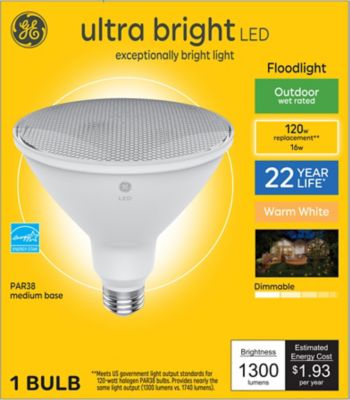
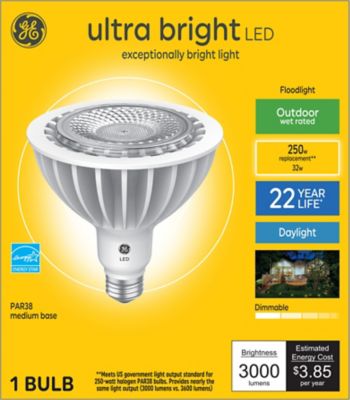
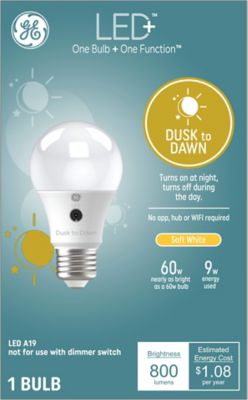
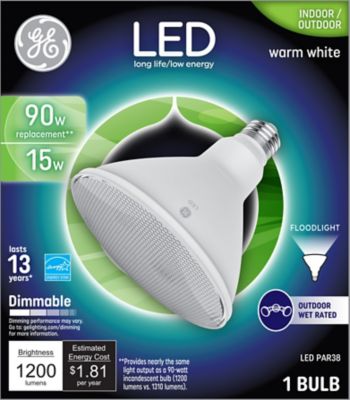
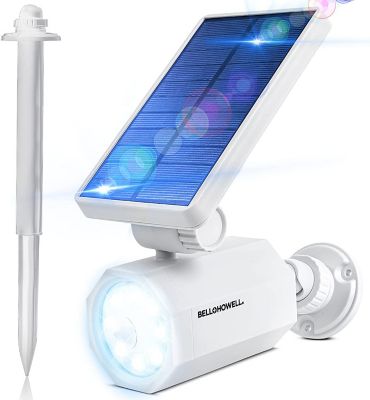
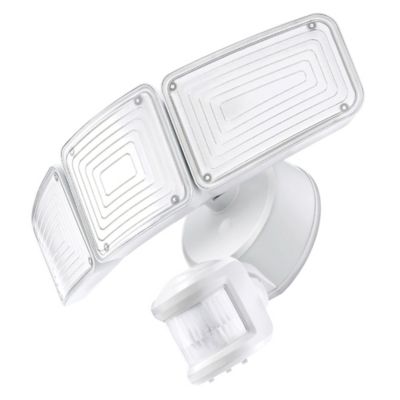
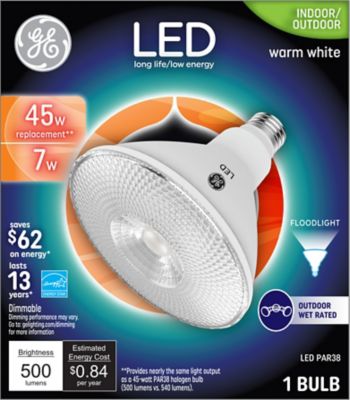
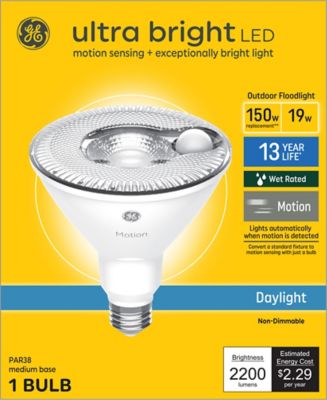
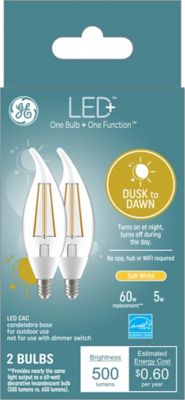
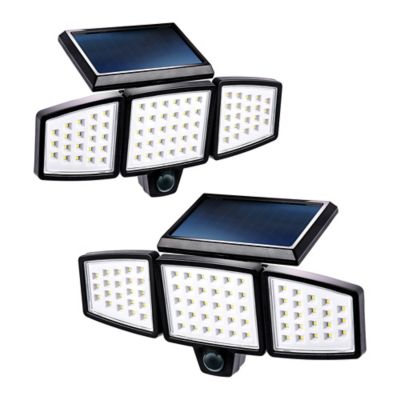
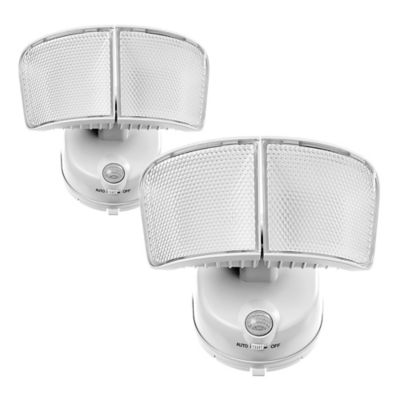
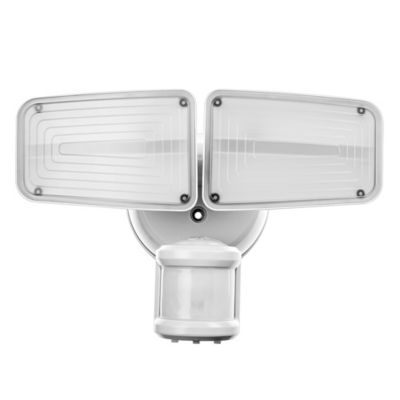
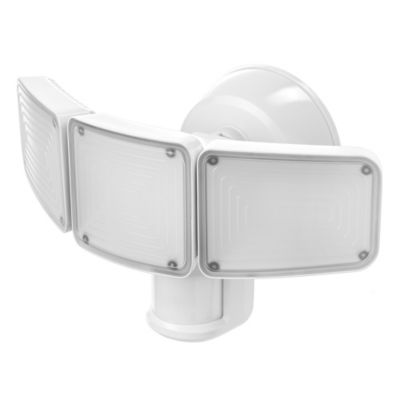
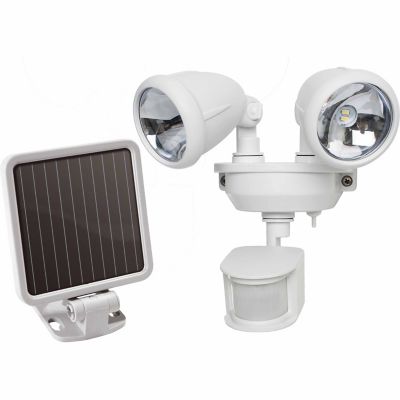
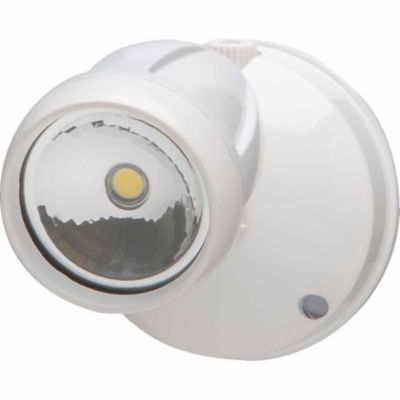
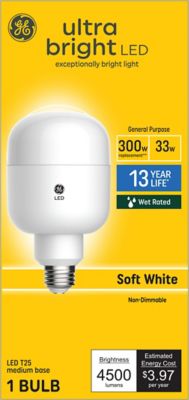
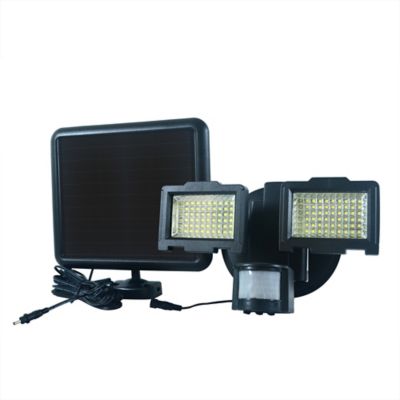
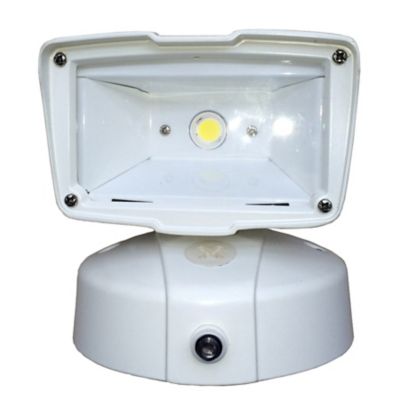
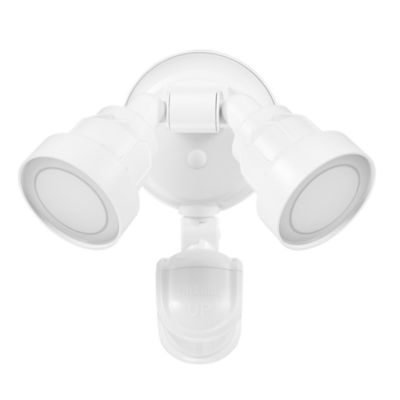
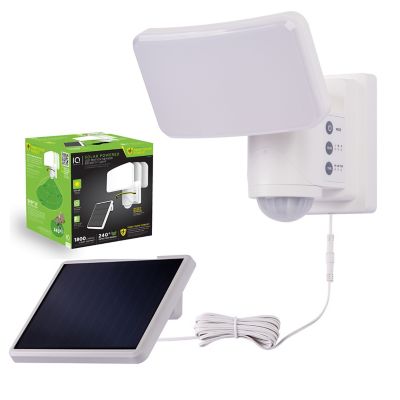
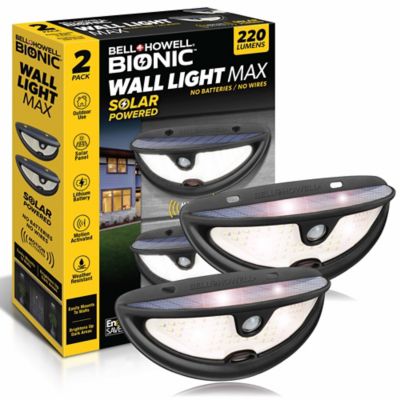
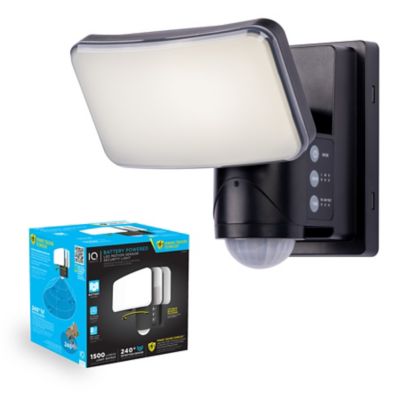
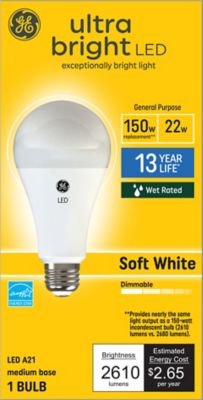
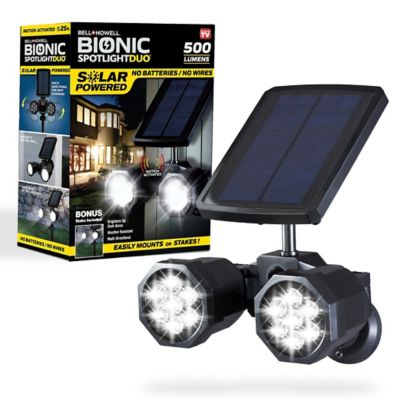
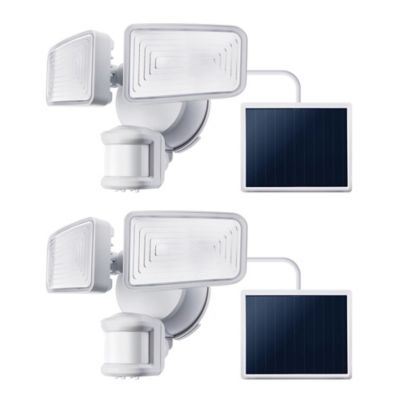
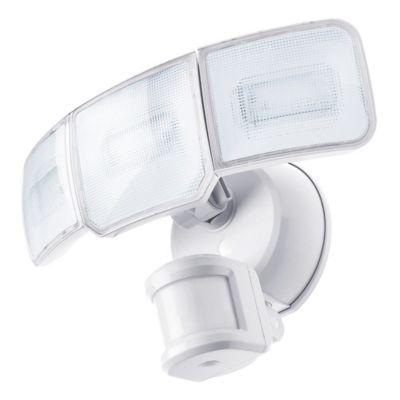
LED bulbs for security lights help put light where it matters most: across the driveway, beside the shop door, over a back gate, or along the path between the house and barn. These replacement bulbs fit compatible fixtures and provide illumination for everyday tasks, from finding the right key to spotting a feed sack left near the steps. Some work with a fixture’s existing controls, while others include their own dusk-to-dawn or motion-sensing features. A dusk-to-dawn LED bulb has an ambient light sensor that switches the bulb on when surrounding light drops and off when daylight returns. A motion-activated LED bulb responds to movement within its detection area, with operating hours and shutoff timing depending on the bulb’s design. Standard LED floodlight bulbs can also work in security fixtures with separate sensors, provided the bulb and controls are compatible. That distinction matters when replacing a burned-out bulb: automatic operation may come from the fixture, the bulb, or a separate control, and those parts need to work together. For homeowners, folks tending livestock, and anyone heading out to a detached garage after dark, the right lighting makes entrances and work areas easier to see. Broad illumination can reveal the edge of a gravel drive, while a more focused beam can brighten a latch or doorway without washing the whole yard in light. Security lighting also helps make activity around a building more visible, though no bulb alone can guarantee protection against trespassing. LEDs generally draw less electricity than incandescent or halogen bulbs producing similar light output, and their longer rated operating life can mean fewer trips up a ladder. Actual service life depends on the bulb, its operating conditions, and the fixture around it. The best fit starts with the job at hand, whether that means steady light beside an entry or illumination that comes on when someone approaches.
Brightness, beam spread, and physical fit all shape how LED security light bulbs perform around a property. Lumens describe the amount of visible light a bulb produces; watts describe the electricity it draws. Comparing lumens is more helpful than comparing wattage alone when the goal is replacing an older bulb with similar brightness. More light is not always better, especially beside a bedroom window, near a road, or along a shared property line. A properly aimed flood beam can cover a parking area without shining straight into a driver’s eyes. A narrower spot beam puts more concentrated light on a smaller area, such as a gate or side entrance. PAR and BR bulb designations describe different reflector-style shapes, but the listed beam angle gives a clearer picture of how broadly a particular bulb spreads light. Color temperature, measured in kelvins, affects how that light looks. Lower values create a warmer appearance, while higher values produce a cooler, whiter appearance; a higher kelvin rating does not automatically mean greater brightness. Around a porch, warmer light may feel more comfortable, while a cooler tone may suit a utility entrance. The socket, bulb dimensions, and fixture design matter just as much. A medium screw base is common in household lighting, but not every security fixture takes that base, and some fixtures have integrated LEDs rather than replaceable bulbs. The bulb needs enough room inside the housing, with clearance for any lens, cover, or retaining ring. Voltage and actual wattage must meet the fixture’s requirements, and a bulb inside a fully enclosed housing must carry an enclosed-fixture rating. Glass or plastic lenses, housing materials, and heat-management components vary by design. Rather than judging service life by how substantial a bulb feels, look to its listed application, operating limits, and rated life. Those details help match the bulb to a porch lantern, adjustable floodlight head, or other compatible security fixture.
Sensor placement and outdoor ratings separate a good match from a bulb that struggles in its surroundings. A bulb described as suitable for a damp location is not necessarily suitable for direct exposure to water; wet-location approval matters when the installation leaves it exposed. The fixture must also be appropriate for its location, since an outdoor-rated bulb does not turn an indoor fixture into an outdoor fixture. Built-in light sensors need a useful view of ambient light. A deep shade or heavily tinted cover may keep a dusk-to-dawn bulb from responding as expected, while light bouncing back from a nearby wall can affect some sensors. Motion-sensing designs need equal attention to placement. A bulb with a passive infrared sensor detects changes in infrared energy as people, animals, or other sources move through its sensing area. Fixture covers can interfere with that detection, and the listed mounting height, detection range, and viewing angle determine whether the sensor can cover the intended approach. A bulb tucked behind a porch lantern’s glass may screw in just fine yet fail to sense someone walking up the steps. Likewise, movement outside the area that needs lighting can lead to unwanted activation. Compatibility with timers, dimmers, photocells, and existing motion controls should be stated by the manufacturer rather than assumed; stacking automatic controls can cause unexpected behavior. Keeping the controlling wall switch on is generally necessary for a sensor-equipped bulb to operate automatically. For routine care, switch off power, let the bulb cool, and follow the manufacturer’s cleaning directions. Dust and insect buildup on accessible lenses and sensor surfaces can interfere with light output or sensing, so occasional attention helps keep the installation working as intended. Avoid spraying cleaner into sockets or electrical parts, and leave damaged fixtures or questionable wiring to a qualified electrician. For a separate indoor lighting job over a counter or table,
LED bulbs for pendant lights call for their own fit, brightness, and glare considerations. Outside, matching the security bulb to its housing, controls, and coverage area keeps the focus on practical light for the places people actually walk and work.