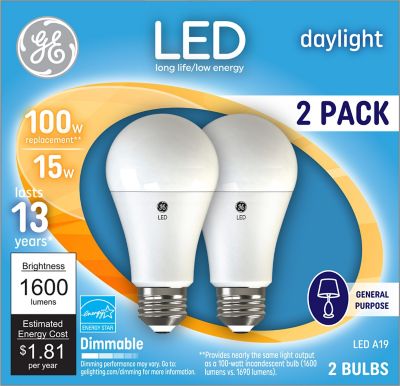
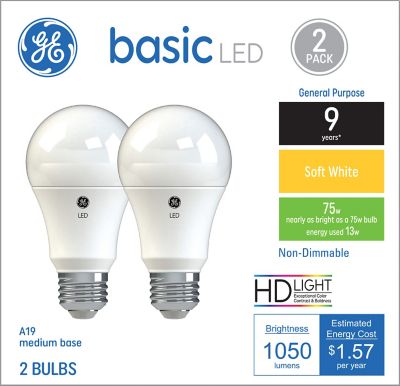
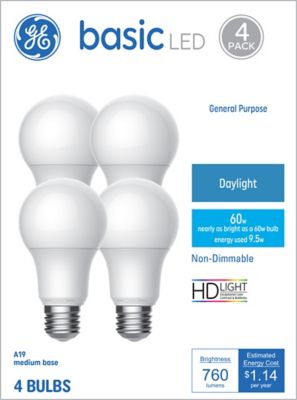
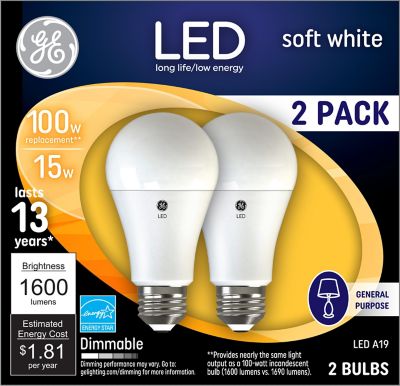
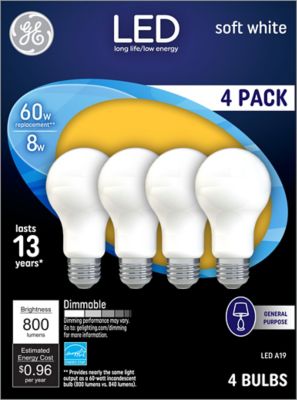
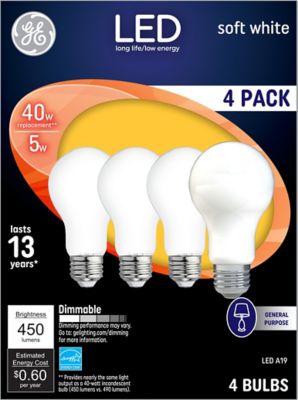
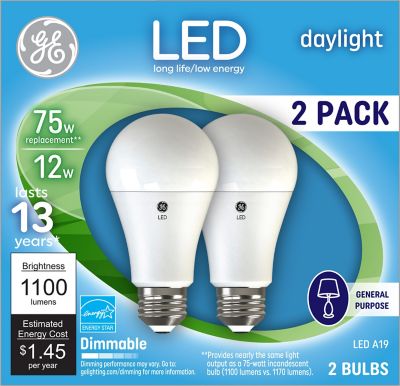
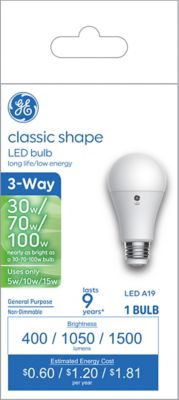
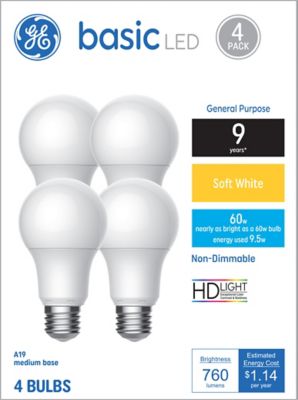
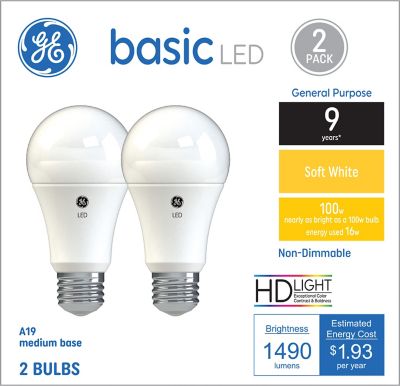
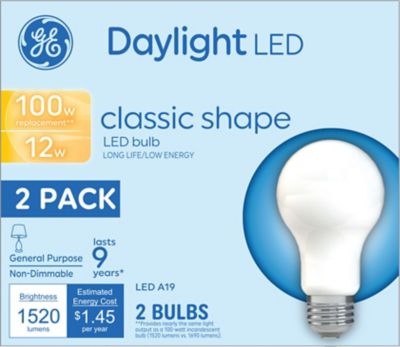
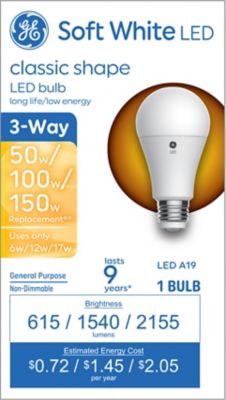
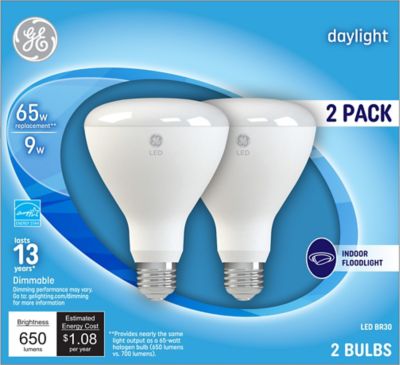
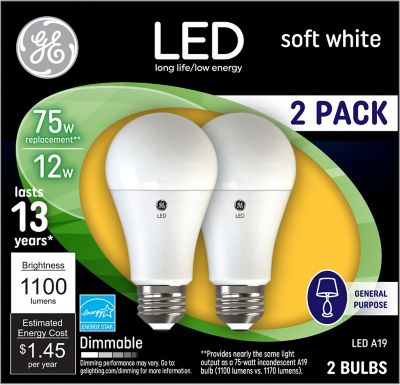
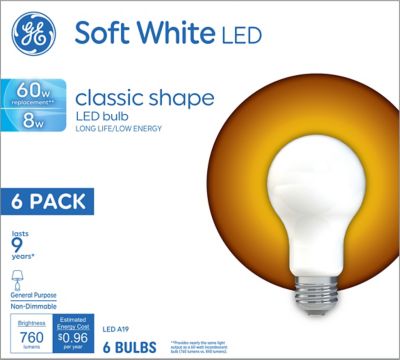
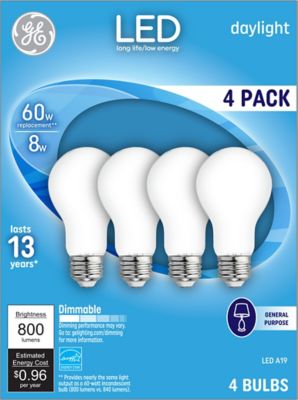
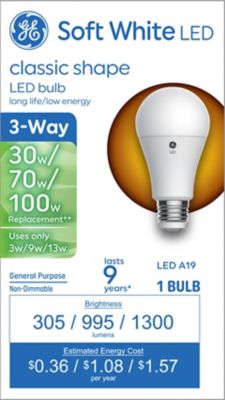
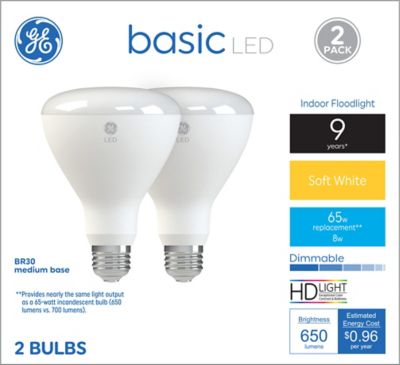
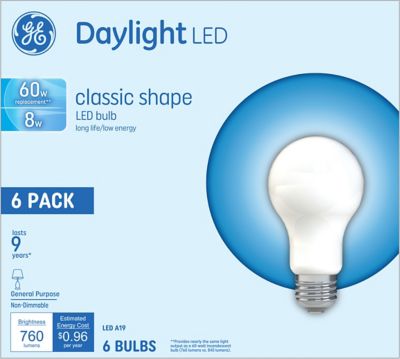
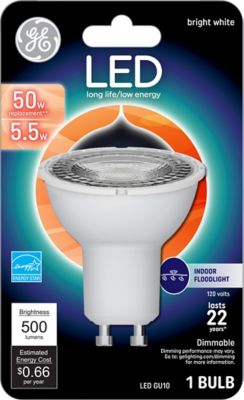
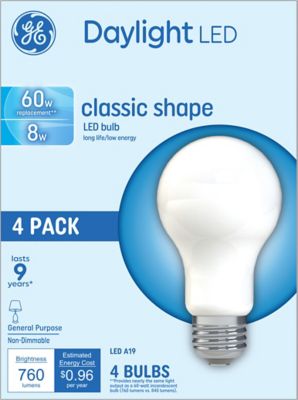
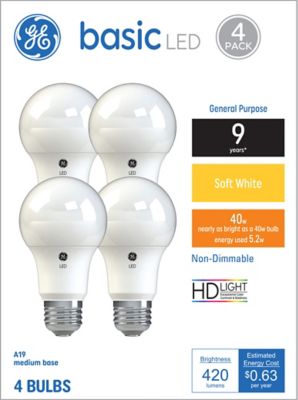
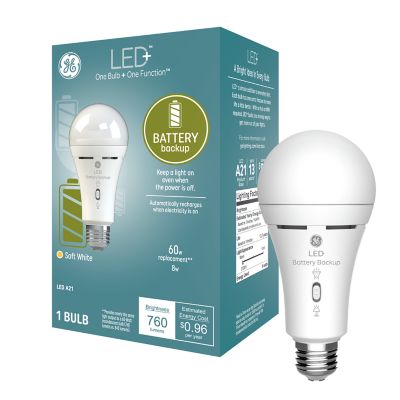
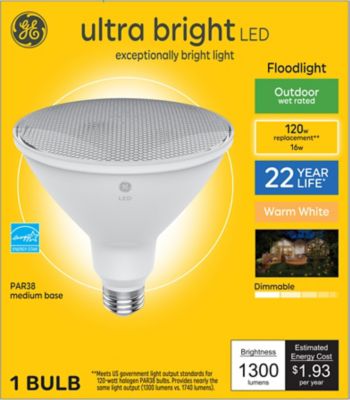
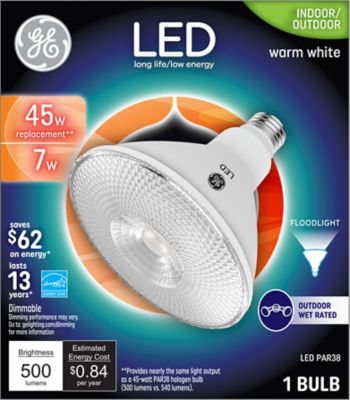
Indoor LED light bulbs provide energy-efficient light for table lamps, ceiling fixtures, recessed housings and other lighting inside the home. LED stands for light-emitting diode, a technology that produces light with less electricity than a traditional incandescent bulb delivering similar brightness. That makes these bulbs a practical fit for everyday spaces, from a kitchen where supper comes together to a utility room where small print on a container needs to be clear. Brightness is measured in lumens, while watts describe electricity consumption, so the lumen rating is the better starting point when comparing light output. For familiar reference points, about 450 lumens corresponds to a traditional 40-watt incandescent bulb, 800 lumens to 60 watts, 1,100 lumens to 75 watts and 1,600 lumens to 100 watts. These are approximate comparisons rather than promises about how bright a whole room will feel. Shade material, fixture placement, wall color and ceiling height all affect the result. Light color matters, too. A 2700K bulb generally gives off a warm, yellowish white that feels comfortable beside a recliner or over a dining table. Around 3000K, the appearance remains warm but looks a little crisper. Higher Kelvin ratings, such as 4000K or 5000K, produce a more neutral or daylight-like white that can suit work areas where seeing small details takes priority. A higher Kelvin number does not mean a bulb produces more lumens; color appearance and brightness are separate measurements. Color rendering is another useful detail, especially around bathroom mirrors, sewing tables and kitchen counters. The color rendering index, or CRI, describes how naturally colors appear under a light source compared with a reference source. Bulbs rated 90 CRI or higher can be helpful where telling similar paint shades, fabric colors or food colors apart matters. The right combination leaves a room comfortable without making everyday tasks harder to see.
A good fit starts with both the bulb’s base and the space around it. Many household lamps take an E26 medium screw base, while smaller fixtures may call for an E12 candelabra base or another connection entirely. Those base labels describe the connection, not the full bulb shape. An A19 bulb is a familiar pear-shaped household format, but a fixture might instead need a globe, a slender candle shape, a compact reflector or a larger flood-style bulb. Matching the old bulb’s base is only part of the job: overall length, width and clearance matter when a shade, glass cover or recessed trim limits the space. A bulb that threads into the socket can still be too wide for the opening or sit too close to the cover. Frosted lenses soften the appearance of the light source, which can be welcome in exposed fixtures or lamps viewed from a chair. Clear bulbs create a different look, often showing the internal LED filaments, and may feel sharper when directly in view. Reflector bulbs concentrate light in a particular direction, making beam angle useful for recessed ceiling lights and focused work areas. A narrow beam can brighten a small work surface, while a broader beam spreads illumination across more of the room. Fixture design still determines where that light lands. Dimming adds another compatibility detail. An LED bulb needs to be labeled dimmable to operate on a dimmer, and the dimmer itself needs to support the bulb’s electrical requirements. Older controls designed around incandescent loads may cause flicker, buzzing or limited dimming range with some LEDs. Compatibility information helps narrow that match before a reading lamp or dining fixture becomes frustrating to live with. Smart controls, timers, motion sensors and illuminated switches can also have specific requirements. For a family room that handles reading, conversation and television, compatible dimming can make one fixture more flexible. In a laundry room or pantry, steady light at full output may be the simpler choice. Each setup benefits from bulbs chosen for the fixture and the work happening beneath it.
Construction and operating conditions play a big part in how indoor LED bulbs hold up over time. Depending on the design, a bulb may have a glass or plastic outer enclosure, internal electronic components and materials that help carry heat away from the LEDs. LEDs generally release less heat into the surrounding space than incandescent bulbs at comparable brightness, but they still generate heat and should not be assumed safe to touch while operating. A fully enclosed ceiling fixture can trap heat, so the bulb needs an enclosed-fixture rating when that installation calls for one. Likewise, a bathroom, utility area or other moisture-prone location may require a damp-location rating; the bulb and fixture ratings both matter. Rated life, commonly expressed in hours, is an estimate under stated test conditions rather than a guarantee of service in every room. Heat buildup, electrical compatibility and operating patterns can affect performance, and light output can gradually decline before a bulb stops working. Keeping fixture covers and shades free of dust helps light reach the room instead of getting blocked along the way. Cleaning belongs on a cool, disconnected lamp or a fixture with power switched off, following the manufacturer’s care directions and keeping moisture away from electrical parts. Household indoor bulbs should also be distinguished from vehicle interior LED bulbs, which have different electrical and fitment requirements. Vehicle dome, map and cargo lights may take wedge-base lamps or festoon lamps measured by length, rather than household screw-base bulbs. A vehicle owner’s manual or fitment listing is the right reference for that separate application. Across a home, choosing compatible bulbs with similar light color can keep adjoining rooms from looking mismatched without requiring every fixture to have the same brightness. For spaces beyond the door,
Outdoor LED Fixtures cover a different lighting need, where exposure ratings and placement deserve the same attention as illumination. Inside, the best match is straightforward: light that fits the socket, suits the fixture and makes the room easier to live and work in.