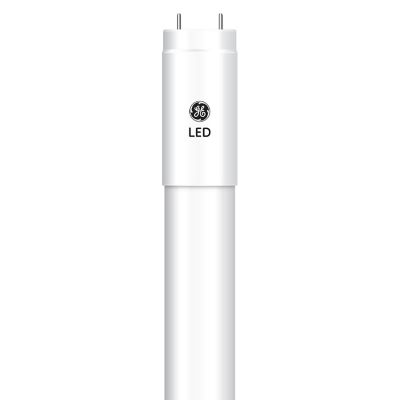
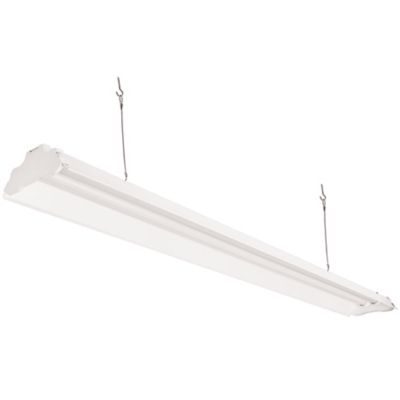
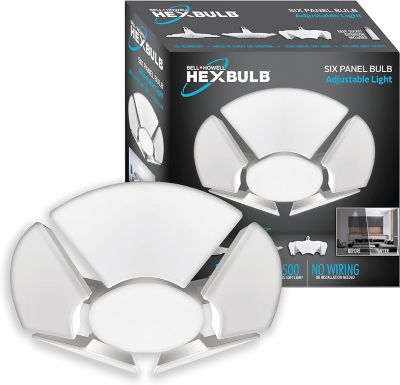
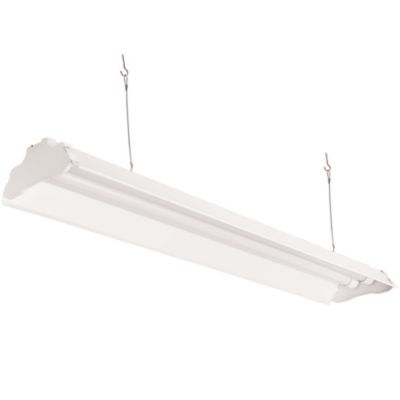
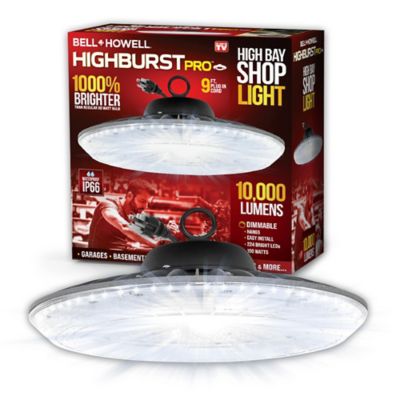
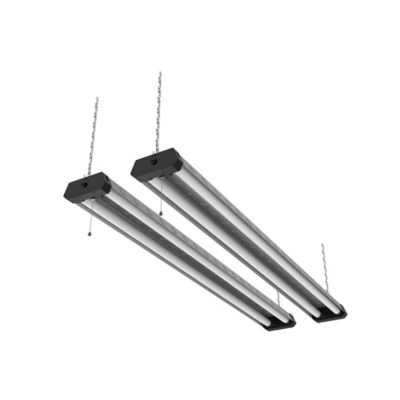
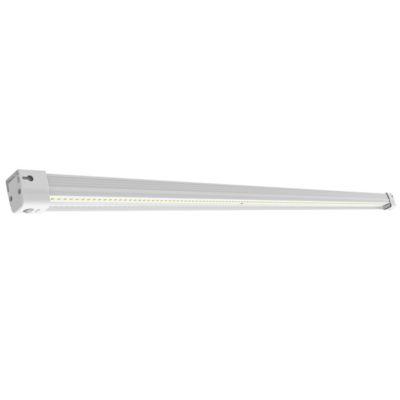
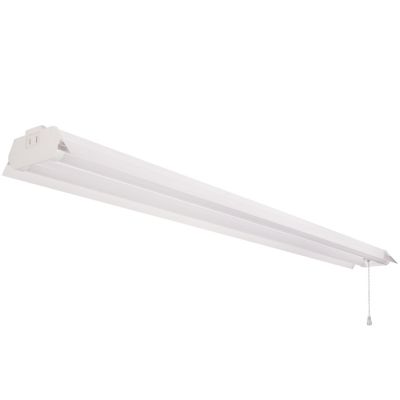
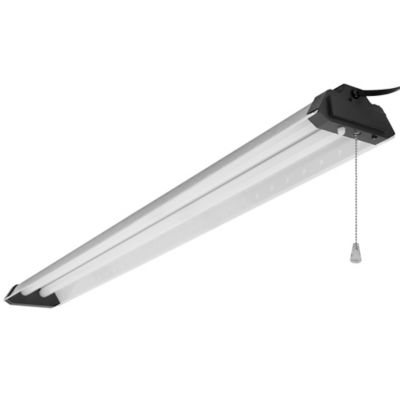
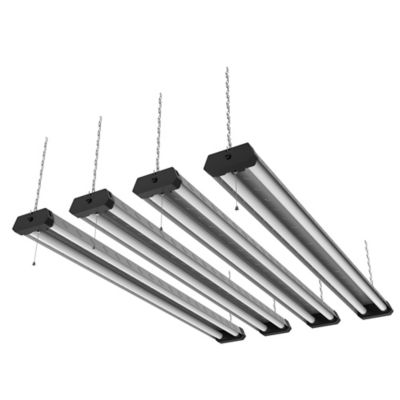
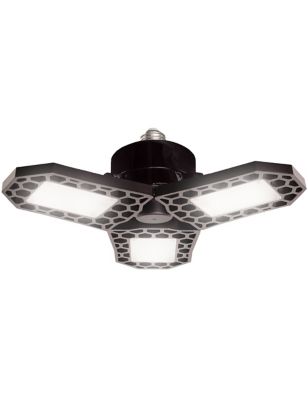
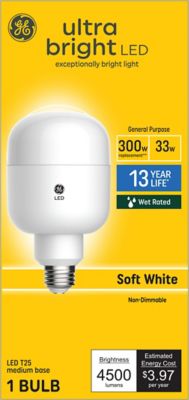
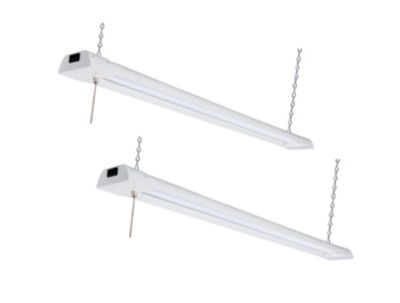
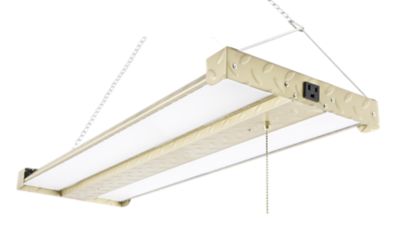
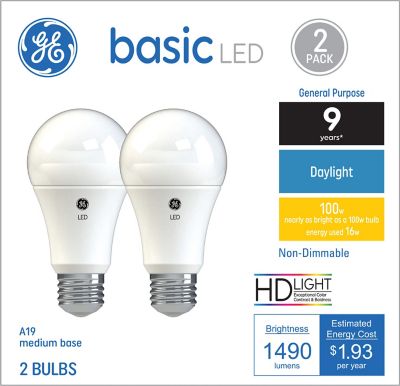
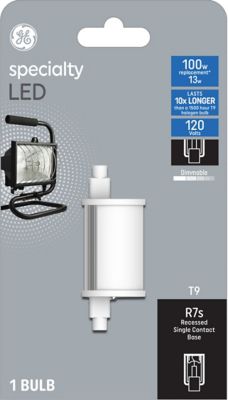
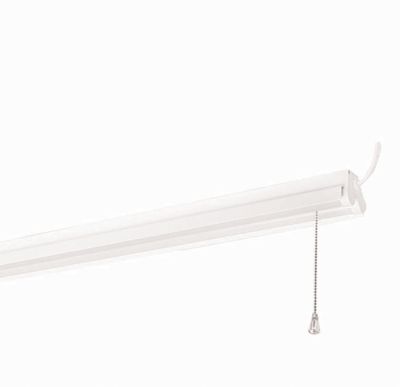
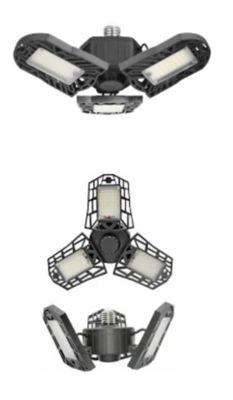
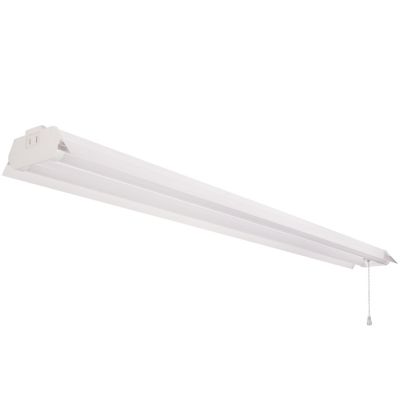
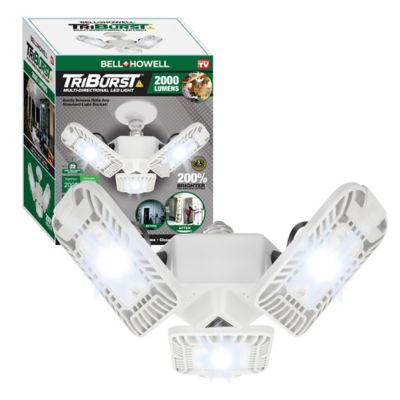
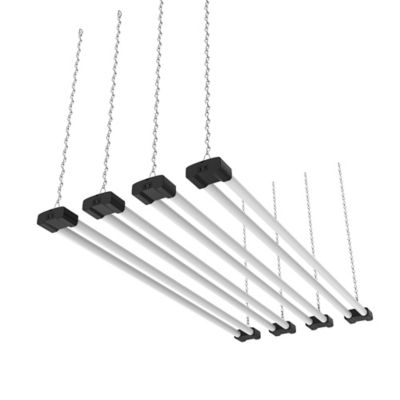
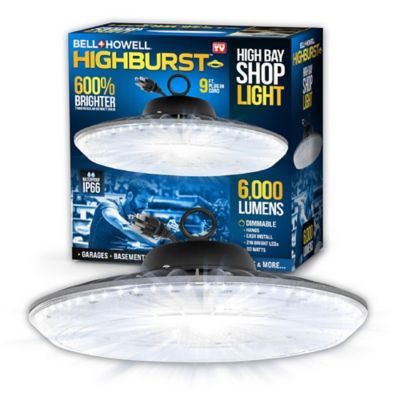
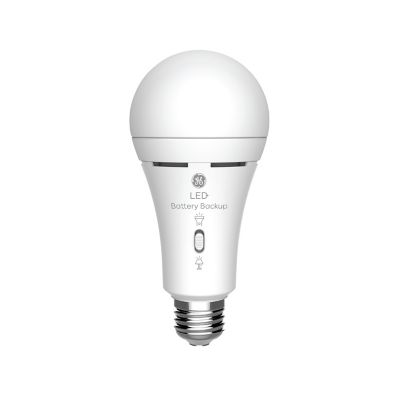
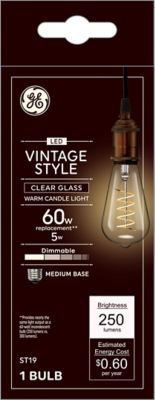
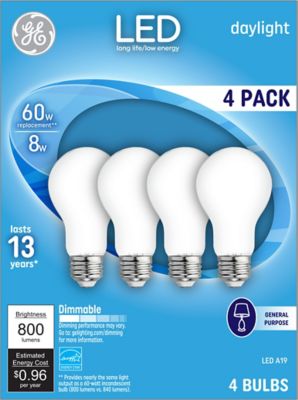
LED bulbs for shop lights help put clear, practical light over the places where work gets done, from a garage workbench to a farm repair bay. Good overhead lighting makes it easier to sort sockets, read markings on parts and spot a dropped washer before it disappears under a cabinet. LED replacement bulbs can also bring new life to compatible fixtures without replacing the entire housing. The main distinction is between a replaceable lamp and an integrated LED shop light: a replacement tube or bulb fits a suitable fixture, while an integrated fixture has its LEDs built into the assembly and generally does not take separate replacement bulbs. Four-foot LED tubes are a common choice for shop lighting, but length alone does not establish compatibility. The tube designation, pin arrangement, electrical requirements and fixture labeling all matter. T8 and T12 describe different tube diameters, and even tubes with similar-looking ends are not automatically interchangeable. Shops with screw-base fixtures need a different bulb format, with the correct base size, physical clearance and electrical rating. Brightness is measured in lumens, while watts describe power consumption, so comparing lumen output gives a better picture of how much light a bulb provides. An output of roughly 3,500 to 5,000 lumens across a four-foot fixture can be a useful starting point for general shop lighting, though the amount needed depends on ceiling height, fixture spacing and the work below. That figure is not a requirement for each individual replacement tube; a fixture with multiple lamps combines their output. Dark walls, deep shelving and large equipment can leave shadows even beneath a bright ceiling light. For mechanics, woodworkers, farmers and anyone keeping household equipment running, an even spread of light often matters more than a single bright spot. Broad overhead illumination paired with a separate task light can keep hands and tools from casting shadows across the exact spot that needs attention.
Fixture compatibility is especially important when replacing fluorescent shop light tubes with LEDs. Type A LED tubes operate through a compatible fluorescent ballast, making them a straightforward replacement option when the existing ballast appears on the lamp manufacturer's compatibility list. A matching tube length and base are not enough to confirm that match, and a failing ballast can still affect performance after the lamps are changed. Type B LED tubes bypass the ballast and receive power through wiring configured for that particular lamp. This arrangement removes the ballast from the operating circuit, but it requires electrical work rather than a simple tube swap. Single-ended and double-ended Type B lamps have different wiring requirements, and some installations also require a particular lamp holder configuration. A qualified electrician can confirm the wiring, grounding and socket requirements before the fixture goes back into service. Some tubes carry both Type A and Type B approvals, but their installation instructions still determine which arrangements are permitted. Light appearance is another useful comparison once the electrical fit is settled. Color temperature is measured in kelvins: around 4000K gives a neutral white appearance, while 5000K produces a cooler, daylight-like white that many people prefer above a workbench. Lamps around 6500K look cooler still, but a higher kelvin number does not mean greater brightness. Keeping the color temperature consistent across a work area can make the space feel less patchy. Color rendering index, or CRI, describes how faithfully colors appear under the light, which matters when comparing paint finishes, sorting colored wiring or checking fabric and leather repairs. Glare deserves attention, too. Frosted tubes or diffusing covers can soften the view of bright LEDs, while the fixture's reflector and lens help determine where the light falls. A lamp's beam angle affects coverage, so its orientation within the fixture can make a noticeable difference along a bench or between shelving rows.
The construction and rating of LED shop light bulbs help determine where they belong and how they hold up to everyday work. Depending on the design, a tube may have a glass or plastic envelope, a diffusing surface and components that carry heat away from the LEDs. Glass needs careful handling during installation and cleaning, while plastic construction does not make a lamp immune to damage from a swinging board or dropped tool. Protective lenses and guards can help shield lamps, provided they are part of a compatible fixture arrangement. Enclosed fixtures require bulbs specifically rated for enclosed operation because trapped heat can shorten lamp life or affect the electronics. Dust and moisture exposure also call for attention to both bulb and fixture ratings. A lamp suited to a dry garage is not automatically suited to a wash area, and ordinary shop lighting is not intended for locations with combustible dust or flammable vapors. In those spaces, the entire lighting assembly needs the appropriate rating. Routine care is usually simple: disconnect power, let the lamps cool and follow the manufacturer's cleaning directions for removing dust from accessible surfaces. A film of sawdust on a lens can block light that ought to be reaching the work surface. Flickering, buzzing or delayed operation can point to a compatibility or electrical issue rather than a need for a brighter bulb. Rated service life is useful for comparison, but actual life depends on operating conditions, fixture design and the supporting electrical components. Dimming requires a lamp and control combination approved to work together; a standard LED tube should not be assumed dimmable. Likewise, linking several shop lights together is a feature of compatible fixtures, not replacement bulbs, and connection limits come from the fixture instructions. Beyond the shop,
LED Bulbs For Floor Lamps suit a different kind of lighting setup, where shade clearance, base fit and comfortable light near a chair take priority. In a working shop, the right replacement bulb comes down to a sound electrical match, useful coverage and a light appearance that makes the next repair easier to see.