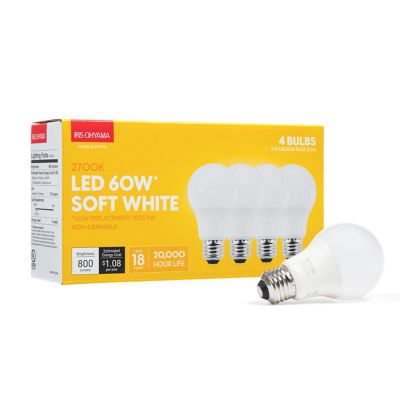
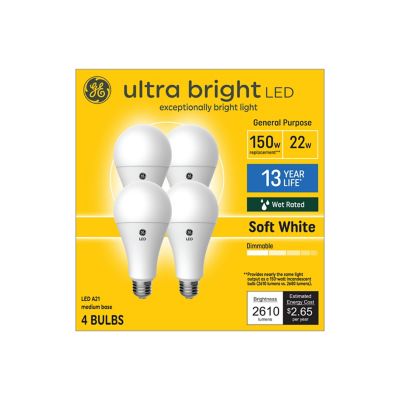
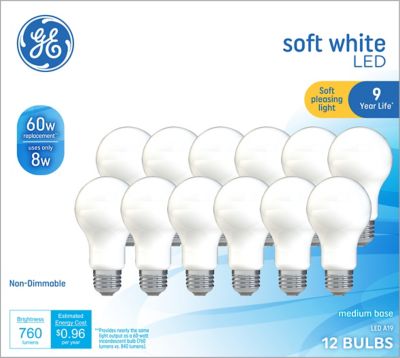
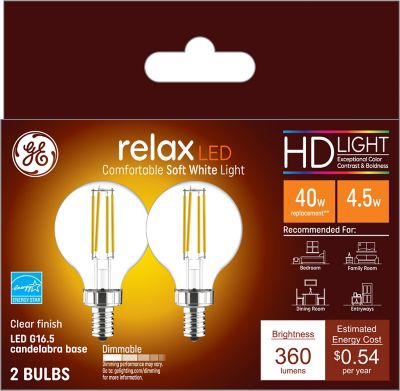
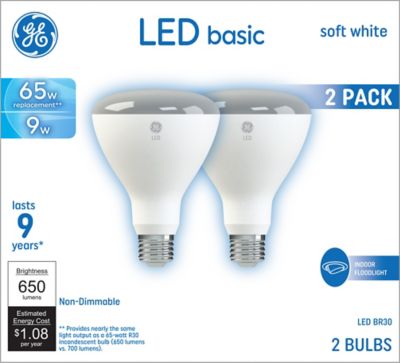
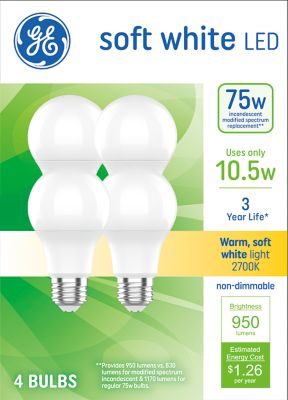
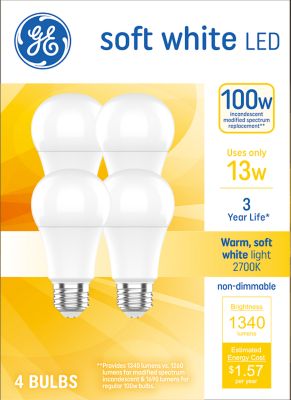
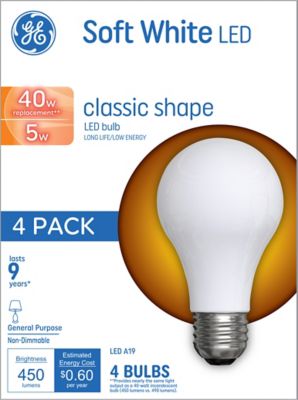
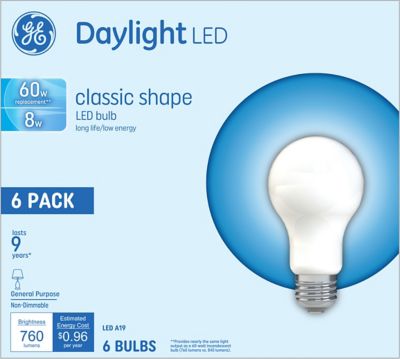
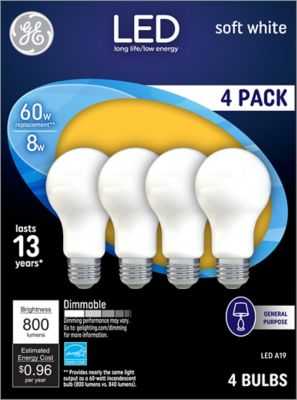
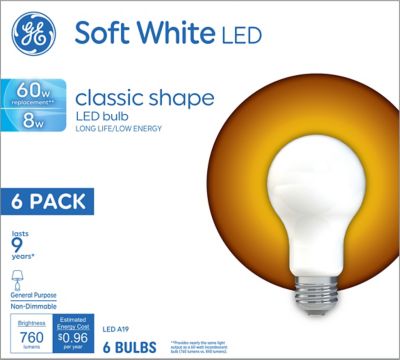
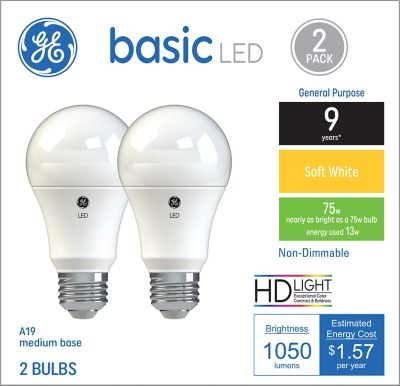
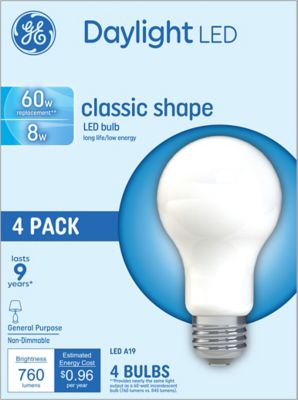
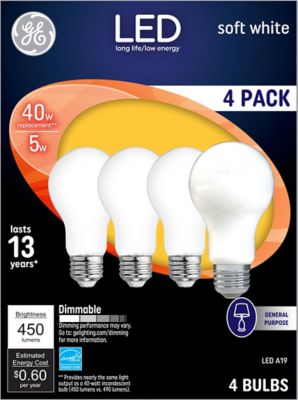
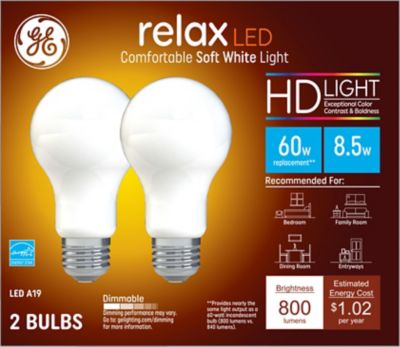
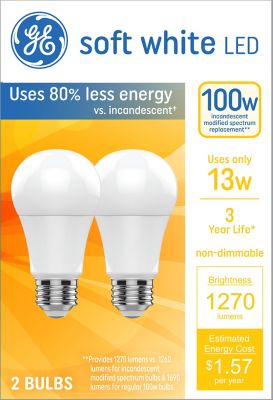
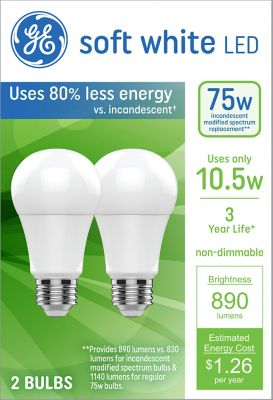
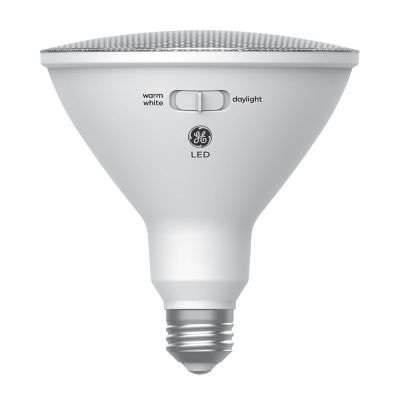
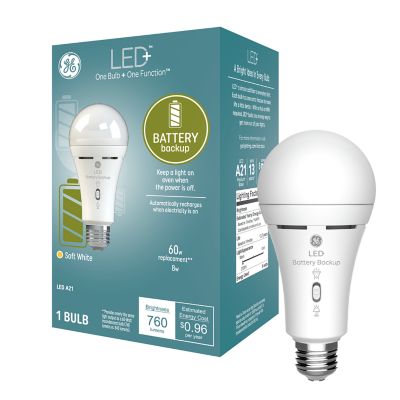
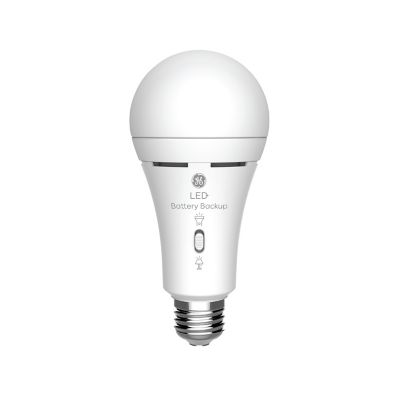
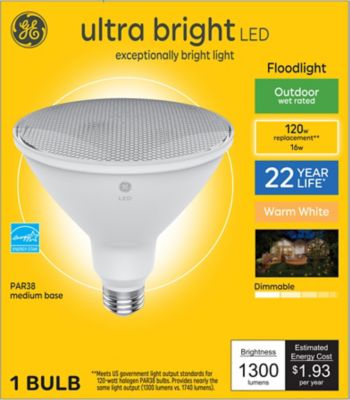
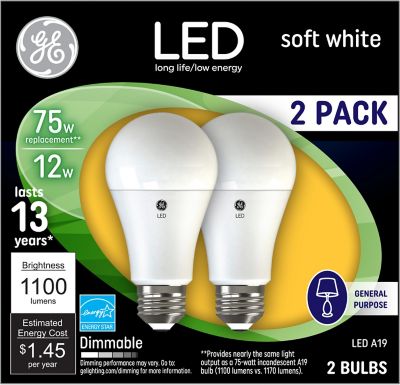
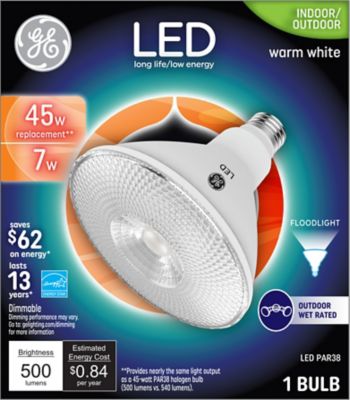
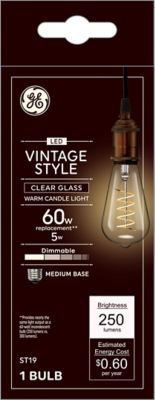
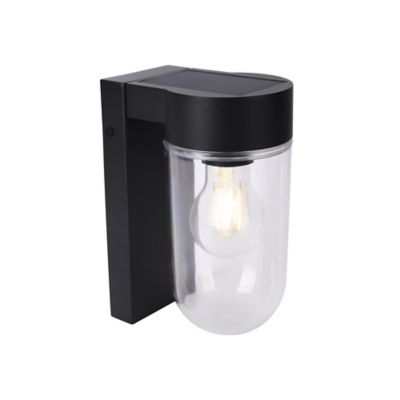
LED bulbs for living rooms make it easier to set the right feel for everyday life, from a quiet cup of coffee before the household wakes up to card games, movie nights, and visits with family during the cooler months. For general lighting from a table lamp, floor lamp, or overhead fixture, a bulb around 800 lumens is a dependable place to start. That level is similar to the light produced by a traditional 60-watt incandescent bulb, while using less energy and producing less heat. If you’re replacing a bulb in a side-table lamp or using light mainly for a warm accent, around 450 lumens may provide a softer glow without making the room feel too bright. Color temperature matters just as much as brightness. Soft white or warm white bulbs in the 2,700K to 3,000K range cast a comfortable golden light that works well with wood furniture, upholstered seating, rugs, and the easygoing atmosphere most folks want in a living room. Cooler daylight bulbs at 5,000K or higher can be useful in work areas, shops, or utility spaces, but they may feel stark or overly blue in a room meant for relaxing. Using warm LED bulbs throughout the main seating area can help the room feel welcoming when the sun sets earlier, whether you’re settling into a favorite chair with a book or keeping a lamp on near the entryway for guests coming in from the porch.
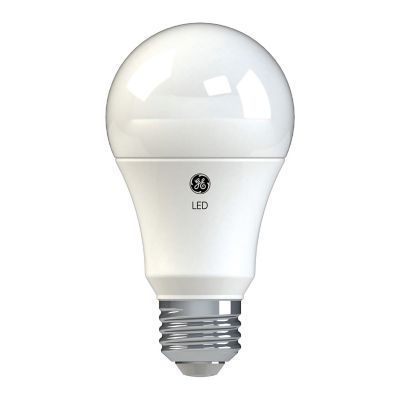
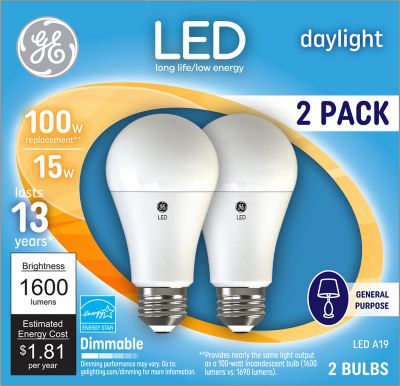
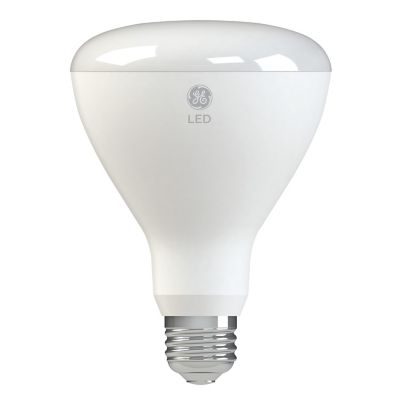
Before choosing living room LED bulbs, take a look at the fixture and the way the light will be used. Standard A19 bulbs fit many table lamps and floor lamps, making them a practical choice for general room lighting. Recessed ceiling cans often use BR30 reflector floodlight bulbs, which spread light across a wider area instead of sending it in a narrow beam. Check the bulb base, fixture label, maximum wattage rating, and available space around the bulb so the replacement fits properly and operates safely. Dimmable LED bulbs are handy when one room needs to do several jobs. You can turn the lights up for reading, sorting mail, helping with homework, or finding a lost toy under the sofa, then lower them for a quieter evening. A dimmable bulb needs to be paired with a dimmer switch rated for LED use; an older incandescent-only dimmer may cause flickering, buzzing, or an uneven change in brightness. It also helps to consider how many bulbs a fixture uses and whether the light will be covered by a shade or globe, since those details can affect the final brightness and appearance. In rooms with lamps spread around the seating area, matching color temperatures keeps the light from looking patchy, while a slightly brighter overhead bulb can balance darker corners and open pathways.
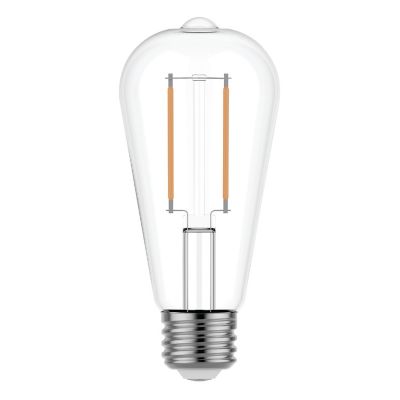
Living room LED bulbs can be a useful housewarming gift, a thoughtful addition to a student’s first apartment, or a practical pick for anyone updating a guest room, cabin, or family gathering space. They’re especially helpful for older homes where a few tired bulbs make the room feel dim, or for busy households that want dependable lighting without changing bulbs as often. LED bulbs are available in many shapes, brightness levels, and color temperatures, so a small set can cover several needs: a warm, lower-lumen bulb for a reading nook, a brighter option for a central lamp, and a compatible reflector bulb for recessed lighting. During the cooler months, when living rooms often become the busiest rooms in the house, good lighting can make everyday tasks more comfortable and help guests feel at home. Look for the estimated yearly energy use and expected lifespan on the package, and remember that brightness is measured in lumens rather than watts; watts describe energy use, while lumens describe the amount of light. If you’re also updating lighting in a dining area or gathering space, you can browse
LED Bulbs for Chandeliers for bulbs suited to decorative fixtures. With the right shape, warm color, useful brightness, and compatible controls, LED bulbs can give your living room a steady, comfortable glow for morning chores, afternoon visits, and long evenings at home.