Lice repellents are hair and scalp products intended to help deter head lice rather than treat an active infestation. They often come as sprays, shampoos or conditioners, and some formulas feature plant-derived ingredients such as rosemary, peppermint or citronella oils. Evidence that these ingredients prevent head lice is limited, so a repellent is not a guarantee against lice or a replacement for an appropriate lice treatment. The label matters more than a familiar scent: it spells out the intended purpose, application method and age restrictions. For families juggling school drop-off, ball practice and chores back home, the appeal is a product that fits into an ordinary hair-care routine without adding much fuss. A leave-in spray and a rinse-out shampoo serve different roles, even when both carry lice-related claims. Leave-in formulas stay on the hair as directed, while shampoos rinse away according to their instructions; neither format alone proves how well a product will work. Head lice crawl from one person to another, usually through direct hair-to-hair contact. They do not fly or jump, and having them is not a sign of a dirty home or poor hygiene. That makes the intended setting important when comparing lice repellents. A child who spends time with friends at sleepovers has different hair-care needs from an adult with a sensitive scalp or a teenager with long, tightly coiled hair. Product texture, fragrance and application style can matter to the daily routine alongside the ingredient list. A light mist may feel different from a creamy conditioner, and a strong herbal smell may not suit every household. A practical choice has labeling that matches the person and purpose in mind, with directions that fit the household’s routine and no expectation that scent alone can keep lice away.
Hair length, thickness and styling habits affect how comfortably a lice repellent fits into everyday care. Fine hair may feel weighed down by an oily leave-in formula, while thick curls can make even distribution more involved. Braids, ponytails and other styles also affect access to the hair and scalp, so application directions deserve a close look before choosing a format. A spray intended for dry hair is not interchangeable with a conditioner meant for rinsing in the shower. Likewise, a formula labeled for the hair should not automatically go on hats, bedding, skin or other surfaces. Packaging can make a difference in a busy household: clear directions, a secure closure and a dispenser that is manageable with wet hands all support straightforward handling. The stated application amount and frequency matter, too; adding extra does not establish better protection and can increase irritation. Plant-derived ingredients still need careful consideration, especially for children, people with fragrance sensitivities and anyone with an irritated scalp. Essential oils can cause skin reactions, and an herbal scent does not establish that a formula is suitable for every age. Products should stay away from eyes and mouths, with any additional precautions following the label. For a young child, someone who is pregnant or breastfeeding, or a person with a skin condition, a pharmacist or healthcare professional can help assess suitability. Hair color, chemical treatments and extensions may bring additional care requirements, making compatibility information worth checking rather than assuming every hair product works the same way. Between applications, tightly closed packaging and storage according to the label help keep the formula in its intended condition. Bottles belong out of children’s reach, not loose beside a bathtub or within reach of little hands at the bathroom sink. These practical details help distinguish a manageable hair-care purchase from something that adds extra work to an already full day.
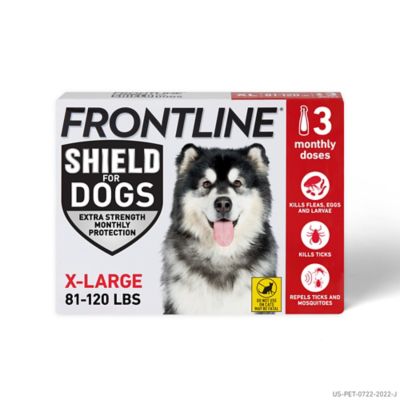
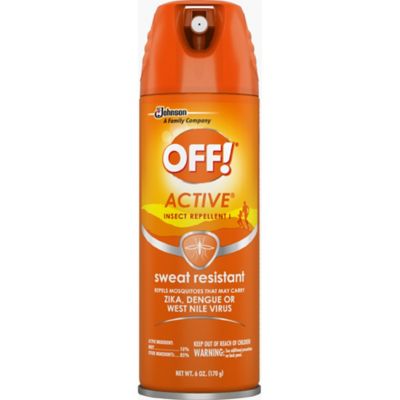
A lice repellent belongs in the prevention side of the conversation, with clear limits on what that means. A bottle marked for repelling lice should not be expected to kill live lice, remove eggs or clear an established infestation unless its labeling specifically supports those purposes. When a school notice comes home or someone in the household has close contact with a person who has lice, regular hair checks are more useful than judging protection by fragrance or the feel of a freshly washed head. A fine-tooth lice comb serves a different purpose from a repellent by helping inspect hair and remove lice or eggs during appropriate care. Finding a live crawling louse is the clearest sign of an active head lice infestation; itching alone can have other causes, and eggs attached to hair do not always mean an infestation is active. A pharmacist or healthcare professional can help with identification and treatment choices when there is uncertainty. Everyday habits still matter alongside any repellent, including limiting direct hair-to-hair contact and avoiding shared combs, brushes and headwear. Head-to-head contact is the main route of spread, so treating an entire property as the problem misses the point. Human head lice do not infest dogs, cats or livestock, and animal or premises treatments do not belong on a person’s scalp. Households managing separate pest concerns around feed storage or outbuildings can explore
Rodent Repellents, which address a different need from personal hair care. For lice repellents, the useful comparison stays centered on labeled purpose, age suitability, ingredient sensitivities and the amount of upkeep a routine requires. Whether the purchase is for a school-age child, a caregiver or another adult, clear expectations make the difference: a repellent may be an optional part of hair care, but it does not replace checking for lice or responding appropriately when they are present.