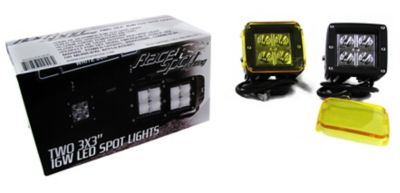
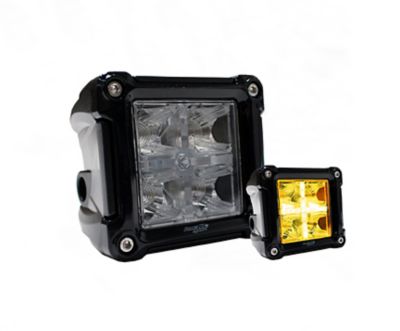
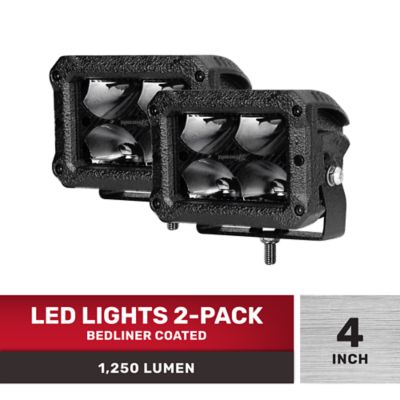
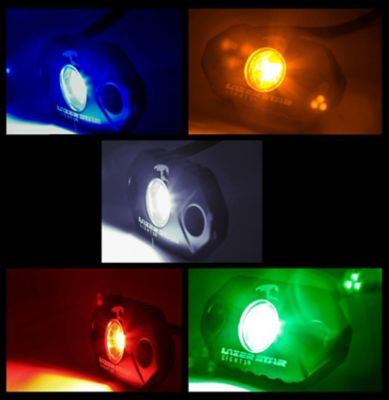
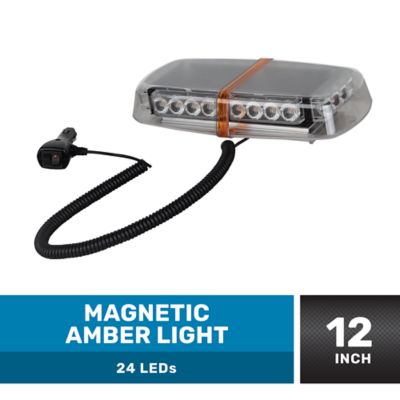
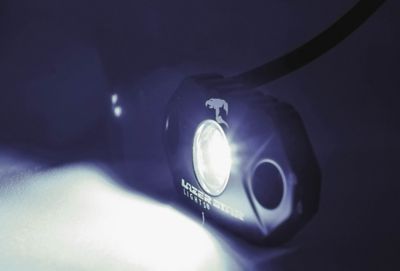
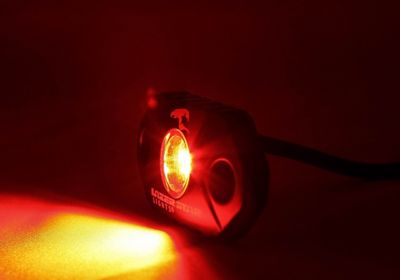
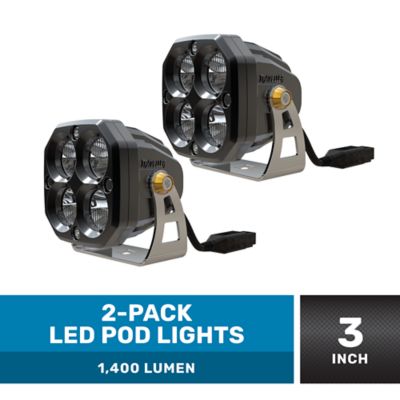
LED cube lights pack a lot of useful light into a small, square housing, making them a handy choice for trucks, Jeeps, UTVs, ATVs, trailers, tractors, and shop equipment. Their compact shape gives you more mounting options than a long light bar, especially when space is tight around a grille, roll cage, bumper, headache rack, or utility bed. Some folks use a set to brighten a dark trail after sunset, while others mount them to a tractor or skid steer for feeding, fence repairs, loading, and other chores that do not always fit neatly into daylight hours. They can also serve as work lights around a barn, campsite, hunting blind, or driveway. LED technology delivers strong illumination with less power draw than older halogen styles, and many cube lights use an aluminum housing to help manage heat and stand up to dust, vibration, rain, and mud. When you are comparing options, start with the job and mounting location rather than choosing by brightness alone. A light with a spot beam sends illumination farther down a lane or trail, which is useful for seeing beyond the reach of your headlights. A flood beam spreads light across a wider area, helping you watch for fence posts, washouts, livestock, tools, or brush along the sides of a path. Combination beams bring both patterns together and can be a practical middle ground for general farm and off-road use. For more narrowly focused illumination, browse
LED Spot Lights as another option.
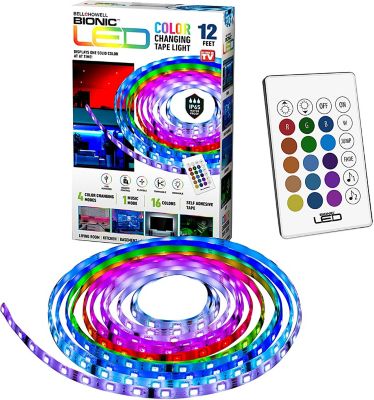
Before adding LED cube lights to a vehicle or piece of equipment, take a close look at the specifications and the way the lights will be used. Lumens provide a useful indication of total light output, but beam pattern, lens design, mounting height, and aiming angle all affect what you actually see. A high-output light aimed too far upward can put glare in the cab or shine into the eyes of someone walking nearby, while a moderate-output flood light placed in the right spot may do a better job lighting a work area. White light is a common choice for general visibility, with cooler color temperatures giving a crisp, bright appearance. Amber light can be easier on the eyes in dust, fog, blowing snow, or airborne moisture, and some drivers prefer it when they want to reduce harsh glare on a trail. Color-changing or decorative cube lights are better suited to camps, garages, cabins, photo setups, and personal spaces than to serious nighttime driving. Check the housing’s water- and dust-resistance rating before putting a light outdoors. Ratings such as IP67, IP68, and IP69K indicate different levels of protection, so match the rating to the conditions rather than assuming every sealed-looking light is ready for deep water or pressure washing. A sturdy bracket, stainless or corrosion-resistant hardware, and a lens that can handle vibration are worthwhile details on equipment that travels rough ground. Also confirm the voltage, amperage draw, wire length, switch style, and whether a relay or fuse is included. A clean installation with properly sized wire and a fuse close to the power source helps prevent nuisance failures and keeps the setup safer. On public roads, lighting rules can vary by state and local authority, so auxiliary lights may need to be covered, dimmed, or used only off-road. Check the requirements for your area and aim the lights responsibly around neighbors, livestock, and other drivers.
LED cube lights make practical gifts for the person who is always improving a truck, spends weekends on the trails, or keeps a long list of projects around the place. They are also a useful choice for a new UTV owner, a rural property owner, a camper, or anyone who works early mornings and late evenings. A compact pair can find a home in a toolbox until it is needed for a roadside repair, while a mounted set can make a familiar piece of equipment feel much more capable after dark. Picture checking a gate during a cool evening, backing a trailer into a dim shed, or walking from the barn with a clear view of the ground instead of relying on a phone flashlight. For people who make videos, take product photos, stream from a workshop, or document life outdoors, small portable cube-style lights can provide adjustable fill light without taking up much room in a gear bag. Decorative versions can add a soft glow to a game room, porch, office, or campsite, with color-changing settings that suit gatherings and quiet evenings alike. When selecting a gift or outfitting your own setup, consider whether portability, weather resistance, maximum brightness, beam spread, or easy installation matters most. Measure the available mounting area, check the light’s dimensions, and leave enough room for the bracket, wiring, and adjustment. It is smart to think about the whole system, including a switch location that can be reached safely, a power source that can handle the load, and protective loom where wires pass near metal edges or moving parts. With the right combination of beam pattern, durability, mounting hardware, and power planning, LED cube lights can provide dependable visibility for work, recreation, travel, and everyday chores through changing conditions and the cooler months.