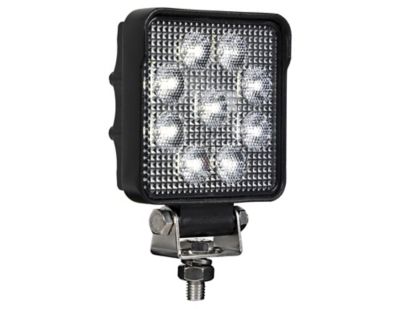
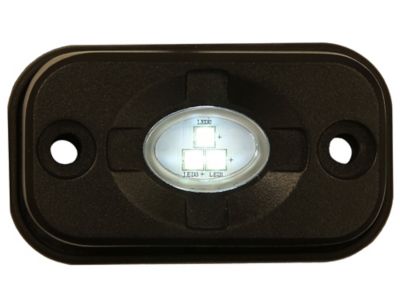
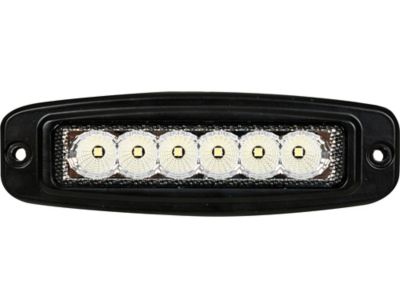
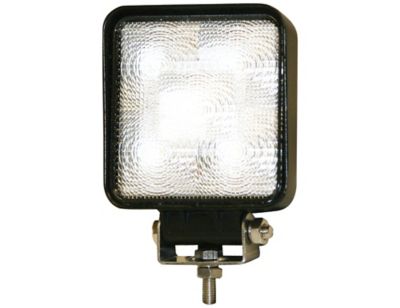
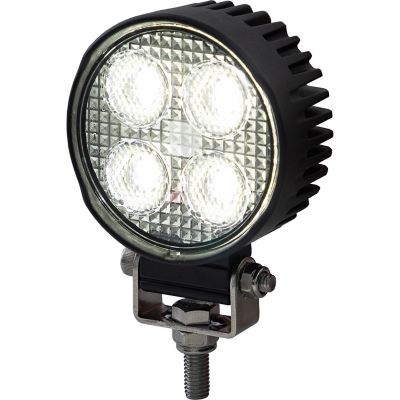
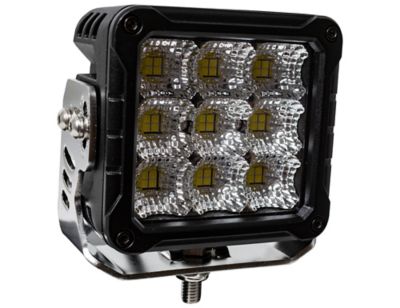
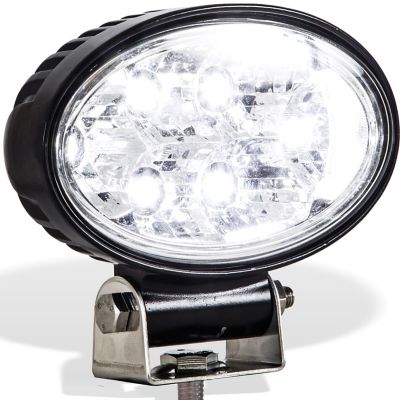
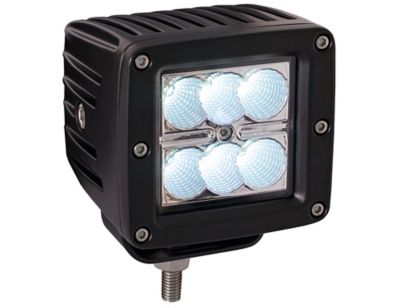
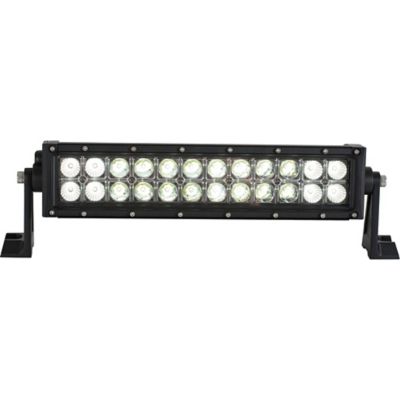
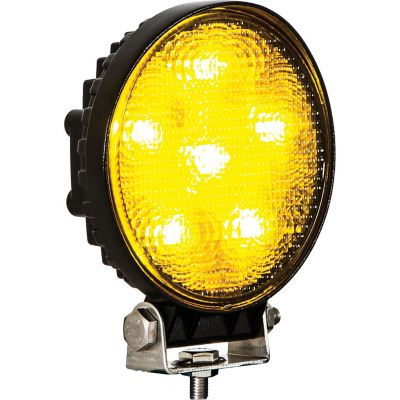
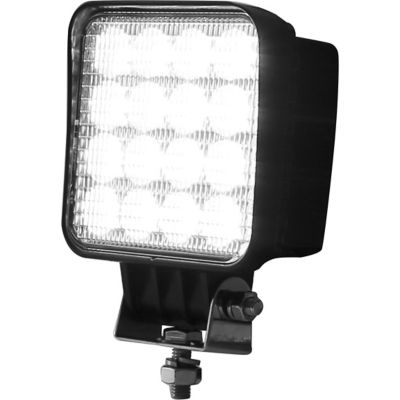
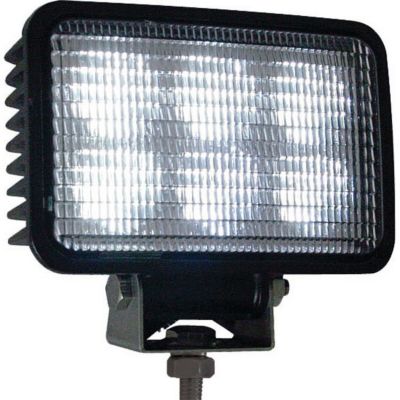
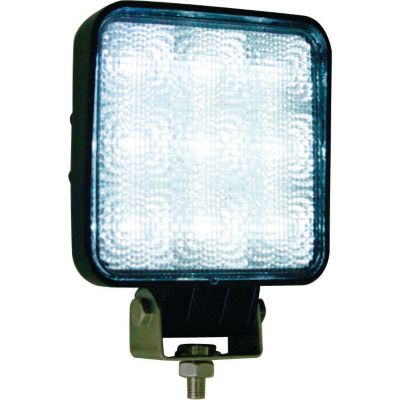
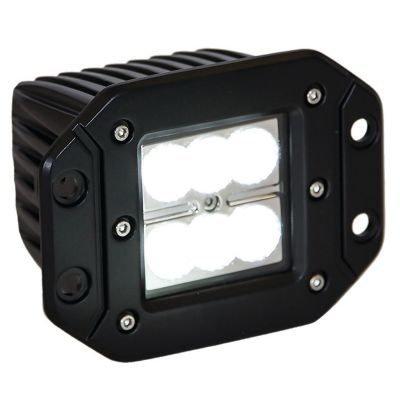
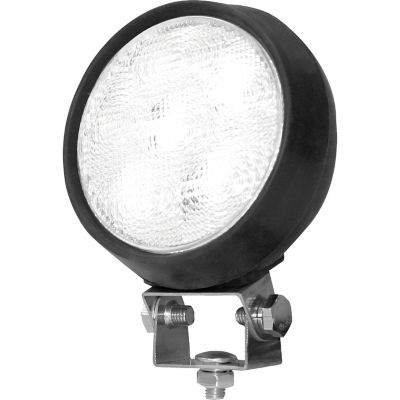
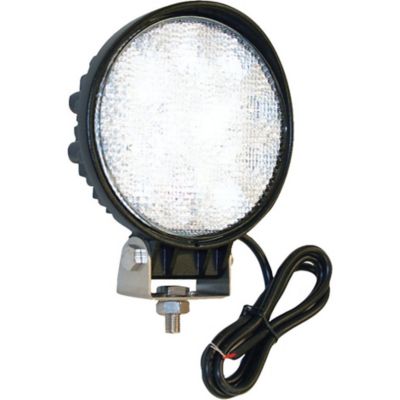
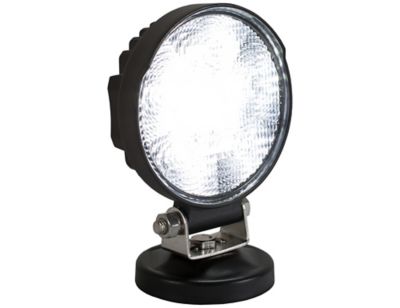
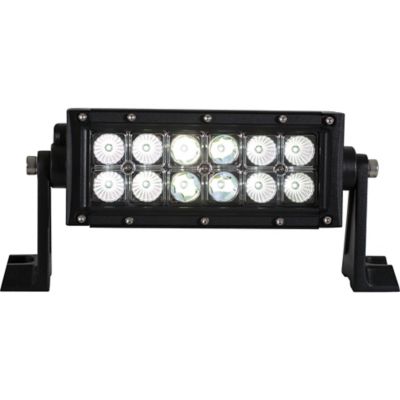
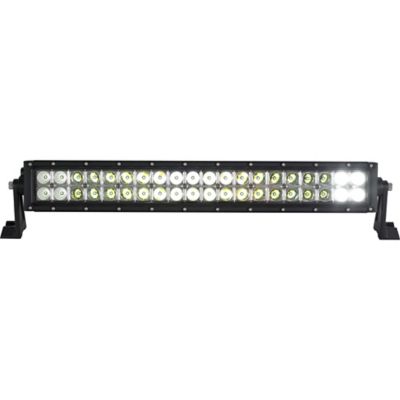
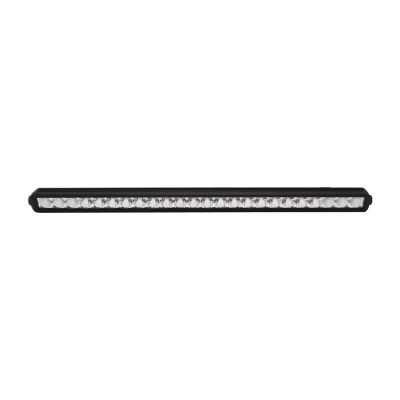
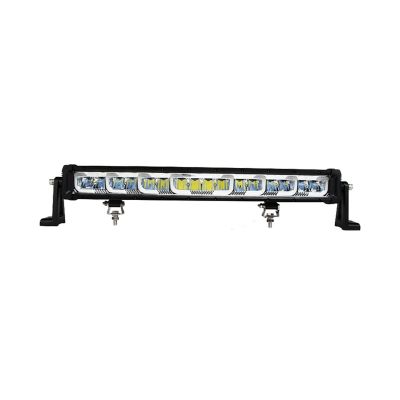
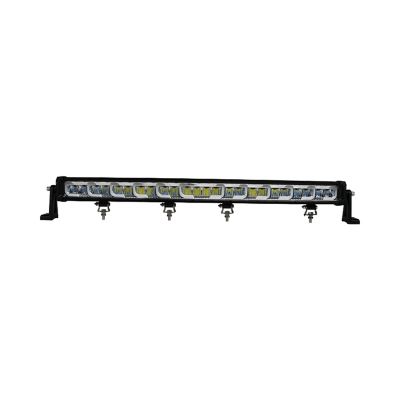
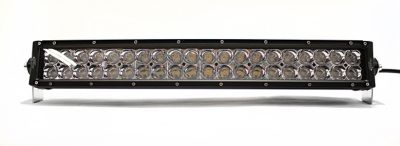
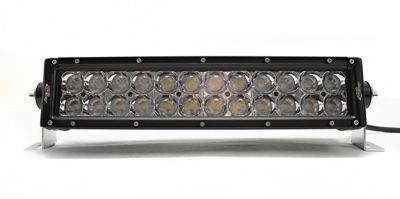
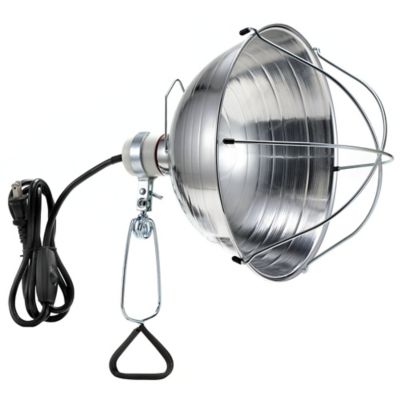
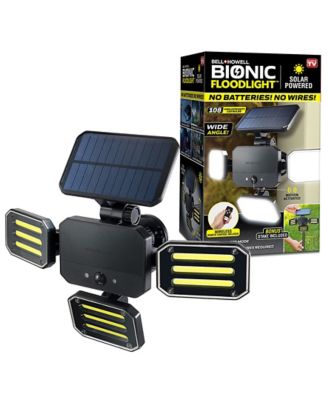
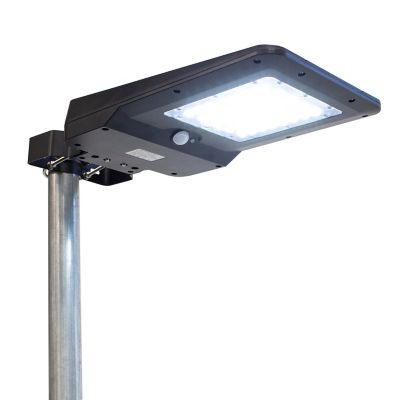
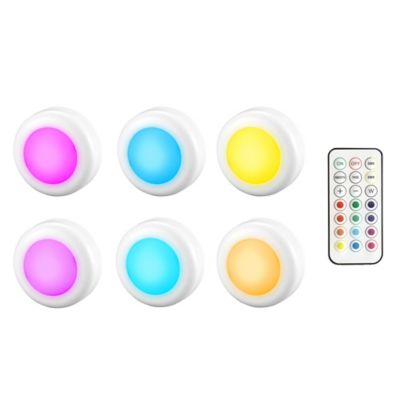
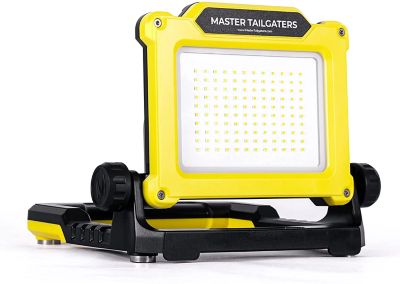
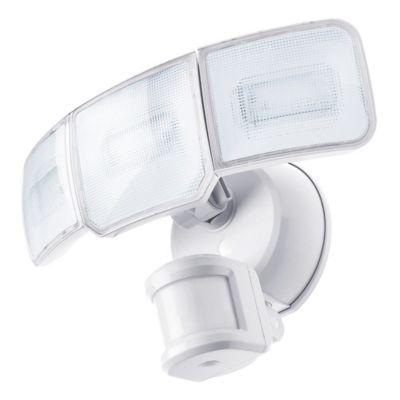
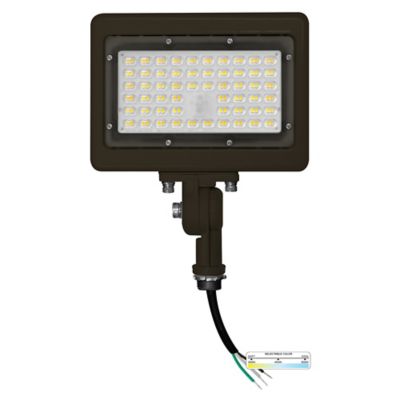
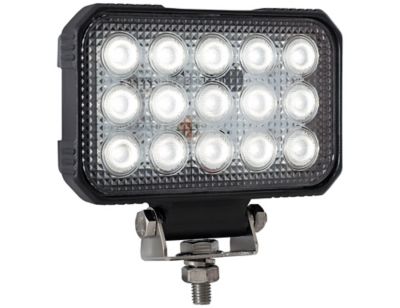
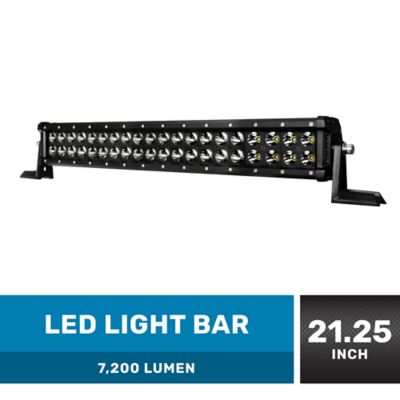
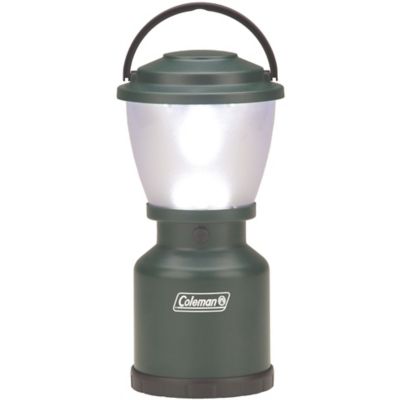
LED flood lights bring broad, bright coverage to places where a small porch light or narrow beam just will not do the job. They are a practical choice for lighting a driveway, barn entrance, livestock area, equipment shed, shop, loading area, walkway or backyard, and they can help make a dark stretch of property easier to see during the cooler months. Because LED technology produces strong light with less energy than traditional halogen or metal halide lighting, LED flood lights can help lower power use while providing dependable illumination night after night. Many LED fixtures use roughly 70% to 80% less energy than comparable halogen lights, and quality LEDs can be rated for 50,000 hours or more, which means fewer bulb changes and less time spent climbing a ladder to replace a burned-out lamp. They also turn on right away without the warm-up period associated with some older high-intensity lights. That quick start is handy when you are coming up the lane after dark, checking a gate, walking the dog or heading out to the barn before daylight. LED flood lights are useful on country properties, small farms, businesses and homes alike, especially where a wide pool of light is more useful than a tight spotlight. They can brighten a work area for evening chores, add visibility around parked trailers and machinery, or help highlight a driveway and other approaches to the house. A flood light is not a substitute for good locks, fencing or safe habits, but steady outdoor lighting can make it easier to spot activity, read a license plate or find your footing when the ground is uneven.
When comparing LED flood lights, start with the amount of light and the area you need to cover. Lumens describe the brightness, while watts describe energy consumption, so a higher wattage does not always mean a brighter fixture with LED technology. A smaller light may suit a porch, side door or short walkway, while a higher-output model may be better for a broad yard, tall building or large work area. Beam angle matters, too. A wide beam spreads light across a bigger space, while a narrower beam can send more concentrated light toward a gate, sign or driveway entrance. Color temperature affects the feel of the light: warmer tones can look comfortable around a home, while cooler white light often gives work areas, storage yards and security zones a crisp, clear appearance. Think about glare before mounting a fixture, especially near a neighbor’s property, a road or a bedroom window. Adjustable heads make it easier to aim light where it belongs instead of shining it into someone’s eyes. Motion sensors can keep a light off until movement is detected, and dusk-to-dawn controls can switch the fixture on as evening settles in and off after sunrise. Those features are convenient around a detached garage or barn, though a light that stays on all night may be preferable near an entryway or a place where animals are checked regularly. For covered outdoor locations, confirm the fixture is rated for the conditions it will face. Look for weather-resistant construction and an appropriate outdoor rating when the light will be exposed to rain, dust, wind or blowing snow. A sealed housing, durable lens and corrosion-resistant finish can be valuable on a farm or rural property where mud, moisture and temperature swings are part of everyday life. Also consider how the light will be powered. Hardwired fixtures are a solid choice for permanent locations, while plug-in or solar options may help when running new wiring is difficult. Follow local electrical requirements and the manufacturer’s instructions, and use a qualified electrician for hardwired installation when needed.
LED flood lights can be a thoughtful, useful gift for someone who has bought a home, set up a workshop, moved onto acreage or spends evenings caring for animals and equipment. They are the kind of practical present that may not sit in a gift box for long; once installed, a well-placed light gets used every day. A family member may appreciate one near the garage, while a neighbor with a new pole barn may put one to work over the side entrance or loading area. Before choosing a light, picture the location after sunset and note what needs to be visible: a gate latch, a set of steps, a line of fence, a feed room door or the full width of a driveway. Measure the mounting height and the distance to the area you want lit, and check whether an existing junction box or outlet is available. For work spaces, favor bright, even coverage and a color temperature that makes tools, labels and surfaces easy to see. For paths and entrances, a moderate output with motion detection may provide plenty of light without washing out the whole yard. Around animals, aim fixtures carefully and avoid creating harsh glare that could startle livestock or interfere with a comfortable nighttime routine. Flood lights can also work alongside other outdoor lighting; a focused fixture at the door, pathway lighting along a walk and broad coverage near the drive can create a more useful setup than one overly bright light mounted in a single spot. For enclosed work areas, browse
LED Garage Lights for lighting designed with overhead spaces in mind. Whether you are improving visibility around a rural home, adding security-minded lighting to a small business or making evening chores a little easier, the right LED flood light combines bright coverage, efficient operation, durable construction and controls that fit the way you use your property.