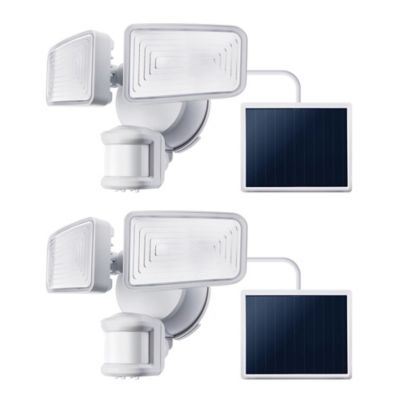
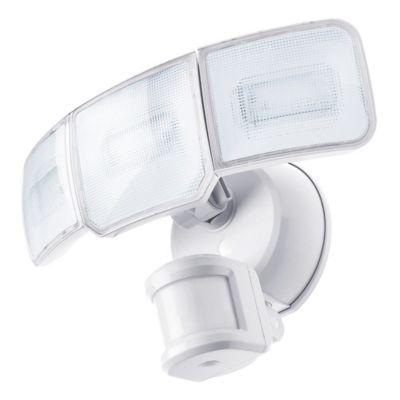
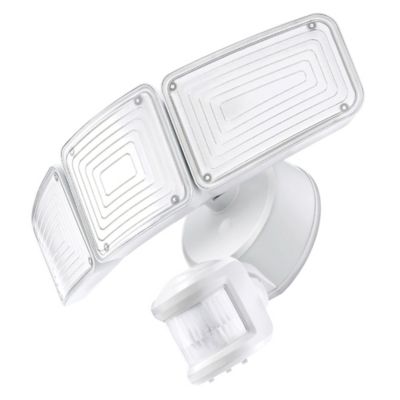
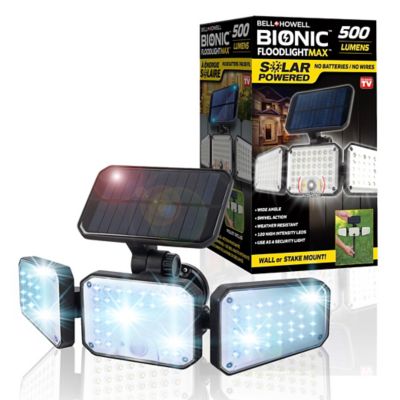
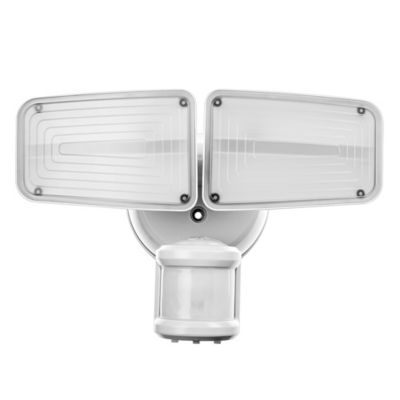
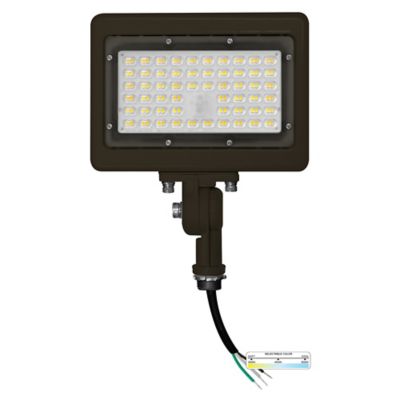
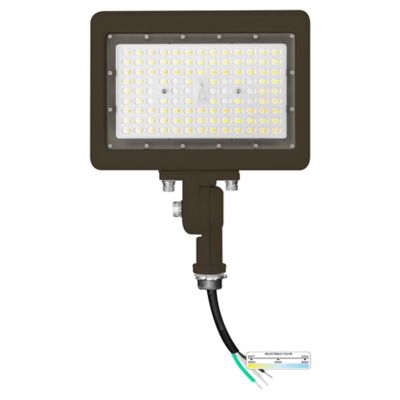
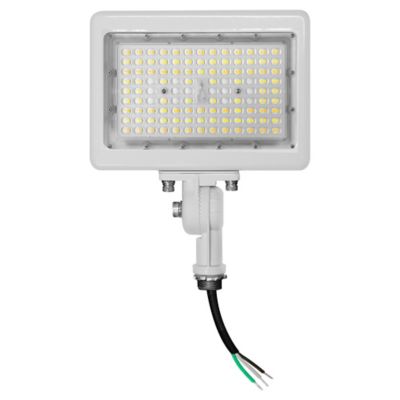
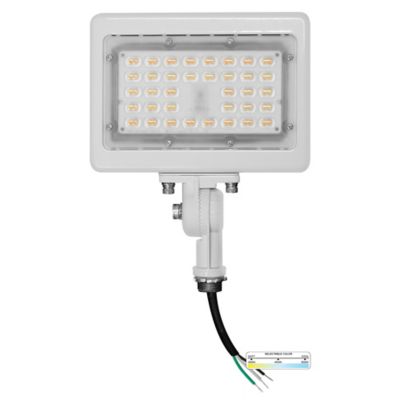
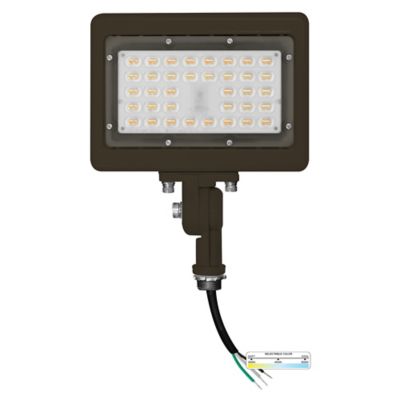
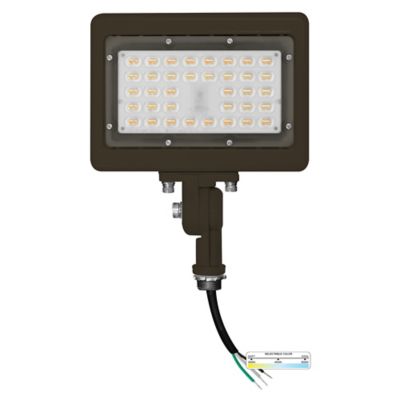
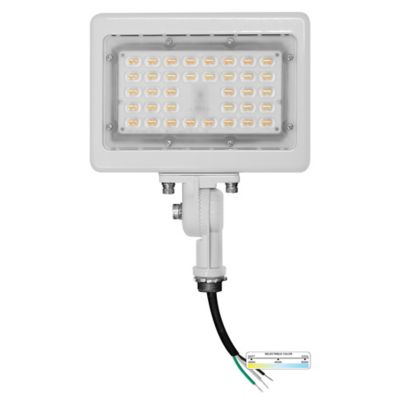
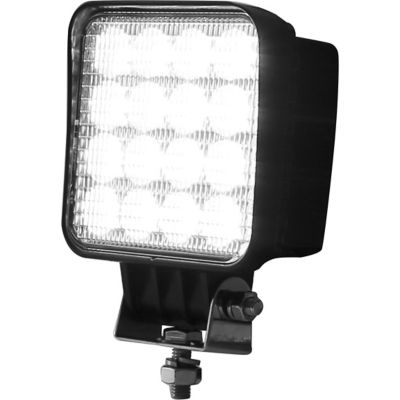
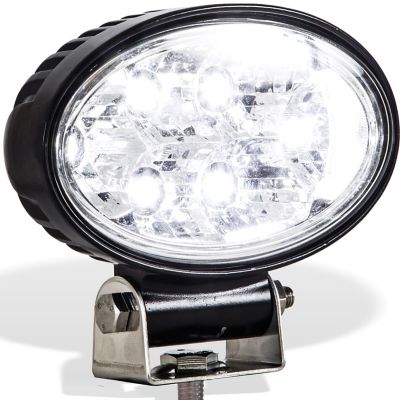
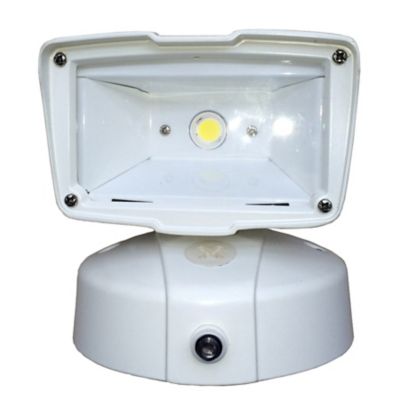
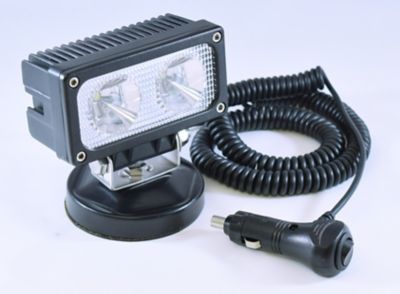
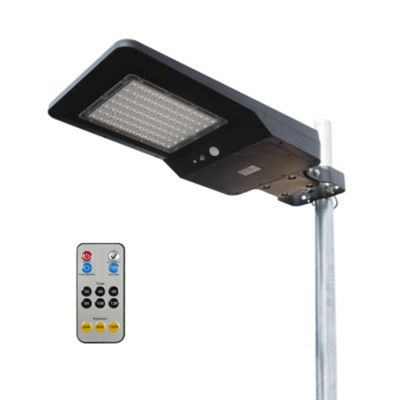
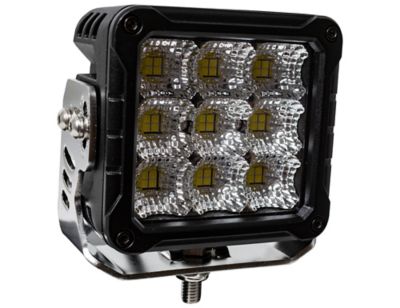
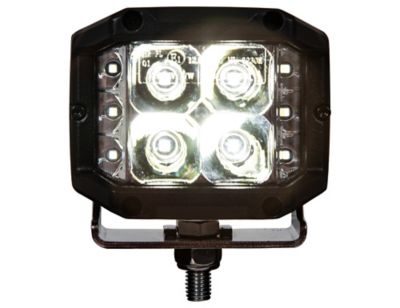
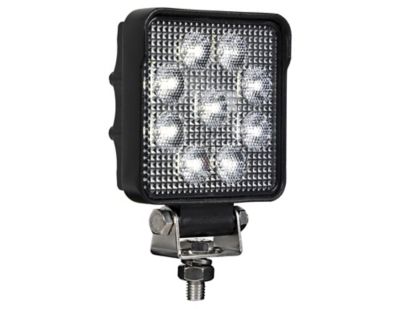
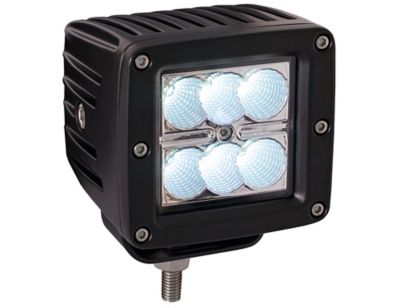
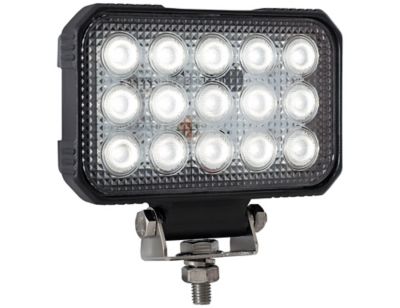
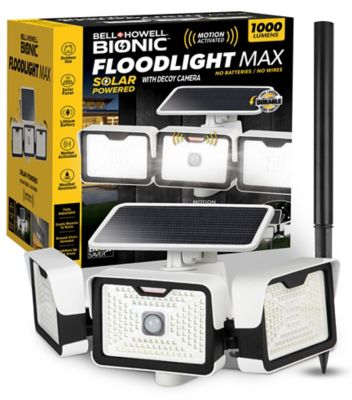
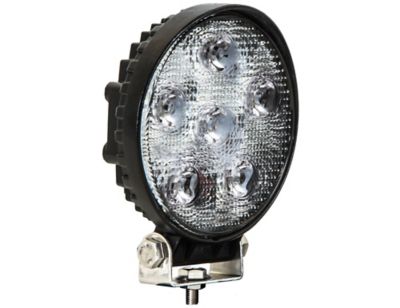
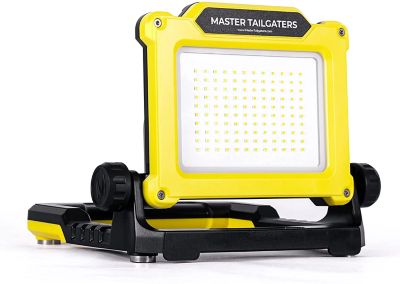
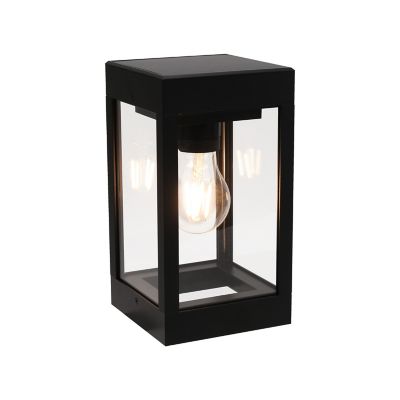
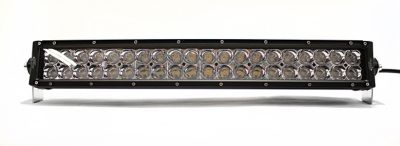
Outdoor commercial LED flood lights are built to put dependable, wide-beam light across large outdoor areas where a porch light or standard fixture cannot keep up. They are commonly used around farm shops, equipment yards, parking lots, loading bays, barns, arenas, sports courts, storage areas, building perimeters and business entrances. A well-placed flood light can brighten the ground around a gate, help workers see uneven surfaces and equipment after dark, and add a useful layer of security around buildings and work areas. LED fixtures are available in a broad range of sizes, from compact units around 25 watts to powerful commercial models rated at 600 watts or more. Depending on the fixture, output may range from roughly 3,000 lumens to more than 84,000 lumens. For many standard parking areas and medium-size work spaces, a total output in the 10,000- to 30,000-lumen range can provide strong coverage. Larger yards, athletic areas and wide-open commercial properties may call for 40,000 lumens or more, especially when mounting heights are greater or the light needs to reach across a long distance. Lumens describe the amount of light produced, while beam angle and mounting height determine how that light spreads across the ground. A high-lumen fixture with a narrow beam may throw light a long way, while a wide-beam fixture can cover more ground close to the mounting point. Looking at both details helps prevent dark patches, harsh glare and unnecessary overlap between fixtures. LED technology can also use substantially less energy than older metal halide or HID lighting systems, with potential savings of up to 85% depending on the replacement setup, operating schedule and fixture selected. That lower energy use can be especially helpful for lights that run from dusk until daylight around a feed store, repair shop, livestock facility or rural property.
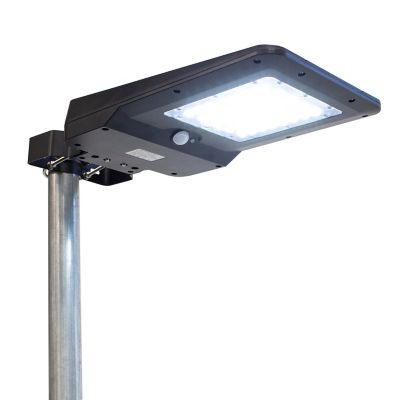
Mounting style should match the surface, pole and direction of the light. Slipfitter mounts are commonly used with round poles and allow a fixture to sit securely at the top of a parking-lot or yard pole. Trunnion and yoke mounts are useful for walls, flat surfaces and heavy-duty installations where the light needs to be aimed across a driveway, loading zone or open work area. Knuckle-style mounts can provide more directional adjustment for signs, entrances, walkways and smaller ground-level targets. Before choosing a fixture, take note of the mounting height, available space, pole diameter, wall construction and the area that needs coverage. A light installed high on a shop or warehouse may need a broader beam and higher lumen output than one mounted above a side door. For open yards, it is often helpful to direct the fixture downward and slightly outward so light reaches the work surface without shining directly into nearby windows, roadways or a neighbor’s property. Commercial outdoor fixtures should be rated for exposure to rain, dust and changing temperatures. An IP66 rating or higher is a useful benchmark for demanding outdoor locations because it indicates strong protection against dust and powerful water spray. Durable construction such as a die-cast aluminum housing and powder-coated finish can help a fixture stand up to wet weather, windblown grit and corrosion during the cooler months. Color temperature is another practical consideration. A 4000K fixture produces a neutral white appearance that is comfortable for general work areas, while 5000K to 5700K produces a brighter, daylight-like look that can make signs, equipment and walking surfaces easier to distinguish. The best choice depends on the setting and the amount of visual detail needed, since an overly cool light can feel harsh in a quiet residential or farm setting.
Controls can make commercial flood lighting more convenient and help keep operating costs in check. A dusk-to-dawn photocell turns the fixture on as natural light fades and switches it off when daylight returns, making it a practical choice for building perimeters, parking areas and entrances that need regular overnight illumination. Motion sensors can keep a fixture at a lower activity level until movement is detected, which works well near storage buildings, gates, service doors and less frequently used portions of a property. For larger installations, 0-10V dimming drivers may allow the lighting level to be adjusted for different work schedules or security needs. Always check the fixture’s voltage requirements and confirm that the power source, wiring and controls are compatible before installation. Fixed wiring and elevated mounting should be handled by a qualified electrician, particularly when the installation involves a commercial service panel, tall pole, trenching or a wet location. It is also worth considering access for future maintenance: a light that reaches a high roofline may provide excellent coverage but require lift equipment when servicing is needed. For additional options that can work in smaller outdoor areas or alongside commercial flood lights, browse
Outdoor LED Fixtures. Whether lighting a long gravel drive, a busy farm entrance or the space beside a well-used workshop, the right fixture balances brightness, coverage, weather resistance and control features so outdoor work feels safer and more manageable from the first dark evening through the changing seasons.