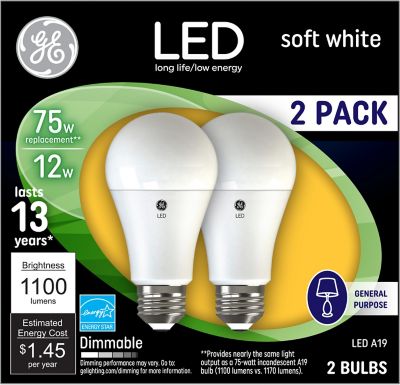
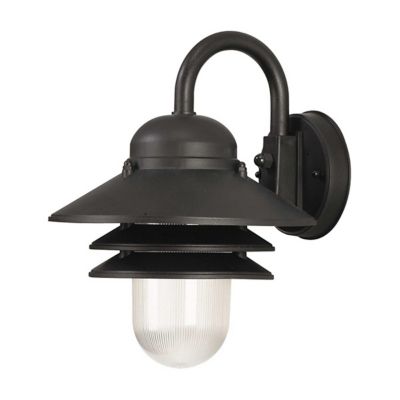
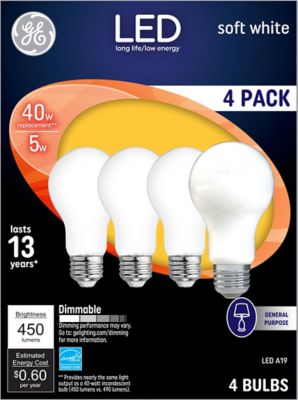
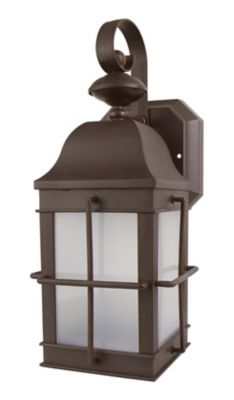
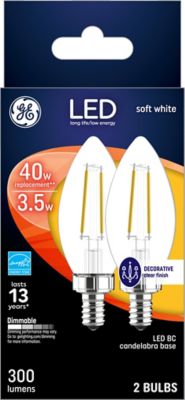
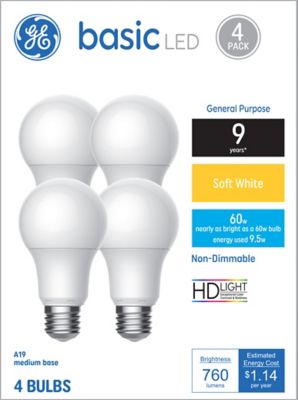
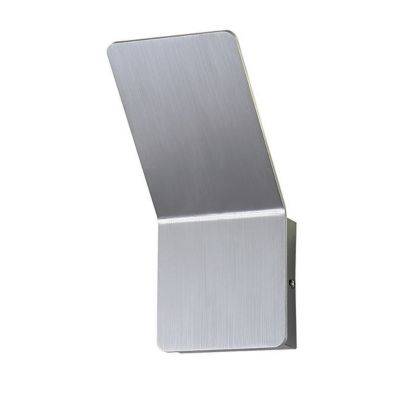
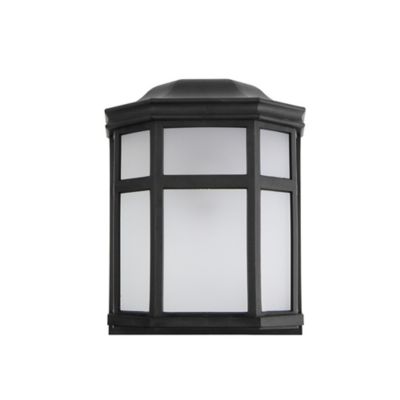
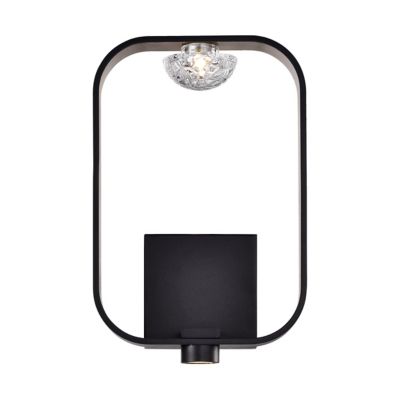
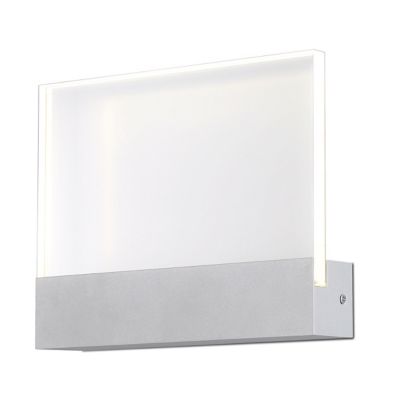
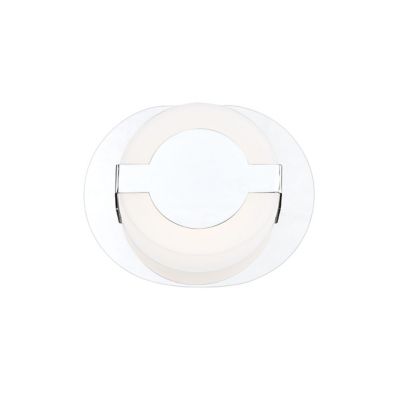
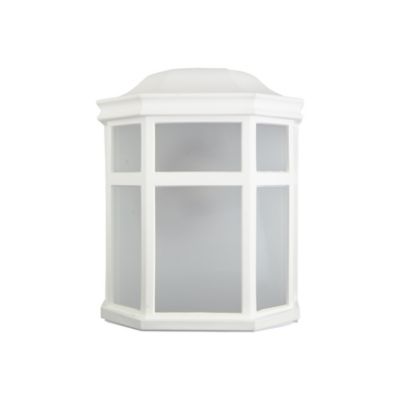
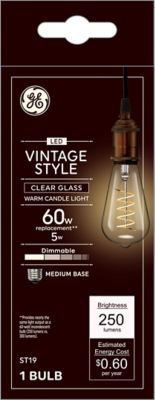
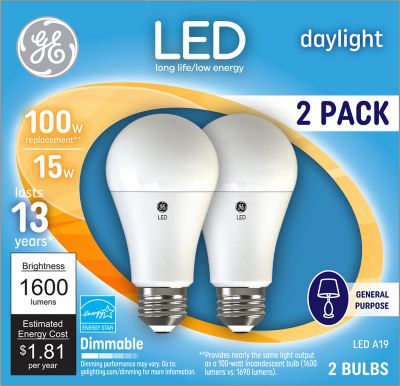
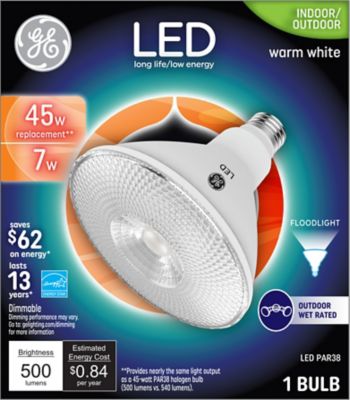
LED bulbs for sconces can give a hallway, bedroom, porch, mudroom, or living room a clean, welcoming glow without the heat and frequent bulb changes that come with traditional incandescent lighting. Since wall sconces come in so many shapes and sizes, the best bulb depends on more than appearance alone. Start by checking the fixture socket and the information printed on the old bulb or fixture label. An E26, also called a standard medium base, is the familiar screw-in base found in many household light fixtures and larger decorative sconces. An E12 candelabra base is smaller and commonly used in candle-style, traditional, or narrow wall sconces. Some modern fixtures use a G9 or other bi-pin base, which has two small pins that push into the socket rather than screw in. Matching the base is the first step toward a proper fit, and it helps to compare the bulb’s overall shape and length with the available room inside the shade. A bulb that fits the socket but presses against the glass or sits too close to the fixture may not be a safe choice. Look for the fixture’s maximum wattage rating, and remember that LED bulbs use fewer watts while still producing plenty of light. Brightness is better compared by lumens: around 400 to 800 lumens works well for many accent sconces, while a pair of brighter sconces may provide useful task lighting beside a mirror, reading chair, workbench, or entryway. The right amount depends on whether the sconce is meant to softly fill a corner or help you see details while getting ready, sorting mail, or working on a small project.
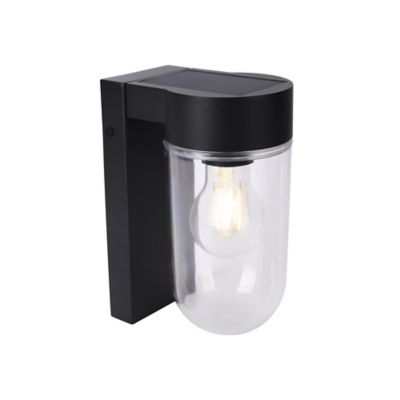
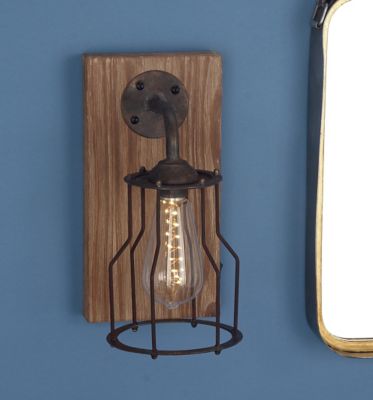
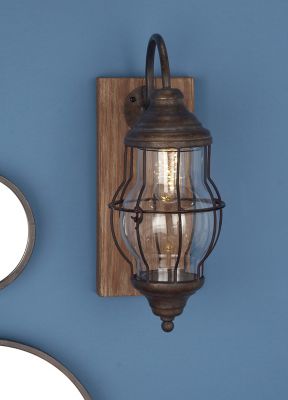
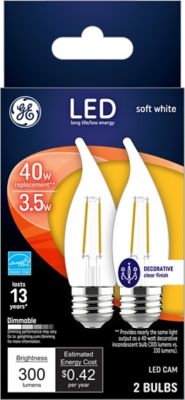
Color temperature has a noticeable effect on the feel of a room. LED bulbs marked around 2700K to 3000K usually create a warm, familiar glow similar to an old-fashioned incandescent bulb. That soft light pairs nicely with wood trim, painted walls, woven shades, farmhouse décor, and the easygoing look of a country home. Cooler color temperatures can appear crisper and may suit a utility room, shop area, bathroom, or modern fixture, but they can feel stark in spaces meant for relaxing. If your sconce has a clear or lightly tinted shade, the bulb itself will be part of the fixture’s look, so consider a decorative shape or filament-style design when appearance matters. For frosted, fabric, or opaque shades, the bulb is mostly hidden, making brightness, color, and fit the bigger priorities. A high color rendering index, often listed as CRI, can help colors look more natural, which is useful near a dressing mirror, artwork, family photos, or a kitchen pass-through. Dimmability is another important detail. If the sconces are connected to a dimmer switch, choose bulbs clearly labeled dimmable and make sure the dimmer is compatible with LED lighting. Otherwise, the bulbs may flicker, buzz, or fail to dim smoothly. It is also worth checking whether the fixture is enclosed, damp-rated, or installed outdoors. Not every LED bulb is made for a fully enclosed shade or a porch exposed to moisture, so match the bulb’s rating to the location and follow the fixture manufacturer’s instructions. A hallway sconce that stays on for hours each evening can benefit from an energy-saving LED, while a seldom-used guest room may place more emphasis on a warm glow and attractive shape. For lighting in another part of the home, browse
LED Bulbs For Floor Lamps to coordinate the look from wall to floor.
LED bulbs for sconces also make a practical gift for new homeowners, renters settling into a first place, college students furnishing an apartment, or anyone freshening up a porch, barn-style entry, or spare room. They take up little storage space, are easy to keep on hand, and can make a small change feel surprisingly useful. A couple of warm bulbs can help turn a dark hallway into a more comfortable path after sunset, add a friendly glow beside the front door during the cooler months, or make a bedroom feel calmer when overhead lights are too harsh. In a workshop or mudroom, brighter sconces can help with chores, boots, coats, and gear without needing a ceiling fixture on full blast. In living spaces, lower-brightness bulbs can highlight a stone wall, old quilt, family sign, or favorite piece of furniture while leaving the room comfortable for conversation. Before placing an order, count the number of sockets, confirm the base size, measure the space beneath the shade, and decide whether you prefer soft accent light or stronger illumination. Check the package for lumens, Kelvin color temperature, wattage equivalency, dimmable language, and any indoor, outdoor, damp-location, or enclosed-fixture information that applies. Keeping a spare or two in a household lighting drawer can save a late drive when a bulb burns out before company arrives or when a stormy evening calls for dependable light in the entryway. With the right fit and brightness, LED bulbs help sconces do more than fill an empty socket; they add useful light, a little warmth, and a finished touch to the everyday places where people live, work, gather, and come home.