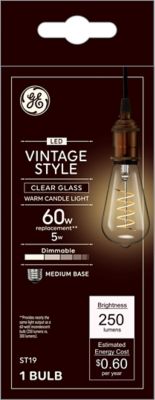
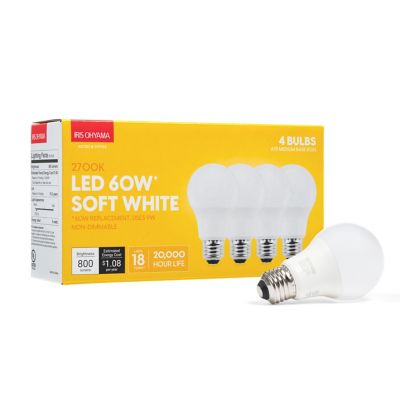
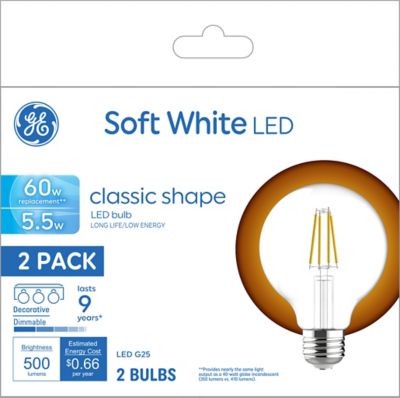
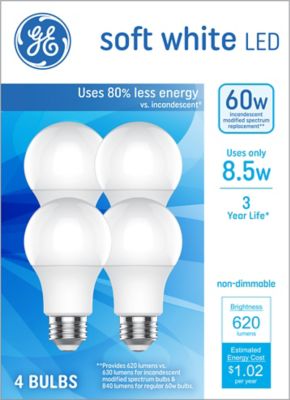
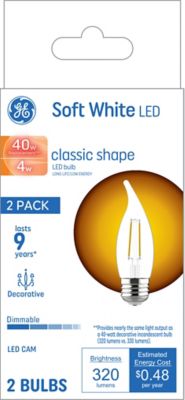
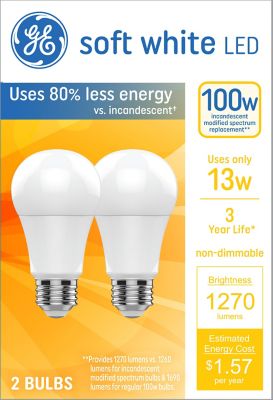
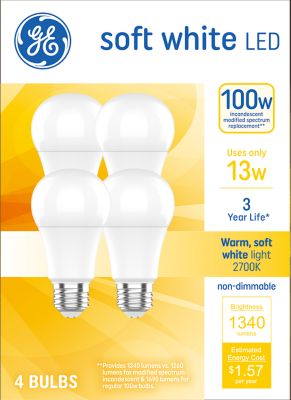
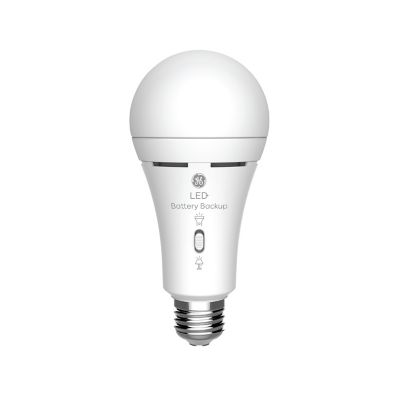
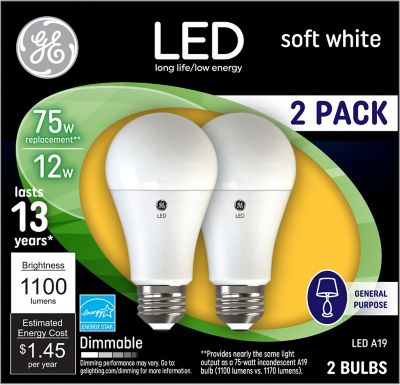
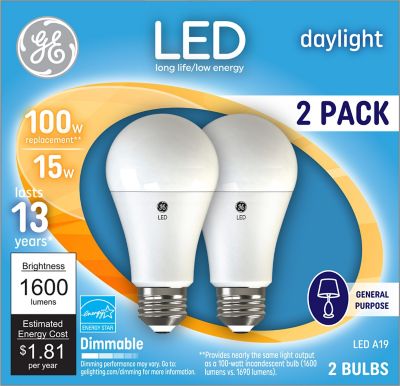
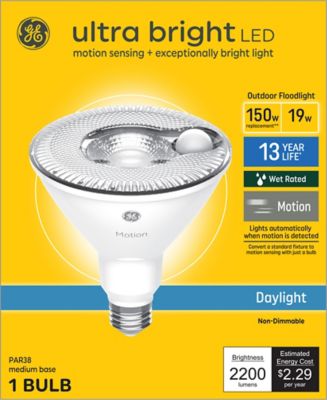
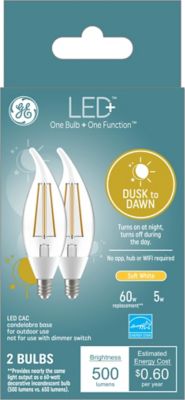
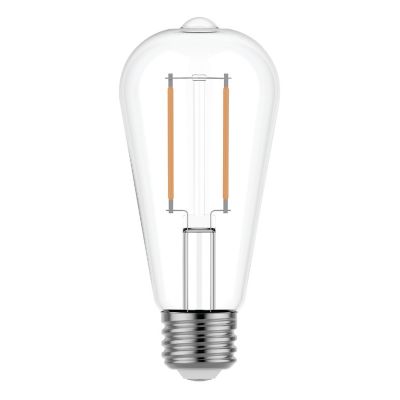
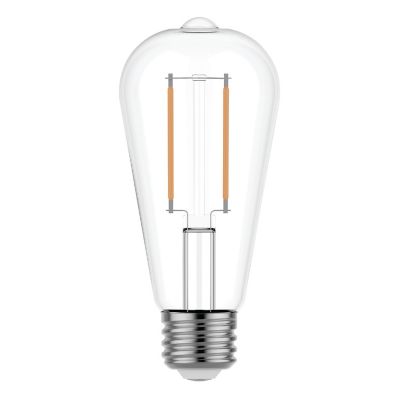
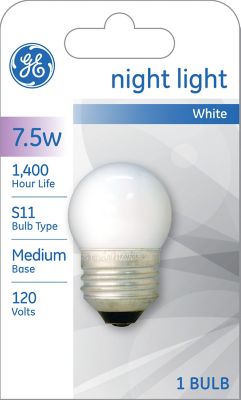
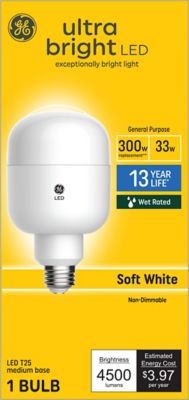
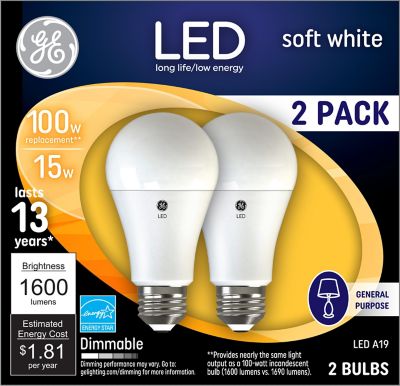
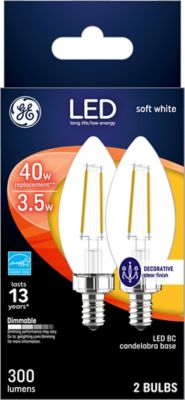
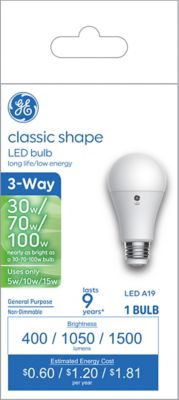
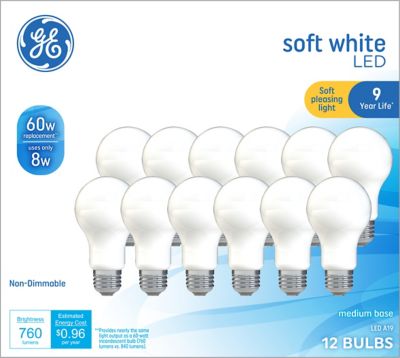
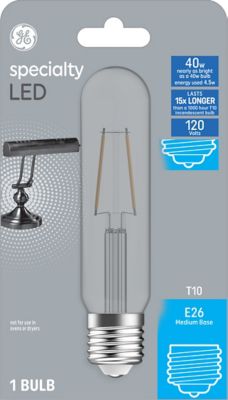
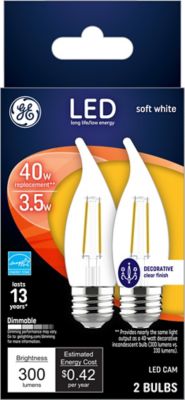
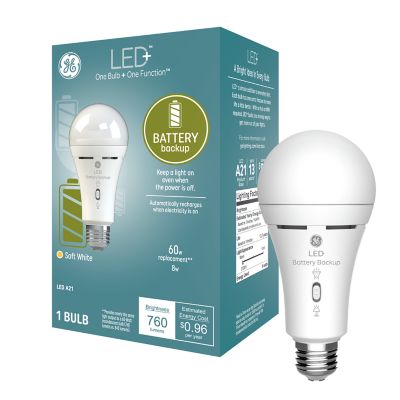
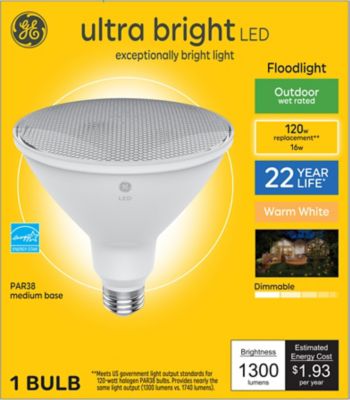
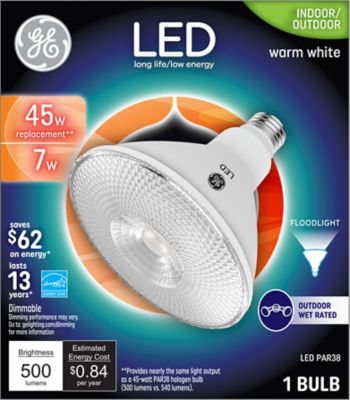
LED bulbs for pendant lights bring everyday spaces into focus, from a farmhouse kitchen island to a dining table or a desk tucked beside the mudroom. A pendant puts its bulb closer to eye level than many ceiling fixtures, so the bulb’s shape, brightness, and light color all play a part in how the room feels. Over a breakfast counter, a soft glow can make early chores and evening meals more comfortable. Above a worktable, brighter light can help with reading labels, sorting hardware, or checking a repair. LED bulbs generally draw less electricity than incandescent bulbs that produce a similar amount of light, making them a practical fit for fixtures that stay on through plenty of daily activity. The look of the bulb matters, too, especially beneath an open shade or inside a clear glass globe. Clear bulbs with visible LED filaments give exposed fixtures a familiar appearance, while frosted bulbs soften the view of the light source and can reduce harsh points of brightness. Rounded, pear-shaped, and slender bulb shapes each sit differently within a pendant, changing both the appearance of the fixture and where the light falls. A broad bulb may suit a roomy shade, while a narrow shade may need a slimmer profile. Light color adds another layer: lower Kelvin ratings tend to produce a warmer, more golden tone, while higher ratings produce a whiter or more daylight-like appearance. Warm light often feels at home over a supper table, while a more neutral white can suit a counter where recipes, paperwork, and small projects share space. When several pendants hang in a row, matching their bulb shape, lumen output, and Kelvin rating helps the whole arrangement look consistent. That consistency is especially noticeable across a long island, where one brighter or whiter bulb can stand out even when all the shades match.
Good fit starts with more than whether a bulb screws into the socket. Pendant fixtures may have a medium screw base, such as E26, or a smaller base, such as E12, and those connections are not interchangeable. The fixture’s markings and instructions establish the required base, permitted bulb types, and maximum wattage. Overall bulb length and width matter just as much in a tight glass globe or a shade with a narrow opening. A bulb needs enough room to sit properly without pressing against the shade, and its position affects whether the light source stays tucked out of sight or hangs below the rim. Glass envelopes offer a crisp, familiar appearance, while some LED bulbs have plastic outer covers that weigh less and are less prone to shattering than glass. Either construction still needs careful handling, particularly around the base and any exposed components. Brightness is best compared through lumens rather than wattage alone. Wattage describes electrical consumption; an incandescent-equivalent statement is a brightness comparison, not the LED bulb’s actual power draw. That distinction matters when matching a bulb to a fixture’s electrical limits. With multiple pendants, the combined light from the group matters more than the output of one bulb by itself. Three bright bulbs over a small eating area can feel very different from one pendant above a broad table. Dimming can make the same setup useful for both meal preparation and a quieter evening, provided the bulbs are labeled dimmable and work with the installed dimmer. Even a dimmable LED may flicker, buzz, or have a limited dimming range with an incompatible control. The right pairing of LED bulbs and
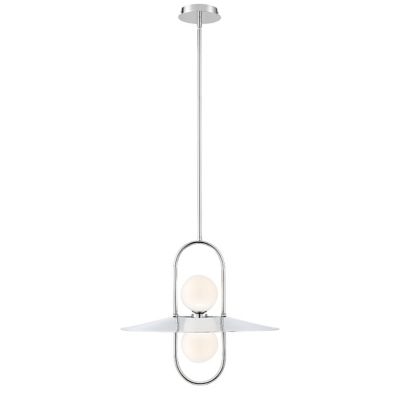
Hanging LED Pendant Lights brings together socket fit, shade dimensions, and the kind of illumination the space needs. Some pendant fixtures contain integrated LEDs instead of replaceable bulbs, so the fixture design also determines whether a separate bulb belongs in the setup at all.
Everyday performance depends on where a pendant hangs and how its shade manages heat and moisture. A fully enclosed globe can hold heat around the bulb, so that fixture calls for an LED specifically rated for enclosed operation. An open-bottom shade does not automatically settle that question; the fixture design and manufacturer’s directions still matter. Pendants near moisture need bulbs and fixtures with location ratings suited to the actual exposure. A damp-location rating is not the same as a wet-location rating, and neither should be assumed from a bulb’s shape or appearance. These details matter in spaces such as a utility room, a covered entry, or a work area with washdown activity. Inside the house, the way light reveals color can also make a difference. A higher color rendering index, or CRI, can help food, wood grain, fabric, and painted surfaces look closer to their appearance under a natural reference light. It is a useful consideration over a meal-prep counter or a table that doubles as a sewing spot. Care is straightforward: power should be off before handling a bulb, and the bulb should be allowed to cool before removal or cleaning. A soft, dry cloth can lift ordinary dust without soaking the base or electrical contacts; any further cleaning should follow the manufacturer’s directions. Gentle handling matters even with a plastic cover, since the base and internal electronics can still be damaged. LED service life varies with operating hours, heat buildup, switching patterns, and control compatibility, so a stated lifespan is not a promise that every bulb will last the same length of time. For a pendant that handles breakfast, homework, and the last bit of paperwork after chores, balanced light is more useful than brightness alone. A well-matched bulb keeps the countertop clear to see, the seating area comfortable, and the fixture looking right without taking attention away from the room.