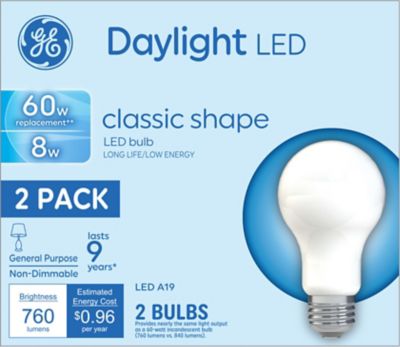
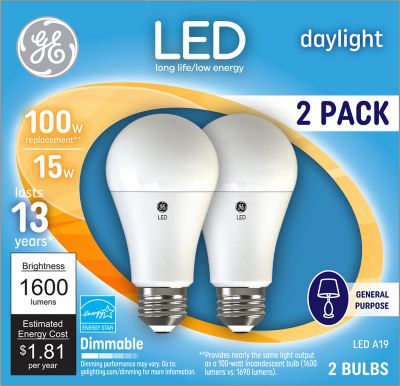
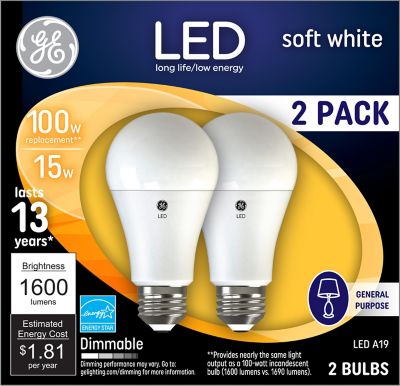
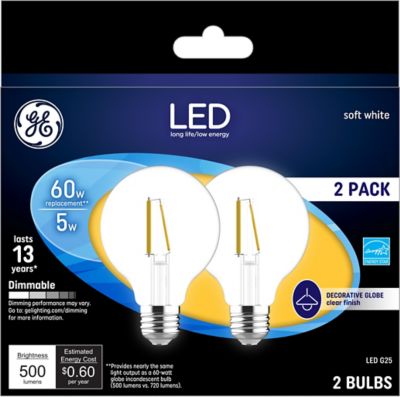
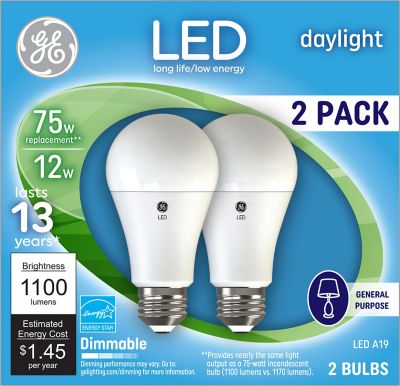
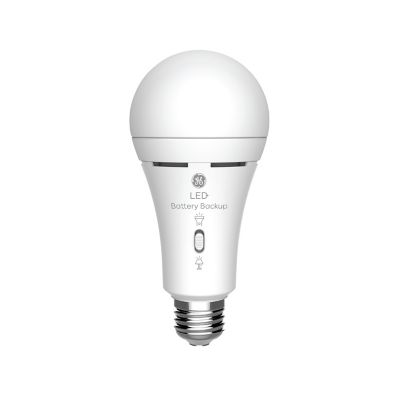
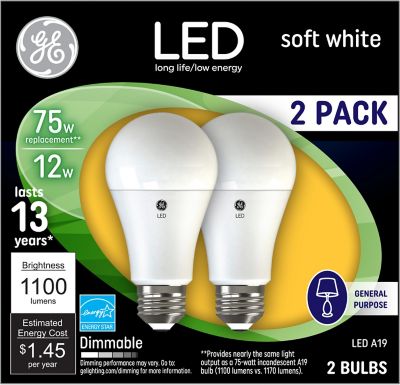
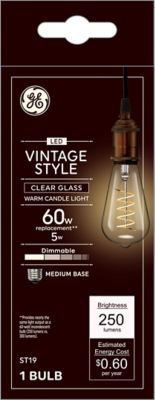
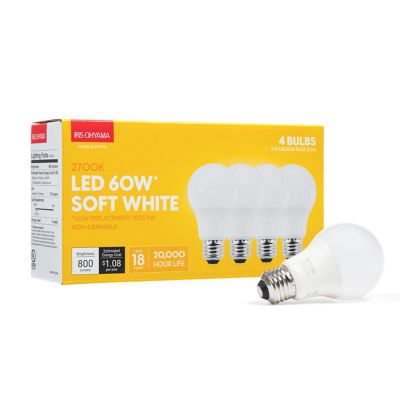
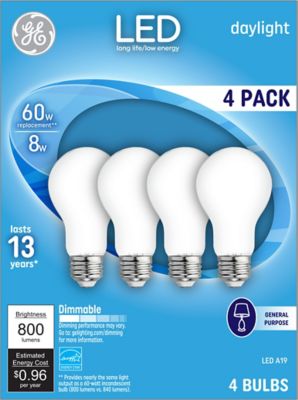
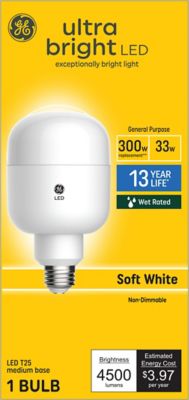
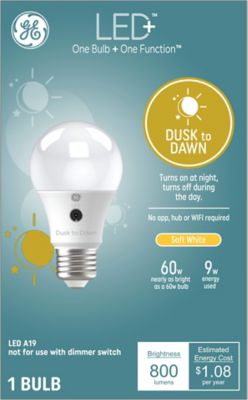
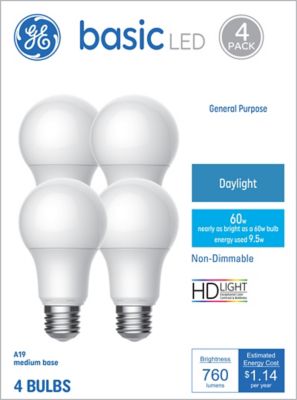
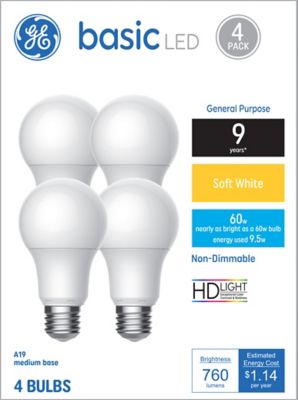
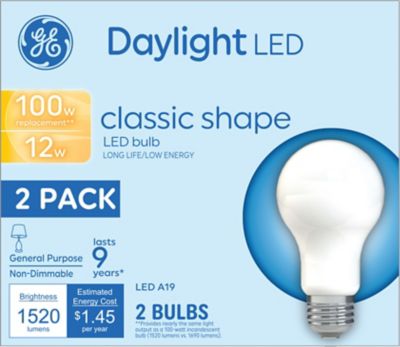
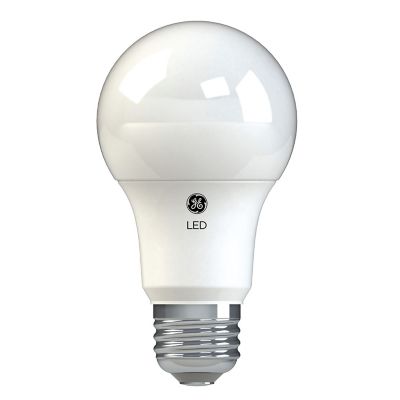
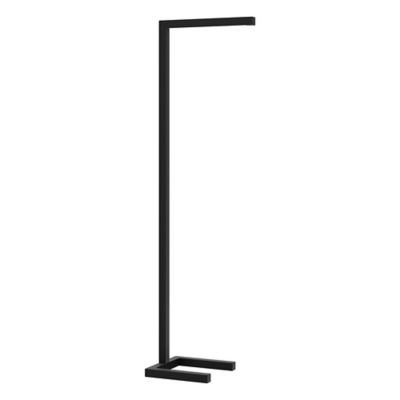
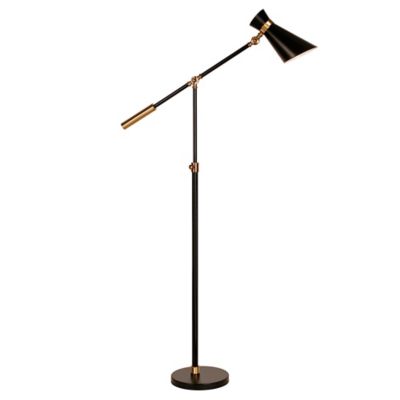
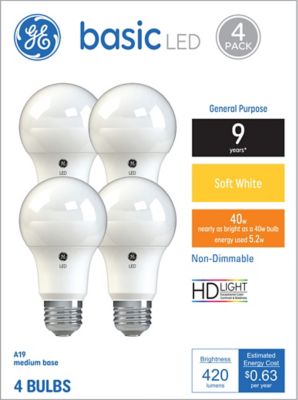
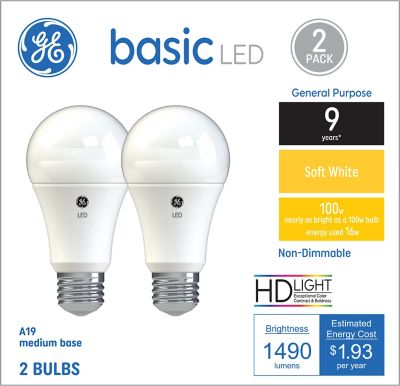
LED bulbs for floor lamps make it easy to brighten a living room, bedroom, den, office, porch room, or reading corner without adding much to the electric bill. They use less energy than traditional incandescent bulbs, produce less heat, and last a long time, which is handy for a lamp that stays on through supper, homework, or a quiet evening in a favorite chair. For most standard floor lamps, look for an LED bulb with a medium E26 base, the common screw-in size found in many household lamps. Brightness is measured in lumens rather than watts, so an 800-lumen bulb is generally similar to a traditional 60-watt bulb and works well for everyday ambient lighting. If the lamp is used for reading, sewing, paperwork, crafts, or other close-up tasks, a brighter bulb in the 1,100- to 1,600-lumen range, roughly comparable to a 75- to 100-watt incandescent bulb, can make small print and fine details easier to see. A torchiere or uplight floor lamp may need a high-lumen bulb that spreads light in all directions, while an arc lamp, reading lamp, or multi-bulb floor lamp may work best with a bulb shaped to fit beneath its shade and direct light where it is needed. Check the lamp socket, shade clearance, and maximum wattage listed on the fixture before buying, even though an LED uses less electricity than the traditional wattage listed on the lamp. The right fit should screw in easily, sit securely, and leave enough room for air to move around the bulb.
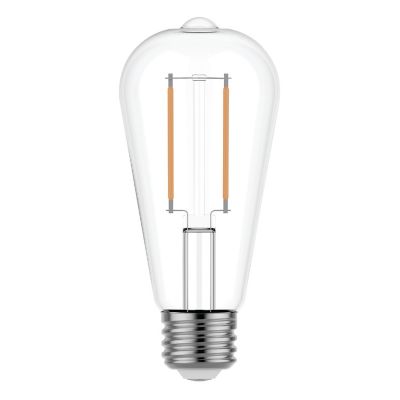
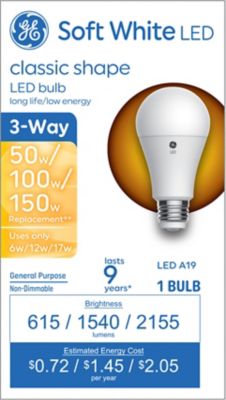
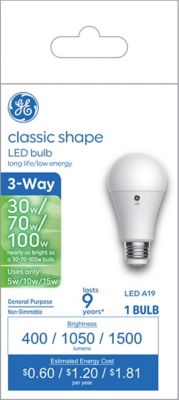
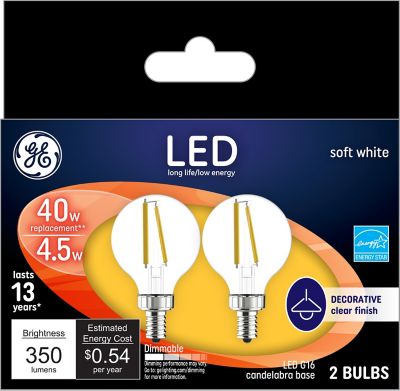
Color temperature changes the feel of a room just as much as brightness does. Soft white bulbs in the 2700K range give off a warm, gentle glow that feels natural in bedrooms, family rooms, and living spaces, especially when the goal is to settle in with a book or let the room feel welcoming during the cooler months. A 3000K warm or neutral white bulb gives a cleaner look while still keeping the light comfortable, making it a useful choice for hallways, bedrooms, kitchens with floor lamps, and everyday household tasks. For a reading nook, sewing table, home office, or workshop corner, a bright white bulb around 4000K can provide a crisp, clear appearance that helps with detailed work. Very cool light may feel a little harsh in a cozy sitting room, so consider the room’s colors, furnishings, and usual purpose before choosing. Dimmability is another important detail. A dimmable LED bulb should be used only with a floor lamp that has a compatible dimmer switch or rotary control; installing a non-dimmable bulb on a dimmer can lead to flickering, buzzing, or poor performance. Likewise, a floor lamp with a low-medium-high 3-way switch needs a specialized 3-way LED bulb to deliver its different brightness settings. A regular LED bulb may light up in a 3-way lamp but will not provide the intended levels. Bulb shape matters, too. A standard A19 shape is a dependable choice for many covered floor lamps, while globe shapes such as G25 or G30 can suit fixtures where the bulb is more visible. Reflector-style or omnidirectional designs may be helpful in uplight fixtures, depending on whether the lamp sends light toward the ceiling or out across the room. Read the package details for base size, lumens, color temperature, dimming, 3-way operation, and enclosed-fixture suitability so the bulb matches the lamp instead of relying on appearance alone.
These bulbs are useful for all sorts of households, from a farmhouse den where muddy boots get kicked off at the end of the day to an apartment with one floor lamp doing the work of a whole ceiling fixture. A bright floor lamp beside a recliner can make evening reading easier on tired eyes, while a warm bulb in a shaded lamp can soften a room for visiting with family or watching a movie. In a child’s room, a lower-brightness warm bulb can provide a comforting glow without making the space feel overly bright. In a guest room, a dependable LED bulb is a thoughtful finishing touch that helps visitors find their way around after dark. They also make practical gifts for new homeowners, college students setting up a first place, grandparents who enjoy puzzles and needlework, or anyone refreshing a sitting area before friends and family come by. When outfitting more than one lamp, keeping the color temperature similar helps the rooms feel connected instead of giving each corner a noticeably different cast. LED bulbs can also be a sensible choice for covered porches, enclosed sunrooms, and entry areas when the fixture and bulb are rated for that use; outdoor exposure and enclosed fixtures call for checking the safety information carefully. For decorative lighting in dining areas, entryways, or fixtures with several smaller sockets, browse
LED Bulbs for Chandeliers to find lighting options suited to those fixtures. Whether you need a soft glow for winding down, stronger light for a well-used reading chair, or an efficient bulb for a floor lamp that runs many hours a day, matching the base, brightness, shape, color, and switch type will help the lamp work reliably and make the room feel just right.