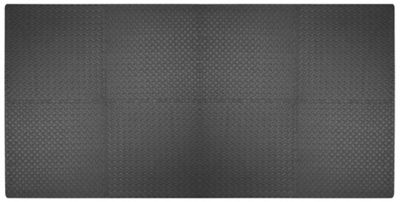
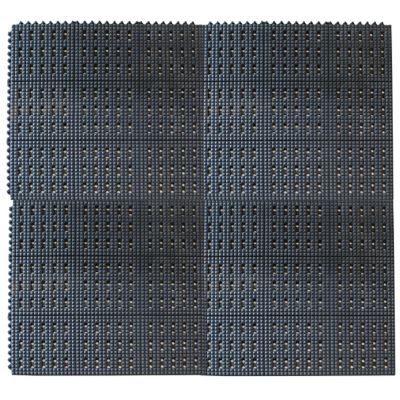
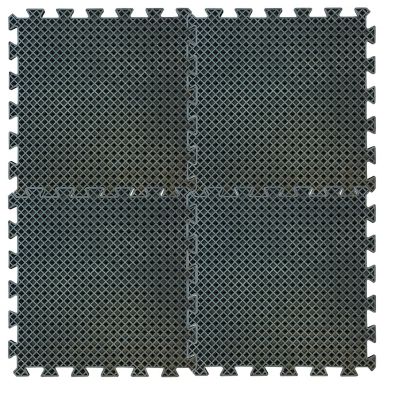
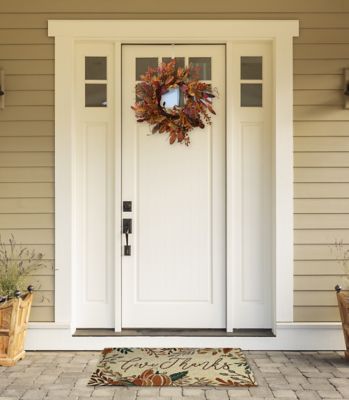
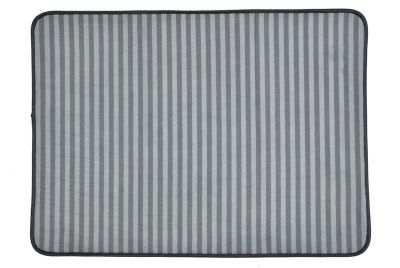
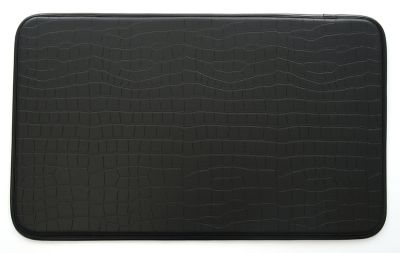
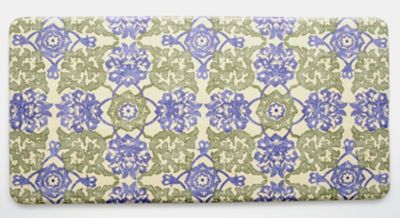
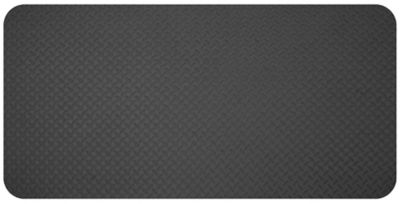
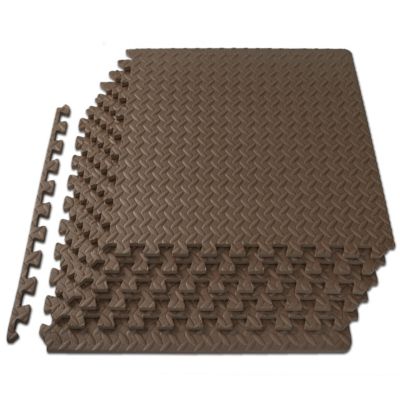
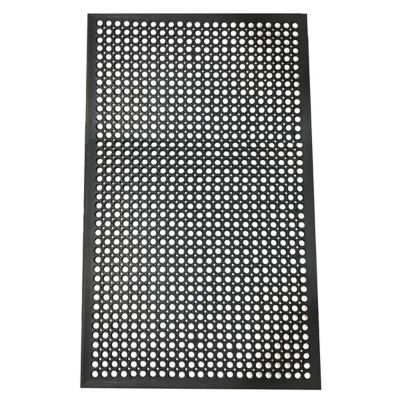
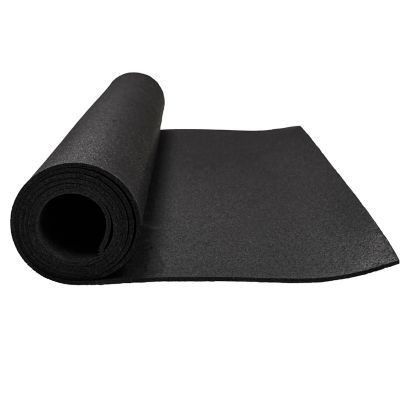
Laundry room floor mats give your feet a softer place to land while helping shield the floor from everyday laundry traffic and small splashes. The main types serve different purposes: cushioned anti-fatigue mats sit in front of a washer, dryer, or folding counter; fabric runners cover a longer stretch of floor; and appliance-rated rubber mats go beneath machines to help limit vibration transferred to the floor. Those differences matter in a room where a load of chore clothes, a basket of towels, and a pile of socks can keep somebody on their feet for a while. A cushioned standing mat can make a hard tile or concrete surface feel more comfortable during sorting and folding, though the amount of support depends on its thickness and construction. Many anti-fatigue mats pair a foam core with a vinyl or PVC surface that wipes clean after a detergent drip. A fabric laundry runner brings a softer feel across the space in front of side-by-side machines, with washable styles offering a practical way to handle lint, dust, and footprints. Neither type should be mistaken for a mat meant to support an appliance. Dense rubber anti-vibration mats need to be rated for the machine’s weight and suitable for its installation requirements. They may help dampen rumbling, but they cannot correct an unbalanced load, loose parts, or a washer that is not level. For everyday standing areas, a water-resistant surface can help keep minor splashes off the floor beneath it, provided the mat stays intact and moisture does not work around its edges. A floor mat is not a drain pan or protection against a leaking hose. In a busy household, the right style comes down to where the work happens: a compact cushion at the folding bench, a runner along a row of appliances, or a separate appliance mat intended for that job. Keeping those roles clear makes it easier to match the mat to the space rather than expecting one design to do everything.
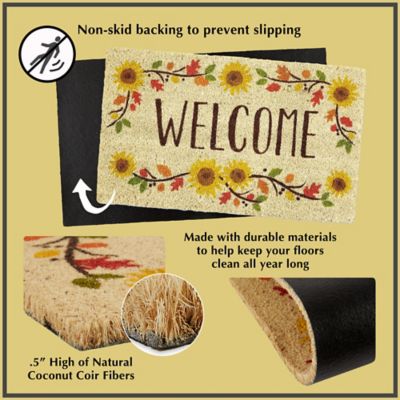
Materials and fit have a lot to do with how a laundry mat handles daily wear. Closed-cell foam cushions without readily soaking up liquid, while a sealed surface makes small spills easier to wipe away. Exposed fabric and absorbent fibers behave differently, taking in moisture rather than keeping it on top. Cotton can feel soft underfoot, and polyester or nylon constructions can offer resistance to everyday abrasion, depending on the weave and backing. A tightly woven runner generally has a flatter profile than a plush rug, which matters where appliance doors swing low or laundry baskets slide across the floor. Rubber backing can help resist movement, but its grip depends on the floor surface, cleanliness, and condition of the backing. A slip-resistant label does not mean a mat will stay put on every floor, especially if lint, detergent, or moisture collects underneath. Floor compatibility deserves attention, too. Some rubber or vinyl backings can affect certain floor finishes, so the mat and flooring care information should agree before either surface stays in contact for long stretches. Size is more than a matter of filling an empty patch of floor. A runner in front of side-by-side appliances should leave room for doors to open freely and for feet to move without catching an edge. A stacked washer and dryer may need only a smaller standing mat, while a long folding counter may call for coverage along the spot where clean clothes get sorted. Thick cushioning feels different from a thin runner, but extra height can get in the way of a rolling hamper or create an awkward step at a doorway. Tapered edges, a flat backing, and corners that lie flush help keep the working area clear. Patterns and colors can suit a simple utility room or a laundry nook off the kitchen, but easy cleanup and a sensible fit usually earn their keep faster than appearance alone.
Care requirements are worth considering in a room that already handles plenty of washing. Wipe-clean laundry room mats can be a good match for households that deal with detergent drips, dusty work clothes, and frequent foot traffic. A smooth surface generally takes less effort to wipe than deep grooves, although textured surfaces may provide more traction underfoot. Cleaning products should match the mat’s care directions, since strong cleaners can damage some surfaces or weaken the backing. Washable laundry rugs bring a different kind of convenience, but machine washable does not always mean suitable for every washer or dryer. The rug’s dimensions, wet weight, backing, and care label all matter. Some styles need air drying, and others require a gentle wash cycle. A long runner that fits neatly in the room may still be too large for a household washer once it takes on water. Regular shaking or vacuuming helps keep lint and grit from settling into fibers, while checking the underside gives a chance to spot trapped dampness before it sits against the floor. Both the mat and the floor should be dry before the mat goes back into place. Curled corners, crumbling foam, or a backing that has lost its grip are signs that the mat may no longer suit a busy walkway. Keeping laundry supplies nearby can also cut down on carrying dripping bottles across the room;
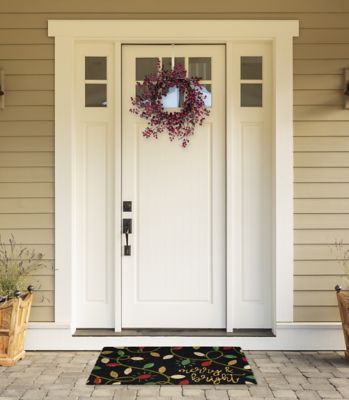
laundry room storage bins give detergent containers, clothespins, and other everyday supplies a place beside a shelf or folding area. The same practical thinking helps when choosing a mat for a family laundry room, a small apartment nook, or a farmhouse utility space shared with other chores. Someone who spends time folding towels may appreciate cushioning, while a household moving lots of baskets may favor a low-profile runner. A laundry mat can also make a practical housewarming gift when the room’s measurements, floor type, and care preferences are known. A mat that fits the work area and is easy to maintain can become a useful part of the laundry routine without adding another chore.