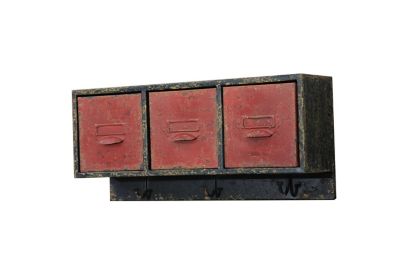
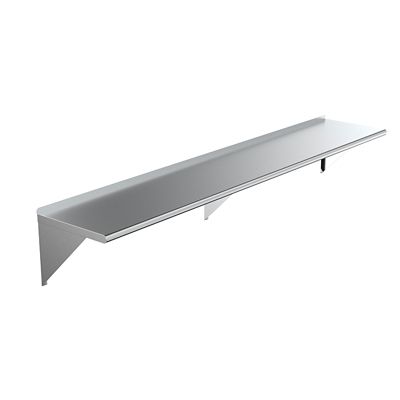
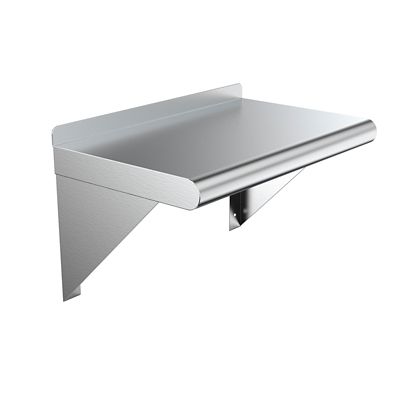
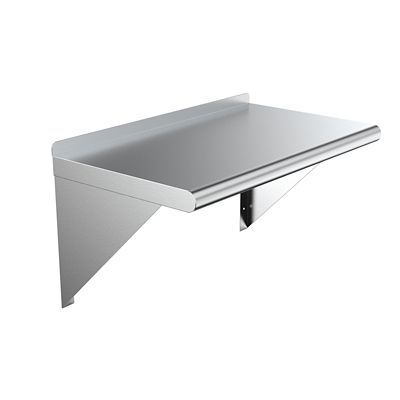
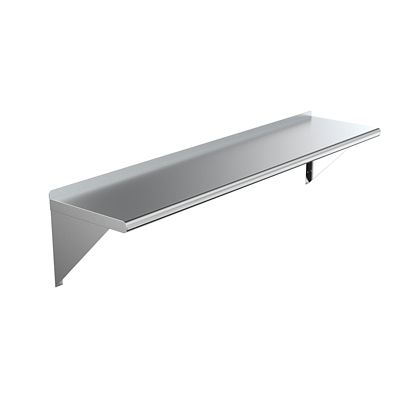
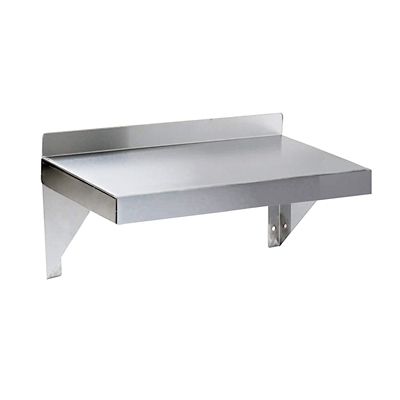
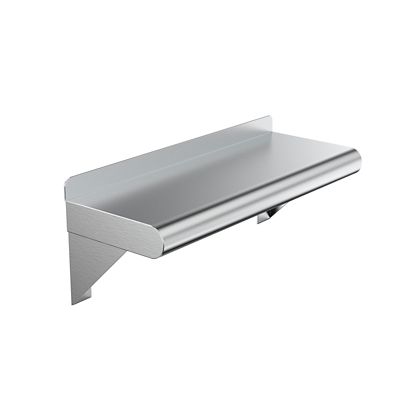
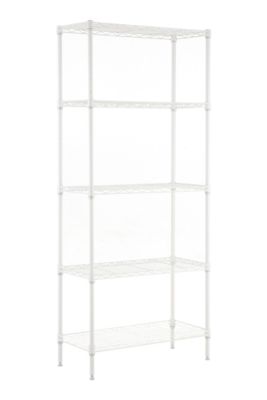
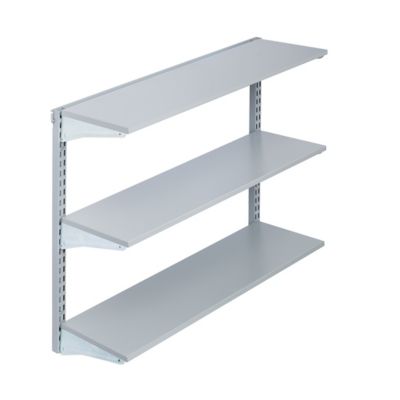
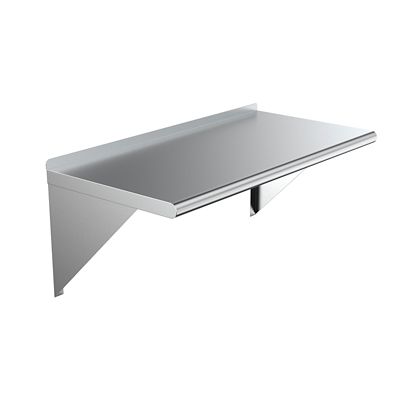
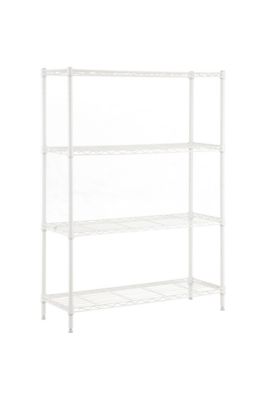
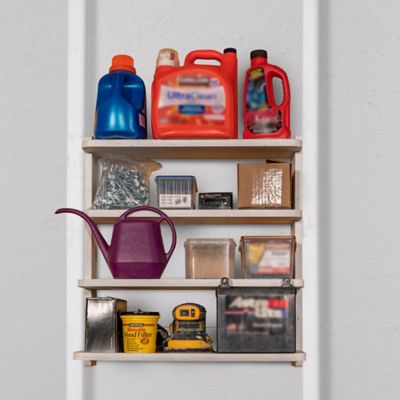
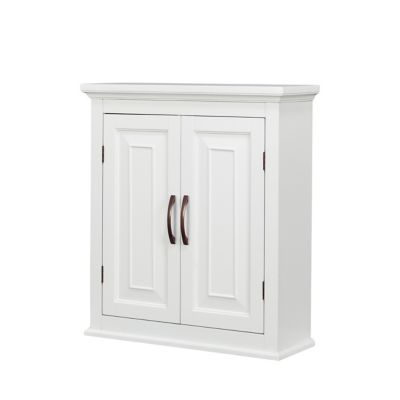
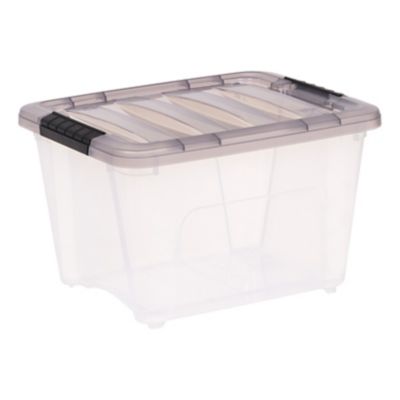
Laundry room wall shelves make room for the everyday supplies that tend to crowd a washer lid, fill a countertop or disappear behind a laundry basket. In a hardworking household, that might mean detergent for muddy work jeans, stain treatments for grass-marked shirts, clean towels and a place to set the supplies that come out with every load. Moving those essentials onto the wall leaves more room below for sorting, folding and carrying baskets through the space. Shelves fit into all kinds of laundry setups, from a separate room off the kitchen to a narrow utility area shared with household cleaning supplies. They can also bring order to a laundry corner where there is no room for another cabinet. Open shelving keeps frequently reached-for supplies visible, while baskets and bins help corral smaller things without spreading them across the work surface. A shallow shelf can hold everyday essentials without reaching too far into the room; a deeper shelf offers more space for folded linens or larger containers, provided its weight rating and mounting arrangement suit the load. The best fit depends on what happens in that space each day. A household washing barn clothes and chore towels may need room for several cleaning supplies, while a smaller home might put more value on a compact shelf that keeps just the basics close at hand. Shelf spacing matters, too. Tall bottles need clearance above them, and stacked towels need enough room to slide out without catching on the shelf overhead. Leaving some open space between supplies makes the whole setup easier to work with when a basket is balanced on one hip. Wall-mounted shelves can give an otherwise plain laundry area a finished look, but their main job is practical: keeping essentials off the floor, freeing up work surfaces and giving the things that belong in the laundry room a steady place to land.
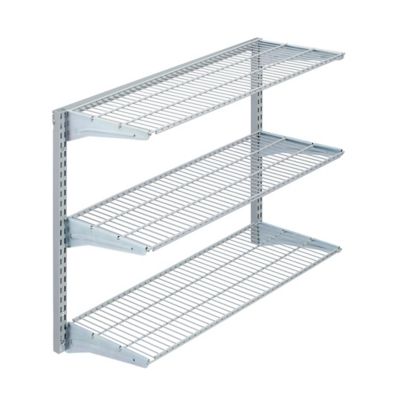
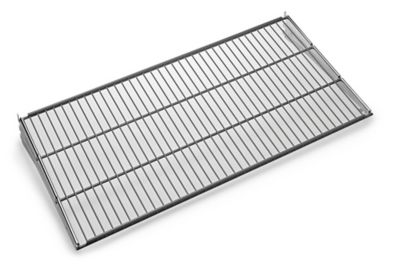
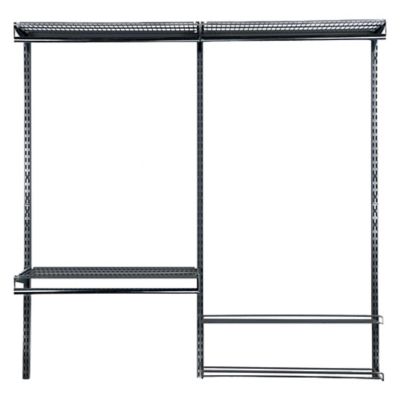
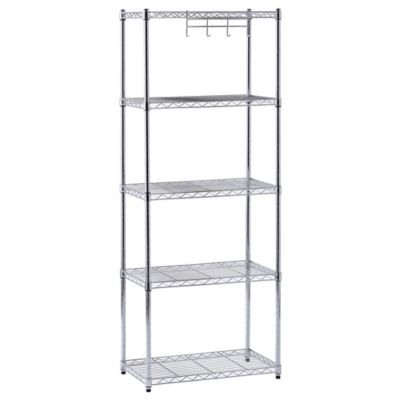
Materials and construction play a big part in how laundry room wall shelves handle day-to-day work. Metal shelving can suit utility spaces where easy wipe-down care matters, and coated finishes help protect the underlying metal when kept intact. Wire designs leave open space around stored supplies and make it easy to see what is on the shelf, though small bottles or narrow containers may need a tray or bin for a level resting surface. Solid shelves provide an even base for folded linens, baskets and containers with small feet. Wood adds a warmer look, while manufactured wood can offer a smooth, consistent surface; either needs care suited to its finish, especially around detergent drips, damp towels and steam. Cleanups are simpler when spills are wiped away promptly and shelves are not left holding wet items. The care directions for the shelf material help determine which cleaning products are suitable, since harsh cleaners and abrasive pads can damage some finishes. Strength depends on more than the shelf board alone. Brackets, fasteners, wall construction and the way weight is spread across the shelf all affect the finished setup. A large detergent jug weighs considerably more than a stack of washcloths, so the stated load limit matters even when a shelf looks roomy. Wall attachment needs to match the mounting instructions and the wall itself, with studs or suitable anchors providing the support the design calls for. Nearby plumbing and wiring also matter when choosing a mounting location. Fit includes the movement around the appliances, not just the empty stretch of wall above them. Top-loading washers need room for the lid to open fully, and cabinets, doors and appliance controls should remain easy to reach. Shelf depth should leave comfortable headroom and access for loading clothes, cleaning behind machines and servicing equipment. Those clearances help keep the laundry area workable rather than turning extra storage into an obstacle.
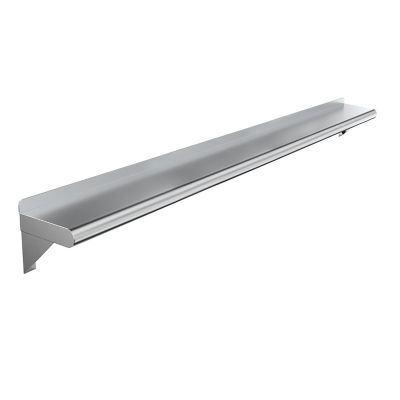
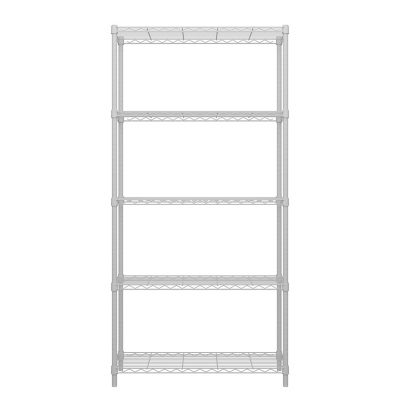
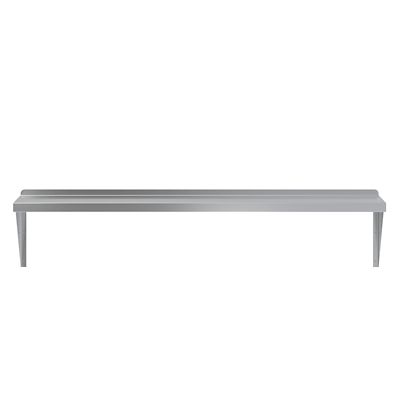
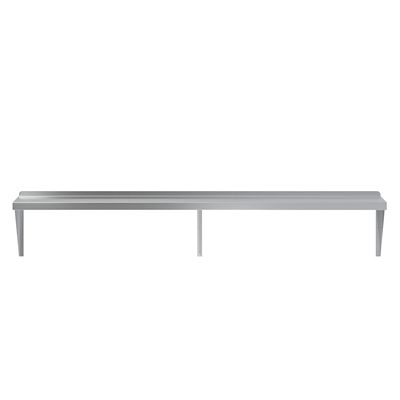
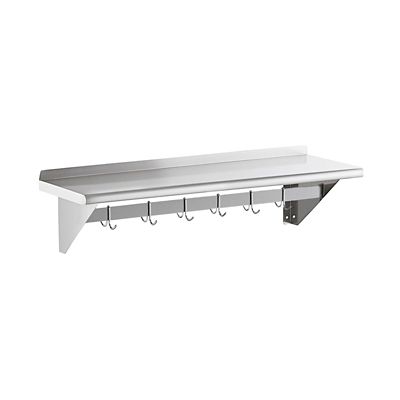
The shape and layout of shelving can make a noticeable difference in a room that gets constant traffic. A single long shelf offers a straightforward stretch of storage above a work area, while several shorter shelves can fit around cabinets, corners or other wall features. Adjustable arrangements can accommodate changes in container height, and fixed shelves create a settled layout for supplies that stay much the same. Raised edges or rails can help keep containers from sliding off an edge, though shelf level, load limits and proper installation still matter. Hooks beneath a shelf can provide a spot for lightweight cleaning tools when the design allows it, keeping the shelf surface open for other essentials. Matching shelf depth to basket size prevents awkward overhang, and leaving space beside a basket makes it easier to lift down without knocking something loose. For households with children or pets, open shelving is not a substitute for secured storage: detergents and other cleaning products belong in their original labeled containers and in a location that meets the safety directions on the packaging. Frequently handled supplies are easiest to manage at a comfortable reach, while spare linens can occupy higher shelves if they can be retrieved safely. A laundry room often has to handle more than washing clothes, so wall shelves may share space with mending supplies, spare hangers or clothespins. Keeping those groups together makes it easier to find a loose button or a clean rag without emptying a whole basket. Finishes can blend with existing cabinets or lean into the practical look of a utility room, with visible brackets and simple lines fitting comfortably alongside work surfaces. When wall space alone does not cover the household’s storage needs,
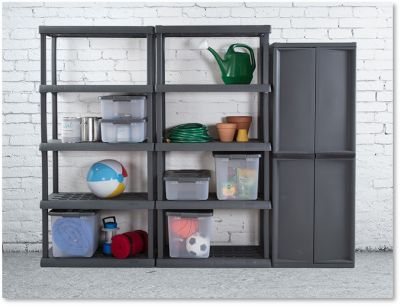
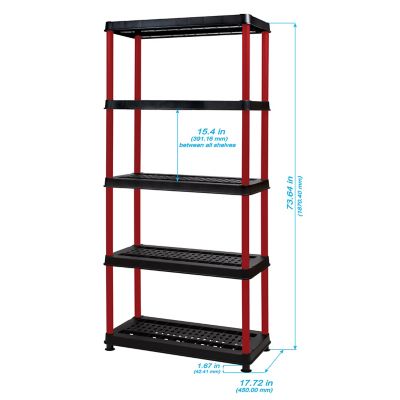
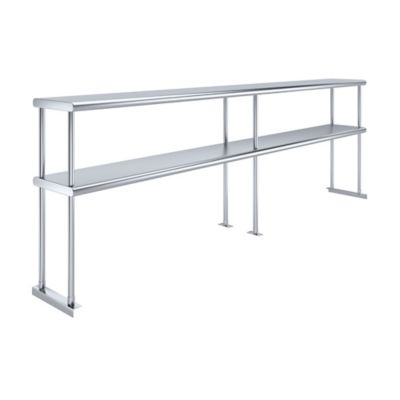
Laundry Room Storage Racks offer another option for organizing the area around the appliances. A thoughtful mix of shelving and other storage leaves room for the actual work: hauling in chore clothes, folding a clean stack of towels and getting the next load moving without clearing a pile from the washer first.