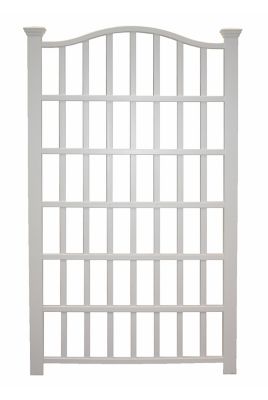
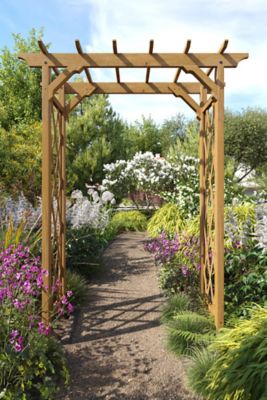
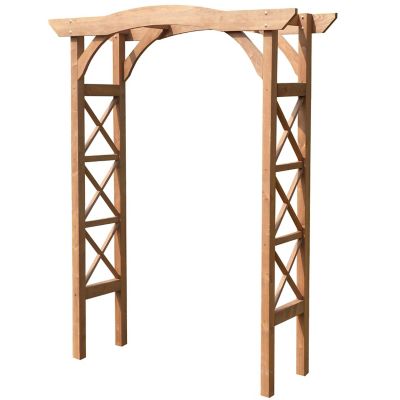
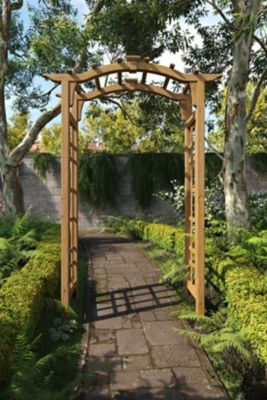
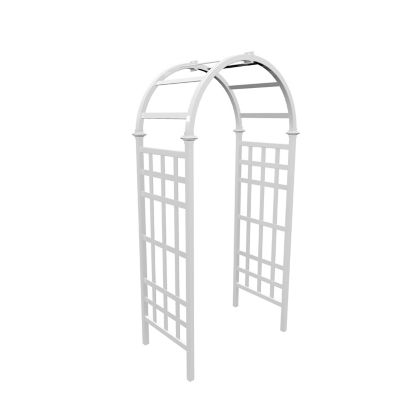
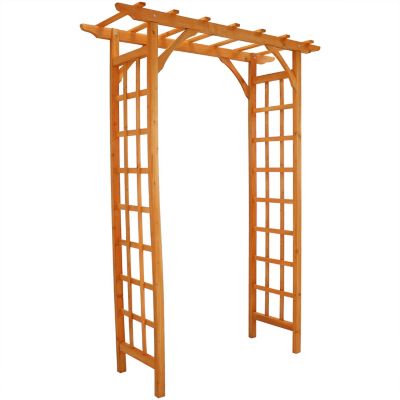
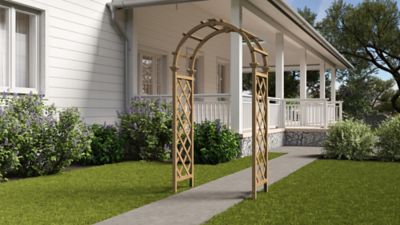
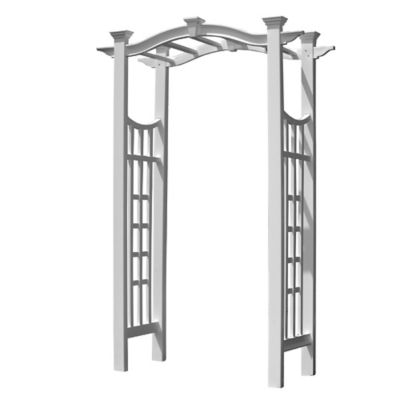
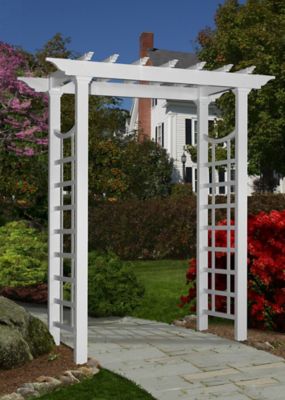
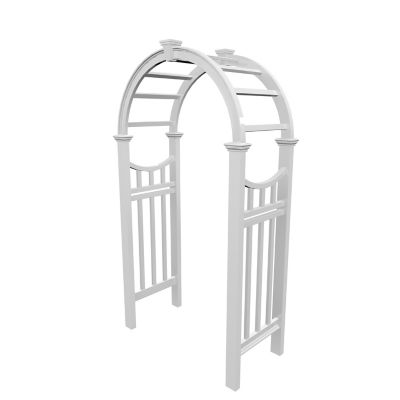
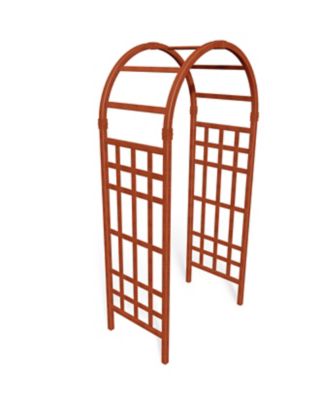
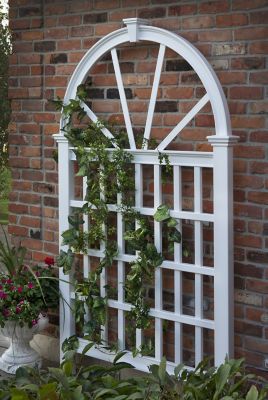
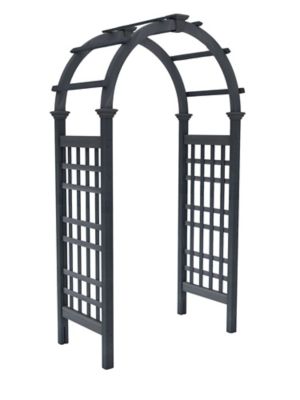
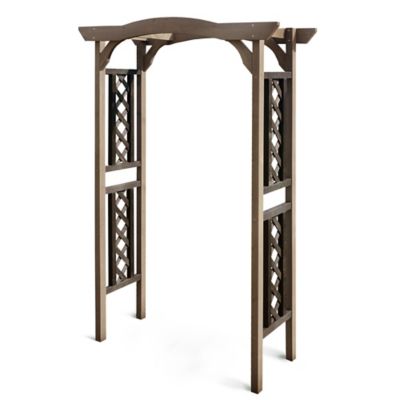
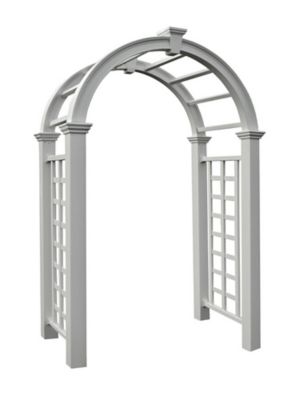
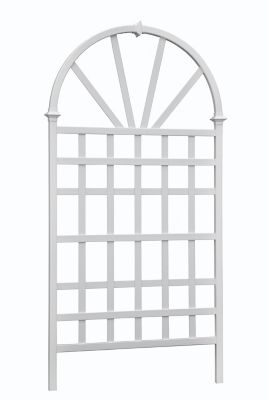
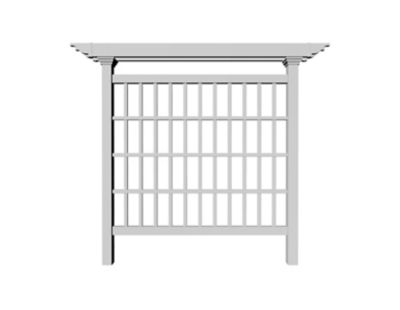
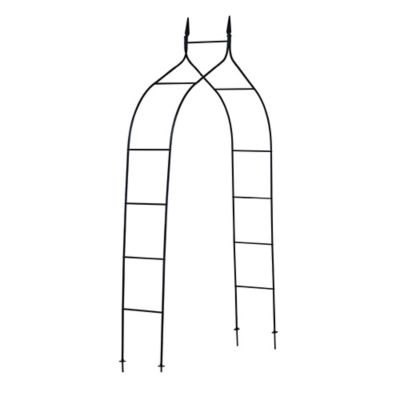
Lattice arbors bring a little structure and charm to outdoor spaces while giving a garden entrance a clear sense of place. Built with open crisscross side panels and a rounded, arched, or flat top, they can frame a path, mark the way into a backyard, or help separate a flower bed from a seating area. Their height draws the eye upward, which adds interest to a flat landscape and makes even a small garden feel more layered. Many lattice arbors stand around 7 to 8 feet tall, giving people comfortable clearance while leaving room for vines to climb overhead. They also offer practical support for flowering vines, ivy, climbing roses, clematis, morning glories, and some vining vegetables. As the weather warms, a young plant can be guided through the open lattice with soft ties, creating a living entrance that changes throughout the growing season. Even before the plants fill in, the arbor can add a finished look to a walkway or garden corner. For gardeners who enjoy a traditional, welcoming style, an arbor is a useful way to combine function with a bit of country character. It can also make a thoughtful gift for someone settling into a new home, planning a backyard garden, or spending more time tending flower beds during the warmer part of the year.
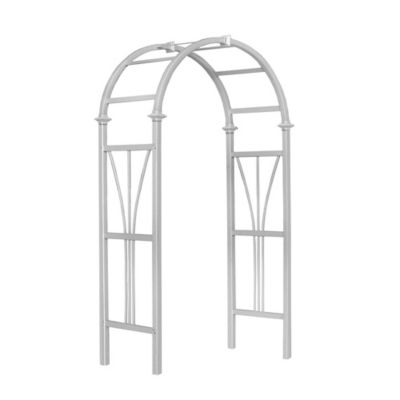
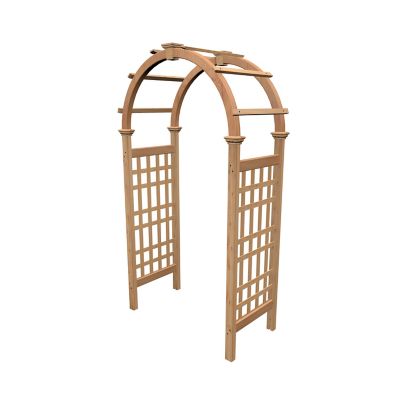
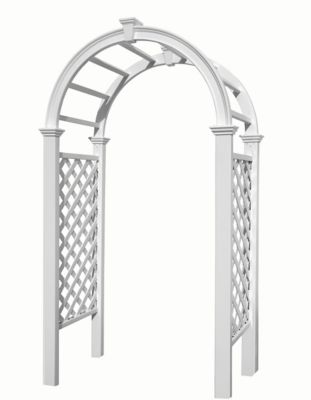
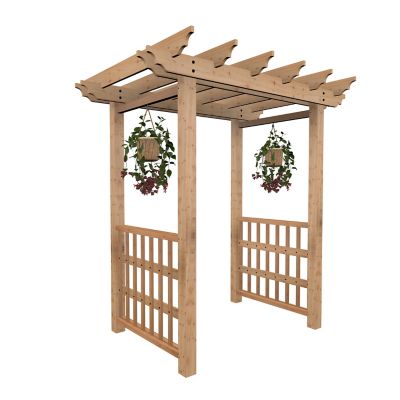
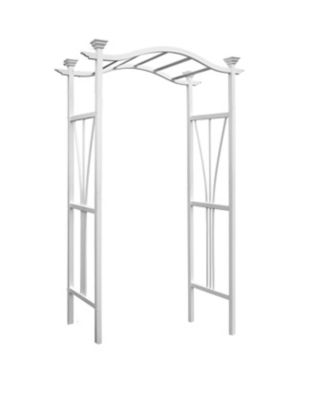
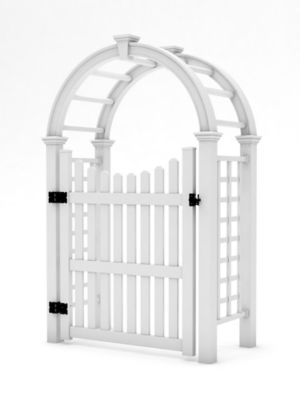
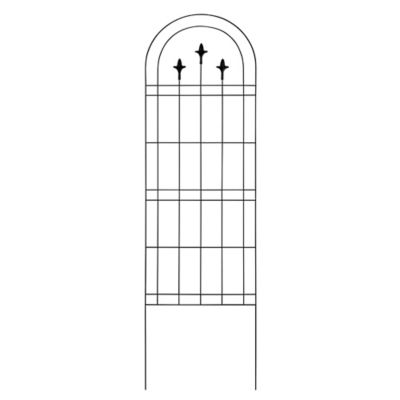
Material is one of the biggest decisions when choosing a lattice arbor. Wood, including cedar and fir, has a natural grain and an easygoing look that blends well with raised beds, mulch paths, fencing, and established plantings. Cedar is often favored for outdoor projects because it holds up well in changing weather, though any wood arbor benefits from routine inspection and periodic staining or sealing. A wood finish can be chosen to match nearby structures or allowed to weather into a softer gray tone. Vinyl and PVC arbors are lightweight, weather-resistant options that provide a clean appearance with less upkeep and no regular painting. They can be a good fit for busy homeowners who want a defined garden entrance without adding another large maintenance job to the list. Metal arbors, including wrought iron styles, tend to have a slimmer profile and a sturdy feel, making them useful where a more formal look or heavier support is desired. Powder-coated finishes can help protect metal from rust, but it is still smart to check joints, fasteners, and finish surfaces from time to time, especially in damp or windy areas. Before buying, measure the space carefully from post to post and from the ground to the highest point, allowing enough room for people, wheelbarrows, lawn equipment, and growing plants to pass through. Look at the arbor’s overall width, height, depth, and assembly needs, then compare those measurements with the path or opening where it will go. Consider the mature size and weight of the plants you plan to grow, as a vigorous vine may need stronger support than a light annual climber. If you like the warm, natural look of wood for other garden structures,
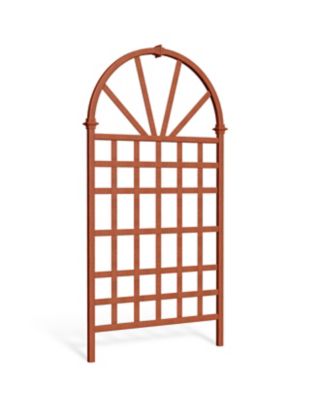
Cedar Trellises can also help carry that same style through the rest of the landscape.
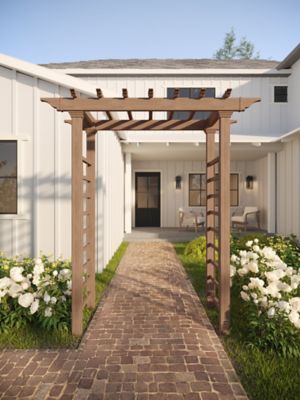
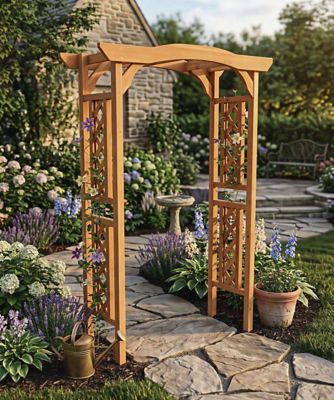
Placement and installation have just as much to do with long-term satisfaction as appearance. Set an arbor where it naturally frames something worth seeing, such as a vegetable garden, a favorite tree, a patio, or a back gate. A path leading toward the opening will make the entrance feel intentional, while placing it at the edge of a garden can create a gentle transition between lawn and planted space. Check the ground for buried utilities, irrigation lines, and drainage concerns before digging, and install the posts according to the manufacturer’s instructions so the structure stays plumb and steady. In areas that see strong wind, heavy rain, or freeze-and-thaw conditions, secure anchoring is especially important. Once the arbor is in place, guide plants gradually rather than forcing thick stems through the lattice. Soft garden ties, clips, or twine can help young growth find its way without cutting into the plant. Keep an eye on fast-growing vines as the seasons shift, trimming crowded areas so the arbor remains balanced and the plant receives good airflow. During cooler months, remove dead growth, look for loose hardware, and wipe away soil or debris that may hold moisture against the frame. Lattice arbors work equally well in roomy country yards, compact suburban gardens, and small side paths where vertical space is more useful than extra ground area. They can support a productive garden, add privacy as foliage fills in, or simply give friends and family a welcoming passage into an outdoor gathering spot. With the right size, material, anchoring, and plant choices, a lattice arbor can become one of those hardworking garden features that looks better as the landscape grows around it.