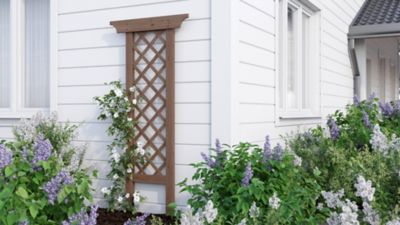
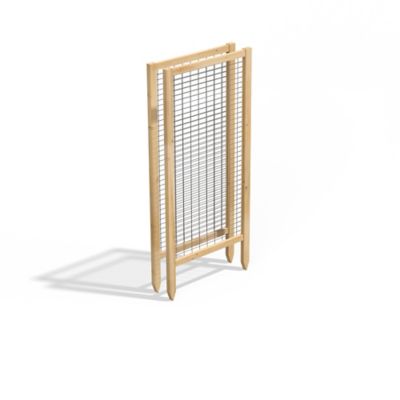
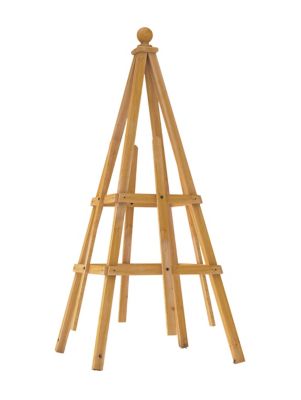
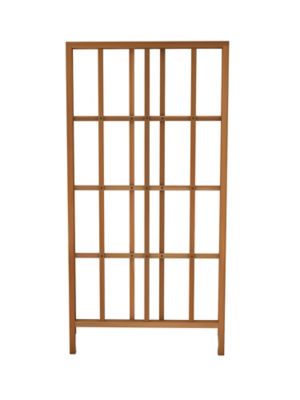
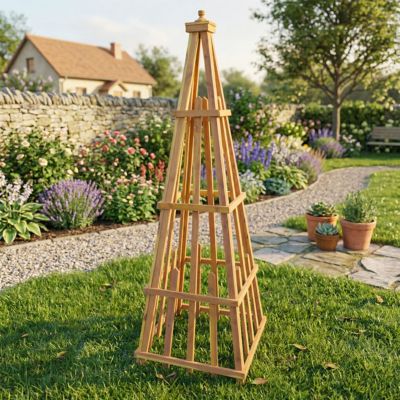
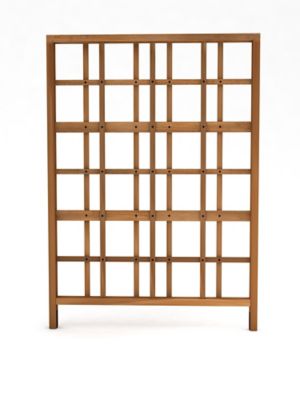
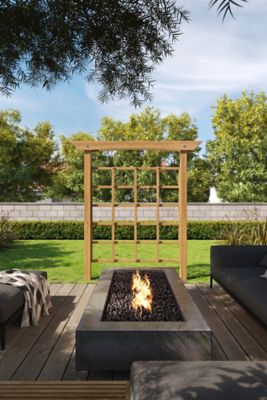
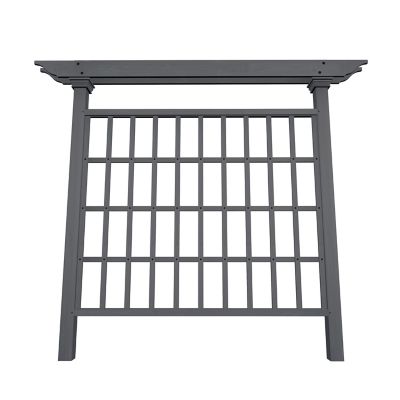
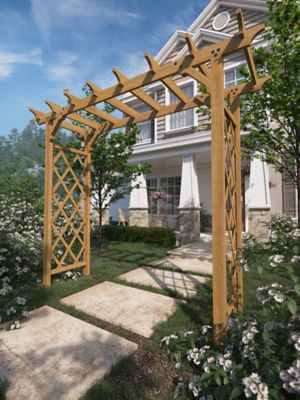
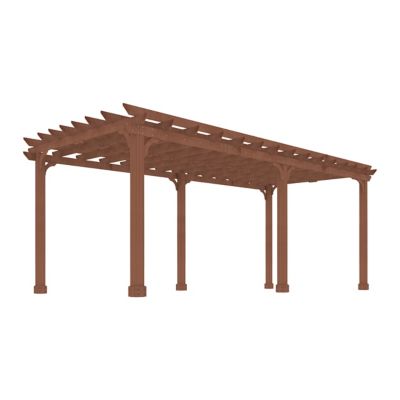
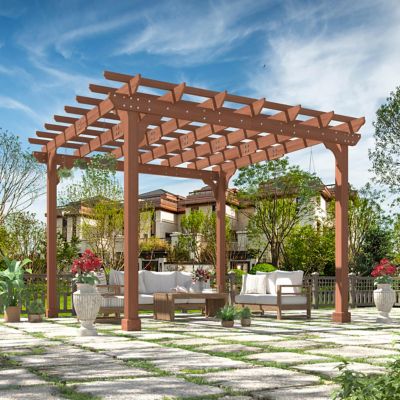
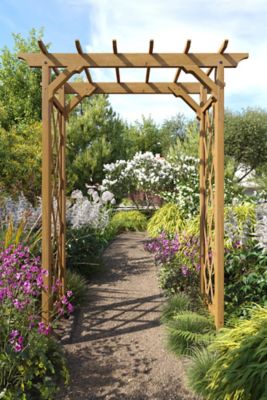
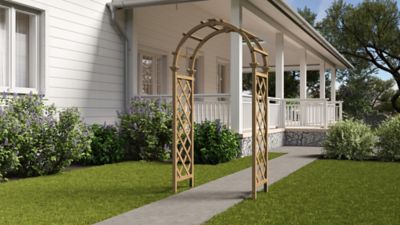
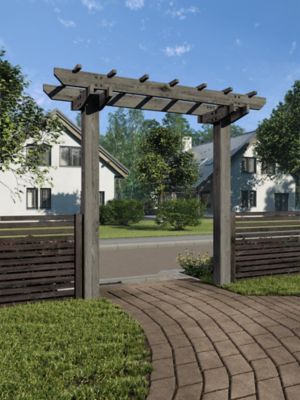
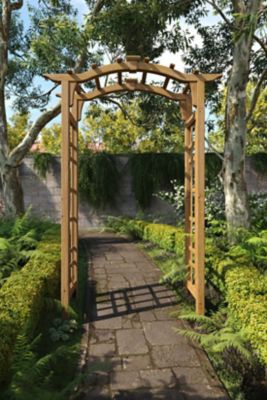
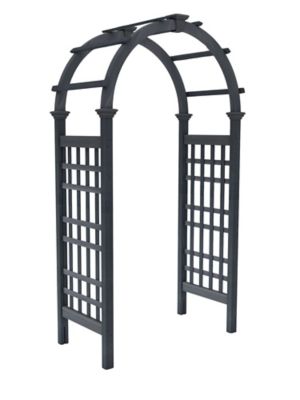
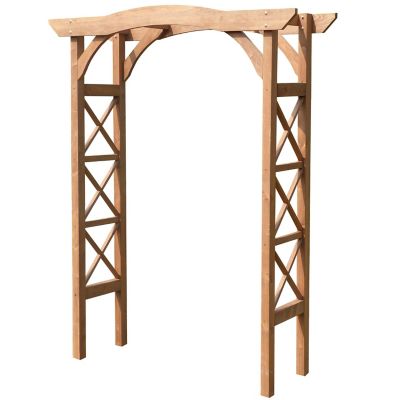
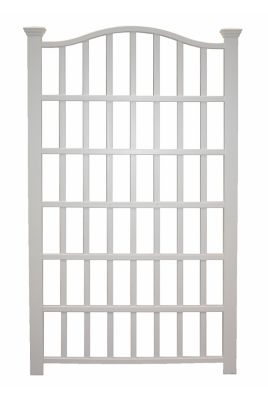
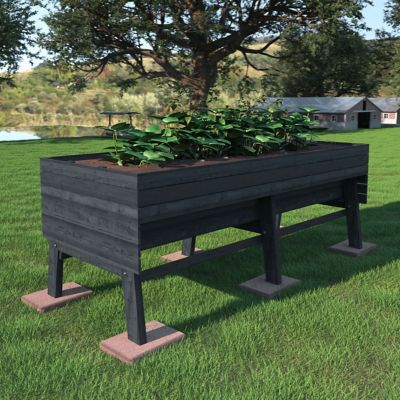
Cedar trellises are wooden garden supports that give climbing plants a place to grow upward while bringing the warm look of cedar to garden beds, patios, and fence lines. Their open framework supports vines without closing off the view, making them a practical fit beside a porch, behind a flower bed, or along the edge of a kitchen garden. Cedar heartwood naturally resists decay and some insects, although performance depends on the wood, construction, installation, and contact with moisture. Its grain and reddish or honey-toned coloring sit comfortably alongside gravel paths, brick walks, and painted outbuildings. Over time, unfinished cedar develops a gray patina that many gardeners appreciate. The right trellis starts with the plant it will carry. Peas and other tendril climbers need slender pieces they can grasp, while pole beans wrap around upright supports. Climbing roses do not attach themselves in the same way and generally need their canes secured with soft plant ties. Cucumbers can grow on a trellis that has enough strength for both the vines and their crop, with additional support where fruit weight calls for it. Openings in the lattice affect both plant growth and everyday tending: smaller spaces give slender growth more places to catch, while larger openings can make it easier to reach through for pruning or picking. Height matters just as much as width. A compact climbing plant can suit a modest panel near a sitting area, while a more vigorous vine needs room to spread without swallowing a doorway or reaching into a walkway. Mature plant size is a better measure than the small transplant going into the ground. Heavy woody vines call for a structure specifically rated for that load, rather than a light garden lattice. Matching the framework to the plant helps keep stems supported, fruit within reach, and the planting area easier to manage.
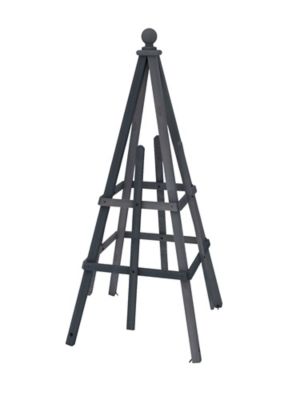
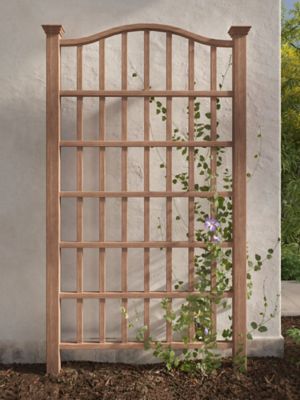
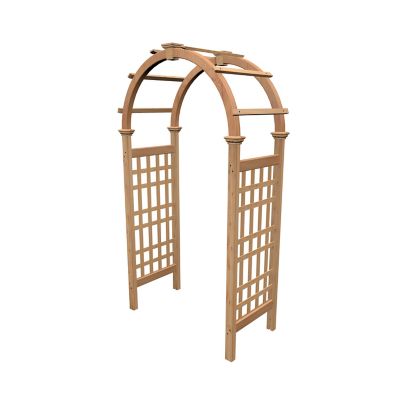
The shape and placement of a cedar garden trellis make a real difference in how it fits the yard. A broad, flat panel creates a backdrop for a long bed, while a narrow upright can tuck beside a gate or between windows without taking over the space. Fan-shaped frames offer spreading room toward the top, and freestanding forms can bring climbing plants into a bed that has no wall or fence behind it. Overall dimensions tell only part of the story; the planting space, clear walking width, and room for fastening hardware also belong in the measurement. Near a house, a gap between the trellis and the siding gives stems room to grow and leaves space for inspection and upkeep. Plants should not crowd vents, gutters, utility equipment, or access points. Along a property line, cedar trellises can complement
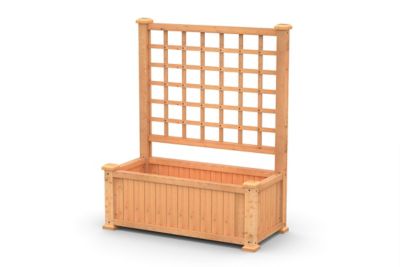
Cedar Fencing Panels, adding an open growing surface beside a more solid boundary. A fence is not automatically strong enough to carry a loaded trellis, though, so the support arrangement needs to suit both structures. Ground-mounted designs depend on adequate anchoring, and wall-mounted designs need fasteners and attachment points appropriate for the surface behind them. A tall frame covered in thick foliage puts more strain on its connections than an empty frame does. For a planter, the trellis size and mounting method should match the container’s dimensions and stability, especially once growth reaches the top. It is also worth leaving enough room to get a hand pruner behind the stems or carry a watering can past the bed. A trellis beside a vegetable patch should make picking easier, not turn every harvest into a reach across tangled vines. In a smaller yard, upward growth can help make better use of planting space, but roots still need enough soil volume and suitable growing conditions. The best fit balances the look of the frame with the everyday work of tending what grows on it.
Construction details help show whether a cedar trellis suits a light flowering vine, a productive vegetable bed, or a larger planting. Thicker framing, sound joints, and firmly attached lattice matter more as plant weight increases. Smooth edges are helpful wherever stems, ties, and hands meet the wood, and accessible connections make occasional tightening less of a chore. Stainless steel or appropriately coated fasteners can help limit corrosion and staining when they are compatible with cedar and the installation. Cedar is not rotproof, and natural variation means heartwood and sapwood may perform differently. Any section that goes into the ground should be intended for that placement; a frame meant to stay above the soil should not be treated as a ground-contact post. Keeping mulch from piling against the lower frame and clearing away trapped leaves can reduce prolonged moisture contact. For routine care, a soft brush and gentle washing are often enough to remove dirt, with cleaning methods guided by the maker’s directions. Harsh scrubbing or aggressive pressure washing can damage wood fibers and leave a rough surface. Some gardeners prefer the gray appearance of unfinished cedar, while others choose a compatible exterior wood finish to help maintain its original coloring. Any coating belongs on a clean, dry surface and should be suitable for the intended setting, particularly near edible plants. Occasional checks for loose hardware, split pieces, tight ties, and crowded stems help catch small problems before they put the planting at risk. Soft ties need room for stems to thicken rather than binding them tightly against the lattice. For someone who spends plenty of time tending roses, beans, or flowering vines, a cedar trellis can also make a thoughtful garden gift when its size and purpose match the space. It earns its place by supporting healthy growth, keeping plantings manageable, and bringing a natural wood element to a hardworking yard.