Lag Screws
Find lag screws for fastening lumber or securing hardware to wood on your next project. Compare screw length and diameter to match the pieces you’re joining, and check the head type and installation requirements before you get to work.
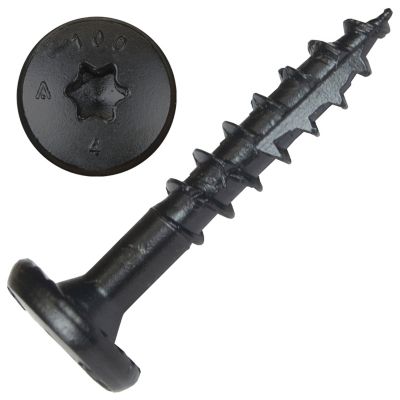
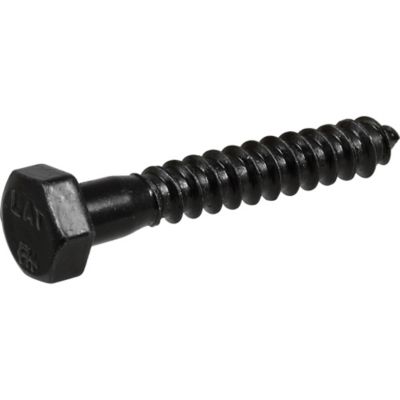
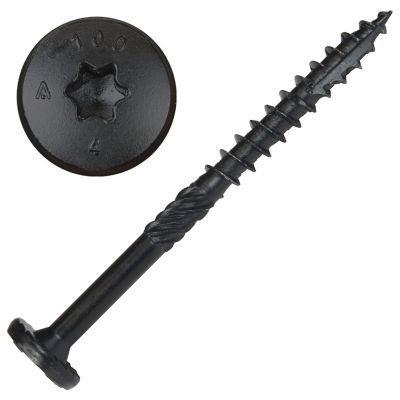
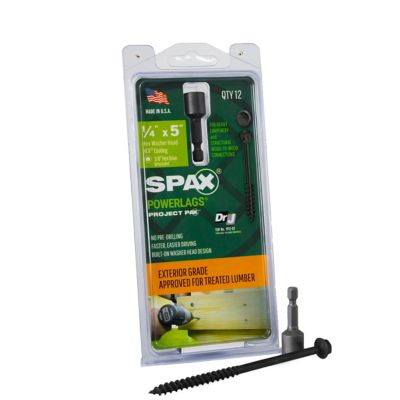
$11
.69
Sale Was $12.99 Save $1.30 (10%)
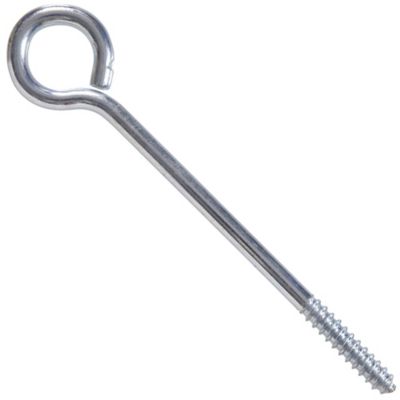
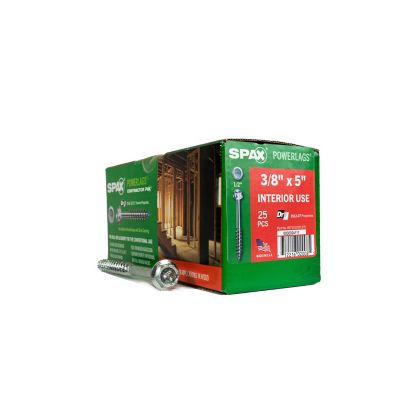
$29
.69
Sale Was $32.99 Save $3.30 (10%)
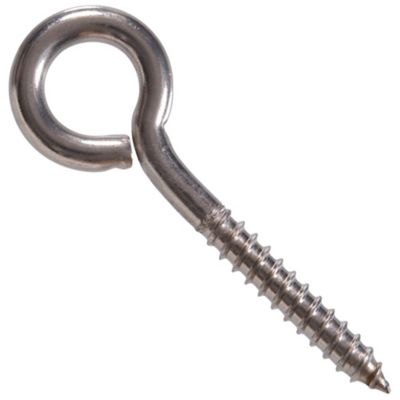
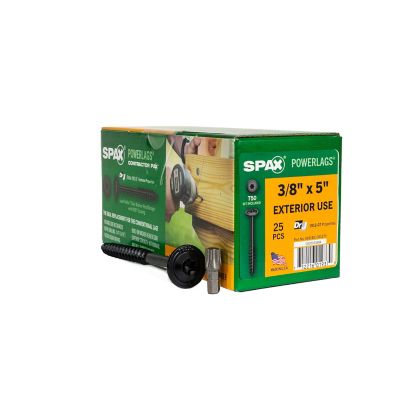
$34
.19
Sale Was $37.99 Save $3.80 (10%)
$32
.39
Sale Was $35.99 Save $3.60 (10%)
$242
.99
Sale Was $269.99 Save $27.00 (10%)
$449
.99
Sale Was $499.99 Save $50.00 (10%)
$26
.99
Sale Was $29.99 Save $3.00 (10%)
$328
.49
Sale Was $364.99 Save $36.50 (10%)
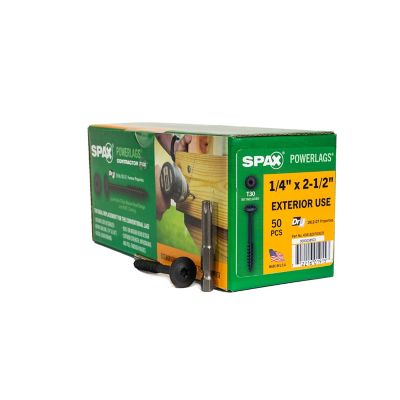
$21
.59
Sale Was $23.99 Save $2.40 (10%)
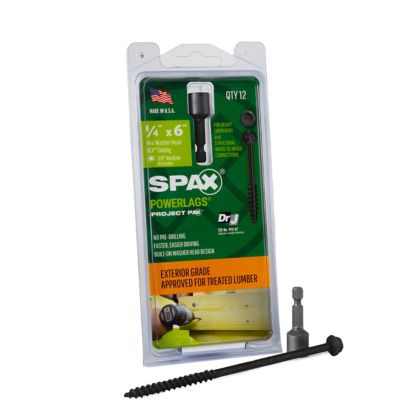
$12
.59
Sale Was $13.99 Save $1.40 (10%)
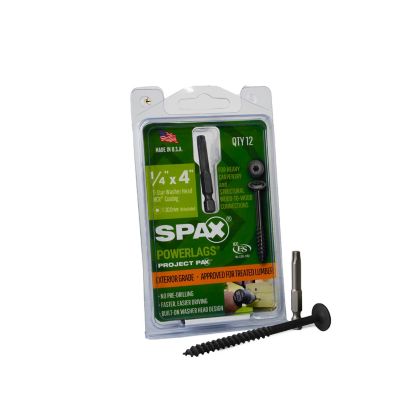
$9
.89
Sale Was $10.99 Save $1.10 (10%)
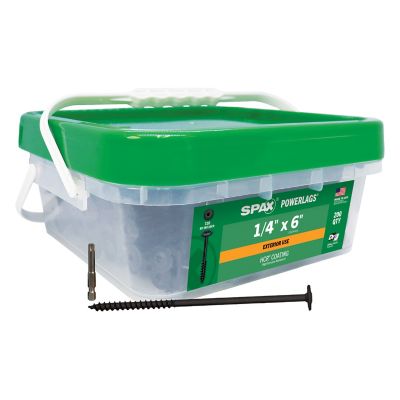
$98
.99
Sale Was $109.99 Save $11.00 (10%)
Best Of FAQ
What is a lag screw?
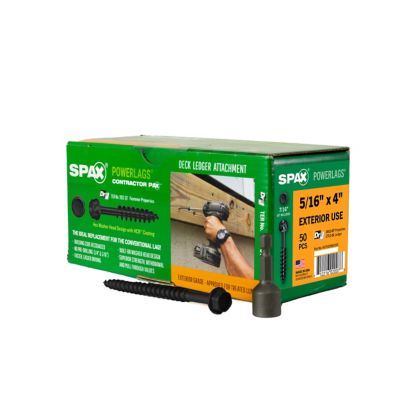
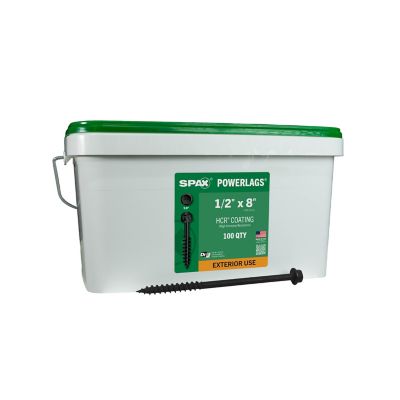
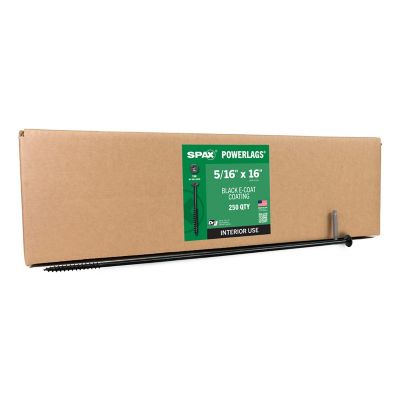
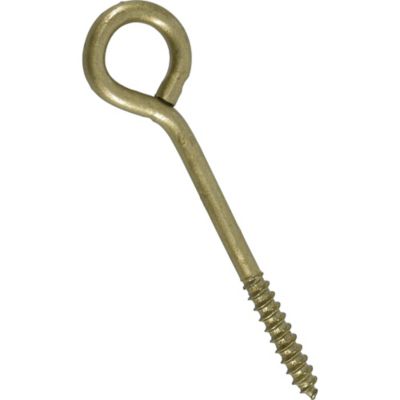
A lag screw is a threaded fastener with a pointed tip and coarse threads that grip wood. It’s a common fastener for joining lumber or attaching hardware to wood on farm, fence and building projects.
Are lag screws and lag bolts the same thing?
Yes, folks often call lag screws “lag bolts.” Despite that name, a lag screw typically threads directly into wood rather than passing through a hole and fastening with a nut.
How do lag screws differ from machine screws?
Lag screws have coarse threads intended to engage wood. Machine screws have uniform threads that mate with a matching nut or a threaded hole in a part.
What’s the difference between fully threaded and partially threaded lag screws?
Fully threaded lag screws have threads along nearly the entire shank. Partially threaded lag screws have a smooth section below the head, with threads running toward the tip.
What tools turn lag screws?
Lag screws commonly have an external hex head that turns with a wrench, socket or nut driver rather than a standard screwdriver bit. Match the tool to the fastener’s head style.
Best Sellers
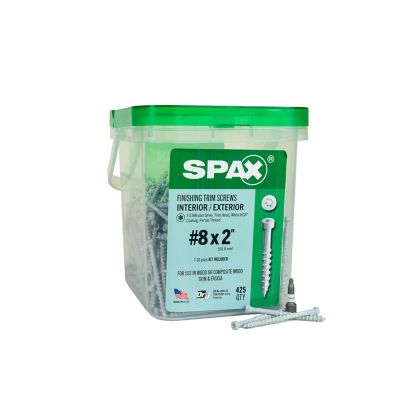
-
"Bought a container to try out, looks great and feels like they will last a long time"
-
"Quality is great , sturdy , was able to drill in and back it out with out it snapping"
-
"Great reliable product"
-
"Great screws. Nice drill bit tip. Star drive resists stripping head"
-
"The help when my package was lost in travel was the best very nice and helpful"