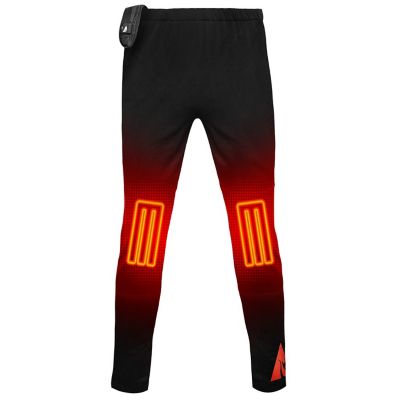
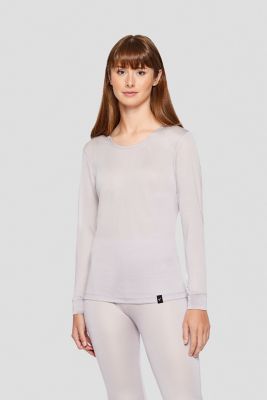
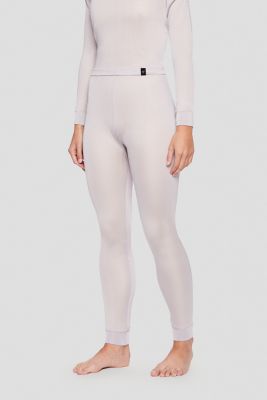
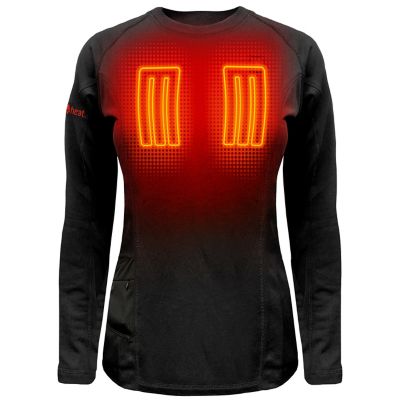
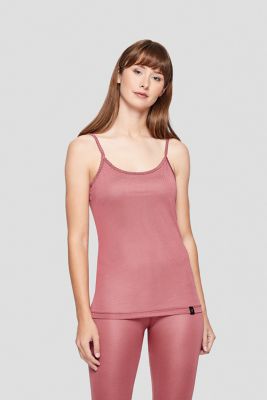
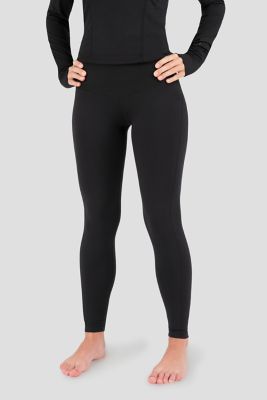
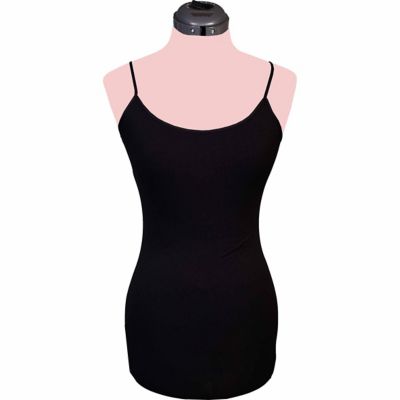
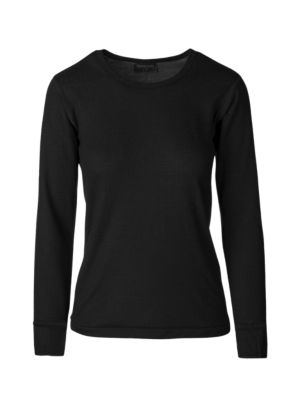
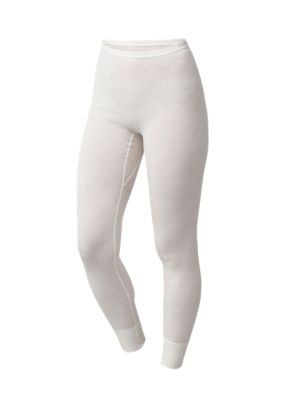
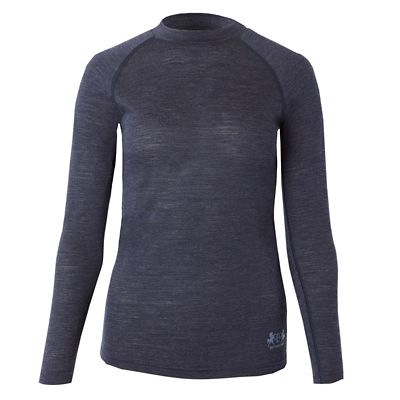
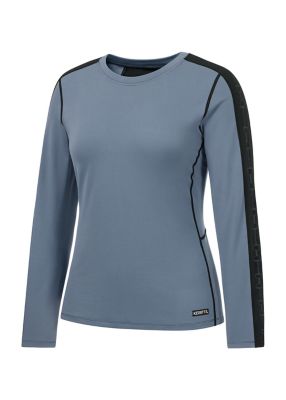
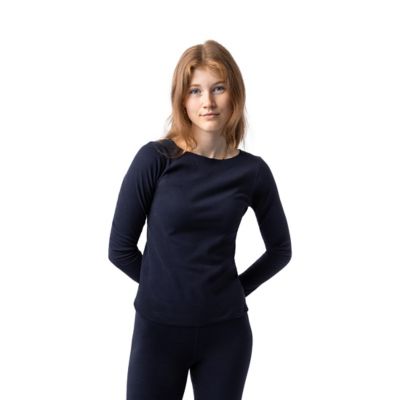
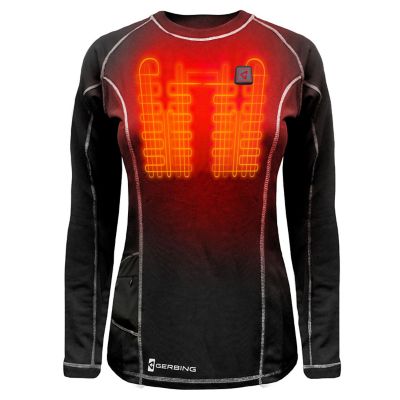
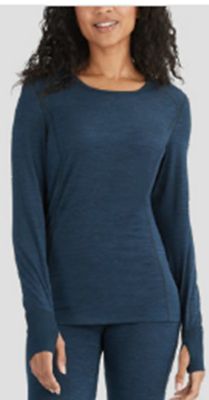
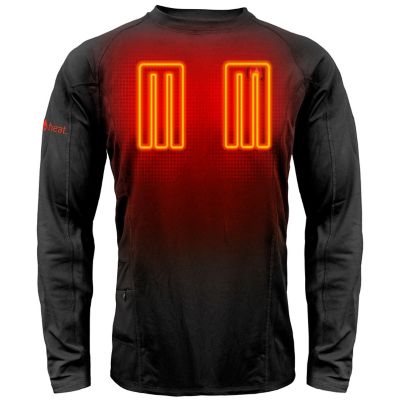
Ladies’ base layers are close-fitting tops and bottoms worn next to the skin to help manage moisture and provide a foundation for layered clothing. For women feeding livestock, walking fence lines, hunting or spending a day on the trail, that first layer can make a real difference in comfort. Its job is not simply to feel thick or fuzzy; it should help move perspiration away from the skin so damp fabric does not linger against the body when activity slows down. Material matters here. Polyester base layers typically dry quickly and work well for chores or recreation that involve steady movement. Nylon can add strength and abrasion resistance, while a small amount of spandex provides stretch for bending, reaching and climbing into a truck. Merino wool offers breathable insulation and naturally resists odor, making it a practical choice for long days outdoors or repeated wear between washes. Fine merino fibers often feel softer than coarser wool, although comfort against the skin depends on the fabric and the wearer’s sensitivity. Wool-and-synthetic blends balance wool’s temperature-regulating properties with the stretch, drying performance or strength of other fibers. Cotton thermals can feel comfortable for lounging and light activity, but cotton absorbs moisture and dries slowly, making it less suited to sweaty work in cold conditions. Fabric weight is another useful comparison. Lightweight base layers generally suit active outings and layering beneath closer-fitting clothing; midweight fabrics offer more insulation for mixed activity; heavyweight fabrics lean toward colder conditions and longer stretches of sitting or standing. When fabric weight appears in grams per square meter, or GSM, roughly 130–165 GSM often signals a lightweight fabric, 200–250 GSM commonly falls in the midweight range, and 300 GSM or more indicates a heavier option. These ranges are not universal standards, and fiber content, knit construction and the rest of an outfit also affect warmth.
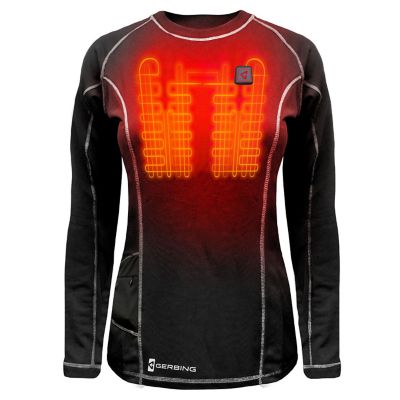
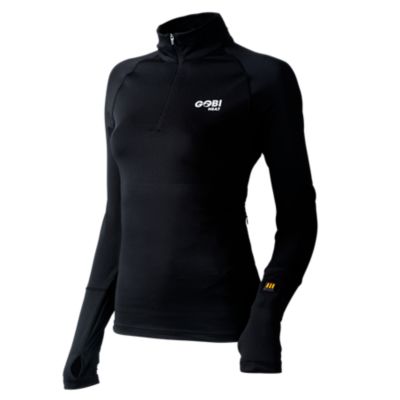
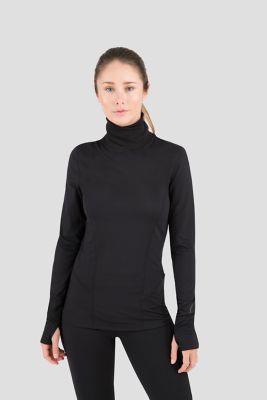
The best fit for women’s base layers stays close to the body without squeezing, pinching or limiting movement. Fabric that hangs away from the skin may not manage moisture as effectively, while an overly tight fit can pull at the shoulders, dig into the waist or bunch behind the knees. A comfortable cut leaves room to squat beside a feed tub, reach an overhead latch and sit behind the wheel without constant adjusting. Stretch and recovery help garments keep their shape through that movement, but fabric feel and seam placement deserve attention, too. Flat seams or low-profile stitching can reduce rubbing beneath a waistband, backpack strap or pair of bib overalls. Shoulder seams that sit away from pressure points may feel better during longer outings, and a smooth fabric surface can slide beneath work shirts and pants with less catching. Tops come in crew-neck, mock-neck and zip-neck shapes, each with a different balance of coverage and ventilation. A crew neck fits easily beneath many everyday shirts, while a higher neckline covers more skin. A partial zipper provides an opening for releasing heat without removing the whole layer. For a closer look at this part of a layering setup,
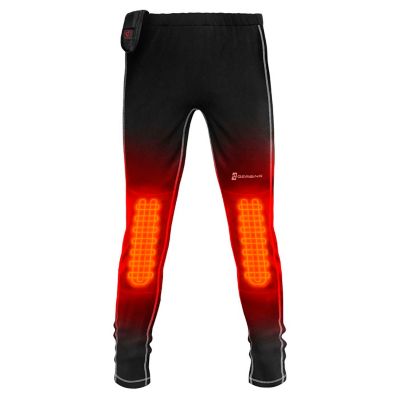
Women's Thermal Tops covers the upper-body side of cold-weather dressing. Sleeve length and torso coverage matter when reaching or bending, especially when a shirt needs to stay tucked. Base layer bottoms should sit comfortably beneath jeans, work pants or insulated coveralls, with a waistband that stays put without digging in. Full-length cuts offer coverage to the ankle, while shorter lengths can reduce fabric overlap beneath tall socks or boots. A smooth transition between leggings and socks helps prevent folds that press against the leg. Size charts and garment measurements are more useful than assuming every cut fits the same way, particularly when comparing fitted stretch fabrics with looser thermal knits.
A practical layering setup matches the work ahead rather than relying on the thickest fabric alone. Hauling hay or hiking uphill generates more body heat than watching a deer trail or waiting beside a livestock pen, so the same base layer will not feel identical in every setting. A lighter, moisture-managing foundation can suit active work beneath an insulating middle layer and a wind-resistant outer shell. For lower-exertion outings, additional insulation elsewhere in the outfit may be more helpful than squeezing several tight layers together. Base layers do not replace protective workwear, rainwear or an outer garment suited to the conditions. They work underneath those pieces, helping keep the next-to-skin layer comfortable as effort changes. Everyday wear matters, too: a smooth pair of thermal bottoms can fit beneath chore pants, and a soft top can move from morning barn rounds to a quiet evening indoors. For gifting, familiar sizing, preferred necklines and sensitivity to wool are worth knowing; easy-moving fabrics and straightforward care can make a set a thoughtful choice for someone who spends plenty of time outside. Regular care helps preserve fit, fabric feel and moisture performance. The care label takes priority because wool, synthetics and blends can require different wash and drying methods. Many base layers benefit from a gentle wash with similar fabrics, and keeping them away from open zippers or hook-and-loop fasteners can limit snags. Fabric softener can interfere with moisture management in some performance fabrics, while excessive dryer heat can affect stretch fibers or shrink certain materials. Wool may call for a wool-friendly detergent and flat drying, depending on the garment. Letting layers dry fully before putting them away helps prevent lingering dampness and odors. Smooth seams, sound stitching, resilient stretch and fabric suited to the intended activity all contribute to a layer that holds up through repeated wear. Those details help make ladies’ base layers a useful starting point for getting dressed for work and time outdoors.