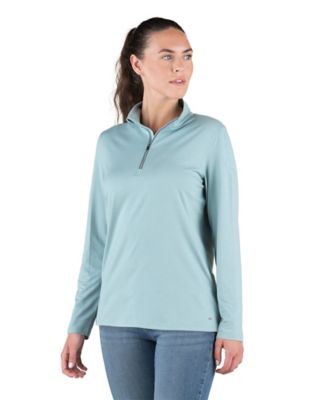
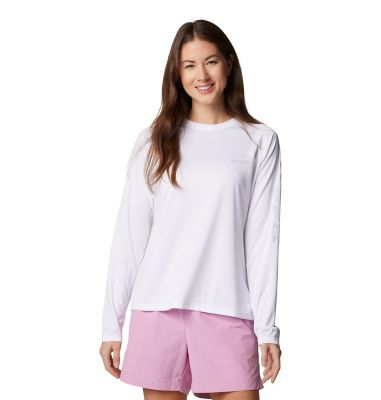
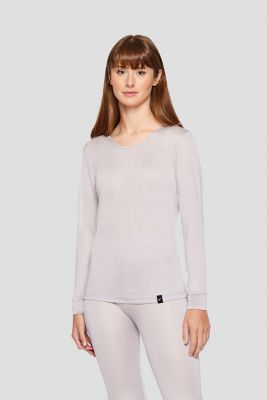
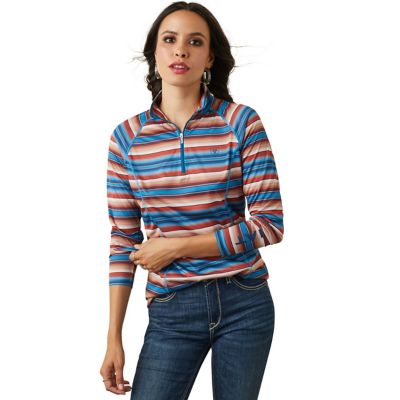
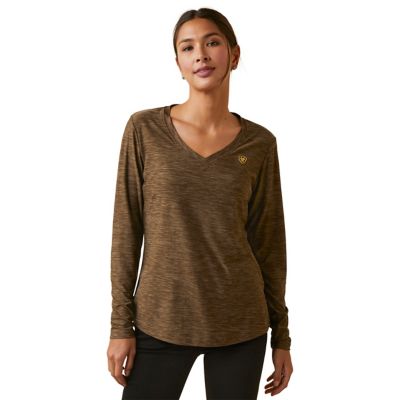
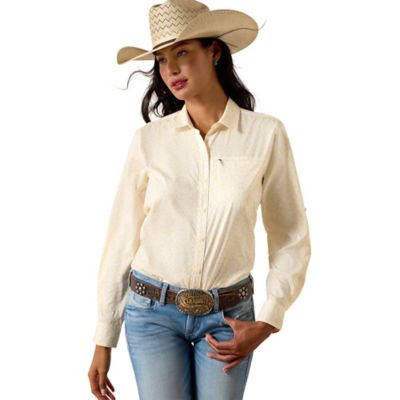
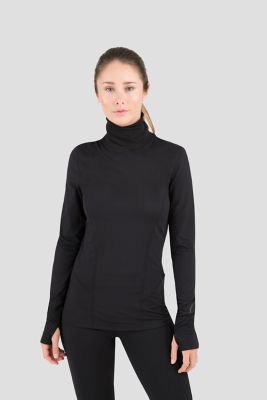
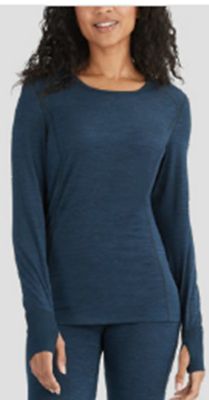
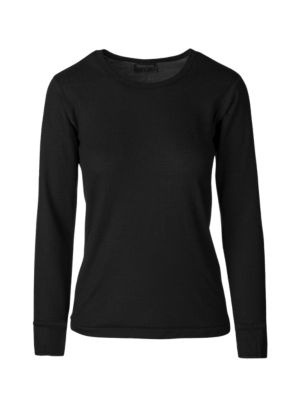
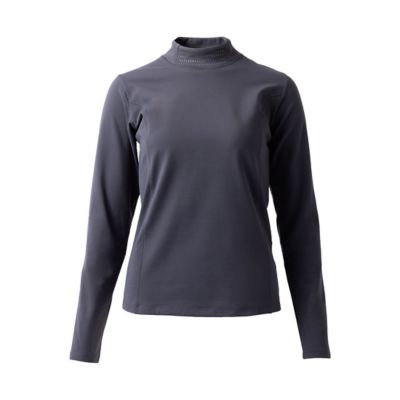
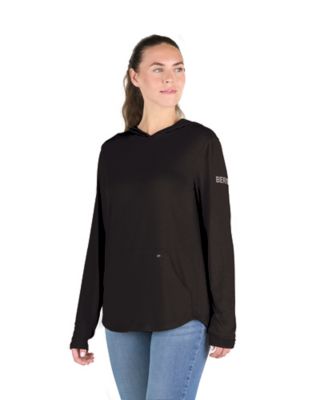
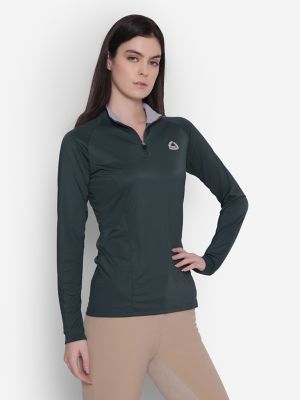
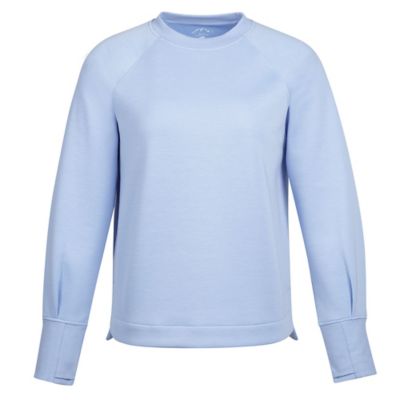
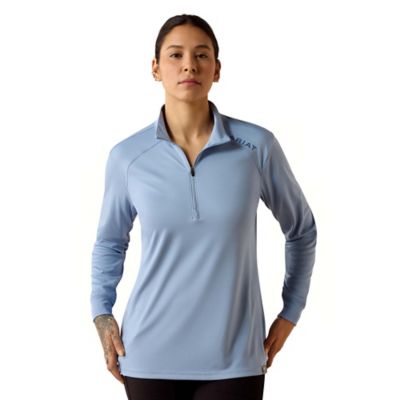
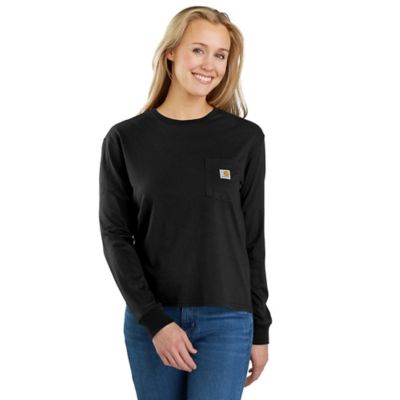
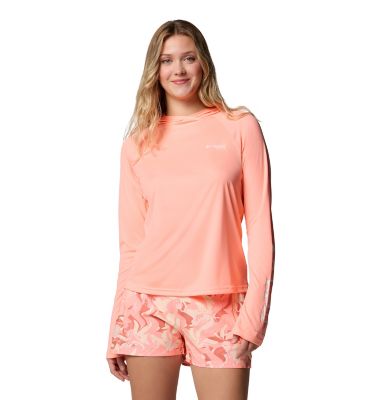
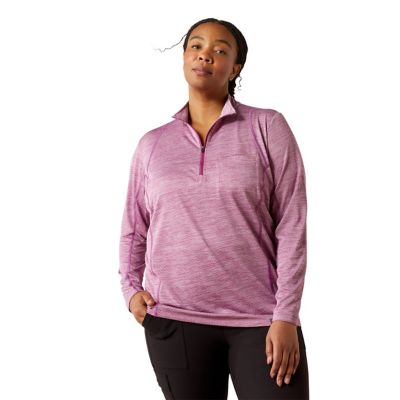
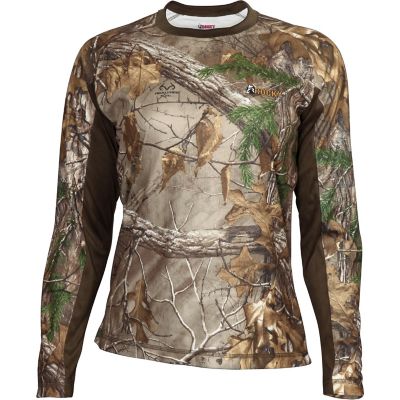
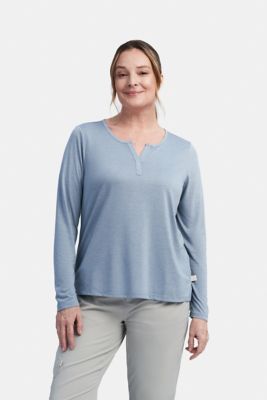
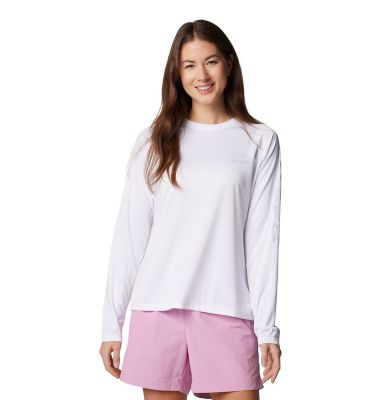
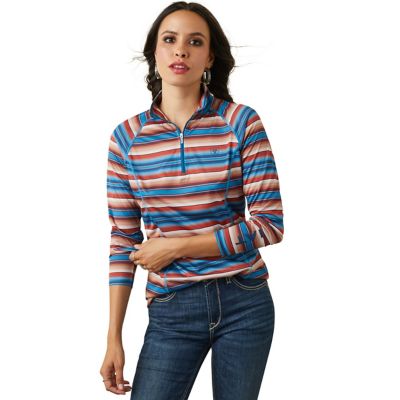
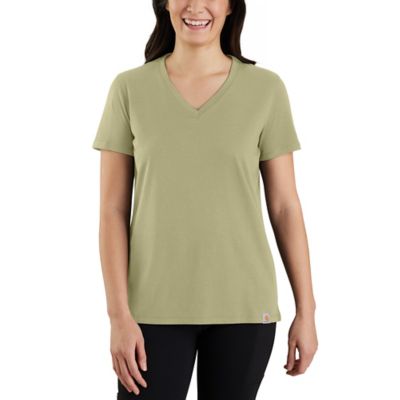
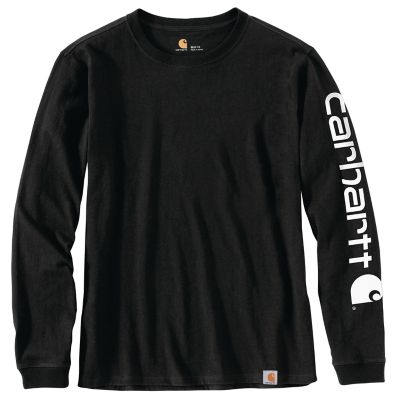
Women’s long sleeve running tops bring arm coverage, freedom of movement, and sweat management to everyday miles, whether the route follows a gravel lane, loops around the local park, or stays on a treadmill. The best match depends on how the fabric feels in motion, how the shirt sits through the shoulders, and how much coverage the runner prefers. A top that feels comfortable standing still should also let the arms swing without pulling across the back or bunching under the armpits. Lightweight polyester is common in running apparel because it absorbs little water and generally dries faster than cotton. Nylon can add a smooth feel and resistance to abrasion, while elastane gives the fabric stretch for reaching, bending, and settling into a steady stride. Fiber percentages tell only part of the story: fabric weight, knit construction, and finishing treatments also affect how a shirt handles a sweaty workout. Moisture-wicking fabric helps move perspiration away from the skin toward the fabric’s outer surface, where it can evaporate; breathable construction lets air and moisture vapor pass through. Those features serve different purposes, and neither means a shirt will stay completely dry during a hard effort. Mesh panels or more open knit sections can help release moisture around the back and underarms without making the entire top feel loose or thin. Cotton-rich blends have a familiar, soft feel for walking, stretching, and easy activity, though they tend to hold moisture longer once saturated. Merino wool blends are another performance fabric option, offering moisture buffering and natural odor resistance, with care requirements that deserve a close look at the label. For a runner heading out after feeding the animals or fitting in a few miles before the day gets busy, the practical goal is simple: a shirt that moves easily and feels comfortable from the first step through the last stretch.
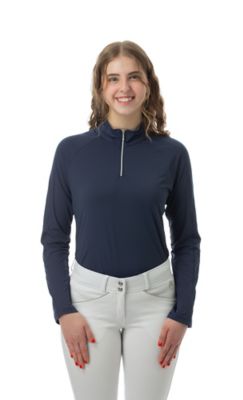
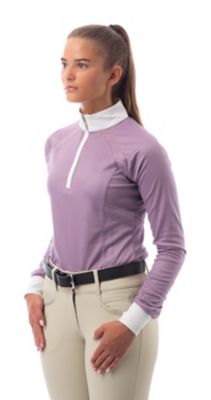
Fit makes a real difference in how women’s long sleeve running shirts perform over repeated miles. A close fit can limit excess fabric and sit smoothly beneath a running vest, but it should not squeeze the upper arms or tug across the chest. A relaxed cut leaves more room through the torso and may feel better for run-walk workouts, casual trail outings, or anyone who prefers a little breathing room around the waist. Neither cut is automatically better; shoulder placement, sleeve shape, and torso length matter as much as the size on the tag. Raglan sleeves and underarm gussets can give the arms more room to move, while flat seams or thoughtfully placed stitching may reduce rubbing where fabric meets skin. Seamless construction can reduce the number of seam lines, although comfort still depends on the fabric and fit. A smooth neckline matters on longer outings, especially where a collar edge meets a sports bra strap or a hydration vest. Crewnecks offer straightforward coverage, while zip-neck styles allow the neckline to open and can make the shirt easier to pull on or take off. Thumbholes help hold sleeves in place, but the sleeve needs enough length to avoid pulling against the thumb when the arms reach forward. Cuffs should sit comfortably without sliding over the hands or leaving deep marks at the wrist. A slightly longer back hem can maintain coverage when leaning into a hill, tying a shoe, or stretching beside the truck after a run. Side slits and shaped hems may help the shirt move over the hips instead of catching and riding up. Pockets, when included, are most useful when their placement and closure keep small essentials from bouncing. Reflective details can make a runner more noticeable when illuminated, but they are not a substitute for lights, additional visibility gear, or a route with safe footing and room away from traffic. These small construction details often matter more during a workout than they do on a hanger.
Long sleeve running tops earn their place in a regular workout rotation when they suit both the activity and the laundry routine. Smooth, light fabrics can feel barely there during steady runs, while more substantial knits may appeal to someone who wants a less revealing fit for the gym, a walking group, or strength exercises after a few miles. Stretch recovery helps elbows, cuffs, and hems return toward their original shape instead of staying baggy after movement. Closely finished stitching, even seams, and fabric that resists snagging are worth considering for repeated wear, especially when a shirt regularly sits beneath vest straps or brushes against rough surfaces. No performance fabric is immune to friction, and hook-and-loop fasteners, open zippers, and coarse laundry loads can be hard on fine knits. Following the garment’s care label helps protect its stretch and surface finish. Many synthetic performance tops do well with a gentle wash and low heat or air drying when the label permits. Turning shirts inside out and closing nearby zippers can reduce surface rubbing in the wash. Fabric softener may interfere with moisture-wicking performance, and too much detergent can leave residue, so laundry habits matter alongside fabric choice. Letting a damp shirt dry before it sits in a hamper can also help keep odors from settling in. For people building a mix of sleeve lengths for different activities and coverage preferences,
Women's Short Sleeve Workout Tops offer another option for gym sessions, walking, and running. Long sleeve styles can also make a thoughtful gift for a regular runner, a friend training for a first 5K, or someone who enjoys getting outside for a brisk walk down the lane. Knowing the recipient’s usual size, preferred neckline, and preference for fitted or roomy clothing makes the choice more personal. From short laps close to home to longer stretches on a rail trail, a well-matched running top supports the routine without needing constant sleeve adjustments, hem tugging, or attention that belongs on the miles ahead.