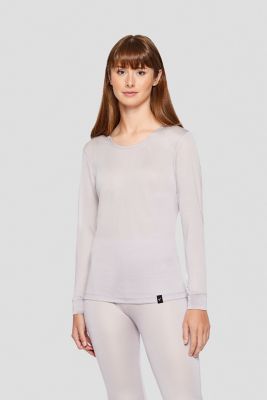
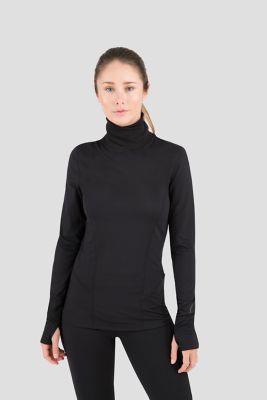
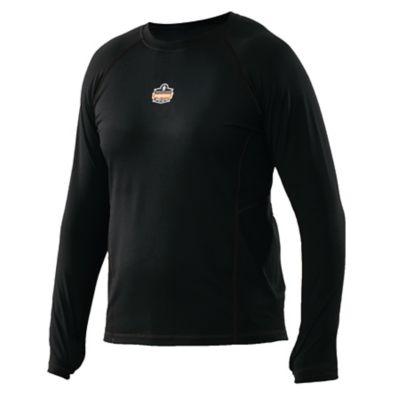
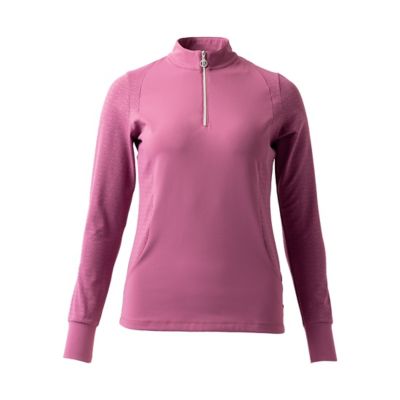
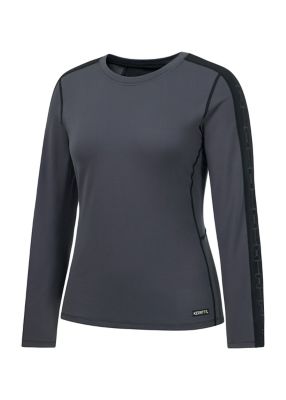
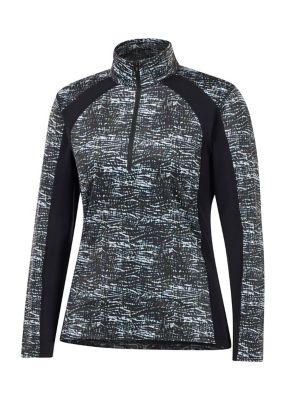
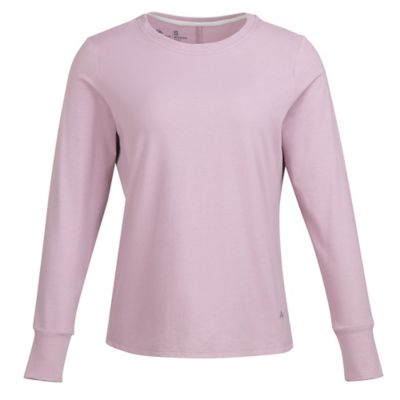
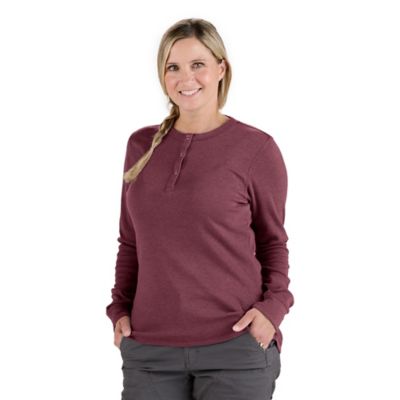
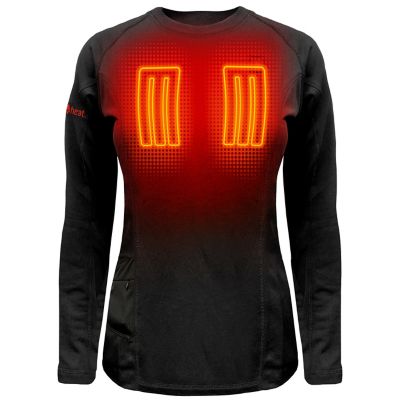
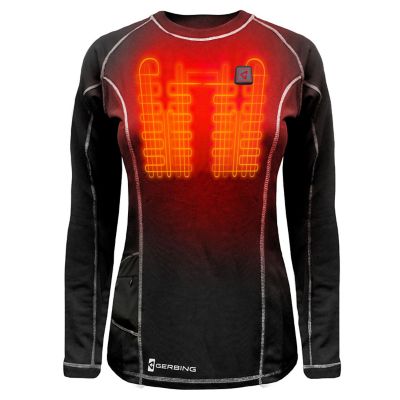
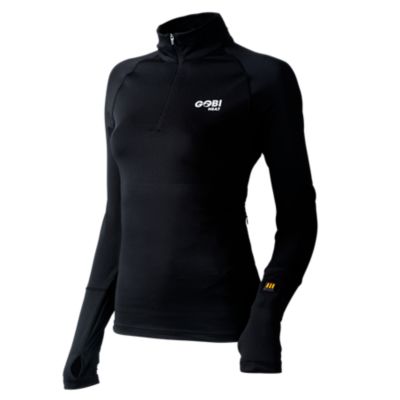
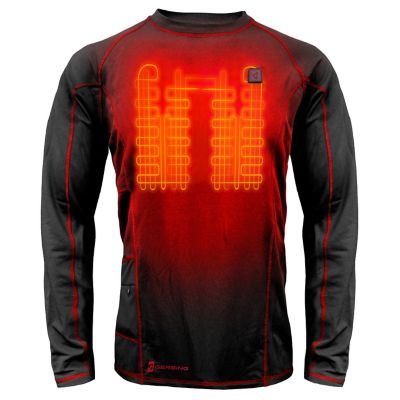
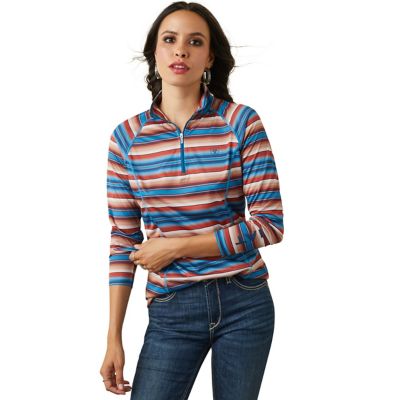
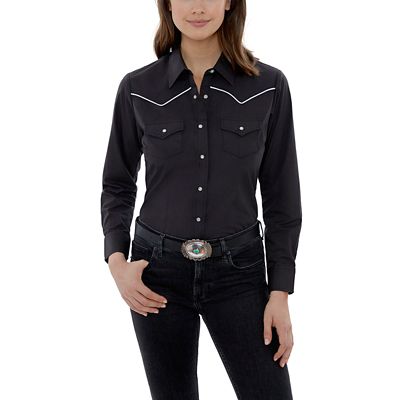
Women’s thermal long sleeve shirts add an insulating layer for cold mornings at the barn, outdoor chores and everyday wear when a regular tee isn’t enough. They’re often worn next to the skin beneath a flannel, sweatshirt or jacket, though some styles also work well on their own indoors. Their warmth comes from a combination of fabric, construction and fit rather than thickness alone. Waffle-knit fabrics have a textured surface that helps hold small pockets of air, while brushed interiors give certain thermal shirts a soft feel against the skin. Smooth-knit options can slide easily under other clothing without the extra texture of a heavier knit. Cotton offers a familiar, comfortable feel for light activity, relaxing at home or running errands, but it absorbs moisture and takes longer to dry than many synthetic fabrics. Polyester and other synthetic blends are common choices for more active wear because certain constructions help move perspiration away from the skin and dry more quickly. Wool, including merino wool, can help manage moisture and resist odor, although its feel and care needs vary by garment. A little stretch in the fabric can make reaching, bending and carrying easier without leaving the shirt feeling restrictive. Fabric weight matters, too: a lighter thermal can provide a comfortable first layer beneath work clothes, while a heavier knit may suit less active time outdoors. No thermal shirt replaces a wind-blocking outer layer when gusts are coming across an open pasture. Instead, it works as part of a clothing system that can be adjusted as the day’s tasks change. For someone moving between a feed room, an open yard and a heated truck cab, that flexibility can be more useful than simply picking the thickest shirt. The right balance depends on how much movement the day involves, what goes over the shirt and how warm the wearer tends to run.
Fit makes a real difference in how women’s thermal long sleeve shirts feel through a full day. A close-fitting base layer should sit near the body without pulling across the shoulders, pinching under the arms or making it hard to take a full breath. That closer shape helps it fit beneath another shirt without folds bunching at the waist or elbows. A relaxed cut leaves more room for everyday wear and can feel comfortable on its own, though extra fabric may gather beneath a snug jacket. Across the broader category of
women’s thermal tops, sleeve length, body length and neckline all affect how a layer works with the rest of an outfit. Sleeves that reach the wrists help prevent a gap between gloves and cuffs when carrying buckets or holding a fence gate open. Cuffs that stay in place can also keep sleeves from creeping up inside a coat. A longer hem offers extra coverage when bending to fill a pet bowl or reaching for something on a shelf, and it may stay tucked more easily beneath work pants. Crew necks provide coverage at the collar, while lower necklines can stay less noticeable beneath an open flannel. Higher necklines add coverage but need enough room to feel comfortable under a jacket collar. Flat seams or thoughtfully placed seams can reduce rubbing beneath shoulder straps and other layers, especially during longer stretches of wear. A practical fit check includes reaching forward, lifting both arms and bending at the waist rather than judging the shirt only while standing still. The fabric should move with the body and settle back into place without constant tugging. Size labels alone don’t tell the whole story, since cuts and stretch levels differ. Garment measurements and fit descriptions offer a better sense of whether a shirt will feel close, roomy or somewhere between the two.
Everyday thermal shirts need to handle repeated wear, washing and the friction that comes from layering. Closely finished seams, even stitching and cuffs that recover after stretching are useful details to look for when comparing construction. Fabric that feels substantial isn’t automatically warmer or better suited to every task; a lighter shirt that fits comfortably beneath workwear may get more wear than a heavy one that bunches at the shoulders. Care requirements are worth checking before settling on a material, especially for clothing headed into a regular laundry rotation. Cotton-rich shirts may shrink with heat, wool may need a gentler wash cycle, and stretch fabrics can lose some recovery when exposed to excessive dryer heat. The garment’s care label is the best starting point for washing and drying. Some moisture-managing fabrics also call for avoiding fabric softener, which can interfere with their performance. Giving shirts enough room to dry fully before putting them away helps keep the next layer ready for wear. Washing with similar fabrics and keeping exposed hook-and-loop fasteners away from knits can help limit snags and surface wear. Intended use matters just as much as laundry habits. A thermal for brisk walks, hauling feed or stacking firewood may need a different balance of warmth and breathability than one for sitting in the bleachers or spending an evening at home. For stop-and-start chores, layers that can be removed before perspiration builds up make temperature changes easier to manage. Women who spend time tending animals, walking dogs, working outdoors or traveling between indoor and outdoor spaces can all find a place for a thermal long sleeve shirt in their clothing rotation. It can also make a thoughtful gift for someone who appreciates practical clothing, especially when their preferred fit, fabric feel and care routine are already known. Whether tucked beneath chore clothes or paired with comfortable pants after the work is done, a well-chosen thermal should feel easy to move in, comfortable against the skin and suited to the job ahead.