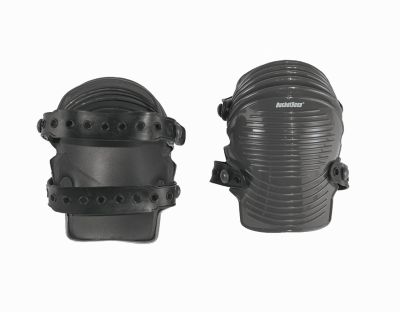
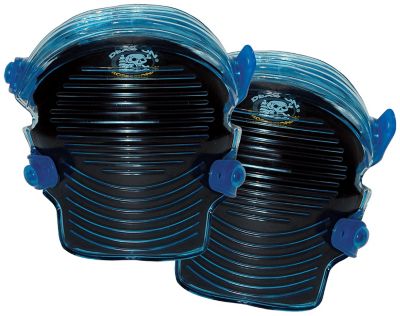
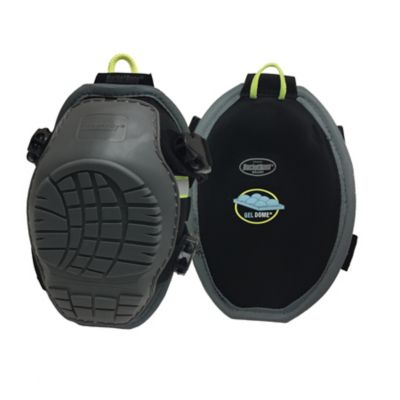
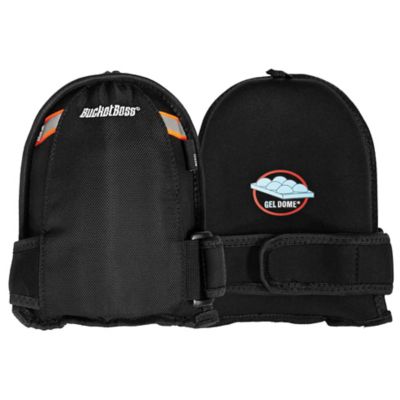
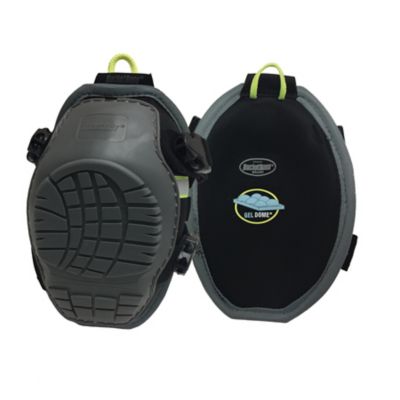
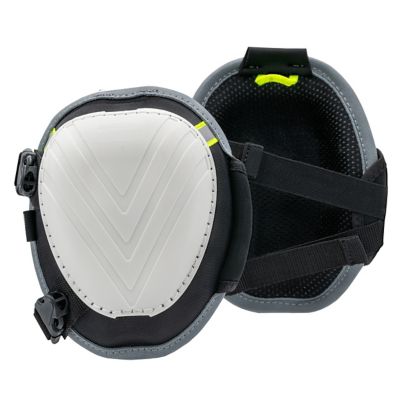
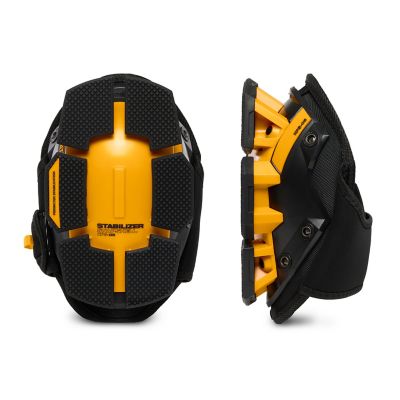
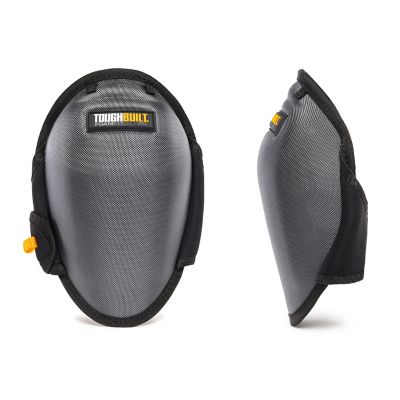
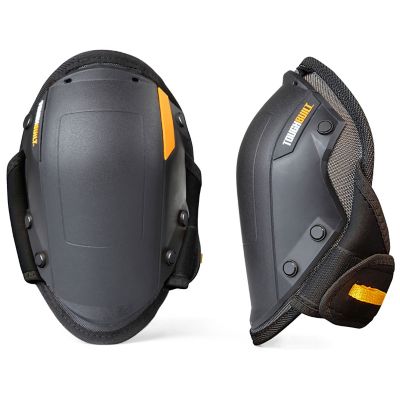
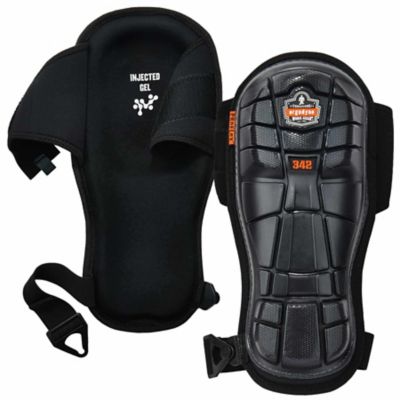
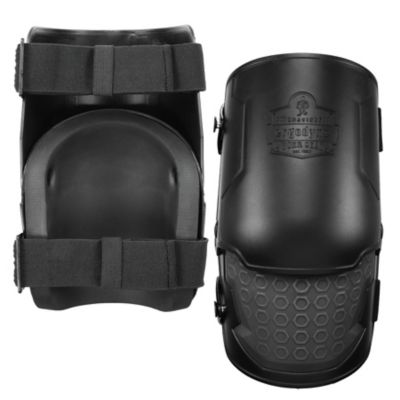
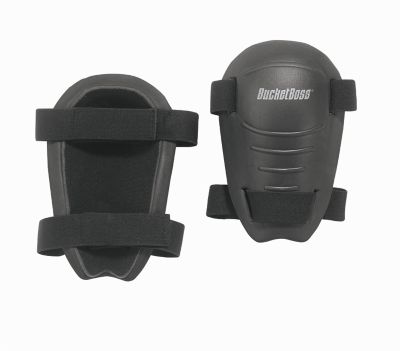
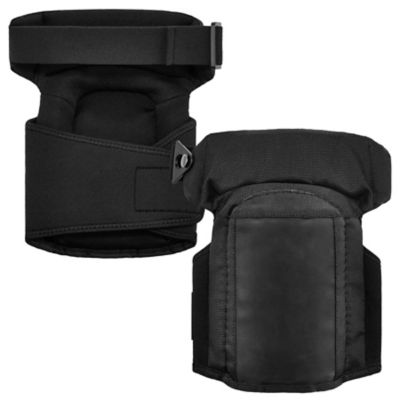
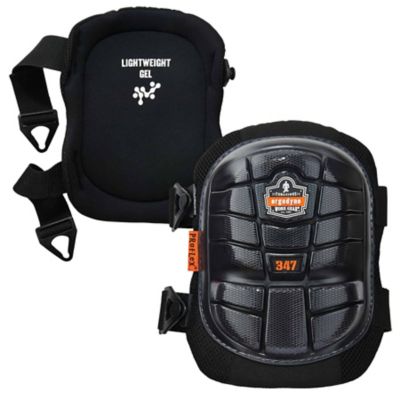
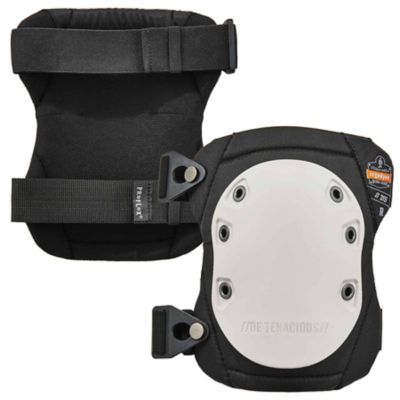
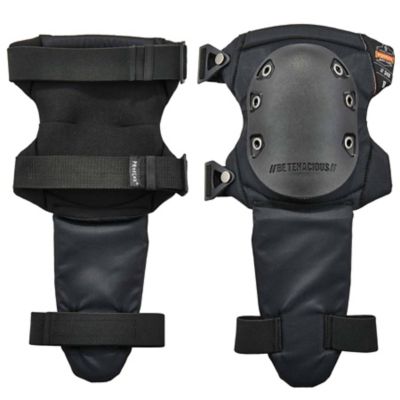
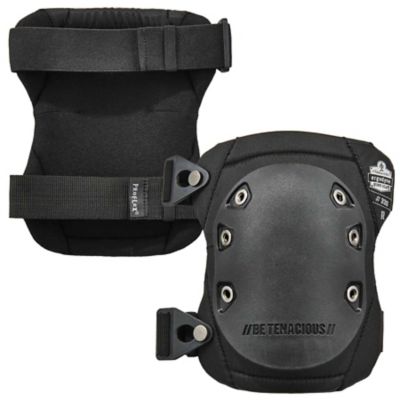
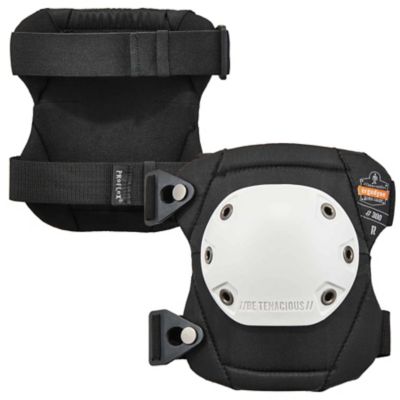
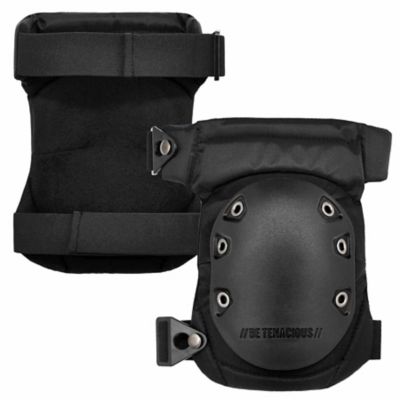
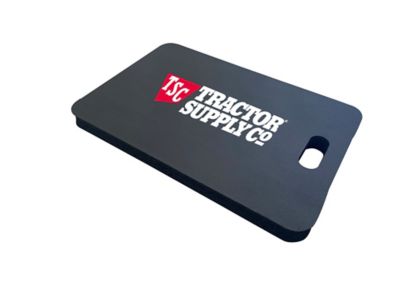
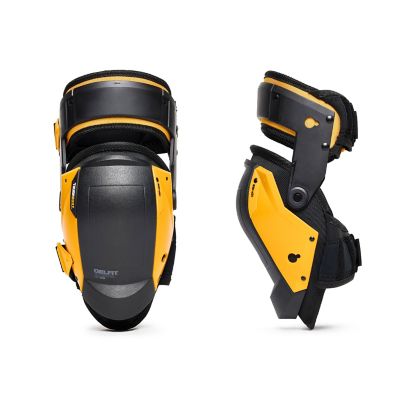
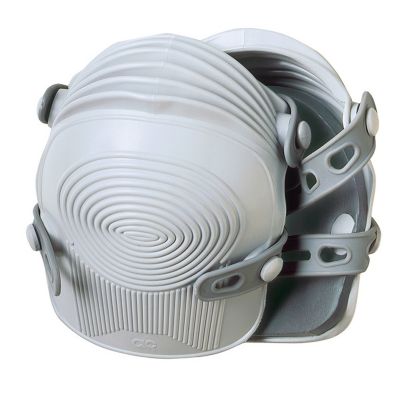
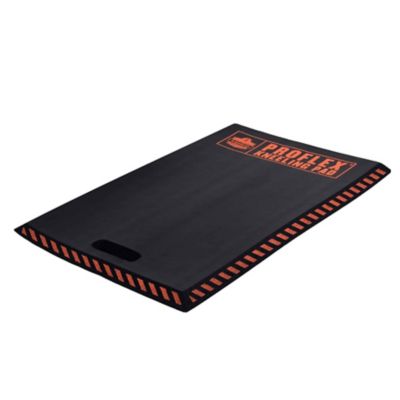
Knee pads for roofers have two jobs: cushion the knee and give it a steady place to rest against the roof surface. Both matter when a quick flashing repair turns into a long stretch on one knee, or when a row of fasteners means kneeling, standing and moving over again and again. The face of the pad is a good place to start. Textured rubber can provide traction on coarse asphalt shingles, while a flexible fabric face may suit work that calls for a pad that bends easily as the knee moves. A smooth, hard cap that slides readily across an indoor floor may not be a good match for sloped roofing. On a low-slope roof, a broad pad with more cushioning can spread out pressure during longer stretches of kneeling. On a steeper roof, surface grip and a fit that keeps the pad from rolling to the side deserve a close look. Even a pad with plenty of grip is not fall protection, and a pad that holds well on shingles won’t necessarily grip the same way on smooth metal. For painted panels, tile or roof membranes, look for a face intended for that surface and check the roofing maker’s guidance on contact materials. A softer face can help limit scuffing, but grit caught in the pad can still mark a finished panel. And no knee pad makes a fragile tile a safe place to put weight. For crews that split their time between shingle repairs on a farmhouse and flashing work on a metal barn roof, that difference in surface may matter more than how thick the pad looks. It also helps to think about how much of the job is spent in one spot. Setting flashing around a vent puts steady pressure on one knee, while moving along a run of panels calls for a pad that stays centered through repeated bends and shifts.
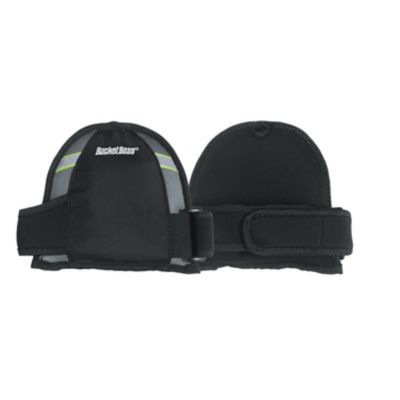
Padding and strap placement make the difference between a pair that stays on for the job and one that keeps getting tugged back into place. Dense sponge rubber offers a firmer feel under a kneeling load, while closed-cell foam, including EVA foam, can give some cushion without adding much weight. Gel and foam combinations can spread pressure over a wider area, though some feel heavier when there’s more walking than kneeling. Thickness alone doesn’t tell the whole story. A thick, soft pad can compress enough to let the knee feel the surface underneath, while a firmer pad may hold its shape better through a long stretch in one spot. Look for enough coverage that the knee stays on the cushion when reaching to the side, without so much width that the pad catches on a pant leg or gets in the way when standing. Checking the fit at ground level over the work pants that go on the roof can tell more than checking it with a straight leg. The pad should sit over the kneecap in a full bend without twisting, creeping down the shin or pulling tight in the crease behind the knee. A strap that wraps lower around the calf can leave that crease clear, and wider straps can spread tension instead of digging into one narrow spot. Buckles can hold a consistent setting, while hook-and-loop closures make it easy to fine-tune the fit over thicker fabric. Some pads have grooves or channels on the inside to let air move against the leg. That’s a comfort feature, not a sign that the pad can handle contact with hot roofing materials. If heat resistance matters for the job, check the maker’s stated limits separately. A snug fit should keep the pad centered without needing to cinch the straps hard. If it only stays put when a strap bites into the back of the leg, a different shape or strap layout makes more sense than tightening it another notch.
Roof grit, repeated flexing and the pull of the straps all leave their marks over time. Reinforced stitching around the strap anchors can help those spots hold up, and an outer face that wraps around the edges gives the cushion some protection when the side of the pad brushes the roof. Between jobs, brushing loose granules off the face and clearing fuzz and grit from the closures can keep a pair working as it should. Follow the maker’s care directions for anything more than a brush-off or wipe-down, especially if there’s sealant on the pad. Let the pads dry before tossing them back in a tool bag, and avoid leaving them crushed under heavier gear that can flatten the cushion. A face worn smooth, a split seam or a closure that lets go when the knee bends is worth catching on the ground rather than halfway through a repair. A pad can also look fine on the outside but have a flattened spot right where the kneecap bears down. Those wear checks matter whether the pads go out with a roofing crew every day or come along for occasional maintenance on barns and outbuildings. For work that moves indoors,
Knee Pads For Electricians covers another kind of kneeling, where getting low beside a wall or working over a finished floor can matter more than grip on a roof. Keeping roofing pads separate from pads worn indoors also keeps shingle grit from following the crew onto flooring. For roof work, the fit comes down to whether the pad stays centered through an ordinary run of kneeling, reaching and standing, with a face suited to the roof and enough cushion left when the knee is fully loaded.