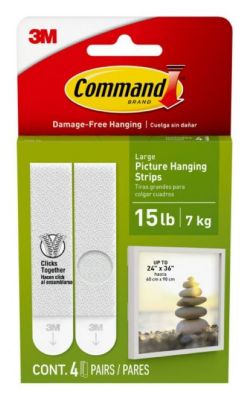
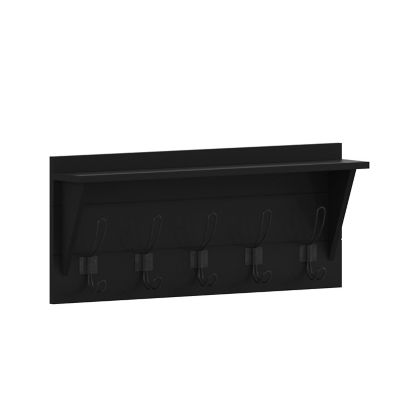
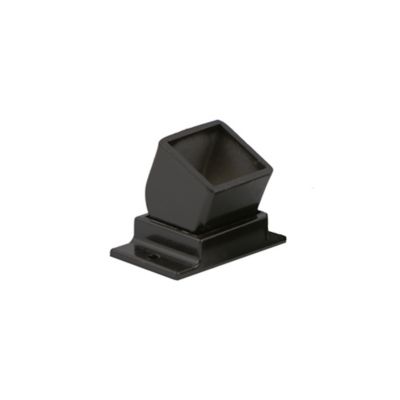
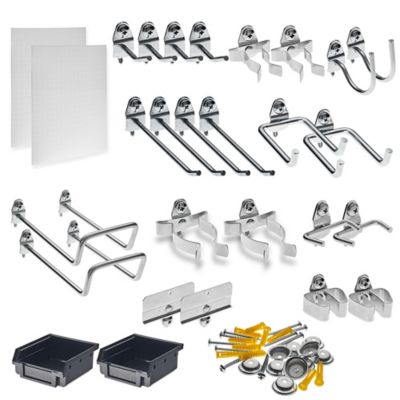
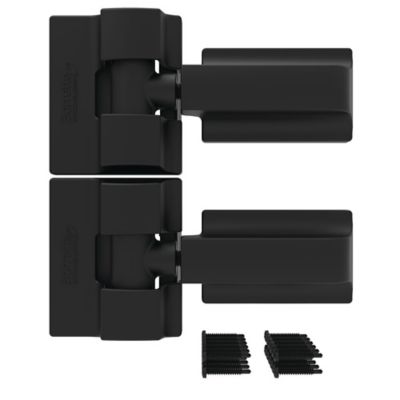
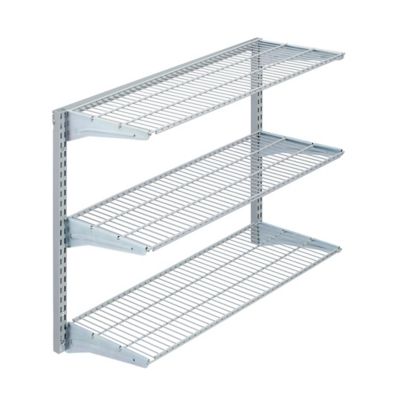
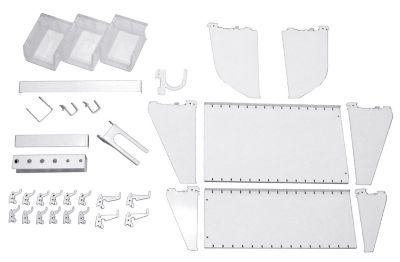
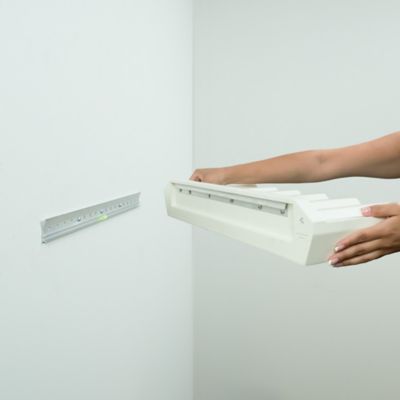
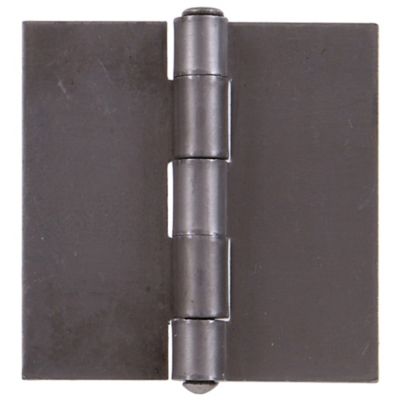
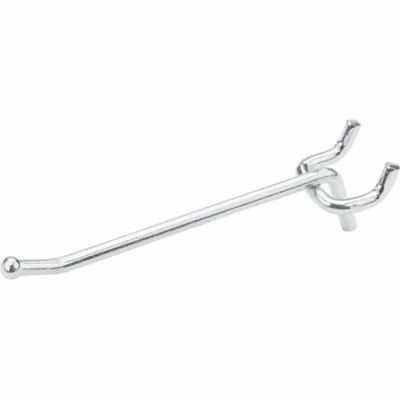
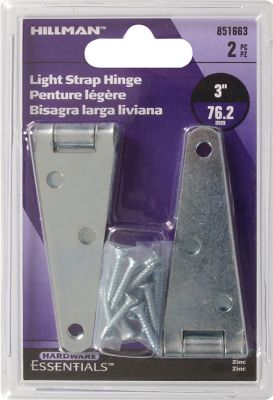
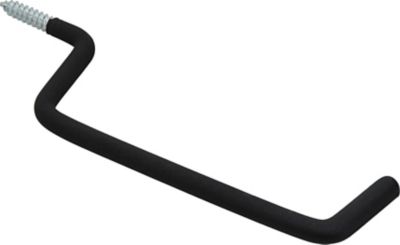
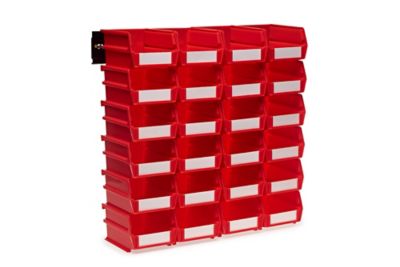
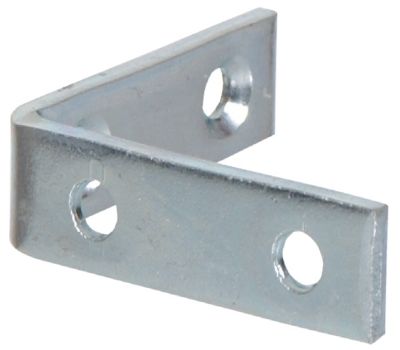
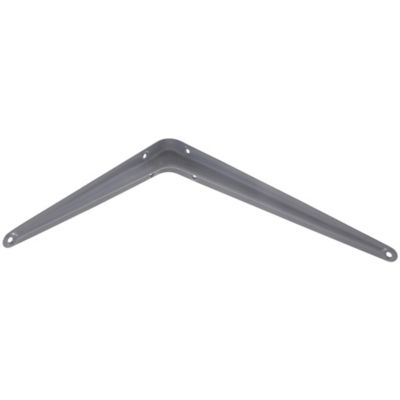
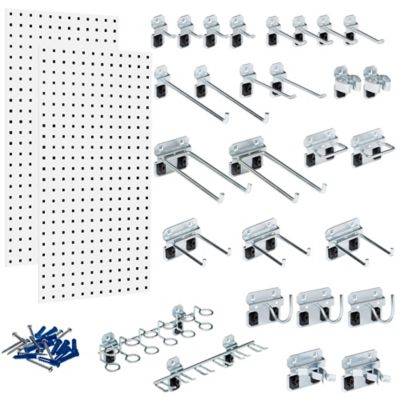
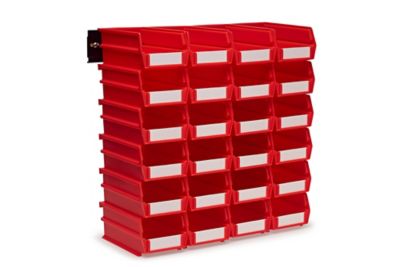
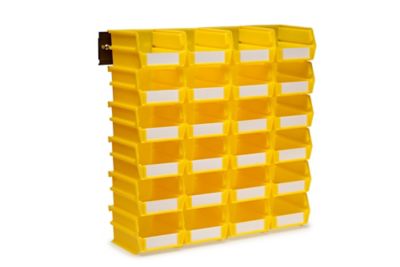
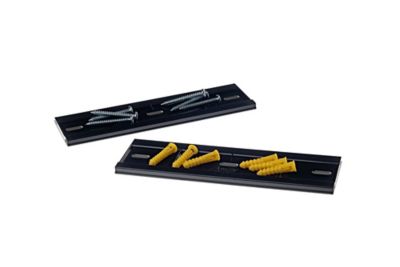
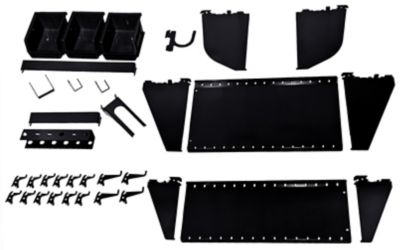
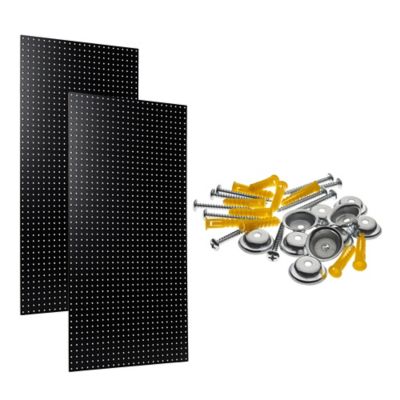
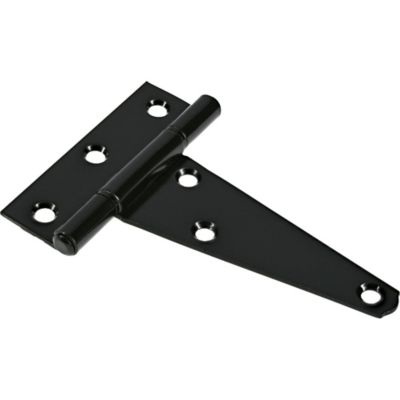
Wall hardware includes the fasteners, anchors, brackets, hooks, and supports that attach belongings to a wall and help keep them in place. These small parts do a lot of work around a farmhouse, garage, workshop, or utility room, whether they’re holding a family photo above a bench or supporting shelves filled with everyday supplies. The right match depends on the wall material, the weight being supported, and how far that weight sits out from the wall. Drywall, plaster, wood framing, concrete, and brick each call for different fastening methods; a fastener suited to one surface may not hold properly in another. Drywall anchors provide support where suitable framing isn’t available, while screws designed for wood can secure compatible mounting hardware directly to wooden studs. Hollow-wall anchors, including toggle designs, spread their load behind the wall surface, but their ratings still depend on the wall’s thickness and condition. Masonry anchors are intended for compatible concrete or masonry surfaces, with requirements that differ from those for wood or hollow walls. Wall hooks and shelving brackets provide the visible support, while the fasteners behind them complete the connection. Adhesive mounting hardware serves a different purpose, offering a fastening option for lightweight belongings on approved surfaces without drilled holes. Its suitability depends on surface finish, preparation, load limits, and removal directions rather than adhesive strength alone. For a small frame in a hallway, a compact hanger may be all the mounting arrangement calls for. A shelf carrying jars, books, or shop supplies involves more weight and leverage, so the brackets, fasteners, and supporting wall all matter. Published load ratings are most useful when they identify the wall material and installation conditions behind the number. Adding more anchors doesn’t automatically multiply the capacity of a mounting arrangement, and the weakest part of the connection can limit what the whole setup will hold. That makes wall hardware a practical match-the-job purchase, not simply a matter of choosing the largest screw or heaviest-looking bracket.
Materials and dimensions help narrow that match. Steel is common in wall mounting hardware because it provides strength in compact shapes, while stainless steel and certain protective finishes offer corrosion resistance where dampness or frequent cleaning is a concern. Plastic anchors can suit lighter-duty applications when their stated ratings cover the wall and load involved. Metal anchors serve a range of applications, but metal alone doesn’t establish how much an anchor can support. Construction, engagement with the wall, and compatibility with the fastener are just as important. On visible hardware, finish also affects how the installation looks alongside nearby hinges, handles, shelving, and trim. A simple finish can blend into a working space, while a coordinated finish gives an entryway or kitchen a more pulled-together appearance. Beneath that finish, screw diameter, length, thread pattern, and head shape determine fit. A screw needs to pass through the mounting piece and engage the intended support to the depth specified for the application. Extra length isn’t a substitute for the correct fastener and can create concerns around concealed wiring or plumbing. Screw heads also need to seat properly in the bracket or hanger; a head that slips through the opening or sits awkwardly against it can compromise the connection. With hollow-wall hardware, wall thickness and clearance behind the surface affect whether an anchor can open or engage as designed. With shelves, bracket depth and spacing need to suit the shelf dimensions and expected load. A deep shelf loaded along its front edge puts different demands on its mounting points than a shallow ledge holding a few light belongings. In a working garage, equipment lifted off a hook and put back throughout the day also places different demands on the connection than a picture that stays still. Manufacturer ratings and mounting requirements provide the basis for these choices, particularly for overhead loads or belongings mounted near seating and walkways. Heavy fixtures and applications with safety consequences may call for structural backing or a mounting system specified for that purpose.
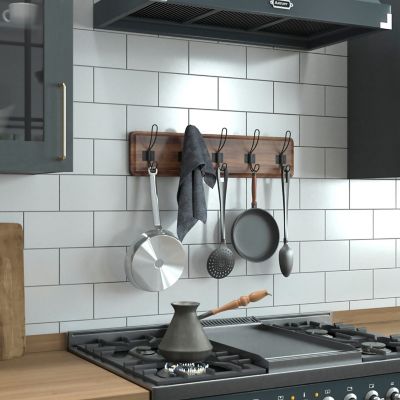
Good wall hardware earns its place by making everyday spaces easier to live and work in. Near the back door, wall-mounted storage can keep hats, jackets, and bags off the bench where muddy boots get pulled on. In a workshop, properly supported storage puts frequently reached-for gear within easy reach and clears room on the work surface. A utility room benefits from mounting arrangements that leave floor space open for sweeping and carrying baskets through. Homeowners, renters with permission to make mounting changes, property caretakers, and folks outfitting a farm office all have different needs, but the same practical details carry across those spaces: suitable support, enough clearance, and hardware that fits the belongings it holds. Projection from the wall matters in a narrow passage, while hook shape and opening size affect whether a strap or handle rests securely. Mounting height can make storage convenient without putting heavy belongings where they’re awkward to lift. In kitchens and adjoining utility spaces, coordinating visible wall fittings with
Kitchen Hardware can help shelves, hanging storage, and cabinet fittings look at home together. Care is generally straightforward, though it should follow the material and finish requirements. Dust and grime can be wiped away with a suitable cloth, and cleaning products should be compatible with any coating or surrounding wall finish. Abrasive cleaning can wear away protective surfaces, especially at edges and around screw heads. Periodic checks are worthwhile where hooks and shelves see frequent handling: movement at the mounting plate, a bending bracket, corrosion, or cracking around an anchor can signal that the attachment needs attention. A loose connection deserves more than another turn of the screw if the wall material has begun to crumble. Changes in what a shelf holds matter, too; a spot that started with folded towels may later carry much heavier supplies. Keeping the mounting details and load information handy makes those changes easier to assess. Well-matched wall hardware supports an orderly space without drawing much attention to itself, leaving belongings settled where they belong and the floor clear for the next job.